Engineering the Future of Gut Health: The Rise of Prophylactic Lyto-Lysogen Therapy
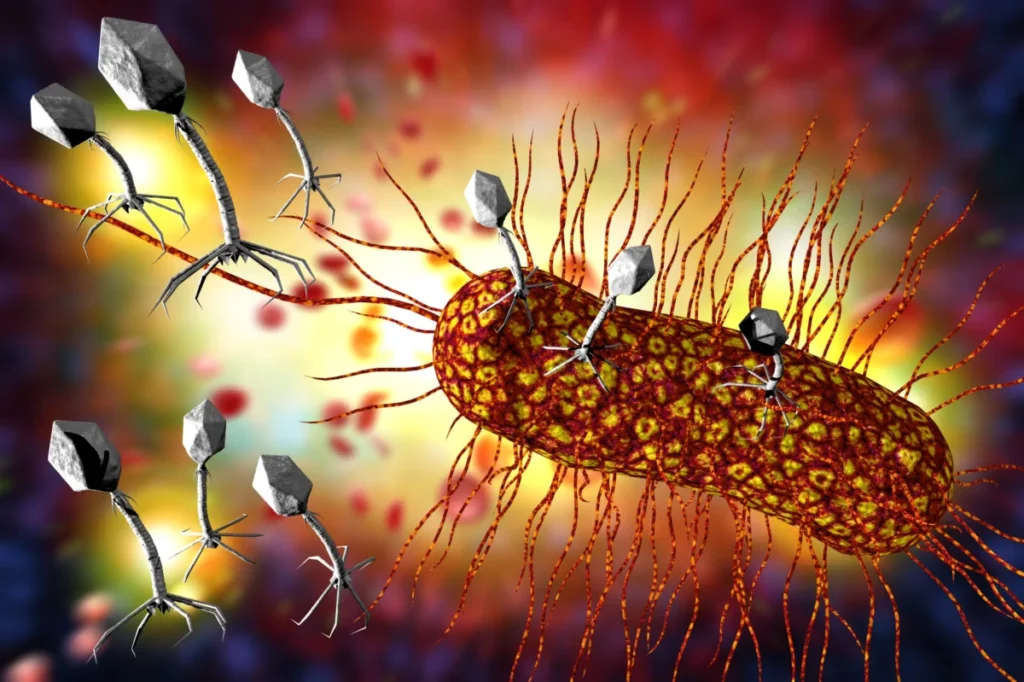
In the ongoing global battle against antibiotic-resistant pathogens, researchers at Virginia Tech have unveiled a groundbreaking approach to gut health that shifts the paradigm from reactionary treatment to proactive defense. By re-engineering the very landscape of the intestinal microbiome, the research team has successfully developed a "prophylactic phage therapy" capable of neutralizing enteric pathogens like Salmonella enterica Typhimurium (STm) before they can gain a foothold in the human body.
The study, published in the journal Nature Microbiology, introduces a novel biological weapon: the "lyto-lysogen." This engineered bacterium—a nonpathogenic strain of Escherichia coli—acts as a biological factory, continuously producing lytic bacteriophages that stand guard against incoming invaders. This discovery represents a significant departure from conventional phage therapy, which has historically struggled with efficacy when applied to the complex, crowded, and often inaccessible environment of the mammalian gut.
The Core Innovation: What is a Lyto-Lysogen?
At the heart of this research is the concept of the "lyto-lysogen," a term coined by the Virginia Tech team led by Bryan Hsu, PhD, an associate professor and Blackwood Junior Faculty Fellow. To understand the significance of this development, one must first understand the traditional limitations of bacteriophage therapy.
Bacteriophages, or phages, are viruses that specifically target and kill bacteria. While they have been studied for over a century as a potential alternative to antibiotics, their clinical application has been hampered by the "coexistence problem." In a natural setting, phages and bacteria tend to reach a state of equilibrium, where the phages keep bacterial populations in check but rarely eradicate them completely. Furthermore, once a pathogen like Salmonella establishes an infection, it often hides within the protective mucus layer of the gut lining, effectively shielding itself from circulating phages.
The team’s solution was to stop treating the infection after the fact and start managing the environment before the pathogen arrives. By engineering a nonpathogenic E. coli to act as a permanent host for a specialized prophage, the researchers created a system that floods the gut with a high concentration of lytic phages. When Salmonella enters this "prepared" gut environment, it is immediately met with a lethal density of phages, preventing colonization entirely.
Chronology of a Scientific Breakthrough
The path to this discovery was defined by a series of strategic hurdles and clever genetic workarounds.
Phase 1: Identifying the Challenge
The research began with the observation that traditional phage therapy is largely ineffective against enteric infections. The researchers identified that the primary issue was not just the phage’s ability to kill, but its ability to reach the pathogen in sufficient numbers. They noted that by the time a host displays clinical symptoms of a gut infection, the pathogen has already successfully navigated the harsh environment of the stomach and established a niche in the intestinal mucosa, rendering conventional therapy "too little, too late."
Phase 2: Engineering the "Trojan Horse"
The team hypothesized that if they could create a "persistent" source of phages within the gut, they could shift the odds. They selected a nonpathogenic E. coli strain to serve as the vehicle for their therapeutic agent. They engineered this E. coli to carry a prophage—a phage genome integrated into the bacterial DNA. Under the researchers’ design, this E. coli produces lytic phages specifically tailored to target the STm pathogen.
Phase 3: The "Disguise" Strategy
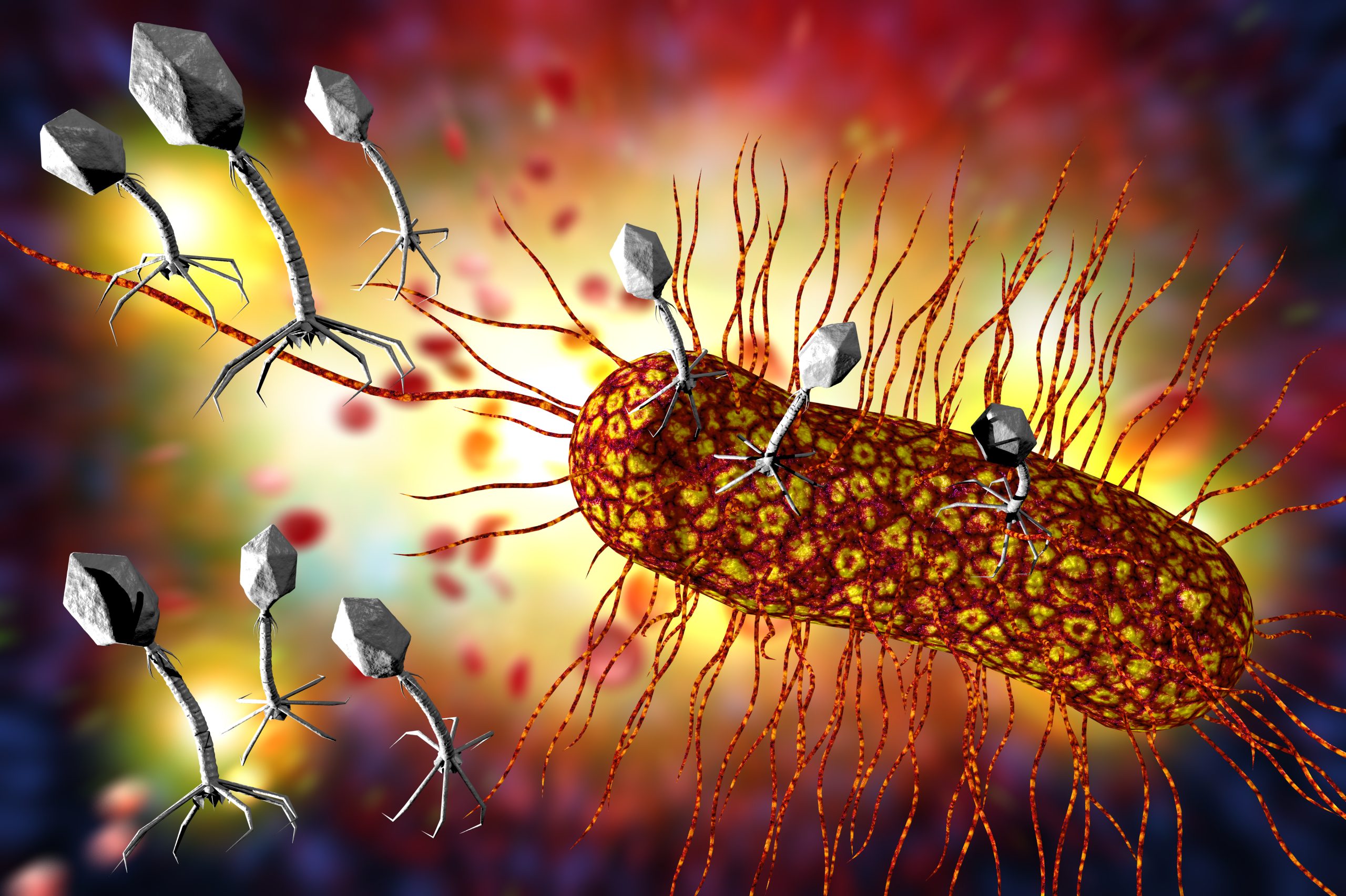
A critical hurdle remained: Salmonella has evolved sophisticated defense mechanisms to detect and reject foreign DNA, including that of phages originating from non-Salmonella bacteria. To overcome this, the researchers performed a masterful piece of genetic engineering. They introduced specific Salmonella genes into their engineered E. coli genome. This "disguise" convinced the Salmonella that the incoming phages were "not foreign." As a result, the phages could infect the Salmonella, propagate rapidly, and lyse the host cell, creating a cascading cycle of viral replication that effectively wiped out the invading pathogen.
Phase 4: Validation in Mouse Models
The final stage of the study involved testing this approach in mouse models of STm-induced colitis. The results were striking: mice treated with the lyto-lysogen showed significantly higher survival rates and lower levels of intestinal colonization by Salmonella compared to those treated with traditional phage administration or no treatment at all.
Supporting Data: Why This Strategy Works
The data gathered by the team highlights a clear superiority of the prophylactic approach over traditional therapeutic methods. According to the study, the prophylactic application of the lyto-lysogen was significantly more effective than post-infection administration.
- High-Density Shielding: By establishing a high concentration of phages in the gut before the pathogen is introduced, the researchers created a "protective lining." The pathogen, at its most vulnerable state immediately after passing through the stomach, is intercepted by an overwhelming number of lytic phages.
- Self-Amplifying Efficacy: Unlike chemical antibiotics, which are diluted and eventually cleared by the body, the lyto-lysogen system is self-amplifying. As the phages lyse the Salmonella, more phages are produced, creating a localized "kill zone" that sustains itself as long as the pathogen is present.
- Superiority Over Free Phages: The study explicitly noted that the use of engineered E. coli to deliver phages was superior to the administration of "free" phages. Free phages are often unstable and easily cleared from the gut; by anchoring the production source to a stable, colonizing E. coli population, the researchers ensured a consistent, long-term supply of the therapeutic agent.
Official Responses and Expert Perspective
The research, led by Dr. Bryan Hsu and co-authored by postdoctoral fellow Dr. Rogerio A. Bataglioli, has drawn significant attention from the microbiology community.
"Eventually, in the future, this could be used to treat other diseases," Dr. Bataglioli stated, emphasizing the versatility of the platform. "It’s not about replacing antibiotics, but having one more option on the shelf to fight infections."
Dr. Hsu, who is also an affiliate with the Fralin Life Sciences Institute’s Center for Emerging, Zoonotic, Arthropod-borne Pathogens, noted that the team’s work addresses a "fundamental challenge" in phage therapy. "It’s challenging, especially in the gut, because phages and bacteria tend to coexist for long periods of time," Hsu explained. By engineering the bacteria to act as a factory, his team bypassed the natural tendency toward equilibrium, forcing a state of active, lethal predation.
The paper, titled Prophage-encoding engineered bacteria enable prophylactic lytic phage therapy for enteric infection in mice, concludes that the lyto-lysogen strategy is not just a theoretical possibility, but a highly feasible, practical advancement in clinical microbiology.
Broader Implications for Global Health
The implications of this research extend far beyond the treatment of Salmonella. As the Centers for Disease Control and Prevention (CDC) continues to list antibiotic-resistant Salmonella as a high-priority pathogen, the need for non-antibiotic interventions has never been greater.
1. Combating Antimicrobial Resistance (AMR)
The global crisis of AMR is driven in large part by the overuse of traditional antibiotics, which can disrupt the gut microbiome and create selection pressure for resistant strains. Phage therapy, particularly when delivered via a targeted, prophylactic mechanism like the lyto-lysogen, offers a highly specific alternative that does not impact the beneficial bacteria in the same way broad-spectrum antibiotics do.
2. Targeting Vulnerable Populations
Salmonella poses a disproportionate threat to the elderly, young children, and immunocompromised individuals, such as those living with HIV. A prophylactic treatment—perhaps delivered in a shelf-stable or ingestible form—could provide a critical layer of protection for these populations, particularly in regions where hygiene and sanitation infrastructure may be lacking.
3. A Modular Platform for Future Diseases
The most exciting aspect of the Virginia Tech study is the "framework" it establishes. The researchers have essentially created a plug-and-play biological system. By swapping out the phage and the specific gene markers, this platform could theoretically be adapted to target a wide variety of bacterial pathogens, including those responsible for cholera, dysentery, and other enteric diseases.
"We have a framework in place that shows that we could potentially put other phages in there and target other bacteria," Dr. Hsu noted. This modularity suggests that the "lyto-lysogen" could eventually become a standard component of a physician’s toolkit for preventing, rather than just treating, systemic and intestinal infections.
Conclusion: The Path Forward
As Dr. Bataglioli prepares to continue his groundbreaking work at the State University of Campinas in Brazil, the scientific community looks on with anticipation. The transition from controlled laboratory experiments to real-world application will, of course, require rigorous clinical trials and a deeper understanding of the long-term ecological impact of introducing engineered bacteria into the human microbiome.
However, the Virginia Tech study has cleared a significant hurdle. By successfully engineering a system that turns the gut’s own microbial inhabitants into a frontline defense against pathogens, researchers have provided a glimpse into a future where we may no longer be entirely dependent on the diminishing efficacy of our antibiotic arsenal. The age of the lyto-lysogen has arrived, promising a smarter, more precise, and fundamentally more effective approach to the age-old problem of bacterial infection.