The Evolution of AI Coding: Introducing Android Bench 2.0 and the Era of Long-Horizon Task Evaluation
The landscape of software development is undergoing a seismic shift. As Large Language Models (LLMs) transition from simple code-completion tools to autonomous agents capable of managing complex engineering workflows, the metrics used to evaluate their efficacy must evolve in tandem. Today marks a pivotal moment in this transition with the launch of Android Bench 2.0, a sophisticated, high-stakes benchmarking framework designed to measure how AI handles the messy, multi-day reality of modern Android development.
This release represents more than just a software update; it is a fundamental recalibration of what we expect from machine intelligence. By introducing "Long-Horizon Tasks" (LHTs) and a granular, continuous scoring system, Android Bench 2.0 moves the goalposts from simple bug fixes to the orchestration of architectural migrations, feature builds, and comprehensive codebase overhauls.
The Chronology: From Incremental Fixes to Architectural Complexity
To understand the necessity of Android Bench 2.0, one must look at the trajectory of AI-assisted coding over the past few years.
Phase 1: The Era of Incrementalism
When the original Android Bench was conceived, the state of the art in AI coding was largely limited to localized, incremental changes. Developers were using AI primarily for boilerplate generation, minor bug squashing, or resolving isolated feature requests. These tasks were typically scoped to a single file or a handful of lines, making binary “pass/fail” metrics sufficient. If the code compiled and the test passed, the agent was deemed successful.
Phase 2: The Shift Toward Autonomy
As model providers increased context windows and reasoning capabilities, developer expectations shifted. Engineers began tasking AI with more demanding responsibilities: refactoring entire navigation flows, migrating legacy Java codebases to Kotlin, and implementing complex dependency injection frameworks. The original benchmarking tools were no longer reflective of these workflows; they were effectively measuring a student-level ability when the industry had already moved toward enterprise-level engineering.
Phase 3: The Launch of Android Bench 2.0
Recognizing this disconnect, the development team began aligning its framework with the industry-standard Harbor framework. The goal was to build a rigorous foundation that mirrors the ambiguity and scale of real-world Android development. With the release of Android Bench 2.0, the industry now has a standardized way to measure performance on tasks that would traditionally take a human engineer several days or even a full week to execute.
Supporting Data: Why "Pass/Fail" No Longer Suffices
One of the most significant changes in Android Bench 2.0 is the departure from binary grading. In complex, multi-day engineering projects, a simple "pass or fail" is an inadequate representation of an agent’s capability.
The Problem with Binary Scoring
Consider a scenario where an AI agent is tasked with refactoring 40 screens from a legacy UI framework to Jetpack Compose. If the agent successfully migrates the entire architecture, sets up the necessary database tables, and achieves 90% of the functional requirements, a binary system would mark the run as a 0% failure if it tripped a single edge-case assertion. This obscures the fact that the model performed the vast majority of the heavy lifting.

The New Continuous Scoring Model
Android Bench 2.0 introduces a continuous scoring mechanism that evaluates:
- Functionality: Does the code perform the intended task?
- Visual Fidelity: Do the UI components match the design specifications?
- Regression Management: Did the agent avoid breaking existing, unrelated code?
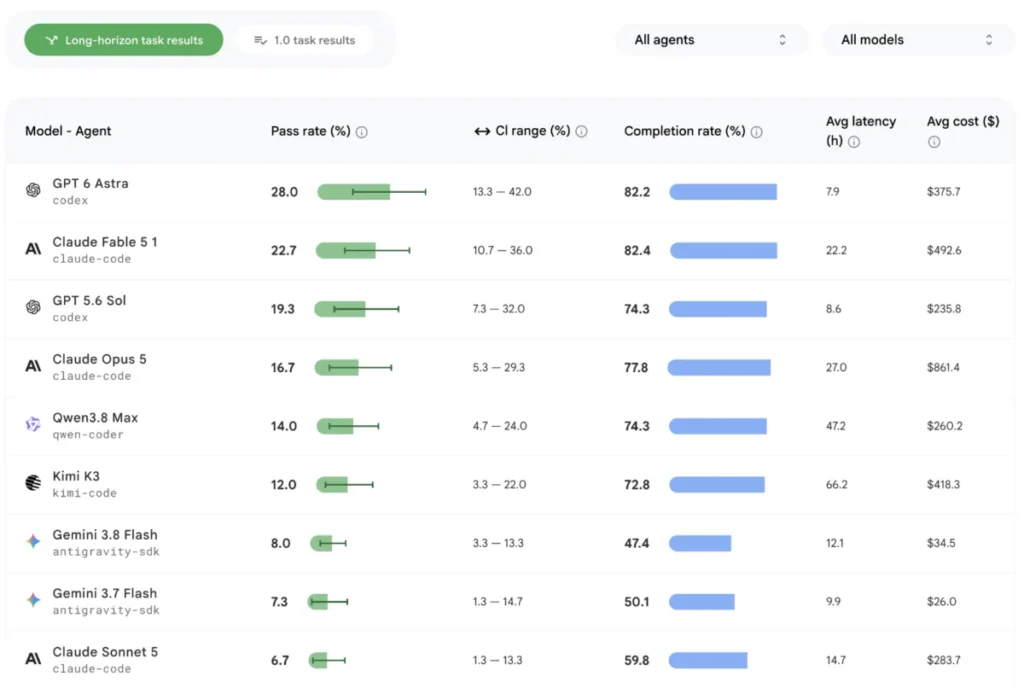
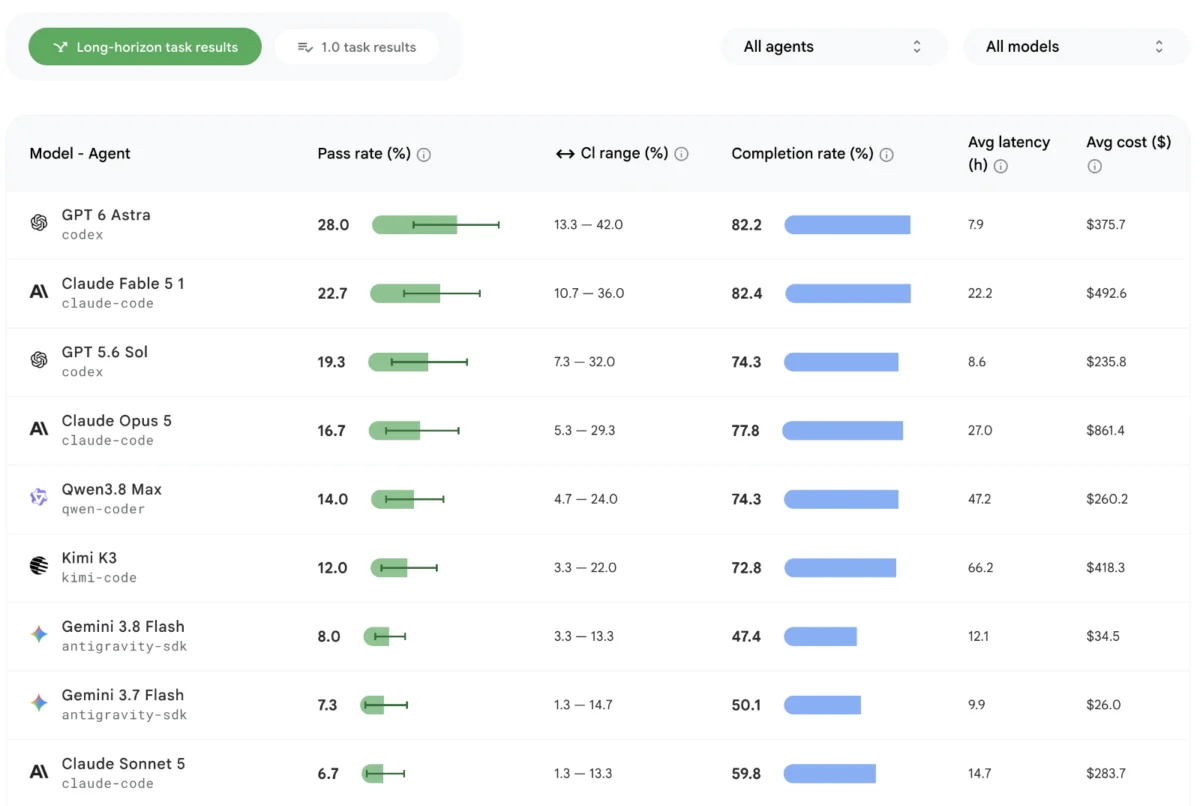
By applying objective penalties for deviations from architectural constraints or instructions, the new leaderboard provides a nuanced look at model performance. Data from the initial rollout is sobering: the highest pass rate for LHTs is currently hovering around 28%, a stark contrast to the ~91% success rate observed in the original, simpler benchmarks. This gap highlights the massive hurdle that remains in achieving fully autonomous, production-ready AI coding agents.
Insights and Implications: Where AI Excels and Where It Falters
The implementation of the LHT dataset has yielded invaluable insights into the current limitations and strengths of frontier models.
Strengths: The Deterministic Transformation
Models have shown remarkable consistency when performing well-established, deterministic transformations. Whether it is converting legacy Java to Kotlin, swapping Retrofit for Ktor, or introducing a ViewModel layer, current models are highly effective. They can maintain architectural integrity across massive codebases, sometimes handling upwards of 125 files and 8,000 lines of code without losing the thread of the transformation.
Weaknesses: The Knowledge Gap
Conversely, AI agents struggle significantly when a task requires runtime validation—such as debugging complex dependency injection graphs—or when they encounter "breaking" framework changes. Furthermore, models often hit a wall when dealing with unreleased or niche libraries, where the training data is sparse.
Perhaps most tellingly, porting cross-platform applications to native Android remains an "open challenge." Even the most capable frontier models struggle to reach a 100% success rate, with the top-tier performers plateauing at an 80% completion rate. This underscores the reality that, while AI is an incredible force multiplier, it is not yet a replacement for the architectural intuition of a seasoned Android engineer.
Agentic Evaluation: The Role of the "Harness"
A core feature of Android Bench 2.0 is the introduction of agentic evaluation. It is no longer enough to measure the raw model; one must measure the model as it operates within an agentic workflow.
The Impact of Harness Design
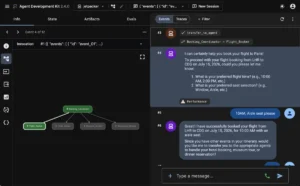
The team is now testing models paired with their provider-specific agents (e.g., GPT-6 paired with its native harness, Gemini Flash with Google Antigravity). The results suggest that the "harness"—the way an agent is prompted, how it manages memory, and how it handles tool windowing—is just as critical as the underlying model.
.png)
For example, techniques like prompt caching and compact tool windowing have shown a direct correlation with reduced token usage and improved outcomes. By highlighting these combinations, Android Bench 2.0 aims to help teams identify which agentic setups are best suited for their specific engineering stacks.
Official Responses and Future Outlook
The release of Android Bench 2.0 is supported by an updated leaderboard that features the latest industry contenders: Gemini 3.8 Flash, OpenAI’s GPT-6, Anthropic’s Fable 5.1, Kimi K3, and Qwen 3.8 Max.
Leading the Pack
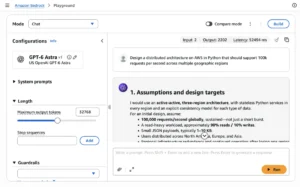
As of the latest data, OpenAI’s GPT-6 Astra currently sits at the top of the leaderboard with a 28% pass rate on long-horizon tasks. While this number may seem low in a vacuum, it represents a significant leap forward in the context of the sheer complexity of the tasks provided.
A Call for Transparency and Collaboration
The development team behind Android Bench 2.0 has emphasized that this is a living project. By providing transparency into the strengths and pitfalls of each model via the new "model card" view, they hope to foster an environment where developers can make informed decisions about their AI investments.
"We invest in this measurement because it is important for you to be able to use your agent and model of choice for Android development," the team stated in their release notes. "We believe that by providing a robust, transparent, and rigorous environment for measurement, we can empower research teams to build more dependable AI partners."
How to Get Involved
The evolution of Android Bench is community-driven. Developers are encouraged to:
- Explore the Leaderboard: Visit d.android.com/bench to view the latest rankings and dive into individual model performance cards.
- Review the Methodology: Familiarize yourself with the updated evaluation criteria at the Android Developer documentation site.
- Contribute: As the ecosystem changes, the benchmark must change with it. Feedback on the current tasks and suggestions for future long-horizon challenges are welcomed on the project’s GitHub repository.
As we look toward the future, the integration of AI into the Android development lifecycle is no longer a question of "if," but "how well." With Android Bench 2.0, the industry finally has a mirror that reflects the true complexity of the work being done, pushing the boundaries of what both developers and machines can achieve together.