More Than Meets the Eye: A 40th Anniversary Retrospective on ‘The Transformers: The Movie’
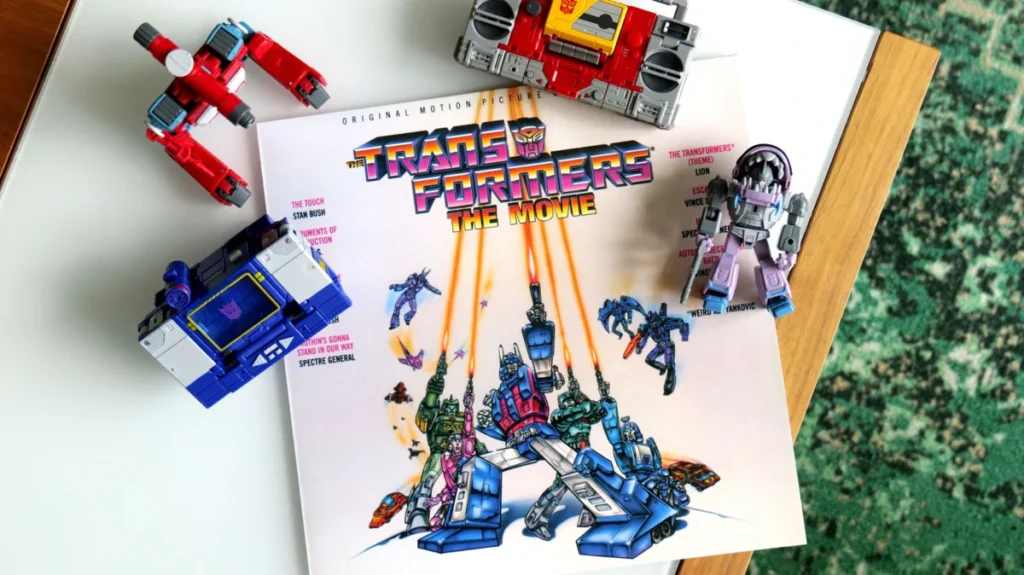
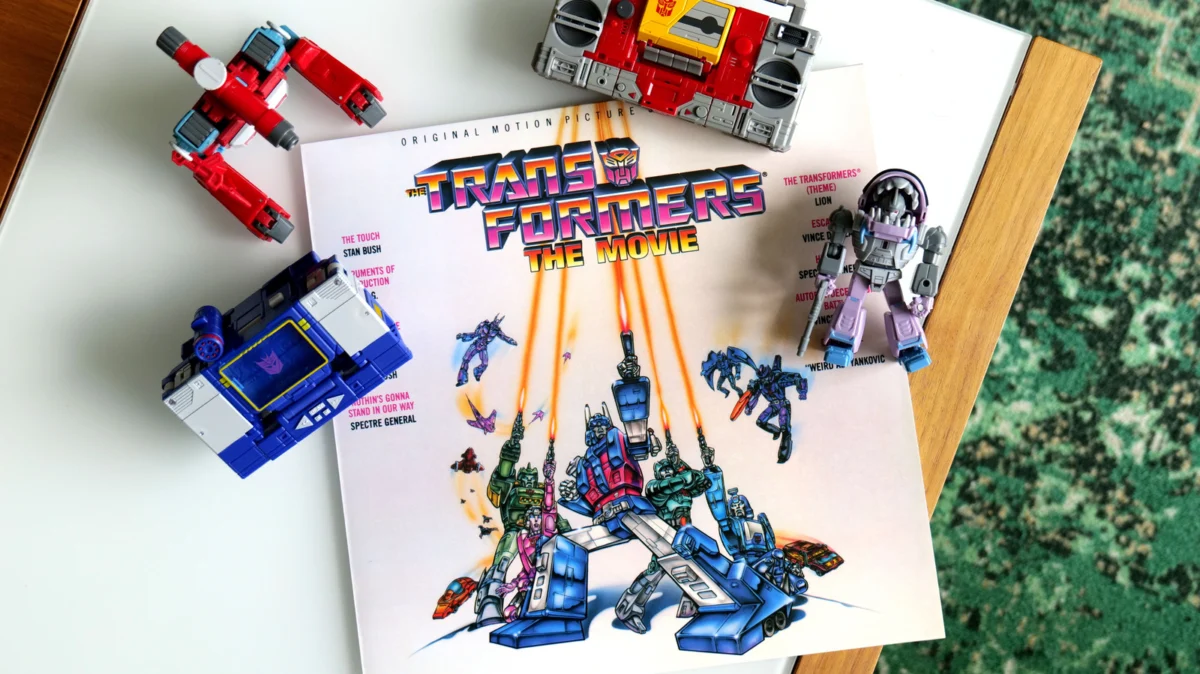
Forty years ago, the cinematic landscape was forever altered—not by a live-action epic, but by a bold, neon-soaked, synth-heavy animated feature that dared to break the hearts of an entire generation. The Transformers: The Movie (1986) remains a singular achievement in animation, standing as the definitive pinnacle of the franchise. As it returns to theaters for its 40th anniversary, it is time to re-examine why this film remains the gold standard, far outshining the modern blockbusters that have struggled to replicate its unique, chaotic, and earnest energy.
The Genesis of a Cult Classic: Main Facts
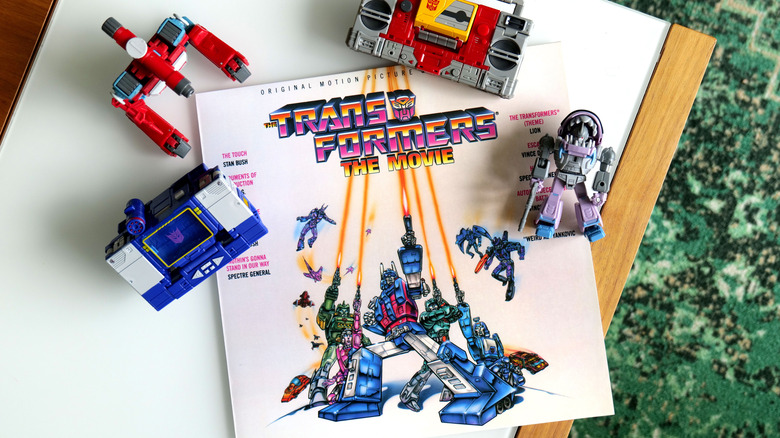
Released in 1986, The Transformers: The Movie was intended as a bridge between the second and third seasons of the original G1 (Generation 1) television series. Produced by Marvel Productions and Sunbow Productions, it was a high-stakes gamble designed primarily to refresh the toy line. By introducing a new generation of characters, Hasbro aimed to cycle out the older, original figures.
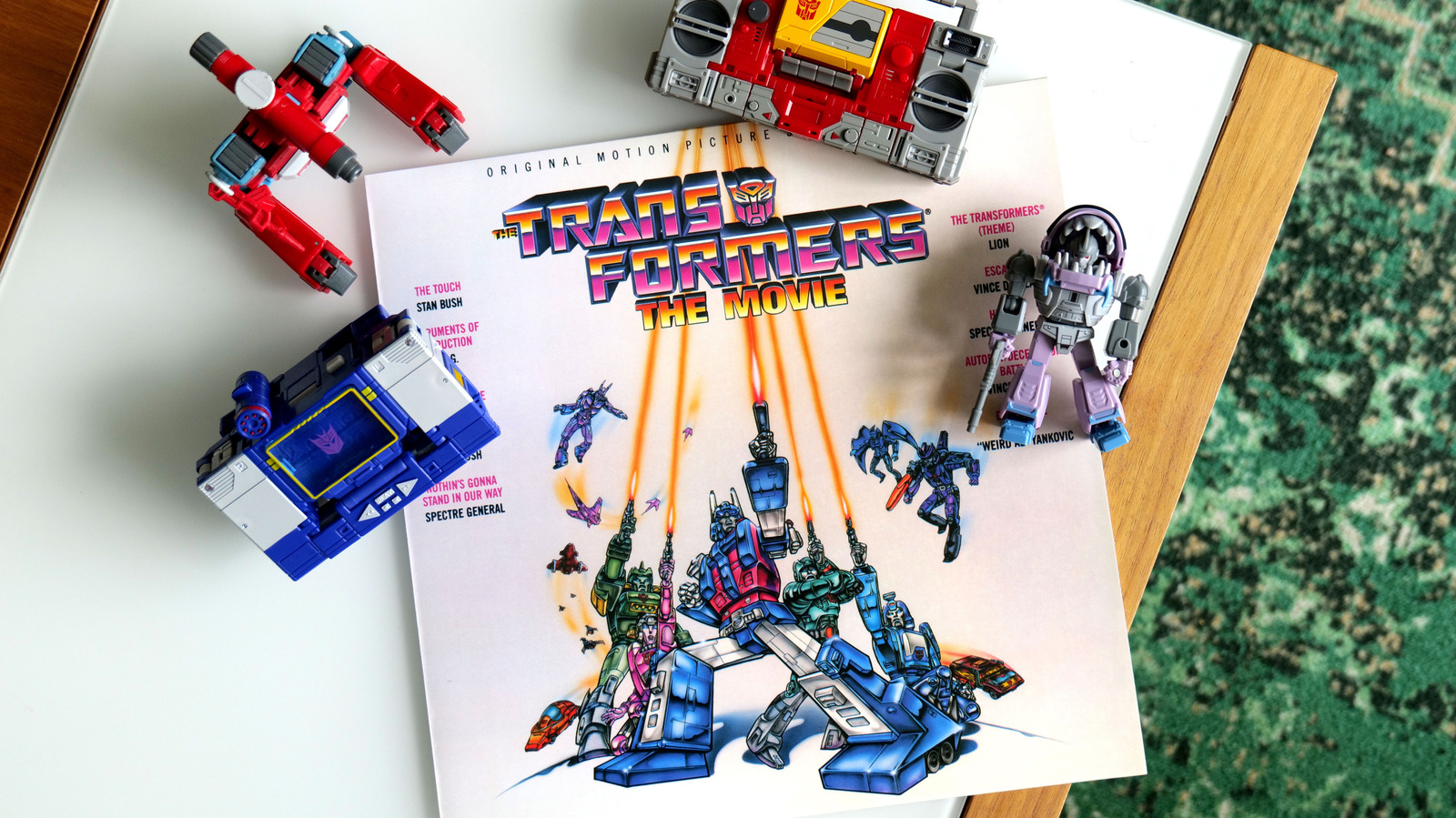
However, the film transcended its "glorified toy commercial" origins through sheer force of will and an unexpected dedication to production values. With a star-studded cast including Orson Welles, Leonard Nimoy, and Judd Nelson, the film eschewed the constraints of Saturday morning television. It dared to kill off beloved icons, featured a hard-rock soundtrack that defined an era, and presented a story with genuine emotional stakes—a rarity for children’s entertainment in the mid-80s.
A Chronological Descent: From Autobot City to Unicron
The narrative structure of the film is a masterclass in pacing, albeit one that shifts gears aggressively after the first act.
The First Act: A Flawless Setup
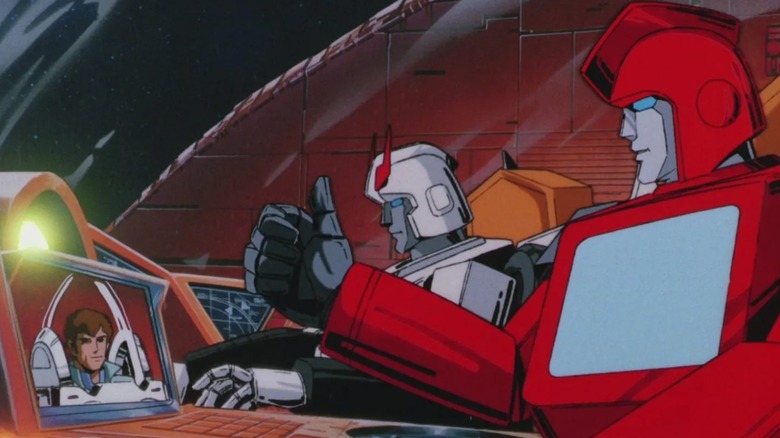
The opening twenty-five minutes are arguably the best in the history of the franchise. Set in the year 2005, the film immediately establishes a high-stakes tone. The Decepticon assault on Autobot City is a brutal, relentless sequence that showcases the grim reality of a long-standing war. The choreography of this battle, particularly the final stand of Optimus Prime, remains a benchmark for animated action. When Prime arrives to save his comrades, the accompanying score elevates the moment into a genuine cinematic event. The subsequent death of Optimus Prime—a moment of unprecedented trauma for 1980s audiences—serves as the catalyst for the entire emotional journey of the film.
The Middle Chapters: A Disjointed Odyssey
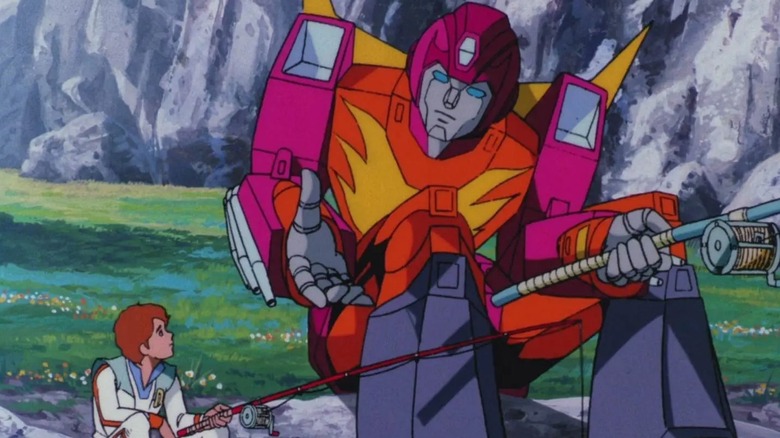
As the surviving Autobots flee Earth, the film enters its most experimental phase. While the focus on Hot Rod’s growth and Ultra Magnus’s struggle with leadership is compelling, the pacing suffers. The introduction of the Junkions and the bizarre excursion to the planet Quintessa add a layer of camp that occasionally clashes with the grim tone established in the opening. While visually inventive, this section highlights the film’s biggest challenge: balancing the massive roster of new characters against the vacuum left by the fallen veterans.
The Third Act: The Unicron Confrontation
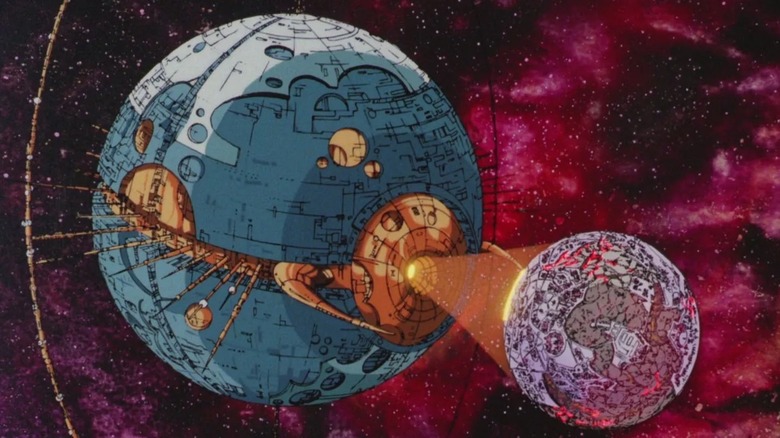
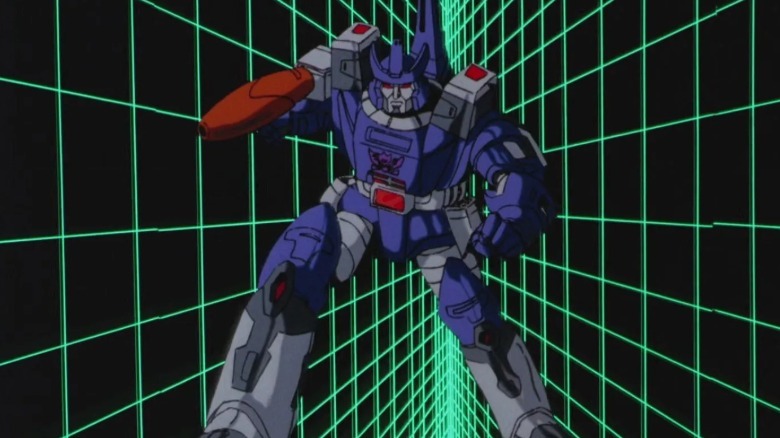
The climax brings the conflict to a cosmic scale with the introduction of Unicron, the planet-eating titan voiced by Orson Welles. The film’s finale is a frantic, high-octane dash to save Cybertron. While it succeeds in its mission to pass the "Matrix of Leadership" to Rodimus Prime, the brevity of the final battle—where Rodimus dispatches Galvatron with uncharacteristic speed—suggests a rush to the finish line. Despite this, the sheer audacity of the visuals and the emotional payoff of the final ascension make for a powerful, if hurried, conclusion.
Supporting Data: The Voice Talent and Soundtrack
The film’s endurance is largely owed to its production pedigree, which was lightyears ahead of its contemporary animated peers.
The Legendary Voice Cast
The producers’ decision to look beyond the standard cartoon voice acting pool elevated the material significantly.
- Orson Welles as Unicron: In his final role, Welles brought a Shakespearean gravitas to the role of the world-eater, creating a villain that feels genuinely existential and terrifying.
- Leonard Nimoy as Galvatron: Casting the Star Trek icon provided the perfect vocal counterpoint to Megatron’s reincarnation, layering madness and menace into the character.
- Judd Nelson as Hot Rod: Nelson provided the necessary human vulnerability for the protagonist, capturing the essence of a youth burdened by a legacy he never asked for.
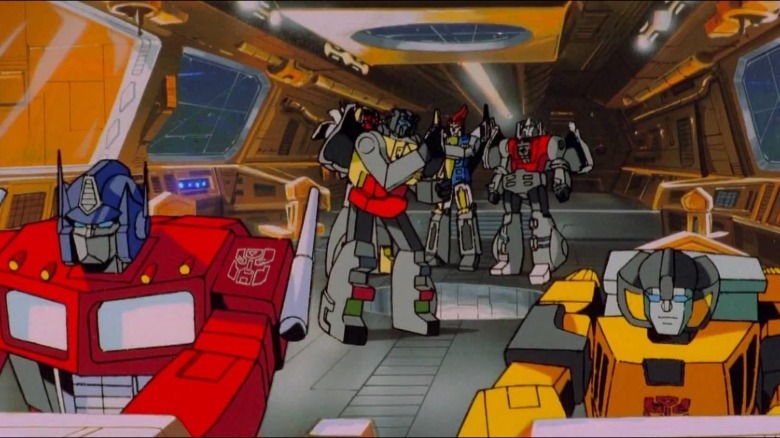
- Robert Stack as Ultra Magnus: Stack’s performance remains the gold standard for portraying a leader who is painfully aware of his own limitations, adding a layer of tragic conflict to the role.
The Sonic Architecture: The Soundtrack
The soundtrack is, quite simply, one of the greatest collections of 80s rock ever compiled. Vince DiCola’s synthesizer-heavy score provides a distinct, futuristic atmosphere that feels alien yet grounded. The inclusion of tracks like NRG’s "Instruments of Destruction" and Stan Bush’s anthemic "The Touch" and "Dare" turned the film into a rock opera. These songs do more than just play in the background; they narrate the struggle, the pain, and the ultimate triumph of the characters in a way that orchestral music simply could not.
Official Responses and Industry Context
For four decades, the film has existed in a strange duality: it is both a beloved masterpiece and a notorious "mistake" in the eyes of the corporate entity that commissioned it. Hasbro has spent years navigating the fallout of the 1986 release. The "Apology Tour" mentality, where the company felt the need to repeatedly retcon or walk back the death of Optimus Prime, underscores the profound impact the film had on its audience.
In the modern era, the industry has struggled to replicate this success. Michael Bay’s live-action franchise focused on spectacle over substance, often losing the "heart" that defined the 1986 original. While newer entries like Bumblebee and Transformers One have attempted to recapture the G1 spirit, they often lean too heavily on nostalgia rather than creating the unique, gritty, and daring atmosphere that defined the original movie.
The 40th Anniversary: Implications and Evolution
The 40th anniversary release, accompanied by the 12-minute short Optimus Prime: Awakening, signals that the franchise is finally ready to stop apologizing for its history and start embracing it. The polarized reaction to the new short—which some fans view as a poignant tribute and others as a tragic revisit of old wounds—proves that this film still holds a massive, emotional grip on its audience.
Why It Still Matters
The enduring legacy of The Transformers: The Movie lies in its refusal to talk down to its audience. It treated the war between Autobots and Decepticons with a level of seriousness that respected the intelligence of children. It taught its audience that heroes can die, that leaders can fail, and that growth often comes through the fire of conflict.
As we look back, the film’s "schlocky" elements—the mechanical squids, the planet-eating gods, the pop-rock ballads—are exactly what make it a timeless piece of art. It is a product of a specific time in history where high-octane blockbusters were infused with a genuine sense of wonder and, perhaps most importantly, a sense of "heart."
In an era of CGI-heavy, homogenized superhero films, the 1986 Transformers stands as a reminder that animation is not a genre, but a medium capable of profound emotional resonance. Whether it is the visual choreography of the battle scenes or the iconic, gravelly delivery of Peter Cullen’s lines, the film serves as a testament to the idea that a hero should be "strong enough to be gentle." Forty years later, it remains the gold standard—a cinematic achievement that truly is more than meets the eye.