The Evolution of a Desktop Suite: Dank Linux Becomes Dux Labs
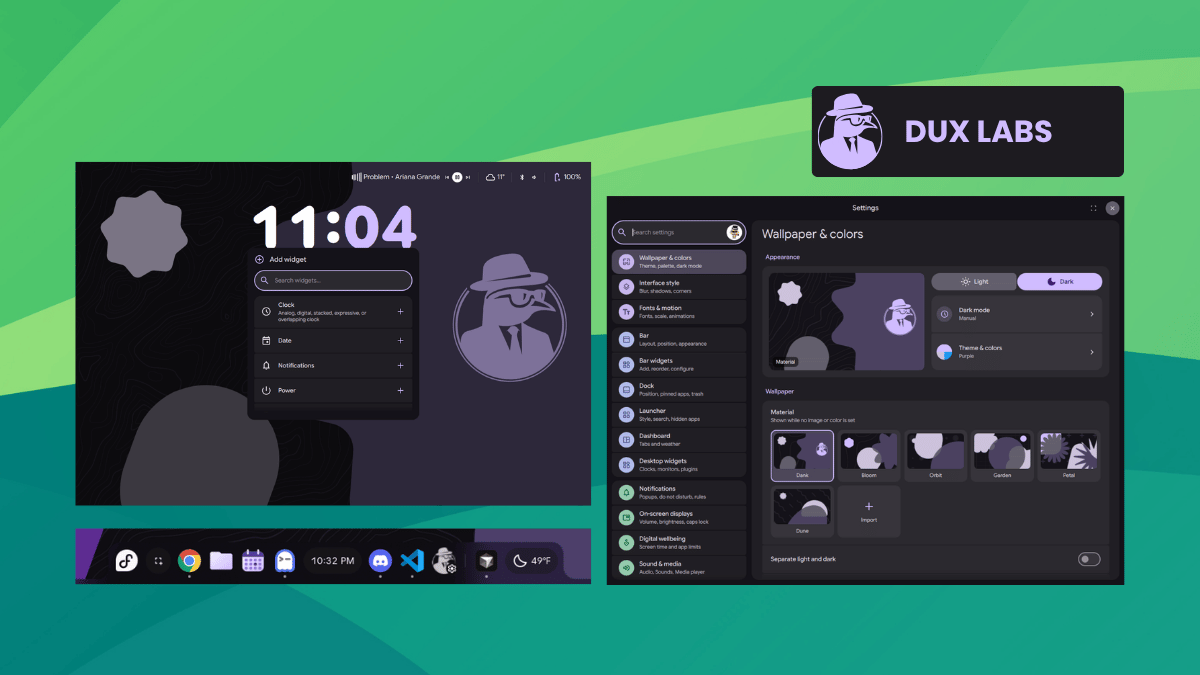
In the rapidly evolving landscape of Linux desktop environments, branding and identity play a pivotal role in community adoption and project longevity. This week, the open-source community witnessed a significant shift as the project formerly known as "Dank Linux"—a specialized Wayland desktop suite centered around the DankMaterialShell (DMS)—announced a comprehensive rebranding. Effective immediately, the project has transitioned to the name "Dux Labs," signaling a maturation from a singular hobbyist experiment into a cohesive, multifaceted software ecosystem.
This transition is not merely cosmetic. It coincides with the release of "Heisenberg," the highly anticipated 2.0 version of their flagship shell, now officially dubbed "Dux Shell." As the project migrates its infrastructure to a new organizational home on GitHub, users and developers alike are watching to see how this rebranding will influence the trajectory of one of the most innovative Wayland-based desktop experiences currently in development.
The Chronology of a Transformation
To understand the weight of this change, one must look back at the project’s origins. What began less than a year ago as a modest hobbyist project blossomed rapidly into a robust alternative to established Wayland tools.
- December 2025: The project shipped version 1.0 of the DankMaterialShell (DMS). It was designed as a lightweight, Go-based replacement for traditional desktop utilities such as waybar, swaylock, mako, and fuzzel.
- Early 2026: Through a series of rapid-fire updates, the project introduced advanced features including custom desktop widgets, a redesigned application launcher, and fluid spring-based animations, earning it a dedicated following.
- Mid-2026 (Version 1.6): The project maintained its original branding, though internal roadmaps began hinting at ambitious expansions, including a standalone file manager and mobile-desktop integration.
- October 2026: The definitive turning point. The project developers issued their final communication under the "Dank" moniker, marking a complete shift toward the Dux Labs identity. Alongside this, Dux Shell 2.0 (codenamed "Heisenberg") was released to the public.
The Architecture of the Dux Suite
The rebranding effort is holistic, touching every component of the software stack to ensure consistency across the user experience. The nomenclature change is strategic, aiming to preserve the command-line utility of the tools while providing a unified professional identity.

A Component Breakdown
The core components of the suite have been renamed as follows:
- Dux Shell: Formerly the DankMaterialShell (DMS). It remains the heart of the suite, a powerful Wayland compositor interface built on Quickshell and Go.
- Dux Greeter: The project’s dedicated login and authentication manager.
- Dux Search: The system-wide search utility, providing rapid access to applications and files.
- Dux GOP: The system monitor, providing real-time data on hardware performance and resource utilization.
- Dux Calendar: A specialized calendar application integrated into the shell’s ecosystem.
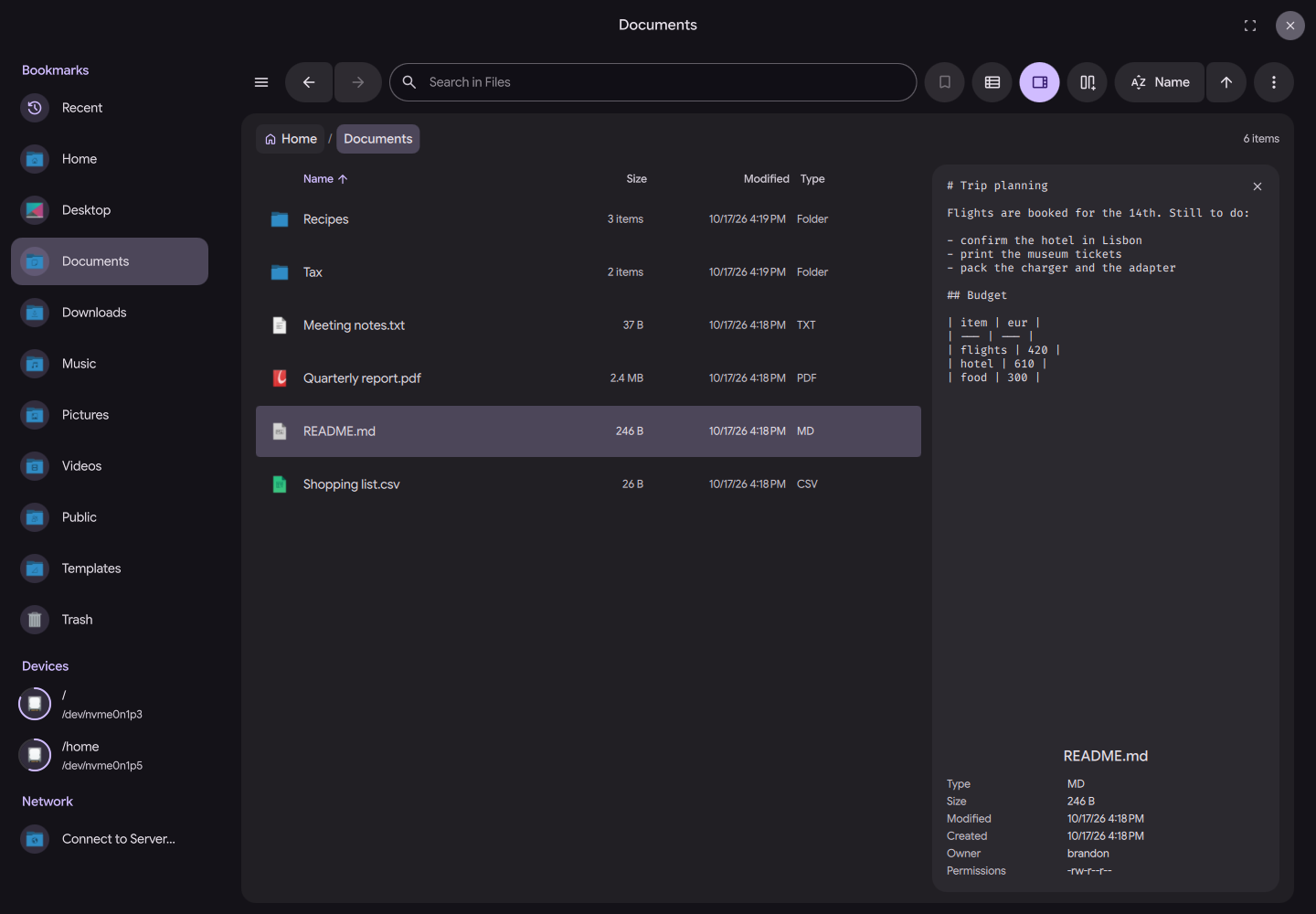
- Dux Files: The most significant addition to the suite. Unlike the other rebranded tools, Dux Files is a brand-new, standalone file manager. It features native support for tabs, split-view navigation, trash management, and network share integration, all while maintaining visual harmony with the Dux Shell theme.
The choice of "Dux" as the new umbrella term is intentional. It serves as a nod to the Linux ecosystem’s legendary mascot, Tux, while cleverly allowing the developers to retain the original command-line aliases (dms, dcal, dgop), which ensures that existing scripts and user muscle memory remain intact.
Official Reasoning: Beyond the "Dank" Label
In their formal announcement, the development team cited a fundamental mismatch between the project’s growth and its original branding. "A name built around one product no longer fits a suite with its separate collection of apps and a plugin community," the developers noted in their official release blog.
The "Dank" branding, while catchy and popular during the project’s early days as a community-driven experiment, faced limitations as the project moved into a more professional phase. The developers realized that to attract contributors, maintain a serious reputation, and foster an ecosystem of plugins and third-party integrations, a more neutral and scalable brand identity was required. By adopting "Dux Labs," the project now frames itself not just as a desktop shell, but as a laboratory for modern Linux interface design—a place where developers can experiment with new paradigms in Wayland compositing.
Technical Innovations in Dux Shell 2.0 ("Heisenberg")
The release of 2.0 marks a technical leap forward. The "Heisenberg" release is defined by its adoption of the Material 3 Expressive design language, which offers a more fluid and dynamic aesthetic than previous iterations.
Key Technical Highlights:
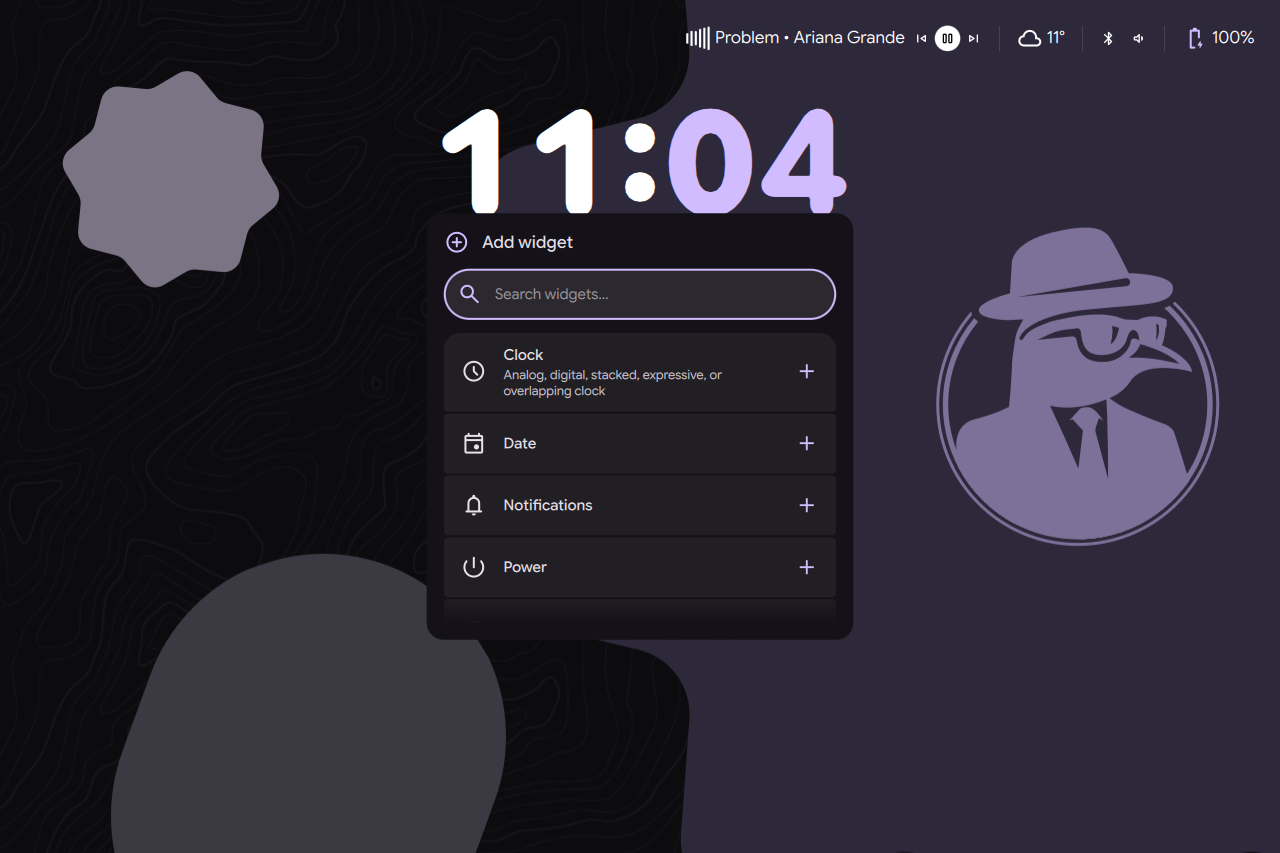
- Material 3 Expressive Redesign: The shell now utilizes a more sophisticated color-sampling engine, allowing the UI to adapt dynamically to wallpaper changes and user preferences with greater precision.
- Plugin Architecture: Dux Shell 2.0 introduces a modular plugin system for the dashboard and dock. This allows community developers to build custom modules without needing to fork the main repository, significantly lowering the barrier to entry for extending the shell.
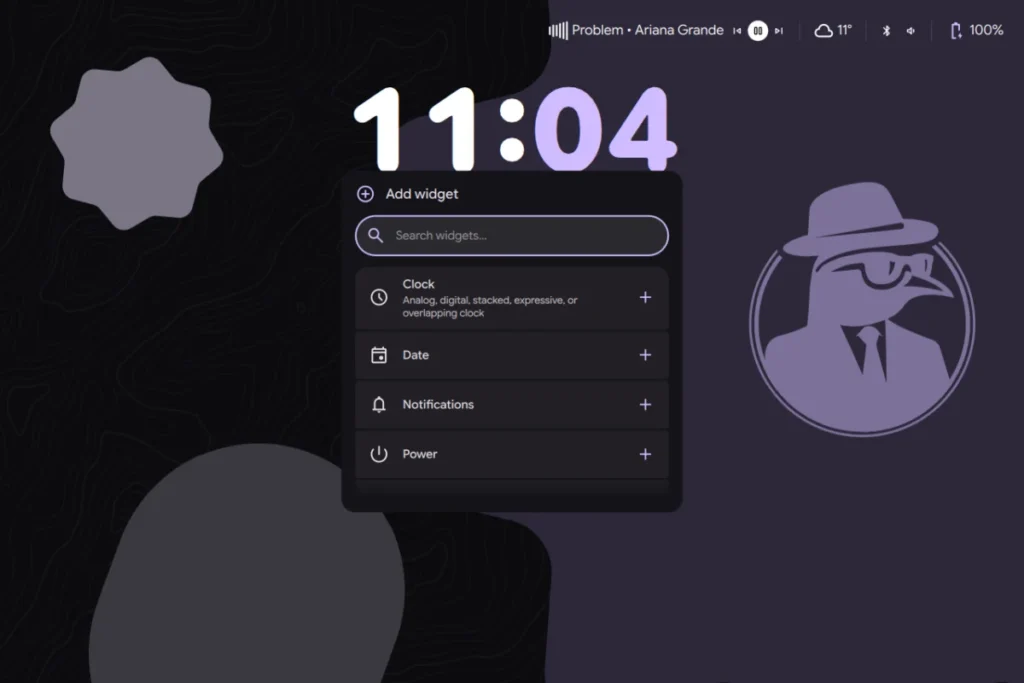
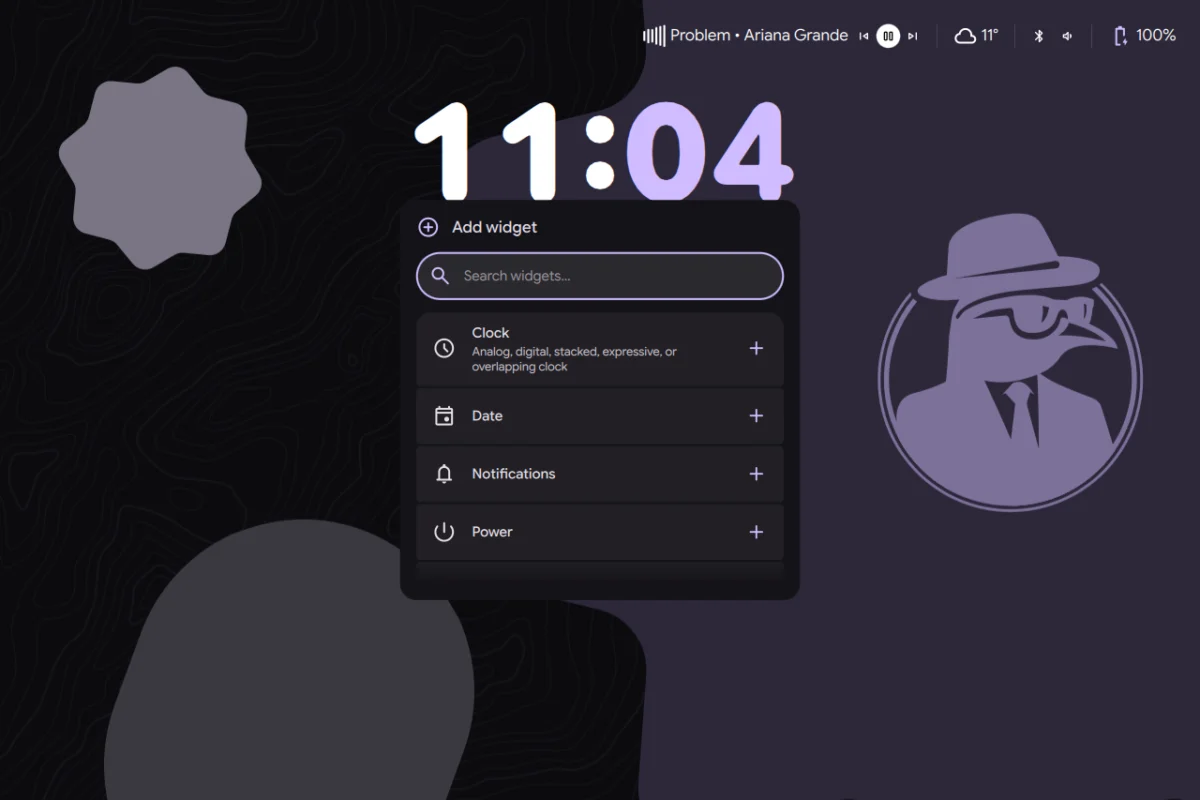
- Customizable Lock Screen: The new lock screen is no longer a static utility. It now supports user-arranged widgets, allowing for at-a-glance information such as weather, calendar events, and notifications, even while the system is secured.
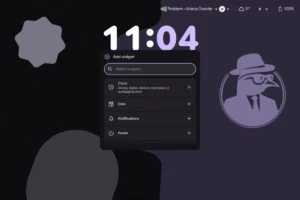
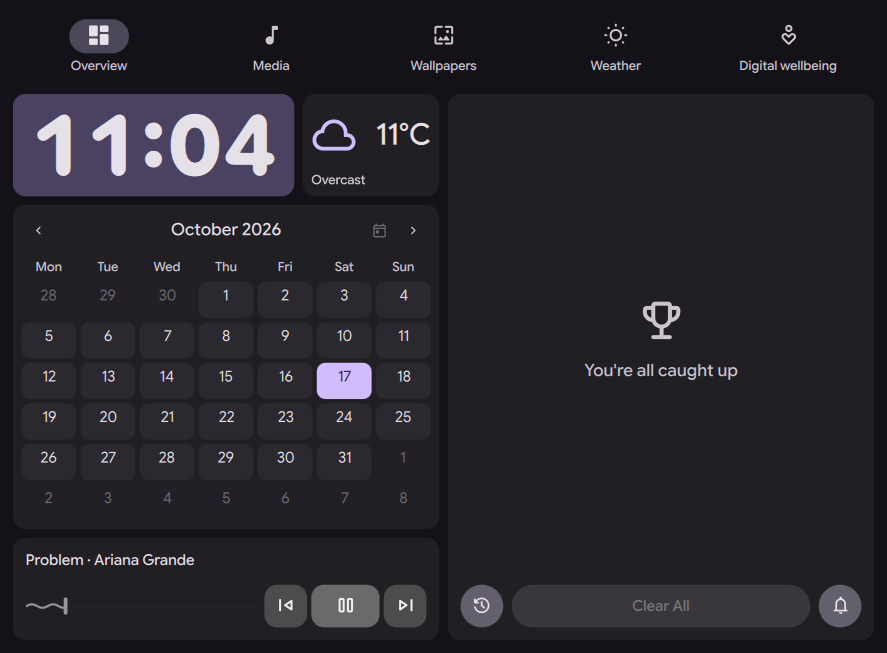
- Dux Dot: Perhaps the most experimental feature in the new release, "Dux Dot" acts as a free-floating companion. It serves as a versatile interface that can toggle between a notification hub, a media controller, a weather forecast, or a full-scale dashboard, depending on the user’s needs.
Implications for the Linux Desktop Community
The transition to Dux Labs has broader implications for the Wayland ecosystem. As desktop environments like GNOME and KDE Plasma continue to dominate, there is an increasing demand for specialized, lightweight alternatives that prioritize performance and customizability.
A Shift Toward Modularity
By breaking out the file manager (Dux Files) and the system monitor (Dux GOP) as distinct entities that can theoretically be used outside the core shell, Dux Labs is positioning itself as a provider of high-quality, interoperable components. This modularity is a hallmark of successful Linux projects, allowing users to pick and choose the parts of the suite that suit their workflow without being forced into a monolithic desktop environment.
Community Reception
While the author of the original news report noted a personal preference for the "Dank" branding, the broader community reaction has been largely positive. The transition to a new organization on GitHub (duxlabs-dev) has been executed smoothly, with all repositories successfully migrated. The willingness of the core team to sacrifice a "fun" brand name for the sake of long-term sustainability is seen by many as a sign of maturity.

Future Outlook
The roadmap for Dux Labs is ambitious. With the successful launch of 2.0, the team is now looking toward deeper system integration, specifically focusing on mobile-desktop convergence. As seen with other projects like CutefishOS, there is a clear appetite for desktops that are "vibe-coded"—a term used to describe modern, aesthetic, and highly polished interfaces that feel right at home on both tablets and desktop workstations.
Conclusion
The transformation from Dank Linux to Dux Labs represents a coming-of-age for a project that has consistently punched above its weight. By shedding its hobbyist skin and adopting a professional, scalable identity, the team behind Dux Shell has cleared the path for a future where they can compete with, and perhaps even influence, the direction of major desktop environments.
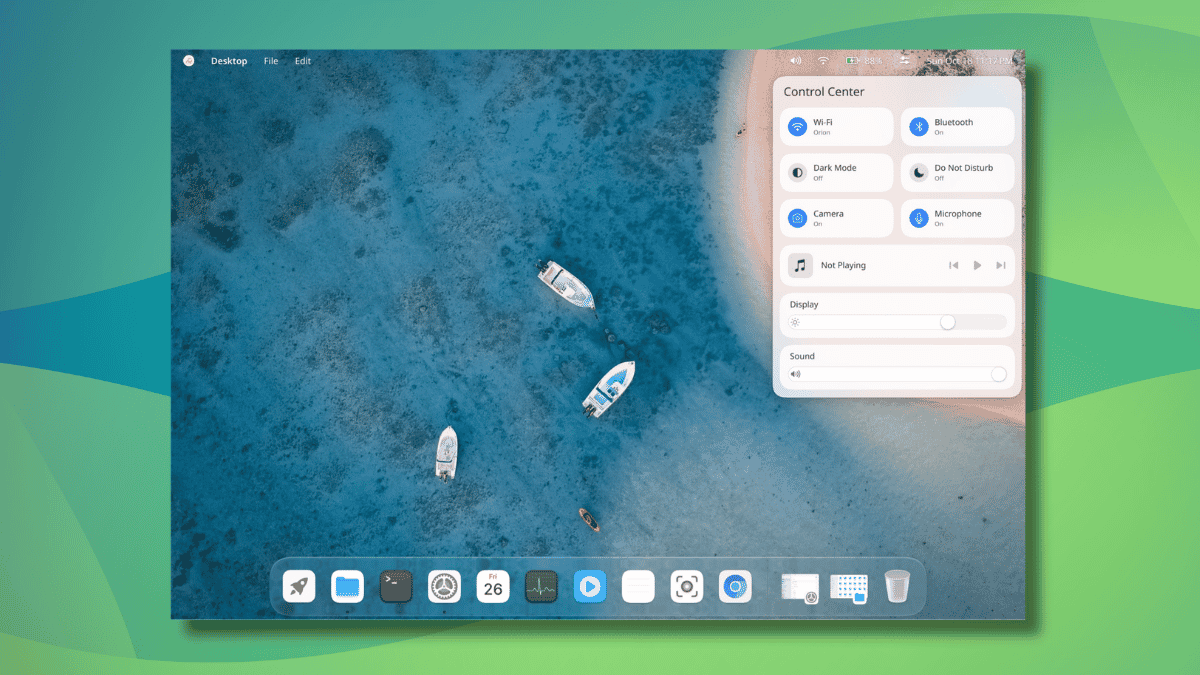
Whether through the introduction of the versatile Dux Dot or the robust Dux Files, the project is proving that it has the technical prowess to back up its bold branding. For users currently navigating the complexities of Wayland, Dux Labs offers a compelling, fresh alternative—one that balances the bleeding-edge performance of Go-based tools with a design language that feels refined, accessible, and entirely new. As "Heisenberg" begins to find its way onto the systems of enthusiasts worldwide, all eyes will be on Dux Labs to see if this new identity serves as the foundation for a permanent fixture in the open-source world.