Securing the Upstream: Why Raw Material Strategy is the New Frontier in Bioprocessing
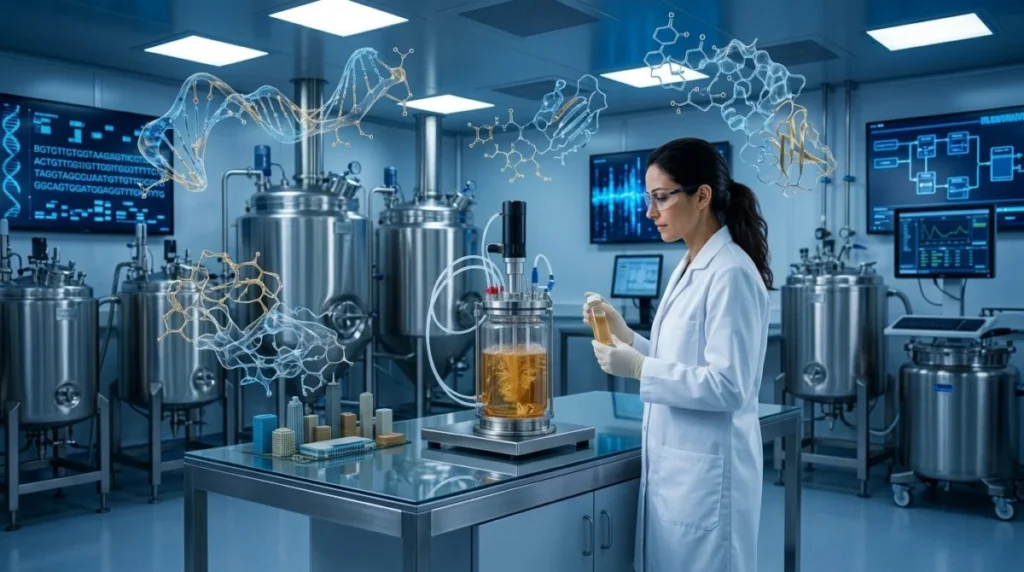
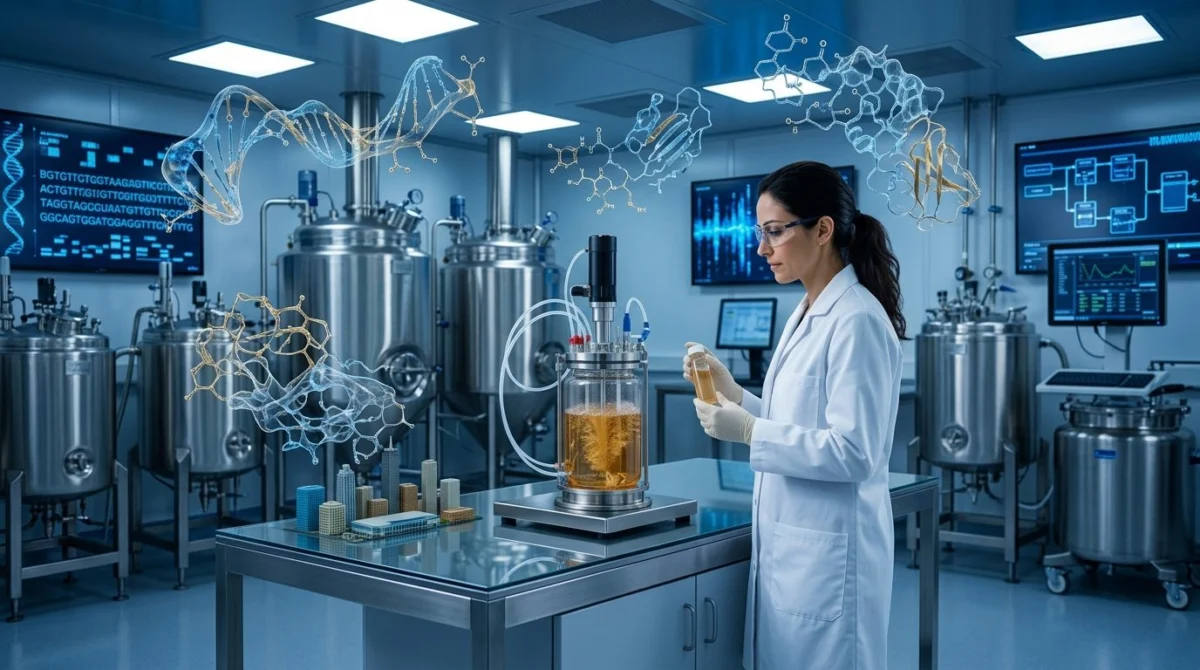
As the global biopharmaceutical landscape shifts toward more sophisticated therapeutic modalities—ranging from complex monoclonal antibodies to next-generation viral vector vaccines—the demand for process resilience has never been higher. At the heart of this evolution is a renewed, critical focus on the "building blocks" of production: cell-culture media.
This week, as industry leaders gather at BioProcess International (BPI) East in Boston, the conversation has moved beyond mere yield optimization. It has shifted toward the fundamental security, consistency, and chemical composition of raw materials. Among the key voices in this discussion is Nu-Tek BioSciences, a Minnesota-based manufacturer making a strategic case for the adoption of 100% animal-origin-free (AOF) peptones and protein hydrolysates to fortify the biopharmaceutical supply chain.
The Strategic Shift: Raw Materials as Process Design
In the past, raw material selection was often treated as a secondary concern, prioritized only after a process was established. However, modern bioprocessing is proving that such a view is outdated. Today, the composition of media is recognized as a primary driver of process robustness.
Variability in complex, biological-based raw materials can lead to inconsistent protein expression, unexpected metabolic shifts, and complications during downstream purification. As manufacturers scale up from pilot programs to commercial manufacturing, these "upstream" choices can either facilitate a seamless transition or create a cascade of failures.
Nu-Tek BioSciences is leveraging the BPI East platform to argue that the selection of high-quality, consistent peptones is not merely a procurement decision, but a fundamental pillar of process design. By offering plant- and yeast-derived nutrients that are strictly animal-origin-free, the company is addressing two distinct industry needs: the elimination of regulatory risk associated with animal-derived components and the pursuit of tighter control over media performance.
A Chronology of the Demand for "Origin-Free" Media
The industry’s migration toward AOF components did not happen overnight. It is the result of decades of regulatory evolution and a growing sophistication in risk management.
- Early 2000s: The emergence of Bovine Spongiform Encephalopathy (BSE) and Transmissible Spongiform Encephalopathies (TSE) forced the industry to reconsider the safety of animal-derived components. Regulatory bodies, including the FDA and EMA, began issuing strict guidance on the sourcing of bovine-derived materials.
- 2010s: As the biologics market matured, the focus shifted from pure safety to consistency. Animal-derived ingredients, by their very nature, can vary from batch to batch depending on the source, diet, and processing methods. This led to a surge in interest for synthetic or plant-based alternatives that could be manufactured with tighter specifications.
- 2020–2024: The COVID-19 pandemic exposed the fragility of global supply chains. Manufacturers realized that reliance on complex, globally sourced animal ingredients created single points of failure. The current era is defined by a "resilience-first" mindset, where manufacturers are seeking partners that offer domestic or highly controlled supply chains.
Technical Implications: Why Peptones Still Matter
Despite the rise of chemically defined (CD) media, the industry continues to rely heavily on peptones and protein hydrolysates. These complex mixtures provide essential amino acids, peptides, and trace elements that are often difficult to replicate in a purely synthetic format.
For many high-density fermentation processes, these complex nutrients are the "secret sauce" that allows cells to reach peak productivity. The challenge, however, is that "complex" often translates to "variable."
"Bioprocessing relies on the control of critical raw materials from start to finish," explains Dr. Joy Aho, director of technical program management at Nu-Tek BioSciences. "Our goal is to provide the quality, control, and customization options that allow developers to keep the nutrient complexity their cells require, while removing the variability and regulatory baggage that come with traditional animal-based products."
The Nu-Tek approach is centered on a purpose-built manufacturing facility specifically designed to handle plant-derived materials. By controlling the manufacturing environment, the company aims to reduce the inter-batch variability that has historically plagued the use of hydrolysates.
Data-Driven Decisions: The Role of Variability Reduction
At BPI East, Nu-Tek is highlighting its "variability reduction program." This initiative is aimed at teams tasked with process characterization—a stage where even slight changes in raw material composition can lead to significant deviations in the final product’s Critical Quality Attributes (CQAs).
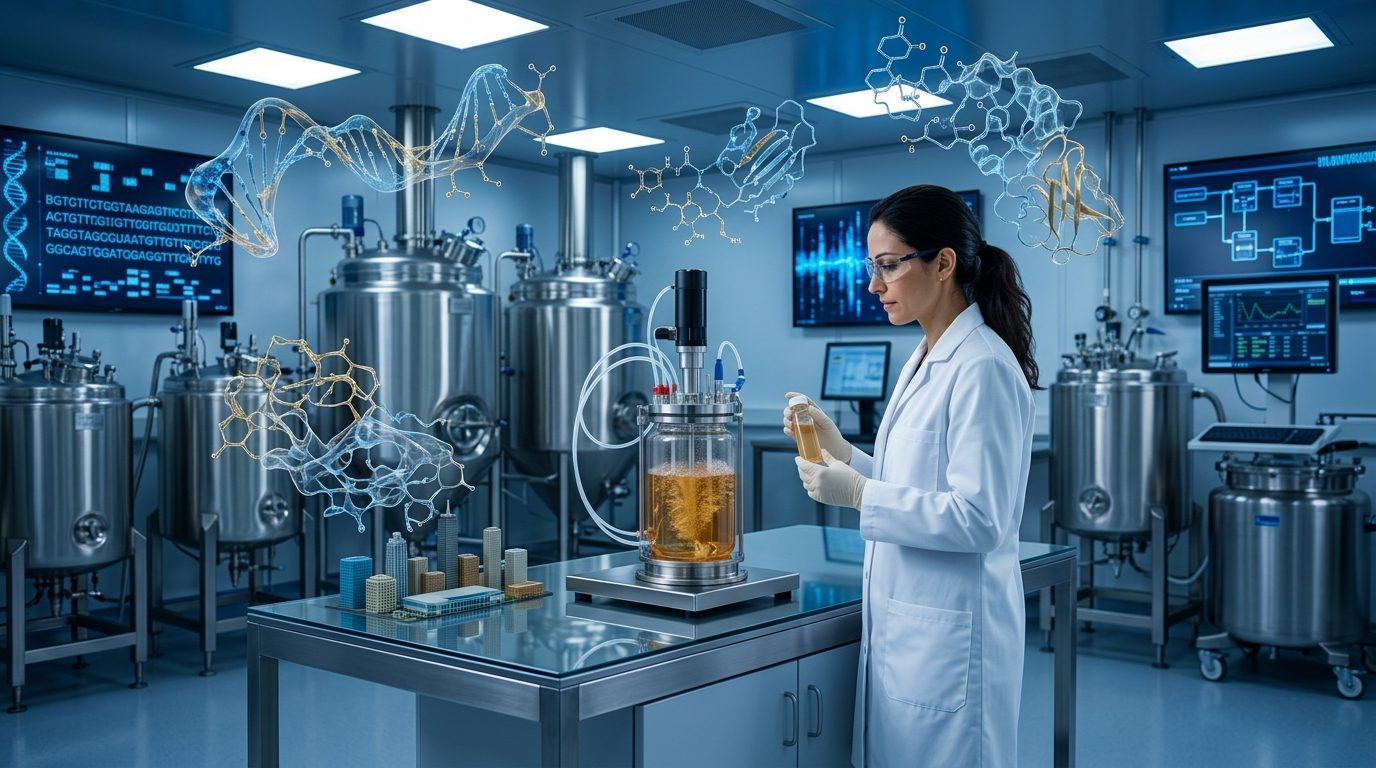
Key Performance Indicators for Media Selection:
- Chemical Profile Consistency: Monitoring the nitrogen profile, amino acid distribution, and trace metal content across multiple lots.
- Regulatory Traceability: Ensuring a clear "paper trail" for every ingredient, from raw biomass sourcing to the final dried powder.
- Scalability: Validating that the peptone maintains its performance profile when transitioning from a 5L benchtop bioreactor to a 2,000L production vessel.
- Supply Continuity: Assessing the geographic and raw material source stability to ensure no disruption in the event of regional logistics or agricultural challenges.
The integration of these factors into the design of a bioprocess represents a shift from "reactive procurement" to "proactive engineering."
Official Perspectives: The Nu-Tek Mandate
For the leadership at Nu-Tek, the participation in BPI East is about more than just showcasing a catalog of products; it is about education. They argue that the industry has reached a plateau where further gains in productivity will not come from bioreactor software alone, but from the quality of the inputs.
"We are seeing a significant shift in how our customers approach their raw material strategy," says the Nu-Tek team. "They are no longer just asking, ‘Will this work?’ They are asking, ‘How can you help us guarantee that it will work exactly the same way five years from now?’"
This focus on long-term dependability is the hallmark of the current bioprocessing climate. With the cost of a failed batch in commercial manufacturing reaching millions of dollars, the premium placed on high-quality, consistent, and traceable raw materials is easier to justify than ever before.
Broader Implications for the Industry
The implications of this shift are profound for the wider biopharma ecosystem.
1. Regulatory De-risking
By moving away from animal-derived components, manufacturers significantly simplify their path to regulatory approval. Animal-free materials eliminate the need for complex viral clearance studies or TSE/BSE risk assessments, which can shave months off the development timeline and reduce the burden of documentation for CMC (Chemistry, Manufacturing, and Controls) filings.
2. Supply Chain Sovereignty
The move toward specialized, purpose-built manufacturing facilities for AOF ingredients—like those operated by Nu-Tek—allows companies to build more regionalized and secure supply chains. This "sovereignty" over the supply chain is becoming a competitive advantage for firms looking to avoid the global logistics bottlenecks that disrupted the industry in recent years.
3. Sustainability and Ethics
Beyond the technical and regulatory advantages, there is an increasing push for more sustainable and ethically sound manufacturing processes. Plant-based and yeast-derived nutrients are generally viewed as more environmentally sustainable and transparent in their sourcing compared to traditional animal-derived materials.
Conclusion: The Path Forward
As the BPI East conference progresses, the overarching theme is clear: the future of biomanufacturing is rooted in the granular details of process control. Nu-Tek BioSciences, through its focus on animal-origin-free peptones and hydrolysates, is positioning itself as a vital partner in this new, more rigorous era of production.
For pharmaceutical developers, the lesson is simple: if you want a robust, consistent, and scalable process, you must look at your raw materials not as commodities, but as the foundation of your entire manufacturing strategy. As the industry continues to push the boundaries of what is possible in medicine, the suppliers who provide the consistency and traceability to support those innovations will be the ones that define the next decade of bioprocessing success.
By prioritizing the "upstream," manufacturers are not just improving their yields; they are ensuring the safety, reliability, and accessibility of the next generation of life-saving therapeutics.