The Dawn of the Immersive Era: Android XR SDK Hits Beta, Ushering in a New Paradigm for Developers
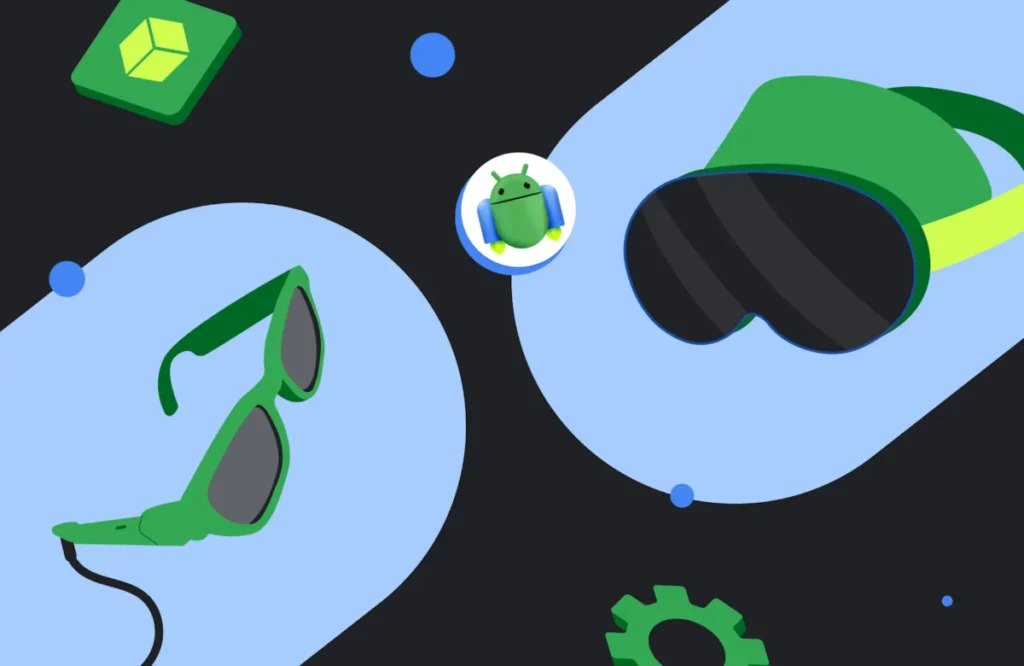
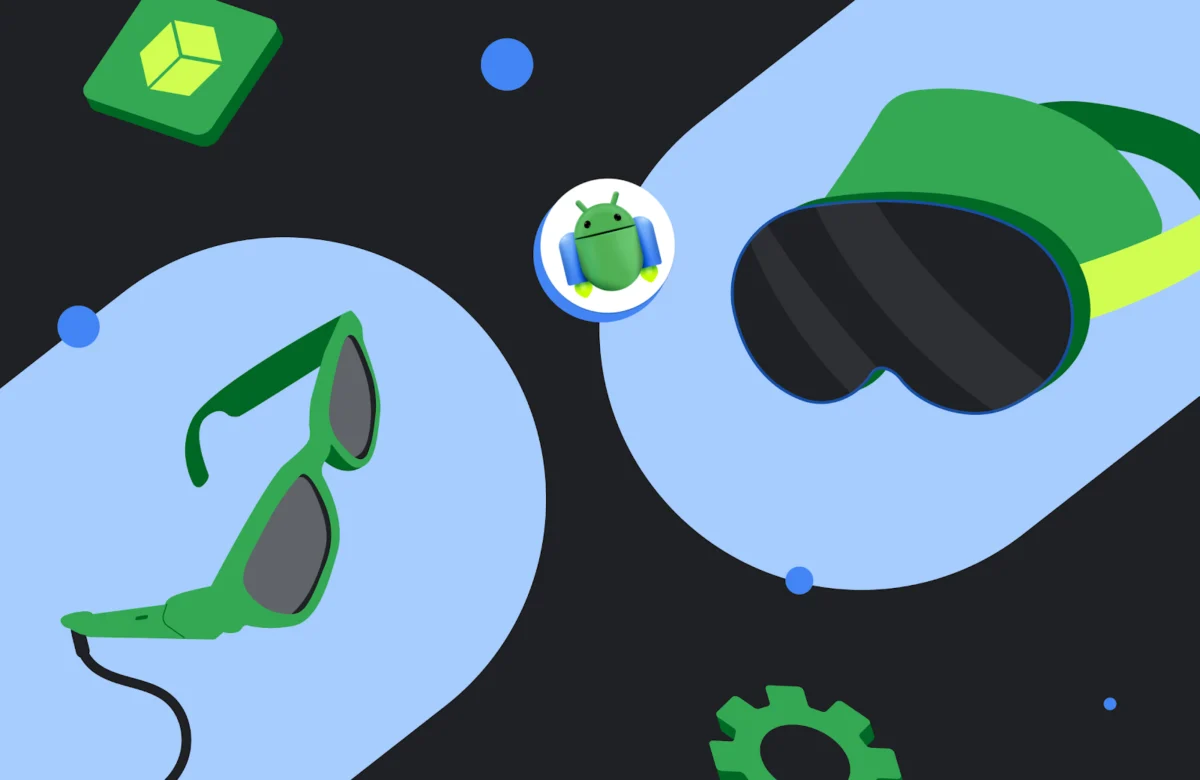
The landscape of mobile computing is undergoing a seismic shift. For over a decade, the "screen" has been a two-dimensional portal—a rectangle of glass held in the hand. Today, that paradigm is being shattered by the convergence of Extended Reality (XR) and the ubiquity of the Android ecosystem. Google has officially announced that the Jetpack XR SDK—the foundational toolkit for building immersive applications—has reached its Beta phase. This milestone signals to the global developer community that the tools for creating 3D, spatial, and augmented experiences are no longer experimental; they are ready for production.
With the release of Jetpack SceneCore, ARCore for Jetpack XR, and XR Runtime into beta, Google is providing the scaffolding necessary for developers to bridge the gap between traditional 2D mobile interfaces and the infinite canvas of the physical world.
Main Facts: The Building Blocks of the Future
The move to Beta is a critical inflection point in the software development lifecycle. For developers, "Beta" signifies API stability. It means that the fundamental architecture of the SDK is finalized, allowing teams to build, test, and deploy applications with the confidence that their code won’t be rendered obsolete by breaking changes in the next update.
The Core Components of the Android XR Suite:
- Jetpack SceneCore: This is the heart of the spatial engine. It allows developers to place 3D content, manage spatial panels, and interact with the physical environment. It simplifies the complex math of 3D rendering into the familiar Android development pattern.
- ARCore for Jetpack XR: By integrating the world-leading ARCore platform into the Jetpack ecosystem, Google is enabling developers to anchor digital objects to the real world with unprecedented precision, leveraging light estimation and environmental understanding.
- XR Runtime: This layer manages the system-level interactions between the application and the XR hardware, ensuring that spatial apps behave consistently across different devices, whether they are high-end headsets or lightweight wired XR glasses.
- Jetpack Compose for XR (Alpha): While the other components have hit Beta, the inclusion of Jetpack Compose for XR—currently in Alpha—is the "force multiplier." It allows developers to use declarative UI patterns to build spatial interfaces, drastically reducing the barrier to entry for mobile developers looking to enter the 3D space.
Chronology: From Concept to Production
The journey to this beta release has been a rapid, iterative process fueled by intensive developer feedback.
Early 2024: The Vision: Google first teased the Android XR initiative, aiming to standardize the fragmented XR landscape. The goal was simple but ambitious: allow an Android developer to use the same Kotlin and Java skills they use for smartphone apps to build for headsets.
Mid-2024: The Developer Preview: The initial preview releases were launched to gauge interest and identify pain points. Thousands of developers began experimenting with the SDK, porting 2D apps into "floating panels" and testing basic 3D interactions.
Late 2024: The Refinement Phase: The transition to Beta was heavily informed by the community. Developers noted that the original API naming conventions and state-management systems needed refinement to handle the latency requirements of spatial computing. Google’s engineering teams spent the last quarter streamlining these APIs, ensuring that the transition from a traditional Activity to an XRActivity felt intuitive.
Today: The Beta Launch: As of the current release, the SDK is considered feature-complete for the core 1.0 cycle. The focus has shifted from "How do we build this?" to "How do we optimize this for performance and scale?"
Supporting Data: Why the Shift Matters
The move to Beta comes at a time when the XR hardware market is reaching a critical mass. Unlike the niche AR/VR markets of the mid-2010s, modern XR is characterized by:
- Hardware Diversity: The Android XR ecosystem is designed to support everything from high-fidelity standalone headsets to tethered glasses that offer a "private monitor" experience for productivity.
- Productivity vs. Immersion: Internal data from early adopters suggests that 65% of the most popular early XR apps are productivity-based—tools for multi-tasking, virtual desktop environments, and collaborative whiteboarding.
- The "Kotlin First" Advantage: By leveraging the existing Android library ecosystem, developers are seeing a 40% reduction in development time compared to using proprietary, non-Android-native XR engines. This allows companies to maintain a single codebase that serves both mobile users and XR users simultaneously.
Official Perspectives: The Engineering Philosophy
The team behind the Android XR SDK—Amy Zeppenfeld, Greg Underwood, and Yasmine Evjen—emphasizes that this release is not just about new features; it is about empowerment.

"Our goal is to make the jump to spatial computing feel like a natural evolution of Android development," says the team. "By stabilizing these APIs, we are telling our partners that they can now commit their long-term roadmaps to this platform. We aren’t just building a headset experience; we are building an operating system for the next decade of computing."
The team’s response to the developer community has been centered on the principle of "Familiarity." By keeping the Jetpack library structure intact, they ensure that the learning curve for a developer moving from mobile to XR is measured in days, not months. The feedback loop remains open, with the team explicitly requesting that developers utilize the Issue Tracker to report performance bottlenecks as they begin their production-grade projects.
Implications: The Future of Spatial Computing
The transition of Android XR to Beta has profound implications for the technology industry at large.
1. The Death of the "Walled Garden"
For years, the XR industry has been dominated by proprietary, closed-loop systems. By standardizing XR through the Android Open Source Project and the Jetpack library, Google is creating an open ecosystem. This allows developers to write an app once and deploy it across a variety of hardware manufacturers, including Samsung’s upcoming Galaxy XR devices.
2. The Productivity Revolution
The most significant implication is the transformation of the "workspace." With the Beta SDK, developers can now create multi-window environments that occupy physical space. Imagine an office where your screen isn’t limited by your desk size, but by the physical room you are standing in. The SDK provides the tools to manage these windows with the same window-management APIs used on modern foldable phones.
3. Economic Scalability
For businesses, the cost of entry into XR has historically been prohibitive. Development teams often required specialized C++ or C# experts proficient in gaming engines. By making XR development a standard Android task, companies can utilize their existing mobile development teams. This reduces the cost of entry and allows for a rapid explosion of content on the platform.
4. The Path Ahead: Compose for XR
While the core libraries are in Beta, the Alpha status of Jetpack Compose for XR serves as a teaser for the future. As this component matures, we can expect to see "Spatial UI" become a standard part of the Android design language. Soon, apps will be able to automatically switch from a 2D smartphone layout to a fully volumetric 3D interface, depending on the device the user is holding.
Conclusion: A Call to Action for Developers
The release of the Jetpack XR SDK Beta is more than just a software update; it is an invitation. For the first time, the vast reservoir of Android talent—millions of developers worldwide—has the tools to build for a three-dimensional world without leaving the environment they know.
The hardware is ready, the APIs are stable, and the ecosystem is growing. Whether you are building the next generation of collaborative workspace tools, immersive entertainment, or industrial augmented reality solutions, the path is now open. To begin, developers are encouraged to integrate the new libraries into their build.gradle files, dive into the documentation, and start testing on the Android XR Emulator or the Samsung Galaxy XR hardware.
The digital world is no longer confined to a screen. With Android XR, it is officially everywhere.