Meet High Boy: The Open-Source, Dual-MCU Pocket Powerhouse Aiming to Outpace the Flipper Zero
Main Facts
The landscape of open-source hardware and wireless security testing tools is expanding rapidly, and a new contender has officially stepped into the arena. Developed by High Code, High Boy is an advanced, open-source pocket tool engineered specifically for safely exploring, learning, and experimenting with a comprehensive suite of wireless protocols, including Wi-Fi, Radio Frequency (RF), Near Field Communication (NFC), Infrared (IR), Bluetooth Low Energy (BLE), and General-Purpose Input/Output (GPIO) interfacing.
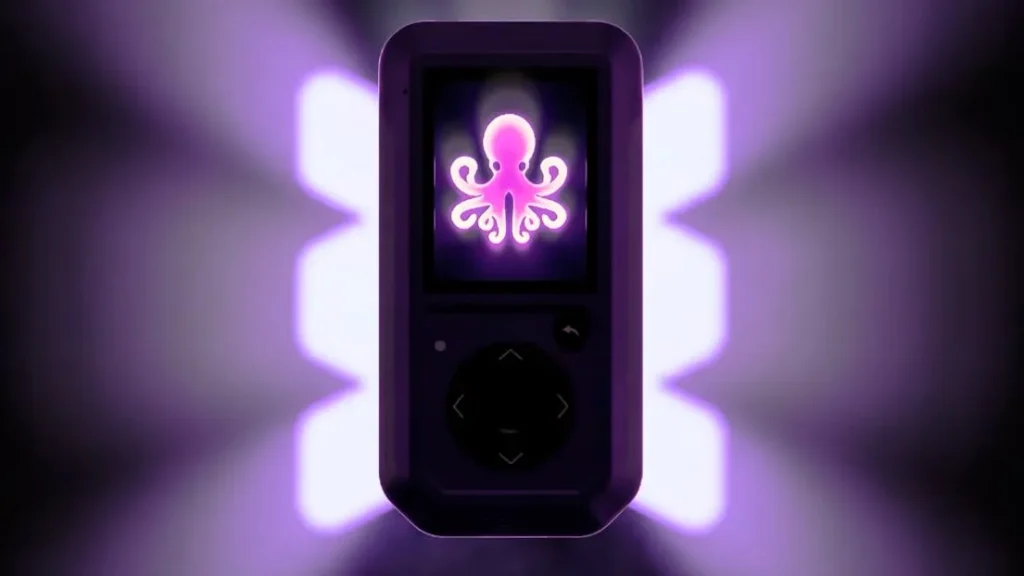
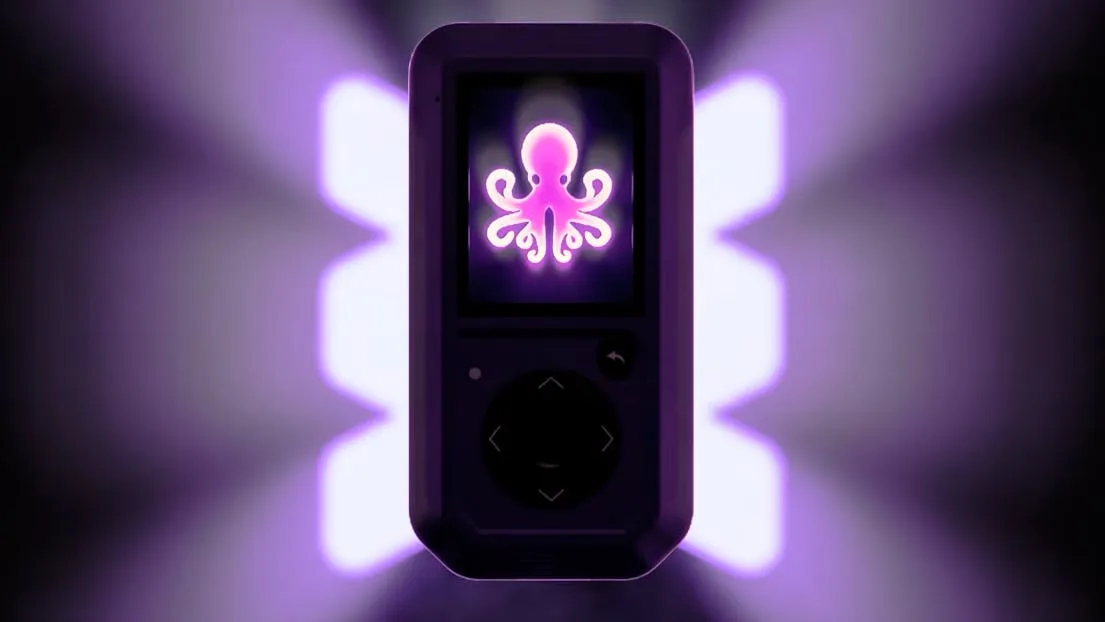
Positioned directly as a modern, highly capable alternative to the wildly popular yet often supply-constrained Flipper Zero, High Boy distinguishes itself through a beefier hardware architecture. While maintaining the compact, portable ethos of multi-tool pocket devices, High Boy packs significantly more processing muscle under the hood, featuring a dual-MCU (Microcontroller Unit) architecture powered by dual ESP32 chips. This dual-processor setup is paired with a vibrant, modern 2-inch color LCD screen, stepping away from monochrome displays to deliver a much richer, more intuitive user interface.
Currently making its debut via a crowdfunding campaign on Indiegogo, the device is capturing the attention of hardware hackers, cybersecurity enthusiasts, makers, and IoT developers alike. With a "super early bird" backing price set at $179, High Boy promises an impressive array of integrated radios and expansion capabilities. For those who have struggled to secure a Flipper Zero due to global shortages, or for advanced users seeking a platform with superior computational overhead and native color graphics, High Boy presents a compelling, open-source evolution in pocket-sized multi-tool technology.
Chronology: From Concept to Crowdfunding Launch
The journey of High Boy reflects the broader evolution of the open-source hardware community, moving away from closed ecosystems or supply-vulnerable devices toward community-driven, highly extensible alternatives.
- Phase 1: Conceptualization and Prototyping (Late 2023 – 2024): As devices like the Flipper Zero captured mainstream attention, developers faced inherent hardware limitations. Many users desired a device capable of heavier computational lifting, simultaneous multi-protocol operations, and a richer graphical user interface without hitting processing bottlenecks. High Code initiated the conceptual phase with a clear goal: build a modular, open-source alternative that doesn’t compromise on raw power or radio capabilities.
- Phase 2: Architectural Selection (2025): To achieve high performance without inflating costs, the engineering team settled on a dual ESP32 MCU architecture. This decision provided robust, widely supported Wi-Fi and BLE capabilities out of the box, while leaving ample processing overhead for handling complex RF sniffing, NFC emulation, and IR signal parsing simultaneously. The team also integrated a 2-inch color LCD panel to overhaul the user experience.
- Phase 3: Mascot and Community Branding (Mid-2025): To foster a strong community identity—reminiscent of the dolphin mascot that popularized its predecessor—High Code introduced "Octobit," a friendly digital mascot designed to appeal to younger makers, students, and veteran engineers alike.
- Phase 4: Indiegogo Campaign Launch (Late 2026): High Boy officially launched its public crowdfunding campaign on Indiegogo, unveiling its finalized specifications, super early bird pricing tiers, and hardware roadmap.
- Phase 5: Anticipated Delivery and Fulfillment (February 2027): Backers who secured the super early bird pricing tier ($179) are slated to receive their units in February, marking the official transition of High Boy from a crowdfunding concept to a physical reality in the hands of global developers.
Supporting Data: Hardware Specifications and Technical Breakdown
To truly understand where High Boy sits in the market, one must examine its technical specifications. The device is built from the ground up to handle multi-threaded wireless tasks that typically bog down single-chip pocket tools.
| Feature / Specification | High Boy Details |
|---|---|
| Primary Processing Unit | Dual ESP32 Microcontrollers (MCUs) |
| Display Interface | 2-inch Color LCD Screen |
| Supported Protocols | Wi-Fi, RF (Sub-GHz/High-GHz ranges), NFC, IR, BLE |
| Hardware Expansion | GPIO breakout for custom sensors, actuators, and modules |
| Platform Nature | 100% Open-Source Hardware and Software |
| Mascot / Branding | Octobit |
| Crowdfunding Price (Super Early Bird) | $179 USD |
| Estimated Fulfillment Date | February (Upcoming Year) |
The Advantage of Dual ESP32 Architecture
Traditional pocket hacking tools often rely on a single microcontroller to juggle user interface rendering, storage management, and active radio transmissions. This can lead to input lag, dropped packets, or system freezes when attempting intensive tasks. High Boy’s dual-MCU design divides and conquers these workloads. One ESP32 can manage the display, user inputs, and operating system interface, while the dedicated second chip handles heavy wireless protocol parsing, sniffing, and transmission.
Comprehensive Wireless Spectrum Coverage
High Boy’s hardware suite covers nearly every common wireless vector utilized in modern consumer electronics and IoT systems:
- Wi-Fi & BLE: Leveraging the native capabilities of the ESP32 chips, the device can scan networks, analyze packets, and experiment with Bluetooth Low Energy environments.
- Radio Frequency (RF): Allows users to capture, analyze, and replay Sub-GHz and RF signals commonly used in garage door openers, automated gates, and legacy remote controls.
- Near Field Communication (NFC): Enables reading, writing, and emulating NFC tags and smart cards for access control and identification testing.
- Infrared (IR): Functions as a universal remote analyzer and controller, capable of capturing IR codes from household appliances and replaying them.
- GPIO Integration: For physical computing enthusiasts, High Boy features exposed GPIO pins. This allows makers to hook up external sensors, displays, and electronic modules, transforming the handheld tool into a portable development board.
Official Responses and Ecosystem Context
The reception of High Boy within the maker community highlights a growing appetite for open-source alternatives in the pocket-tool sector. High Code has emphasized that the project was born out of a desire for transparency, modifiability, and educational accessibility.
In official statements accompanying the Indiegogo campaign launch, the creators noted that High Boy is designed not just for advanced penetration testers, but crucially as a safe educational tool for students and hobbyists wanting to demystify the invisible waves of the digital world. By keeping the hardware and software completely open-source, the developers invite community-driven firmware modifications, security audits, and custom application development.
Industry analysts and educational technologists have also weighed in on the broader ecosystem. While devices like High Boy represent the pinnacle of all-in-one pocket experimentation, experts point out that the barrier to entry for IoT learning remains wonderfully diverse. For absolute beginners on a strict budget, or those looking to take their first steps into microcontroller programming without investing in a multi-protocol handheld, alternative starter kits remain vital.
The ESP32-C6-Zero development kit, for instance, serves as an economical entry point for learning the fundamentals of Internet of Things (IoT) programming and modern wireless protocols. Similarly, standard ESP32 development boards equipped with Wi-Fi, Bluetooth, and upwards of 32 accessible GPIO pins offer students an affordable canvas for prototyping electronics projects on a breadboard. High Boy bridges the gap between these raw, exposed development boards and polished, consumer-grade handheld tools—offering the power of the former inside a protected, highly portable enclosure resembling the latter.
Implications: What High Boy Means for the Future of Portable Hardware
The introduction of High Boy carries significant implications for the hacker, maker, and educational hardware markets.
1. Democratization of Advanced Wireless Testing
As our physical and digital worlds become increasingly intertwined through smart homes, wireless keys, automated industrial controls, and IoT infrastructure, understanding how these signals work is no longer optional for security professionals—it is essential literacy. By lowering the cost barrier and making a high-performance, multi-radio tool widely accessible via crowdfunding, High Boy democratizes access to technology that was once restricted to expensive, enterprise-grade lab equipment.
2. Pushing Back Against Closed Ecosystems
The open-source nature of High Boy stands in direct contrast to proprietary hardware lock-ins. When users own the schematics, firmware code, and expansion documentation, they are empowered to repair, modify, and enhance their devices indefinitely. This counters the planned obsolescence and restrictive software limitations often found in mainstream consumer electronics.
3. Education and Ethical Hacking
Safety and education are core pillars of the High Boy project. By providing students with a tangible tool to visualize Wi-Fi traffic, decode infrared signals, and interact with physical circuits via GPIO, educators can teach complex cybersecurity and networking concepts through hands-on experimentation. When learners can physically see and manipulate radio waves in real-time, abstract networking protocols transform into concrete, understandable principles.
4. Market Competition and Innovation
The arrival of a well-resourced, dual-MCU competitor to devices like the Flipper Zero signals a maturing market. Competition breeds innovation; as user expectations rise regarding screen quality, processing power, and multi-radio stability, future iterations of all pocket tools will be forced to match or exceed these elevated benchmarks.
As the February delivery window approaches, the eyes of the global maker community will be fixed on High Code’s creation. Whether High Boy ultimately redefines the standard for open-source pocket tools or sparks a wave of even more powerful successors, its arrival marks an exciting milestone in the democratization of wireless hardware experimentation.