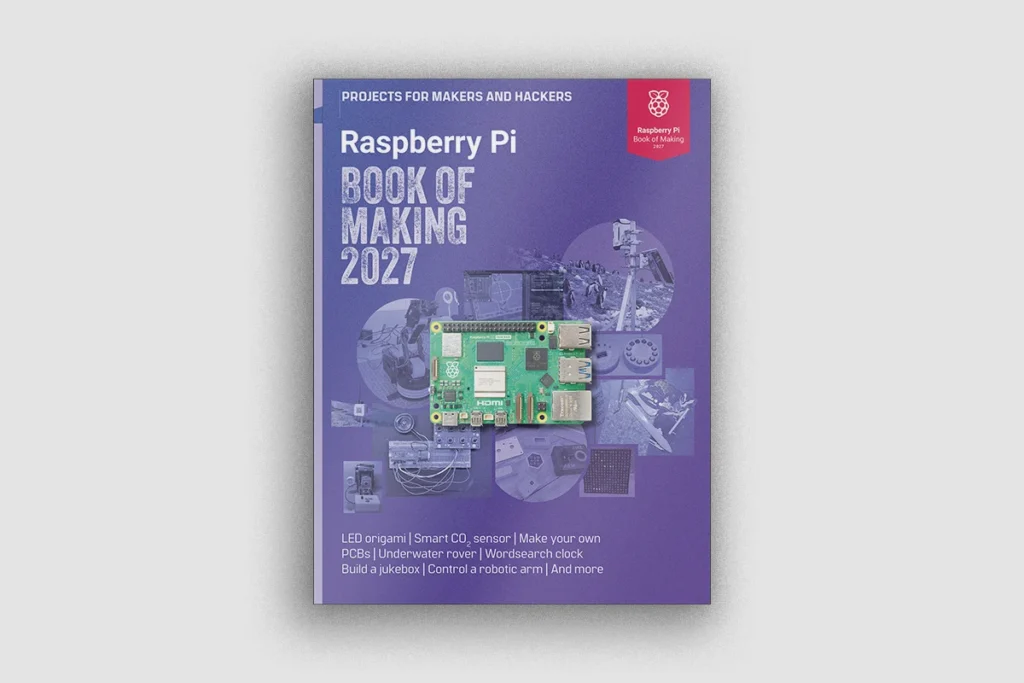
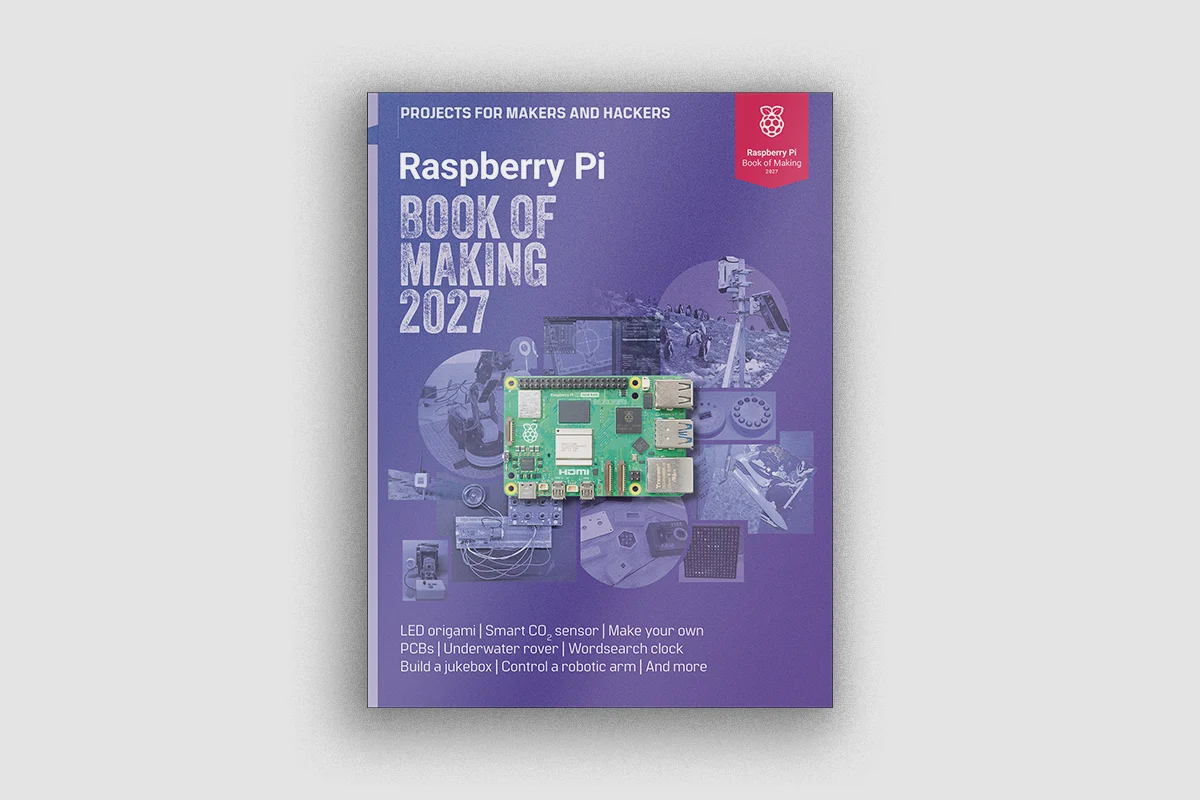
CAMBRIDGE, UK — As the autumn air turns crisp and the veil between the worlds of the living and the dead supposedly grows thin, makers around the globe are taking matters into their own hands. Eschewing passive, store-bought decorations that lack dynamic engagement, the DIY electronics community is turning to low-cost, high-performance microcontrollers to breathe kinetic life into the spooky season.
Drawing from the pages of the newly released Raspberry Pi Book of Making 2027, engineers and hobbyists alike are demonstrating how an inexpensive $4 Raspberry Pi Pico, a handful of hobby servos, and a basic distance sensor can transform an inexpensive plastic skeleton into an interactive, motion-activated terror.
This project serves as a prime example of accessible modern engineering, marrying lightweight MicroPython programming with physical computing to democratize the once-exclusive realm of high-end prop-making.
Main Facts: Anatomy of a Low-Cost Electronic Spectacle
At its core, the automated Halloween skeleton project showcases the power of rapid prototyping using commodity hardware. Rather than relying on bulky, expensive industrial controllers or complex desktop computer setups, the build centers entirely on the Raspberry Pi Pico—a compact microcontroller known for its reliability and ease of use.
Key Components Used in the Build:
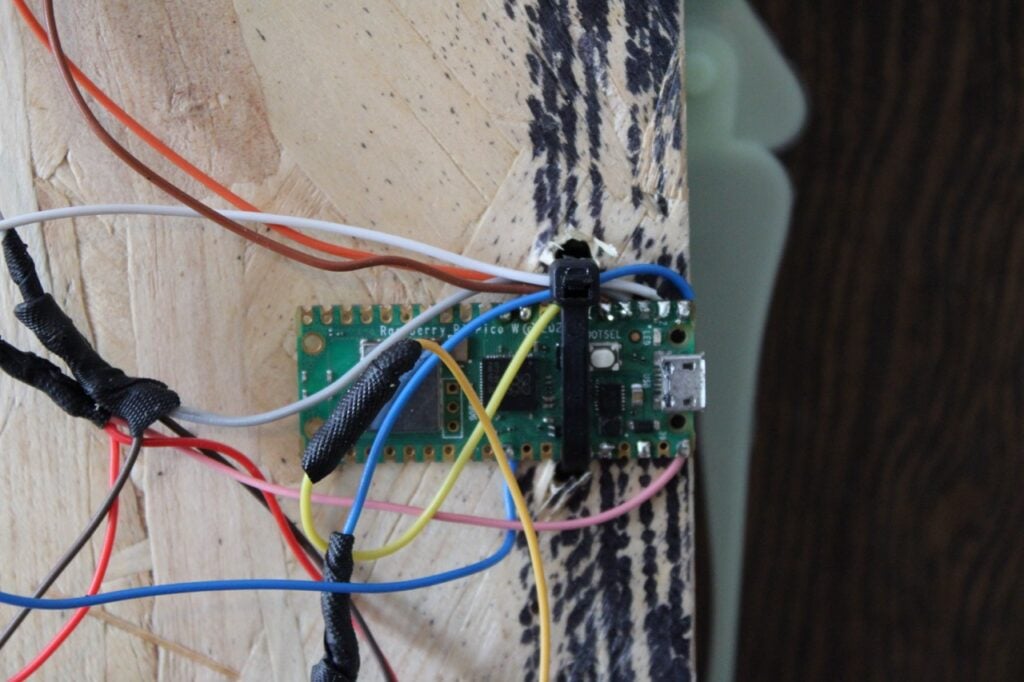
The Controller: A Raspberry Pi Pico (or Pico W, though wireless capabilities are optional for this standalone local installation).
The Subject: A budget-friendly 90cm 2D glow-in-the-dark skeleton (typically sourced online for around £3), specifically selected because its joints operate within a single plane, greatly simplifying mechanical actuation.
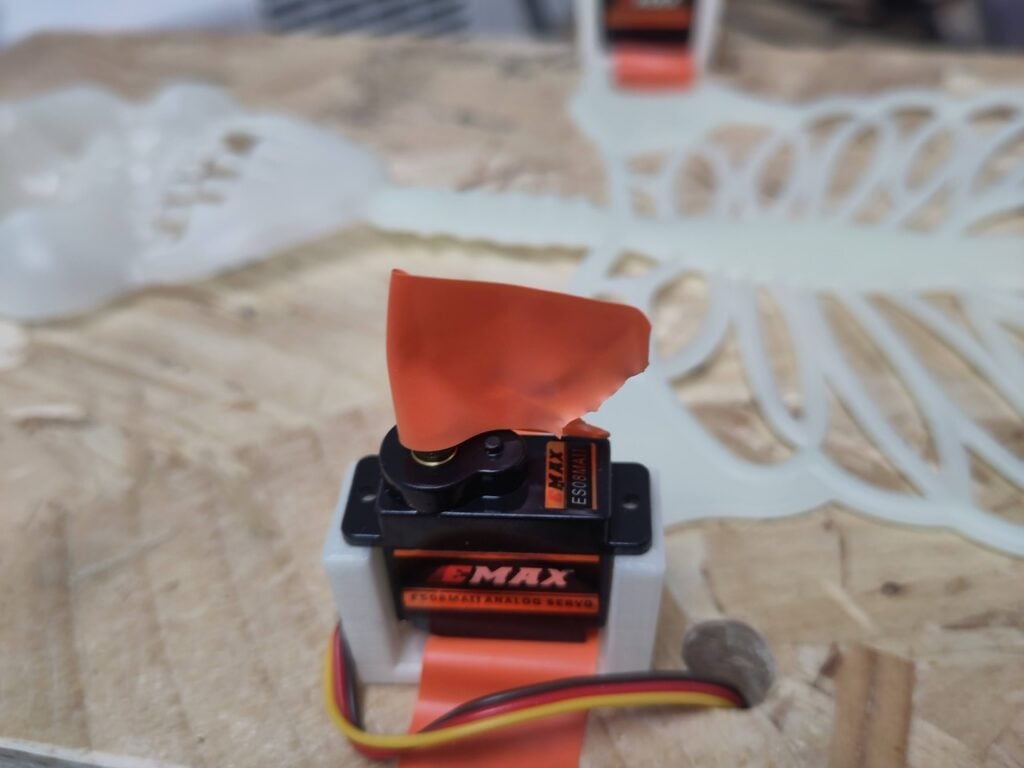
The Actuators: Four 9g hobby servos, designated to control the shoulder and hip joints while leaving the elbows and knees loose for realistic, flailing movement.
The Sensor: A Sharp GP2Y0A02YK analog distance sensor, capable of detecting approaching trick-or-treaters up to 1.5 meters away.
The Visuals: Two 12mm WS2811 addressable RGB LEDs integrated into the eye sockets to emit an ominous, cinema-standard red glow.
The Structural Base: A rigid piece of Oriented Strand Board (OSB) or plywood painted matte black to seamlessly blend into night environments.
By integrating these disparate elements into a unified system, makers can construct a responsive prop that reacts autonomously to human presence without requiring manual remote controls or pre-recorded loops.
Chronology: From Box of Bones to Interactive Apparition
Building an automated skeleton requires a methodical, step-by-step approach that bridges woodworking, electrical wiring, and software configuration.
Phase 1: Structural Preparation and Sourcing
The process begins with the physical disassembly of the plastic skeleton. Because standard 3D skeletons present complex, multi-axis movement that is notoriously difficult to actuate cleanly with basic servos, builders must source a 2D variant.
Once acquired, the limbs are popped out of their pin-and-socket joints. The builder then prepares a sturdy wooden backing board (minimum 45 × 21 cm), painting it black to ensure the structural supports remain invisible in low-light conditions. Holes are drilled strategically: 12mm apertures for the eye LEDs, 10mm wire-management channels near the joints, and mounting points for the microcontroller and actuators.
Phase 2: Mechanical Integration
Servos operate by rotating to a precise angle—typically a 180-degree range—based on signals sent from the microcontroller. To mount them securely:
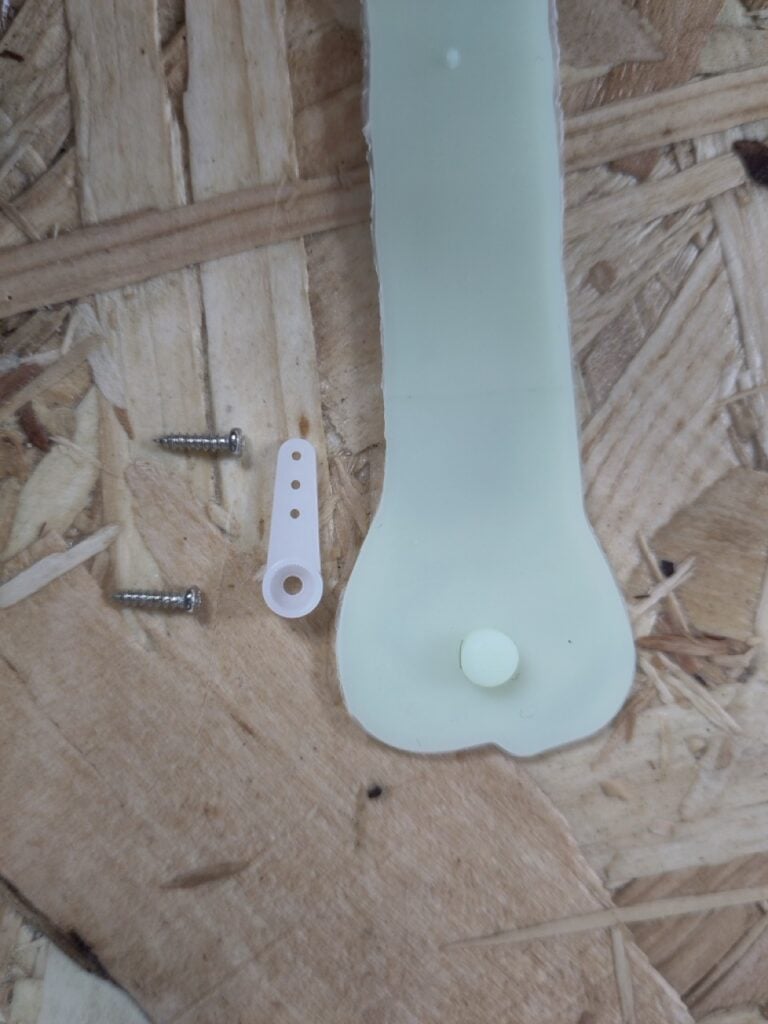
Single servo "horns" are screwed directly into the limbs immediately adjacent to the original articulation points.
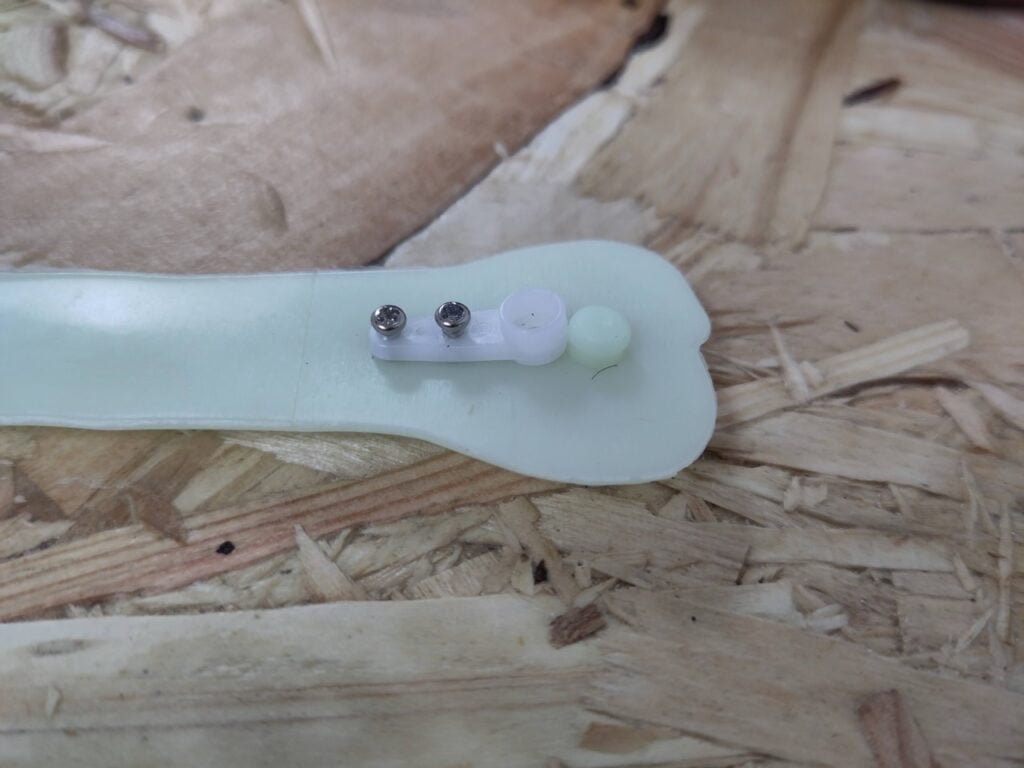
The servo bodies are anchored to the wooden backing board using 3D-printed mounts or flush-cut housing pockets secured with hot glue.
Technicians must take care to position the servo drive shafts correctly before locking down the physical linkages to prevent mechanical binding.
Phase 3: Circuitry and Power Distribution
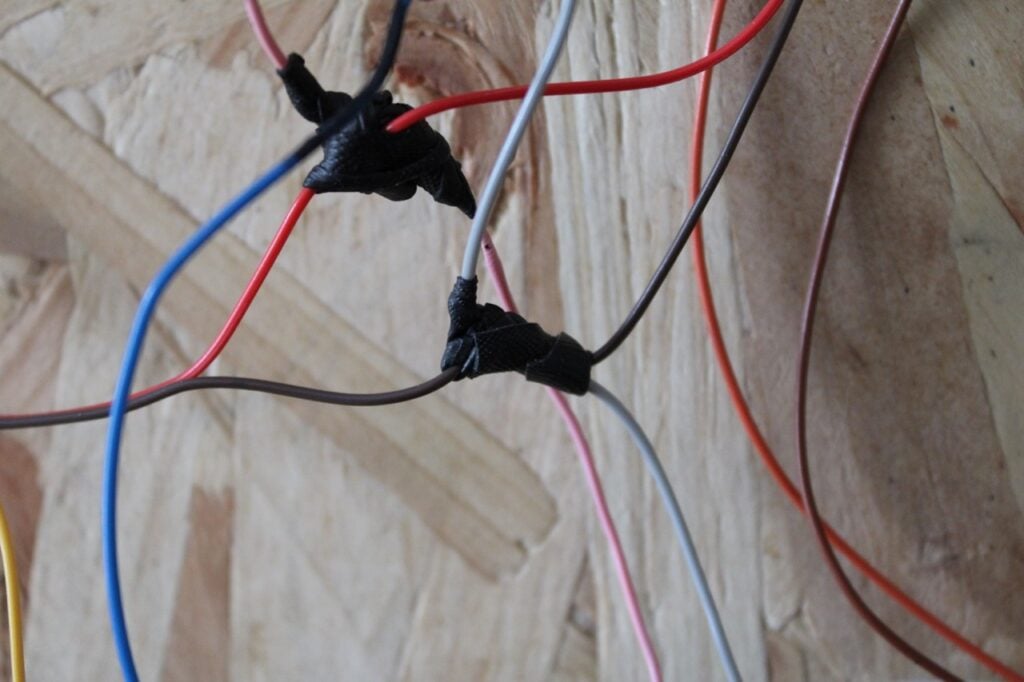
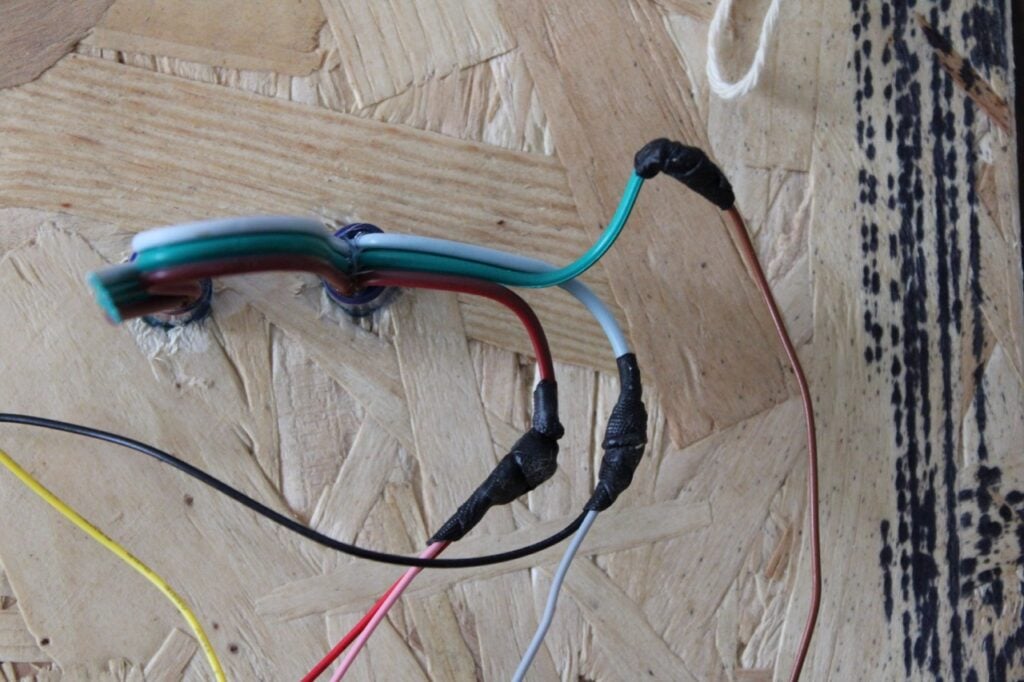
Wiring four servos, an analog distance sensor, and addressable LEDs requires careful power management. Because all peripheral devices draw from the Raspberry Pi Pico’s single VBUS 5V output, builders must execute clean multi-way solder joints, insulated with self-amalgamating tape, to distribute power and ground safely.
The distance sensor is hooked up to analog pin GPIO 26, while the data line for the eye LEDs connects to GPIO 5.
Phase 4: Software Deployment and Calibration
With the hardware assembled, the system relies on MicroPython to interpret sensor data and drive the servos. Using the Thonny IDE, developers install the MicroPython firmware alongside a dedicated servo library.
Initial test scripts are executed to calibrate the "up" and "down" angles of the limbs, ensuring that the physical range of motion matches the software parameters. Once calibrated, the final control script is saved as main.py, enabling autonomous operation the moment power is applied.
Supporting Data: Technical Specifications and Power Demands
When designing custom microcontroller projects intended for continuous outdoor or public display, power consumption and sensor reliability are critical metrics.
Component
Operating Voltage
Current Draw / Signal Type
Function
Raspberry Pi Pico
1.8V – 5.5V
~20mA–50mA (Base)
System logic and script execution
9g Servo (×4)
4.8V – 6V
~100mA–600mA (Under load)
Limb articulation (Hips and shoulders)
Sharp GP2Y0A02YK
4.5V – 5.5V
~33mA
Analog distance detection (Up to 1.5m)
WS2811 LED (×2)
5V
~20mA–60mA (Full white/color)
Illuminated eye sockets
Engineering Considerations:
Power Budgeting: While a standard USB power supply rated at 2A is sufficient for the baseline configuration outlined in the project, makers adding extra lighting effects or higher-torque servos are strongly advised to integrate an independent external power supply to prevent voltage sags and microcontroller resets.
Sensor Limitations: The Sharp analog distance sensor provides a reliable voltage gradient relative to proximity, but features a relatively narrow field of view. While alternatives like Passive Infrared (PIR) sensors offer wider coverage, they are prone to false triggers, making the analog distance approach preferable for precise threshold activation.
Official Responses and Community Impact
The release of the Raspberry Pi Book of Making 2027 has reignited discussions within the maker community regarding the evolving role of microcontrollers in holiday traditions. Raspberry Pi educational representatives emphasize that projects like the animated skeleton are specifically designed to bridge the gap between abstract computer science and tangible, real-world engineering.
"We constantly strive to present an eclectic mix of DIY electronics, 3D printing, and physical computing that inspires both novices and seasoned hackers," notes the editorial team behind the publication. "By demonstrating how a $4 chip can control kinetic motion and sensor input in a fun, accessible context, we hope to encourage the next generation of engineers to tackle more ambitious embedded systems projects."
Educators and hobbyist group leaders have similarly praised the project for its modularity. Because the core logic relies on standard Python libraries and straightforward GPIO manipulation, students can easily adapt the code to alter movement sequences, integrate audio output via wave shields, or expand the lighting arrays for more elaborate theatrical displays.
Implications: The Democratization of Public Art and Animatronics
The trend toward microcontroller-driven holiday installations reflects a broader shift in modern culture: the democratization of high-end animatronics. Historically, building synchronized physical props required proprietary industrial automation gear, expensive programmable logic controllers (PLCs), or advanced pneumatics accessible only to professional theme park designers and Hollywood special effects studios.
Today, platforms like the Raspberry Pi Pico lower the barrier to entry to mere pocket change. This technological shift carries several notable implications:
STEM Education Engagement: Seasonal projects serve as effective "trojan horses" for technical education. Students who might otherwise be hesitant to engage with electronics or coding are motivated to learn soldering, circuit design, and programming logic when the end result is an interactive, eye-catching spectacle.
Sustainability and Upcycling: By taking inexpensive, mass-produced plastic novelities—such as a £3 skeleton—and augmenting them with durable microcontrollers and custom mounts, makers extend the lifecycle of disposable consumer goods through localized repair and modification.
The Rise of Hyper-Local Interactive Design: Neighborhood displays are transitioning from static, silent decorations to dynamic, responsive installations. As sensors become cheaper and microcontrollers more capable, interactive public art is no longer confined to museums and galleries—it is increasingly found on suburban front porches every October.
Availability
The project detailed above is just one of dozens featured in the new compendium. The Raspberry Pi Book of Making 2027 is currently available from the official Raspberry Pi Press online store at a special introductory price of £9.99 (reduced from £14), as well as through major online booksellers including Amazon US and UK. Digital editions in PDF and ePUB formats are also accessible via the revamped Raspberry Pi bookshelf application for readers seeking immediate electronic access.