Code-Driven Horticulture: How OpenSCAD is Revolutionizing Vertical Garden Design
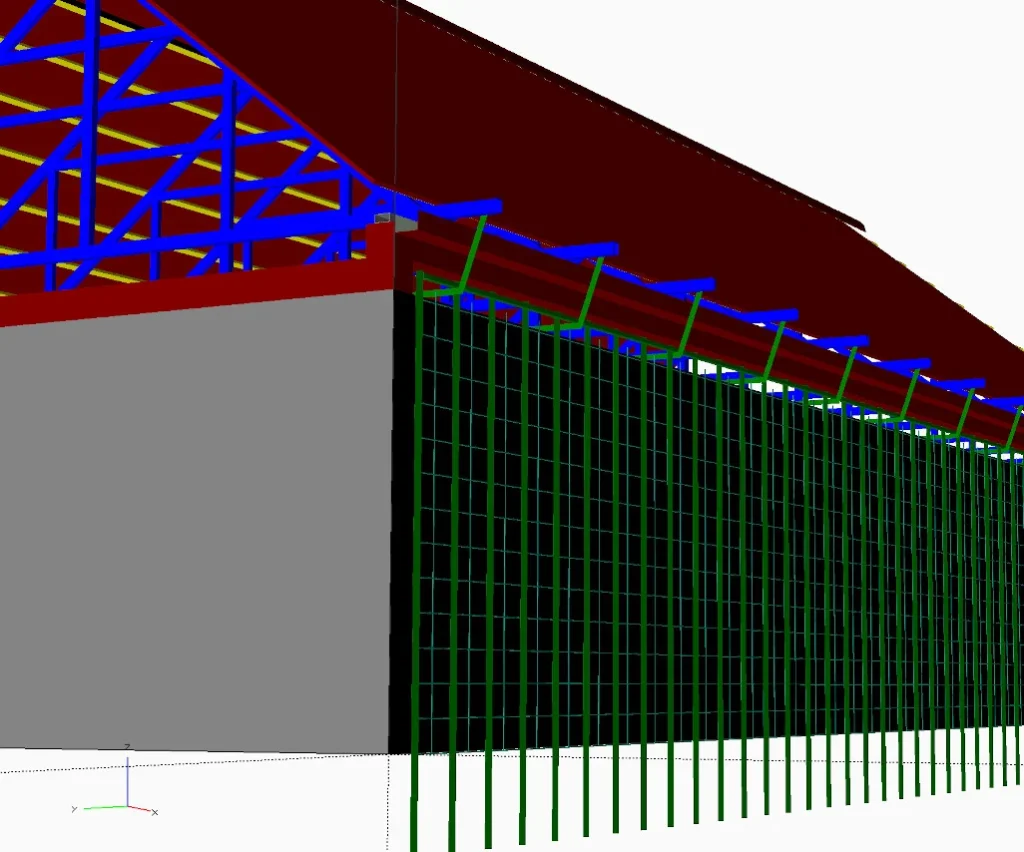
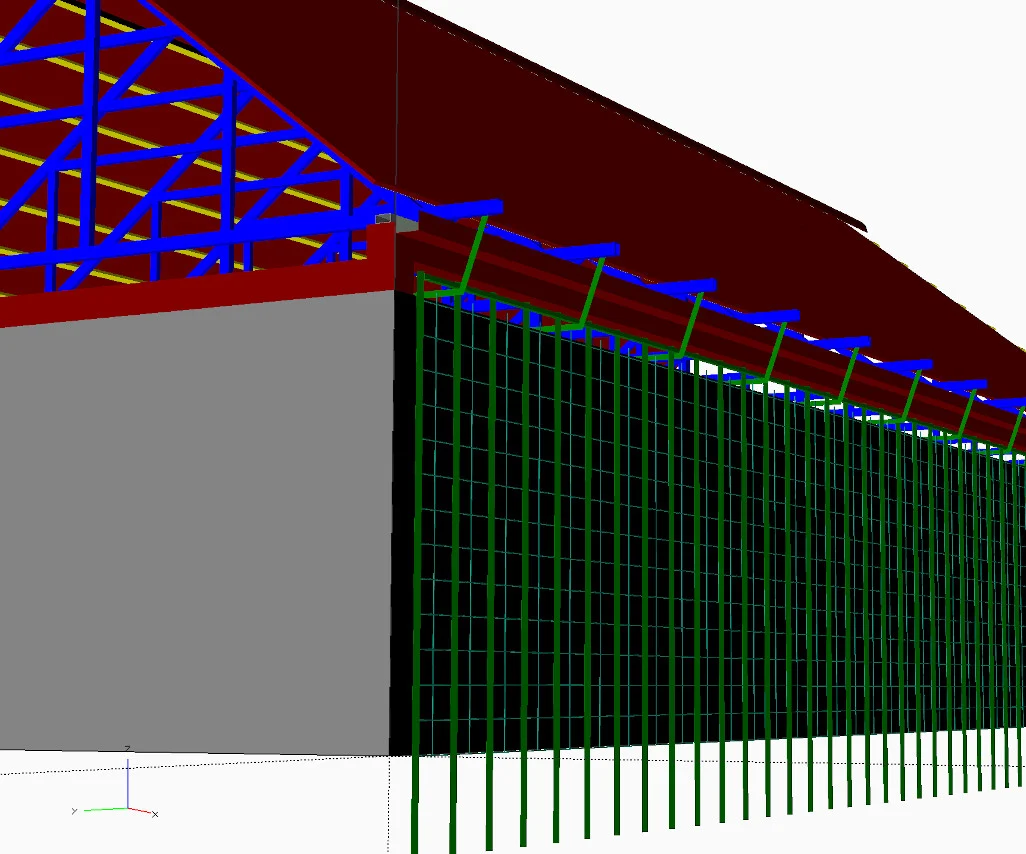
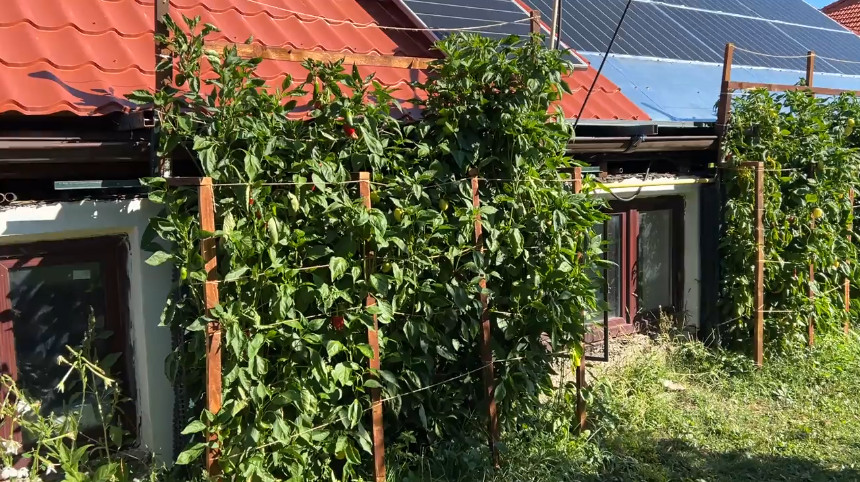
In the intersection of software engineering and traditional agriculture, a curious anomaly has emerged. Usually, a vegetable garden is the antithesis of the "hacker" ethos—a domain of soil, sunlight, and manual labor, devoid of microcontrollers, sensors, or automated irrigation. However, Mihai Oltean, a developer and gardening enthusiast, has bridged this divide. His recent project, a flourishing vertical pepper garden mounted to the side of his home, was not conceived through hand-drawn sketches or trial-and-error construction, but through the rigorous, logic-driven environment of OpenSCAD.
This project represents a shift in how we approach DIY home infrastructure. By utilizing code to generate a 3D model of a physical space, Oltean has demonstrated that the "hacker" mindset—characterized by modularity, precision, and iterative design—is as applicable to carpentry and landscaping as it is to PCB design or CNC machining.
The Core Concept: From Script to Soil
The defining characteristic of this project is its reliance on OpenSCAD, a script-based 3D modeler that is a staple in the open-source hardware community. Unlike traditional CAD software that relies on mouse-driven graphical interfaces, OpenSCAD allows users to define objects through programmatic logic.
Oltean’s approach was not to automate the growth of the plants, but to automate the engineering of the garden’s architecture. By writing a parametric script, he was able to visualize the structural requirements of his vertical garden before a single piece of metal or wood was cut. The GitHub repository for this project acts as a blueprint for a scalable, modular vertical wall.
Why OpenSCAD?
For many engineers, the "code-centric" workflow of OpenSCAD provides a level of control and predictability that graphical CAD tools lack. In this project, the goal was simple: to plan how all the parts of the system would fit together in a space-constrained environment. By defining variables for height, depth, and the diameter of mounting hardware, Oltean created a flexible model that could be adjusted with the change of a single integer.
Chronology: The Evolution of a Digital Garden
The timeline of Oltean’s project reflects a deliberate move toward "measure twice, cut once" efficiency.
Phase I: The Conceptual Foundation
The project began with a desire to maximize yield in a limited footprint. Recognizing the spatial limitations of his home’s exterior, Oltean identified vertical gardening as the solution. However, rather than purchasing a pre-made kit, he sought to create a bespoke, durable frame that could withstand environmental stressors.
Phase II: Virtual Prototyping
Instead of purchasing materials prematurely, Oltean began the virtual assembly. He realized that a complex, multi-part project—specifically one involving metal extrusions and mounting hardware—required careful planning to avoid structural failure. Over several weeks, he drafted the OpenSCAD files, meticulously building a digital twin of the garden.
Phase III: Library Implementation and Hardware Selection
While existing libraries like NopSCADlib are often used to handle common components like screws, nuts, and washers, Oltean opted for a custom approach. He implemented his own virtual versions of the physical hardware, ensuring that the model precisely matched the specific dimensions of the metal extrusions he intended to buy. This phase ensured that when the physical assembly began, there would be no "gotchas"—no bolt too short, no bracket misaligned.
Phase IV: Physical Construction
With the virtual model finalized and verified, the transition to physical construction was remarkably streamlined. The assembly process followed the script’s logic, transforming raw, store-bought materials into a cohesive, structural unit. The result was a robust, vertical growing system that supported a healthy crop of peppers, all grown without a single sensor or line of code touching the actual biological process of plant growth.
Supporting Data: The Value of Virtual Modeling
The efficacy of this method is backed by a growing trend in the maker community toward virtual pre-assembly. As noted in recent documentation regarding the modeling of CNC control cabinets, the cost of error in physical construction is significantly higher than in a virtual environment.
| Feature | Traditional Approach | Code-Driven Modeling |
|---|---|---|
| Material Wastage | High (Trial and Error) | Minimal (Verified Dimensions) |
| Iterative Speed | Slow (Physical Refits) | Fast (Script Adjustments) |
| Structural Integrity | Variable | Calculated/High |
| Customizability | Low | High (Parametric) |
By treating the garden as a "complex multi-part project," Oltean minimized the likelihood of structural interference. The metadata associated with his OpenSCAD script reveals a sophisticated understanding of geometric constraints, allowing for the inclusion of washers and fasteners in a way that respects the real-world tolerances of the materials used.
Official Perspectives and Community Response
The response from the tech and gardening communities has been one of intrigue. The project has sparked discussions on platforms like Hackaday, where enthusiasts have praised the cross-pollination of disciplines.
"It’s not just about the peppers," one community observer noted. "It’s about the methodology. We spend so much time modeling electronics that we forget the physical space we live in is just as much of an engineering challenge."
Mihai Oltean’s contribution has been recognized as a "fantastic example" of applying high-level engineering practices to domestic needs. By open-sourcing the design files on GitHub, he has provided a framework that others can replicate, modify, or scale depending on their specific site requirements. The community sees this as a benchmark for how hobbyists can leverage free software to solve real-world logistical problems.
Implications for Future Home Infrastructure
The implications of this project extend far beyond the backyard. As urban environments become more densely populated, the need for efficient, vertical food production will only increase. By applying the rigor of CAD and software version control to agriculture, we may see a new generation of "open-source urban farmers."
1. The Democratization of Custom Engineering
OpenSCAD lowers the barrier to entry for custom structural design. By providing a template that is easy to modify, Oltean has made it possible for a novice with basic computer literacy to design a structure that is both aesthetically pleasing and structurally sound.
2. Sustainability Through Precision
Waste reduction is a critical component of sustainability. By modeling the garden in its entirety before purchasing materials, users can calculate exactly how much metal, plastic, or wood is needed. This reduces the carbon footprint associated with over-purchasing and discarded scrap material.
3. The Future of "Smart" Gardening
While Oltean’s garden is currently a "dumb" system in the electronic sense, the digital foundation he has laid is perfectly primed for future upgrades. A 3D model in OpenSCAD can easily be updated to include sensor mounts for moisture, pH, or sunlight levels. The structure is now a platform upon which "high-tech trickery" can be built at a later date, should the owner choose to add it.
4. A Philosophical Shift in DIY
The most profound implication is philosophical: the realization that the boundary between the digital and physical is increasingly porous. We no longer just "build" things; we "render" them, "simulate" them, and then "realize" them. This project serves as a manifesto for the modern hobbyist, proving that the tools used to design a computer can, and should, be used to design the environments in which we live and feed ourselves.
In conclusion, Mihai Oltean’s vertical pepper garden is more than a horticultural experiment. It is a testament to the power of structured, logical design. By choosing to model his reality before living in it, he has created a system that is as robust as it is bountiful. Whether or not one is interested in gardening, the underlying method—the marriage of code and construction—is a blueprint for the future of the maker movement. As we move toward more integrated, high-tech living spaces, the ability to "script" our physical surroundings will likely become an essential skill for the modern individual.