Tesla Deploys "Emergency Drive Away" Feature Following High-Profile Supercharger Security Incident
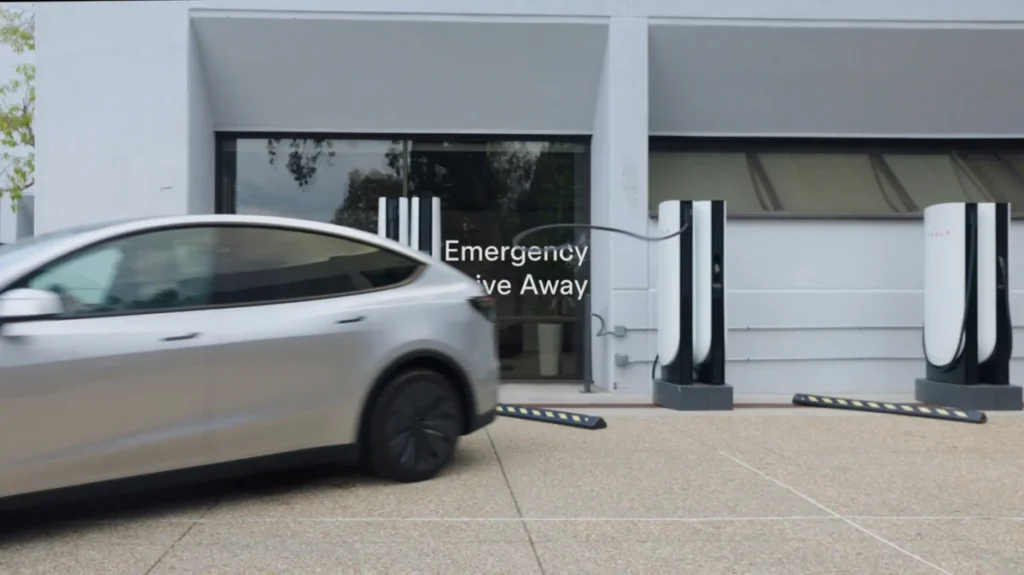
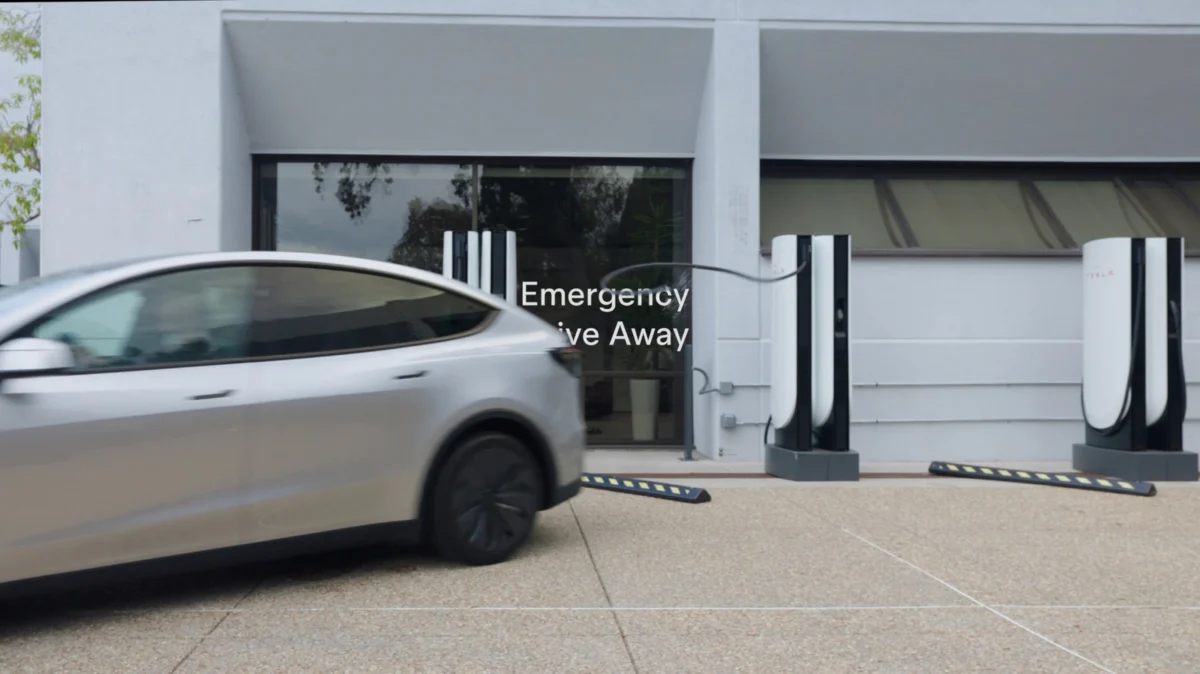
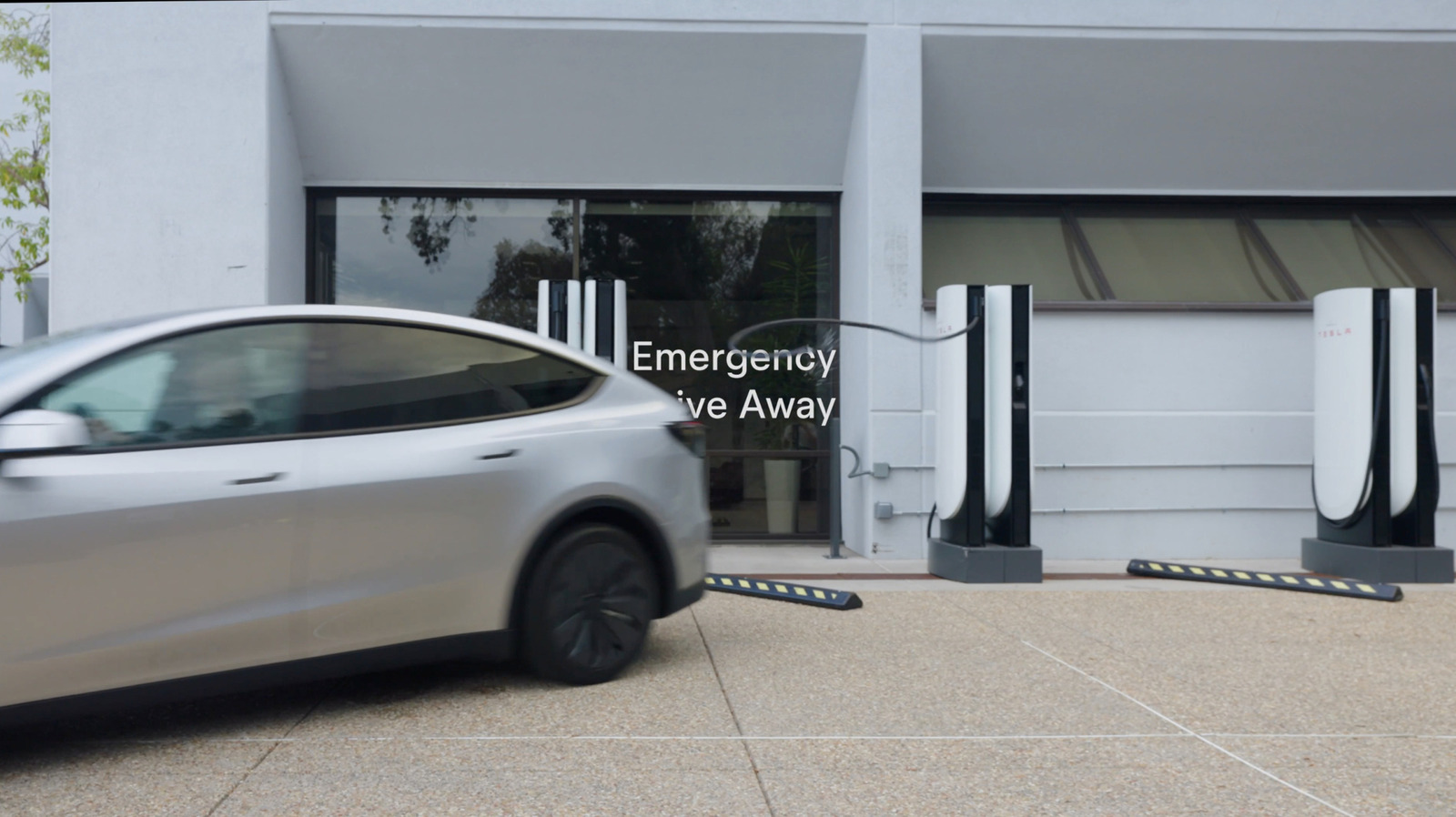
In a significant update to its vehicle software, Tesla has officially rolled out an "Emergency Drive Away" feature, designed to allow drivers to shift into gear and depart from a charging stall even while the charging cable remains connected to the vehicle. The update, which follows intense public pressure and advocacy from the Tesla community, aims to provide an essential safety escape route for drivers facing life-threatening situations at public charging stations.
The feature is currently being deployed to vehicles across the United States. While the move has been largely praised as a vital security enhancement, Tesla has issued stern warnings regarding its use, citing both the potential for significant physical damage to infrastructure and the risk of severe financial penalties for misuse.
The Catalyst: A Security Crisis in Twin Falls
The impetus for this development dates back to a harrowing incident in August 2026. A Tesla driver, operating the vehicle as a taxi, was charging at a Supercharger station located at an In-N-Out Burger in Twin Falls, Idaho, when they were shot inside the cabin.
In the immediate aftermath of the shooting, the incident highlighted a critical design limitation: the standard operating procedure for a Tesla requires the charge port to be unlocked—either through the vehicle’s infotainment screen, the Tesla mobile app, or a button on the charging handle—before the car can be shifted into Drive. In a high-stress, life-or-death scenario, the seconds required to navigate software menus or fumble with manual releases can be the difference between life and death.
The news of the Twin Falls attack sent shockwaves through the Tesla owner community. Owners took to social media platforms, including X (formerly Twitter) and various enthusiast forums, to demand a "panic mode" or emergency override system. The consensus was clear: the convenience of a locked-in cable, designed to prevent theft or accidental disconnection, had become a liability in the face of violent crime.
How the Emergency Drive Away Feature Functions
Tesla’s solution, officially announced on October 1, 2026, provides a streamlined, albeit restricted, bypass of the standard locking mechanism.
Operational Mechanics
When a driver needs to evacuate a charging stall in an emergency, the process is as follows:
- The Override: If the vehicle is in "Park" with the cable attached, shifting into "Drive" will trigger an immediate, high-priority notification on the vehicle’s central infotainment touchscreen.
- The Warning: The screen displays a clear, unambiguous warning that the vehicle is still physically tethered to the Supercharger. It cautions the driver that moving the vehicle under these conditions will result in structural damage to both the car’s charge port and the Supercharger cable and equipment.
- Activation: To bypass the lock, the driver must hold the brake pedal and tap an "Activate" button on the screen.
- The Departure: Once activated, the vehicle allows the driver to shift into gear and accelerate away, effectively ripping the charging cable from the station’s housing or the car’s port, depending on the force applied and the specific equipment state.
Eligibility and Technical Constraints
As of the current rollout, the feature is subject to several limitations:
- Regional Availability: The feature is exclusively limited to Superchargers within the United States.
- Hardware Compatibility: Owners of legacy Tesla vehicles—specifically pre-2021 Model S and Model X units—are currently not supported. This is likely due to differences in the electronic control units (ECUs) and the physical locking hardware installed in older generations of the fleet.
- Software Requirements: The feature requires the latest over-the-air (OTA) software update to function.
Implications for Infrastructure and Liability
The introduction of this feature has sparked a debate regarding the delicate balance between personal safety and the protection of expensive public infrastructure.
The Financial Risk of Misuse
Tesla has been explicit about the risks associated with the feature. In response to inquiries from the public, the company noted that unauthorized or non-emergency use of the drive-away feature "will invoke additional penalties."
When pressed for clarification on what these penalties might entail, Tesla’s official channels indicated that the "electrical and civil cost" of damaging a Supercharger station could reach as high as $25,000. This figure accounts for the specialized repair work required to fix high-voltage cabling, the potential for arcing damage, and the temporary loss of utility for other drivers while the stall is offline.
The company has not yet clarified whether they intend to bill drivers for the physical repairs in instances where the feature is used during a verified, life-threatening emergency. This ambiguity remains a point of concern for owners who fear that a split-second decision to flee could result in a crippling financial burden.
Civil and Legal Considerations
Legal experts have noted that the existence of this feature could influence future litigation regarding Supercharger safety. By acknowledging the need for an "Emergency Drive Away" capability, Tesla has implicitly accepted that their charging stations may be vulnerable environments.
For the automotive industry, this sets a precedent. Other EV manufacturers, many of whom rely on similar proprietary locking mechanisms to ensure a secure connection during the high-voltage charging process, may now face increased pressure to implement similar override protocols.
Corporate Responsibility vs. Engineering Integrity
The "Emergency Drive Away" feature represents a departure from Tesla’s traditional philosophy of engineering. Historically, Tesla has focused on "poka-yoke" (mistake-proofing) designs that prevent users from performing actions that could lead to system damage. By explicitly allowing a driver to damage the vehicle and the charging infrastructure, Tesla is prioritizing human survival over asset protection.
Industry analysts observe that this move is a pragmatic, if reactive, approach to brand management. By providing the update, Tesla shields itself from potential negligence claims while acknowledging the evolving reality of the environments in which their vehicles are charged. As EV adoption increases and charging stations move from secluded highway rest stops into urban, high-traffic commercial zones, the risk profile of these locations has undoubtedly shifted.
Future Outlook: A Safer Charging Network?
The deployment of this feature is likely only the first step in a broader conversation about charging station security. Beyond the ability to flee, many Tesla owners have begun advocating for:
- Enhanced Surveillance: Better integration of Sentry Mode with local station security cameras.
- Lighting and Design: Improved lighting and visibility at charging sites, particularly those located at 24-hour commercial hubs.
- Panic Buttons: Physical buttons or digital interfaces that could trigger alarms or alert local law enforcement directly from the charging stall.
For now, the Emergency Drive Away feature serves as a critical, albeit last-resort, safety measure. It is a reminder that as technology advances and infrastructure becomes more deeply integrated into our daily lives, the safety of the user must remain the paramount consideration—even when the result is a damaged cable or a destroyed charging handle.
As the industry watches this rollout, the focus will remain on whether Tesla can maintain the integrity of its Supercharger network while ensuring that its customers have the tools necessary to navigate the increasingly complex and sometimes dangerous environments of modern American infrastructure. Owners are encouraged to update their vehicle software immediately and familiarize themselves with the activation process, ensuring that if an emergency arises, the path to safety is only a few taps away.