The Digital Fitting Room: OpenAI Brings Virtual Try-On Capabilities to ChatGPT
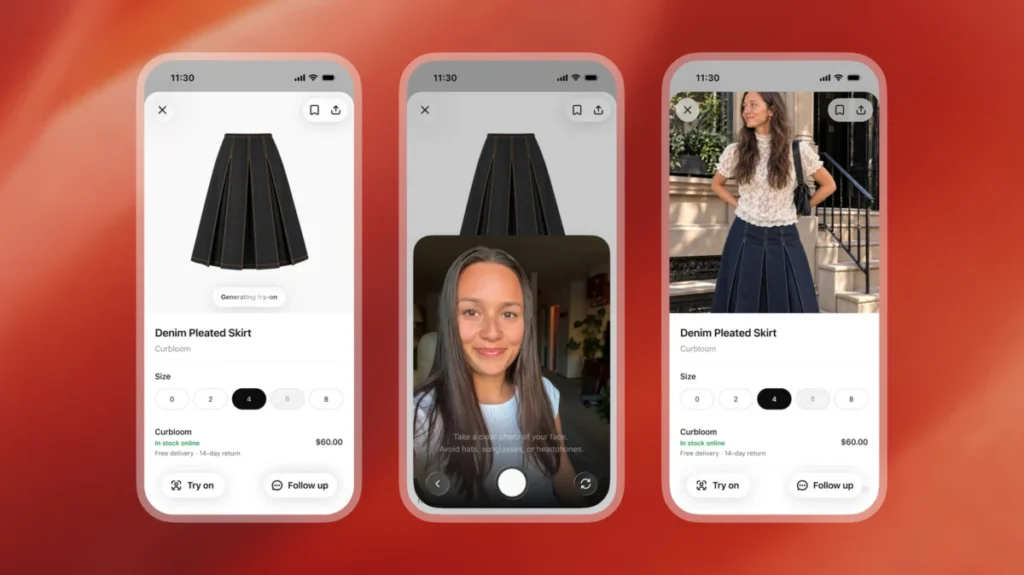
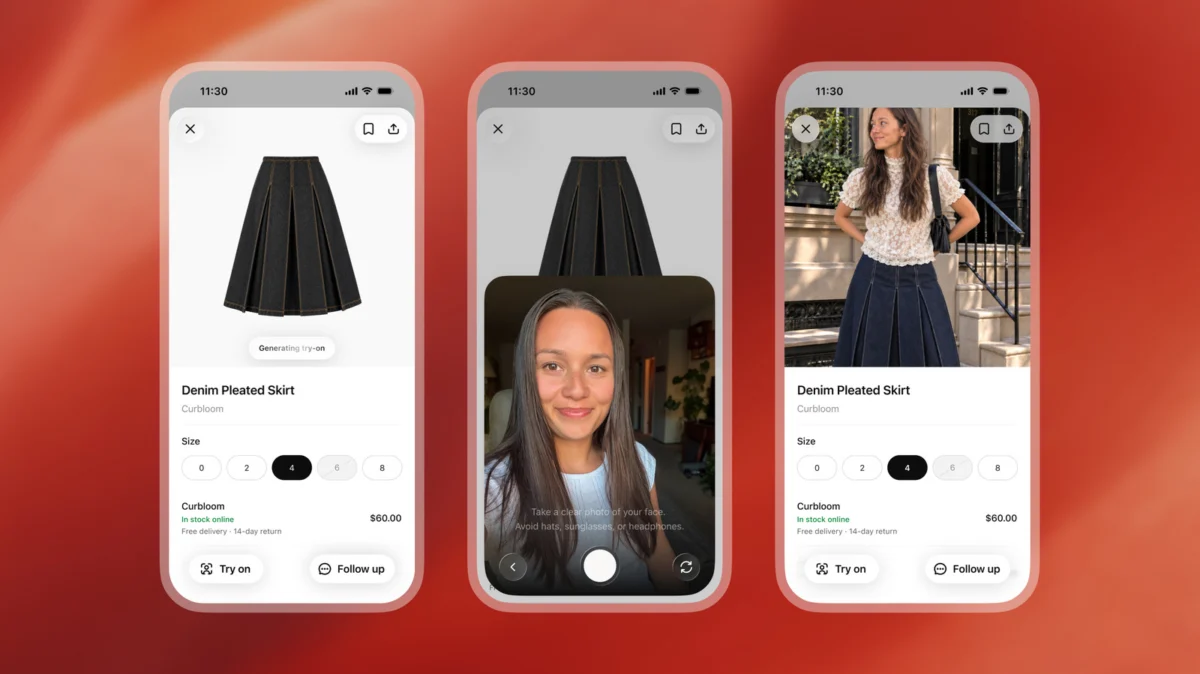
In a significant expansion of its utility-driven features, OpenAI has unveiled a new "Virtual Try-On" capability for ChatGPT, aiming to bridge the gap between AI-driven product discovery and personal retail experiences. Powered by the recently released ChatGPT Images 2.5 model, this functionality allows users to see how specific clothing items look on their own bodies by uploading a combination of product screenshots and personal photographs.
This move marks a bold step for the artificial intelligence giant as it seeks to transform its chatbot from a conversational assistant into a comprehensive shopping companion. By mirroring features previously pioneered by industry titans like Google, OpenAI is signaling a long-term commitment to integrating e-commerce deeply into the fabric of its AI ecosystem.
The Mechanics of the Digital Fitting Room
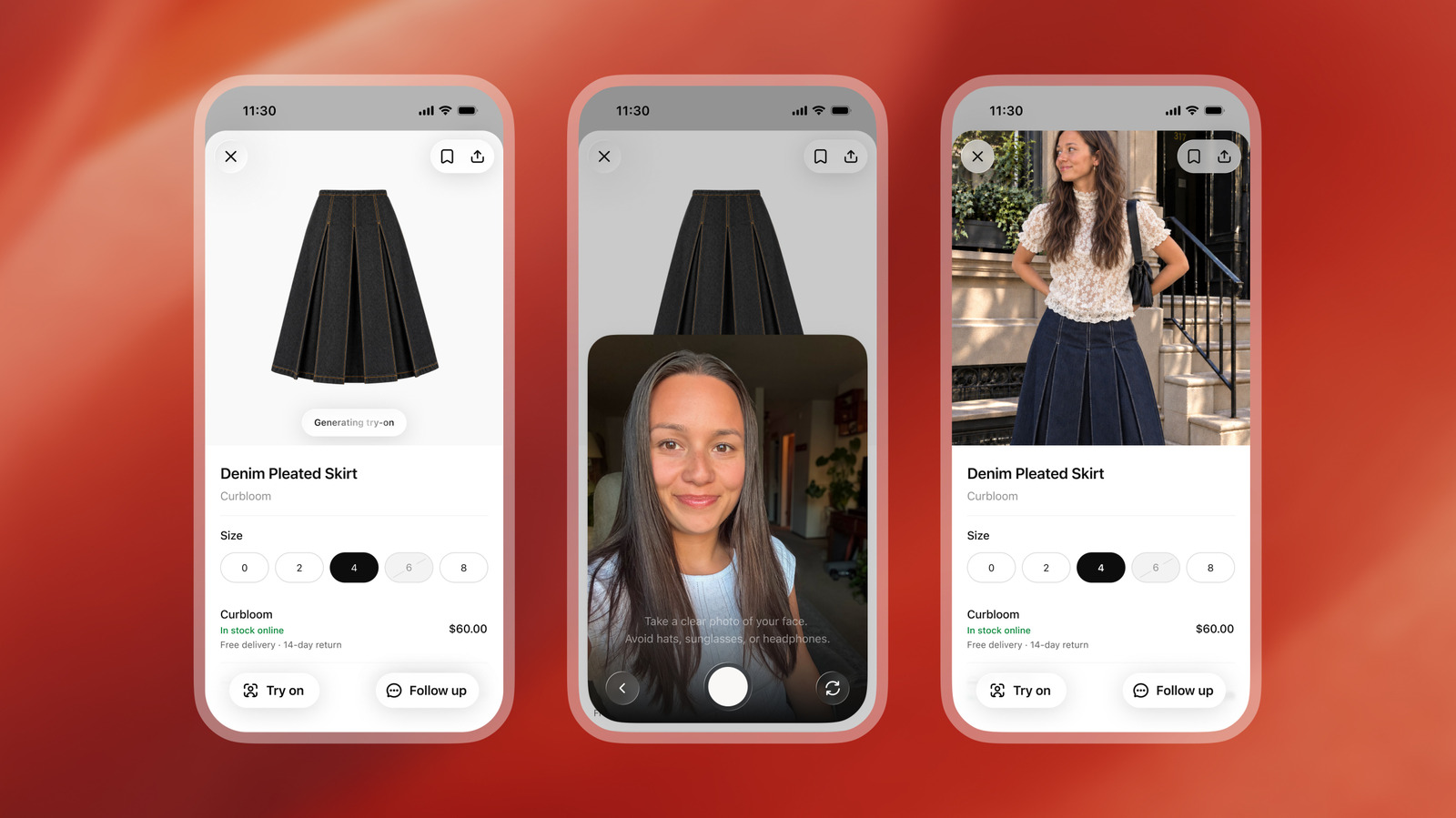
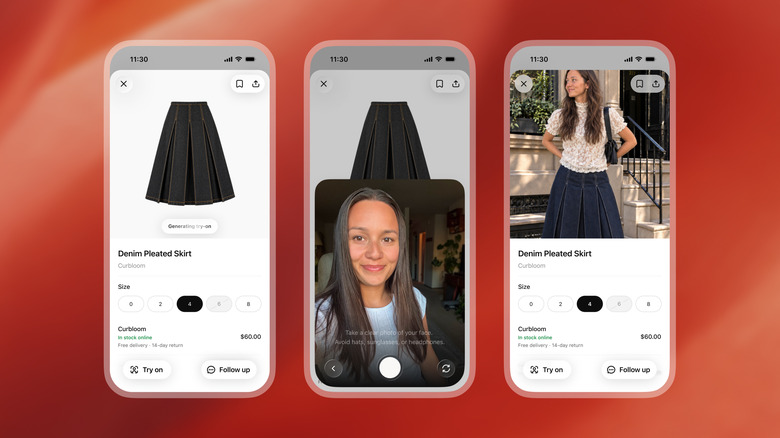
The process for utilizing this feature is designed for seamless integration into the existing ChatGPT interface. When a user interacts with a product listing for apparel within a chat session, they will notice a "Try on" button. Upon selecting this, the interface prompts the user to provide a selfie and a full-body photograph.
The AI then leverages its advanced generative modeling to synthesize the chosen garment onto the user’s likeness. Perhaps most notably, this capability is not strictly limited to products curated by ChatGPT. OpenAI has confirmed that the system is flexible enough to process screenshots of clothing items sourced from external websites or social media platforms. By uploading a screenshot of an item, users can initiate the try-on process, effectively turning any online browsing session into a personalized fashion experience.
Leveraging the Power of Images 2.5
The engine behind this transformation is the ChatGPT Images 2.5 model, which debuted in September. This model represents a leap in visual fidelity and contextual understanding compared to its predecessors. By utilizing sophisticated diffusion techniques, the model can account for fabric drape, body posture, and lighting conditions, providing a significantly more realistic preview than early-generation AI imaging tools.
Chronology: OpenAI’s Pivot Toward Commerce
The introduction of virtual try-ons is not an isolated experiment but rather the latest milestone in a calculated, year-long strategy to monetize and expand ChatGPT’s footprint in the consumer retail sector.
- Early 2025: OpenAI begins testing direct-to-consumer features, exploring ways to facilitate product discovery through conversational AI.
- Mid-2025: The introduction of "Instant Checkout" features allowed users to complete transactions directly within the chat interface, though this was later discontinued to refine the user experience and address regulatory complexities.
- Late 2025: OpenAI begins testing in-chat advertising, allowing merchants to target specific demographics through natural language queries.
- September 2026: The release of ChatGPT Images 2.5 provides the visual infrastructure necessary for high-fidelity virtual try-ons.
- October 2026: Official launch of the Virtual Try-On feature and the "Library" save-for-later functionality.
This trajectory demonstrates a transition from a pure information-retrieval model to a transactional platform. While the company has faced hurdles—such as the discontinuation of its Instant Checkout service—the persistence of these feature rollouts underscores a strategic pivot toward becoming a central hub for digital commerce.
Supporting Data and Market Context
The retail AI market is currently undergoing a period of hyper-growth. With companies like Google having launched similar tools in 2025, the pressure is on for AI developers to provide "utility-as-a-service."
The Cost of Innovation
Behind these consumer-facing features lies a massive fiscal reality. Recent reports have highlighted that OpenAI’s spending on AI training and infrastructure has reached staggering levels, with some estimates placing the figure at approximately $750 billion annually. While a single "Try on" feature is unlikely to bridge this financial gap, it serves as a critical hook for user retention. By keeping users within the ChatGPT ecosystem to perform tasks—ranging from research to visual styling—OpenAI increases the likelihood of long-term subscription renewals and ad revenue.
Data Privacy Considerations
As with any feature requiring the upload of personal imagery, the integration has sparked renewed discussions regarding data privacy. OpenAI’s default policy dictates that images uploaded by personal accounts are utilized for model training purposes unless the user explicitly opts out. This "opt-out" structure remains a point of contention for privacy advocates who argue that users often skip complex settings menus, inadvertently contributing their personal likenesses to the company’s vast training datasets.
Official Responses and Strategic Implications
OpenAI has framed this update as a response to user demand for more practical, everyday AI applications. A spokesperson for the company noted that the goal is to "reduce the friction between inspiration and acquisition," allowing users to make informed purchasing decisions without needing to navigate multiple retail websites or rely on static, often misleading, product photography.
The Retail Landscape
For retailers, the implication is both an opportunity and a challenge. On one hand, OpenAI’s shopping tools provide a new channel to reach consumers who are increasingly bypassing traditional search engines in favor of AI assistants. On the other hand, it gives OpenAI significant leverage over the customer journey. If the AI becomes the primary gatekeeper for product discovery, merchants may find themselves forced to optimize their assets for OpenAI’s visual models, much like they currently optimize for Google’s search algorithms.
The "Library" and Retention
Alongside the try-on feature, OpenAI has introduced a "Library" function. This allows users to bookmark products discovered during conversations. By creating a repository of "saved" items, OpenAI is effectively building a personalized shopping mall. This retention strategy is crucial; by creating a library of user-curated interests, the company ensures that users return to ChatGPT repeatedly, increasing the depth of data available for future advertising and predictive analytics.
Looking Ahead: The Future of AI-Powered Retail
As OpenAI continues to refine its shopping suite, the line between social media, search, and personal shopping is becoming increasingly blurred. The success of the Virtual Try-On feature will likely depend on its accuracy and the speed at which it can process high-resolution imagery.
If the model can reliably translate the texture and fit of clothing, it could significantly reduce return rates for online retailers—a major pain point in the fashion industry. However, the company must also navigate the inherent skepticism surrounding AI in fashion, where physical fit and material quality are difficult to replicate in a virtual environment.
For now, the feature stands as a testament to the versatility of the Images 2.5 model. Whether this leads to a sustainable revenue stream or remains a "novelty" feature, it marks a significant shift in the utility of generative AI. OpenAI is no longer just answering questions; it is actively helping users curate their physical lives. As the technology matures, we can expect deeper integrations, potentially including real-time inventory checks and direct-to-door purchasing flows that will further integrate ChatGPT into the global retail supply chain.
Ultimately, the rollout of Virtual Try-On is a calculated bet. It is a bet that users are ready to trade a degree of personal privacy for the convenience of an AI stylist, and that merchants are willing to play by the rules of the platforms that hold the keys to the next generation of digital commerce. As the battle for the "AI-first" shopping experience intensifies, the winner will likely be the platform that makes the virtual shopping experience feel the most like the physical one.