Raspberry Pi Raises 2GB Model Prices as Global Memory Shortage Intensifies
By Tech & Hardware Desk
The ongoing global volatility in the semiconductor and RAM markets has once again impacted the maker community and enterprise deployment sectors. Raspberry Pi Ltd has officially announced that it must raise the prices of its 2GB variants for both the Raspberry Pi 4 and Raspberry Pi 5 single-board computers. Citing prolonged and steep increases in the cost of memory components over the past two years, the company stated that shielding these specific tiers from pricing adjustments has finally become "unsustainable."
While previous price adjustments successfully insulated lower-capacity boards, macroeconomic pressures have forced the foundation to pass down a $12.50 price hike on the 2GB models, effective immediately. Consequently, the retail price for the 2GB Raspberry Pi 4 climbs to $67.50, while the 2GB Raspberry Pi 5 will now retail at $77.50.
Despite these increases, Raspberry Pi has confirmed that other configurations—notably the ultra-lean 1GB variants of both the Raspberry Pi 4 and Raspberry Pi 5, as well as the 2GB configurations of the Compute Module 4 and Compute Module 5—remain unaffected for now.
1. Main Facts
- Immediate Price Adjustments: The price of the 2GB Raspberry Pi 4 increases by $12.50 to $67.50. The price of the 2GB Raspberry Pi 5 increases by $12.50 to $77.50.
- Unaffected Hardware: 1GB variants of the Raspberry Pi 4 and 5, alongside the 2GB variants of the Compute Module 4 (CM4) and Compute Module 5 (CM5), retain their current pricing.
- Core Catalyst: The adjustments are a direct response to a sustained, multi-year surge in global RAM and memory component costs.
- Temporary Outlook: Raspberry Pi leadership has reiterated that current memory market conditions are cyclical and that price reductions will be reversed once component costs normalize globally.
- Consumer Safeguards: Buyers are strongly encouraged to purchase exclusively through the global network of Raspberry Pi Approved Resellers to avoid price-gouging and counterfeit goods.
2. Chronology of the Memory Crisis and Raspberry Pi Pricing
To understand how the market arrived at the current pricing structure, it is necessary to examine the timeline of economic and supply chain pressures affecting the semiconductor sector over recent years.
The Pandemic and Post-Pandemic Shock (2020–2022)
When global supply chains fractured during the COVID-19 pandemic, the electronics industry faced unprecedented shortages of silicon wafers, power management ICs, and baseline memory components. Raspberry Pi, like virtually every major computing hardware manufacturer, faced severe stock constraints. During this period, the company prioritized enterprise clients and educational institutions, managing to maintain relatively stable pricing frameworks despite skyrocketing secondary-market scalper rates.
The Onset of the RAM Cost Spike (2023–2024)
As general manufacturing capacity recovered, a structural shift in demand toward high-bandwidth memory (HBM) for artificial intelligence data centers began to absorb massive amounts of global semiconductor fabrication plant (fab) capacity. Standard LPDDR4 and LPDDR5 RAM modules—critical for single-board computers—faced tightened supply allocations. Prices for raw memory began a steady, aggressive climb that has persisted for over 24 months without significant relief.
The April Price Adjustments (2025)
Facing its first major wave of production cost increases, Raspberry Pi executed a round of widespread price restructuring. During this critical juncture, leadership utilized strategic financial cushioning to protect entry-level hobbyists and budget-conscious developers. They successfully held the line on the entry-level 1GB and 2GB variants of the Raspberry Pi 4 and Raspberry Pi 5, while applying necessary increases exclusively to higher-density RAM models (such as the 4GB and 8GB variants).
The Breaking Point: Today’s 2GB Adjustment (2026)
The ability to absorb mounting RAM input costs has finally reached its limit. With memory component pricing continuing its upward trajectory rather than stabilizing, Raspberry Pi announced that maintaining the old price point for the 2GB tier is no longer viable. Effective today, the $12.50 adjustment bridges the gap between production realities and retail realities for the 2GB models.
3. Supporting Data and Component Analysis
The economics of single-board computers rely heavily on predictable component expenditure. Unlike major tech conglomerates that can heavily subsidize hardware losses through software and services ecosystems, hardware-first entities like Raspberry Pi must price products close to manufacturing costs to maintain operational health.
- RAM as a Cost Driver: In modern single-board computers, memory chips and their associated routing comprise a significant percentage of the Bill of Materials (BOM). When RAM spot prices spike by 30%, 50%, or more over a two-year window, the impact on a sub-$100 computer is immediate and acute.
- Tiered Margins: Higher-density models (4GB/8GB) were forced to absorb increases earlier because the sheer volume of silicon required exposed them to sharper cost fluctuations. Now, the baseline cost of raw memory has bled down into the 2GB tier, neutralizing previous safety margins.
- The CM4 and CM5 Exception: The 2GB variants of the Compute Module 4 and Compute Module 5 have escaped this specific round of price hikes. Because Compute Modules serve specialized industrial, embedded, and commercial pipelines with different supply contracts and lifecycle considerations, their pricing structures are managed under distinct economic parameters.
4. Official Responses and Mitigation Guidance
Recognizing that price hikes place an immediate burden on individual makers, educators, and enterprise developers alike, Raspberry Pi has released proactive guidance to help customers optimize their hardware investments.
Re-evaluating Resource Requirements
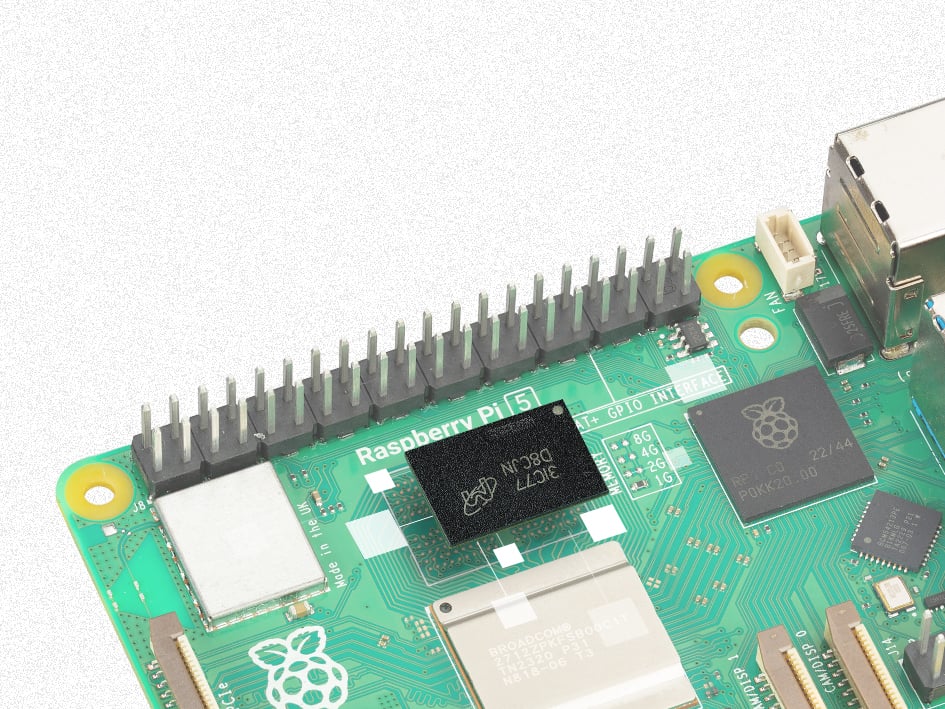
The company advises users to carefully audit their project specifications to ensure they are not over-provisioning RAM.
- Right-Sizing Projects: Many light-duty applications, headless servers, and IoT scripts do not require the heavyweight overhead of a 2GB or 4GB board. Developers are encouraged to evaluate whether a leaner 1GB model can meet their performance criteria.
- Legacy Hardware Utilization: For projects that do not demand the cutting-edge processing speed of the Raspberry Pi 5, the foundation highlights perennially popular, cost-effective legacy models such as the Raspberry Pi 3 Model B, 3A+, and 3B+. These older architectures remain fully capable of handling a vast array of embedded and educational tasks at a substantially lower price point.
Software Optimization
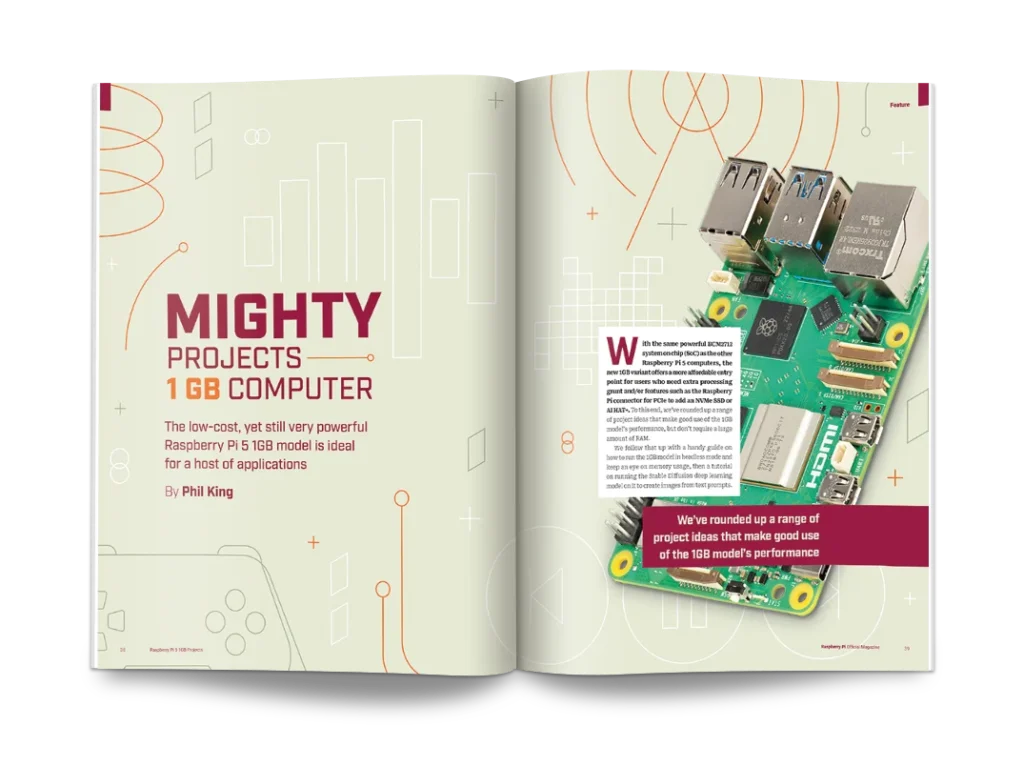
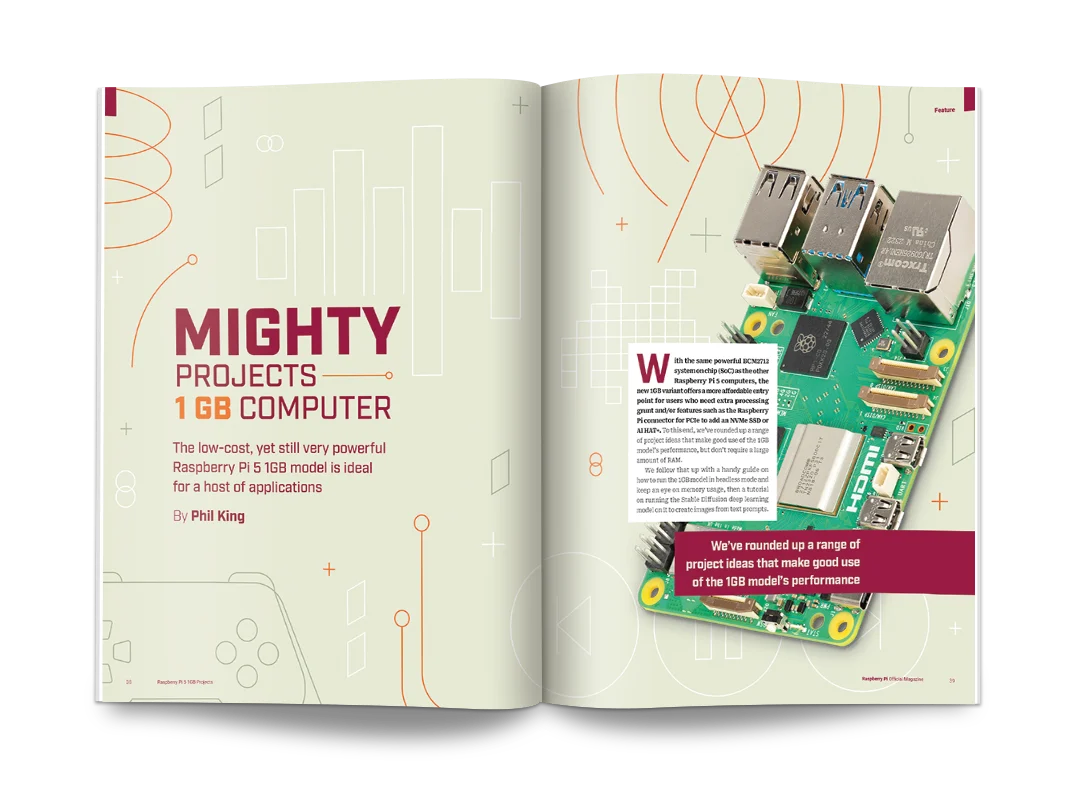
Hardware is only half the equation; software efficiency plays a massive role in performance. Raspberry Pi has pointed users toward resources published in Raspberry Pi Official Magazine, which features comprehensive tutorials on operating system memory optimization.
- For individual developers, articles detailing how to strip unnecessary background services and trim memory footprints can breathe new life into 1GB and 2GB setups.
- For enterprise and commercial clients, Raspberry Pi’s engineering and support teams have opened a direct channel. Business customers seeking tailored advice on memory optimization for specific commercial applications can contact the foundation directly via dedicated enterprise support channels.
Combating Price-Gouging and Counterfeiting
In times of component scarcity and market adjustments, unauthorized third-party vendors and opportunistic scalpers frequently attempt to exploit consumer confusion.
- Raspberry Pi strongly reiterates the importance of purchasing exclusively through its official network of Approved Resellers.
- Comprising over a hundred trusted global partners spanning every continent except Antarctica, this network guarantees adherence to official published maximum pricing.
- Buying from approved vendors also protects customers from receiving substandard, modified, or counterfeit hardware—a growing risk in unregulated secondary marketplaces.
5. Implications for the Maker Community and Enterprise Sectors
The latest price adjustment carries distinct ripple effects across the two primary pillars of the Raspberry Pi ecosystem: the enthusiast hobbyist community and the industrial embedded systems market.
Impact on the Hobbyist and Educational Sectors
For individual hobbyists, schools, and coding clubs, every dollar matters. The Raspberry Pi has historically championed low-barrier-to-entry computing, making programming and hardware engineering accessible to millions worldwide. While a $12.50 increase on a $65–$75 device may seem modest compared to standard consumer electronics inflation, it narrows the margin for low-budget classrooms and DIY builders.
However, the preservation of the 1GB pricing tier provides a reliable safety net. By steering educational users toward optimized 1GB workflows or robust legacy boards like the Pi 3 series, the community can continue building, learning, and innovating without severe financial strain.
Impact on Industrial and Enterprise Deployments
For commercial enterprises utilizing Raspberry Pi hardware as the brains behind digital signage, automated manufacturing equipment, robotics, and edge-computing nodes, BOM stability is critical.
While price hikes increase operational overhead, the availability of the Compute Module 2GB variants at unadjusted prices offers welcome relief for engineers designing bespoke carrier boards. Furthermore, enterprise clients benefit from Raspberry Pi’s long-term availability guarantees. Even amidst volatile memory markets, businesses know they can rely on the lifecycle support and architectural consistency that the platform provides—advantages that far outweigh short-term component price fluctuations.
Looking Ahead
The semiconductor industry is inherently cyclical. Surges in memory pricing driven by AI infrastructure demands, consumer electronics booms, or fab retooling have historically given way to periods of oversupply and price stabilization.
Raspberry Pi has reaffirmed its long-term commitment to its core philosophy: delivering high-performance, cost-effective computing to the world. Leadership has made it unequivocally clear that as soon as global memory market conditions subside and input costs drop, the company will actively reverse these temporary price increases, returning hardware savings directly back to the community that built the platform.