The Harvest of Creativity: itch.io’s October Game Jam Season Signals a Shift in Indie Development
As the nights draw in and the foliage turns, the digital landscape of itch.io undergoes its own seasonal transformation. October has long been considered the "golden month" for the indie game development community, acting as a crucible where the spirit of Halloween meets the boundless creativity of solo developers and small studios. This year, the platform has unveiled a diverse roster of game jams, ranging from high-octane horror challenges to niche musical composition experiments and the technical rigor of procedural generation.
For many, these events are more than just friendly competitions; they are vital professional development opportunities. By providing constrained timeframes and thematic prompts, itch.io’s jam culture encourages rapid prototyping, community collaboration, and the refinement of skills that are otherwise difficult to cultivate in a vacuum. As we dive into the heart of the autumn season, here is an in-depth analysis of the current landscape of game jams shaping the indie industry.
Main Facts: The Anatomy of the October Jam Season
The itch.io jam calendar for October is characterized by a deliberate blend of accessibility and technical ambition. Unlike major commercial game development cycles, which often span years, these jams are designed to be finished in days or weeks.
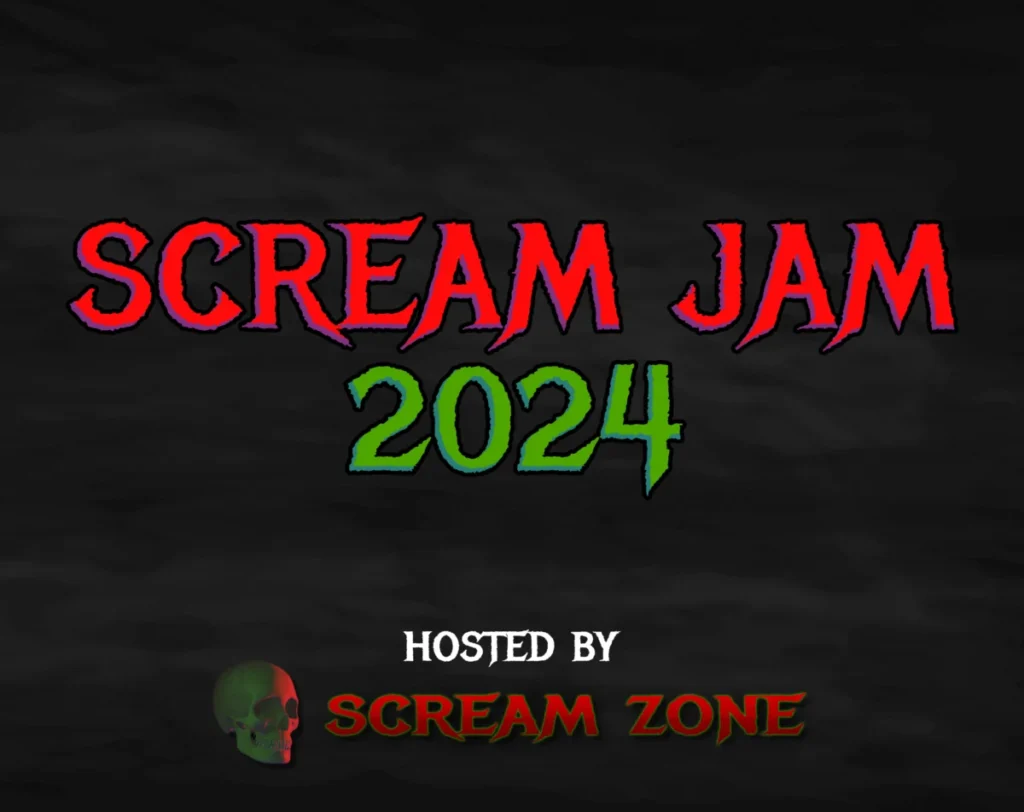
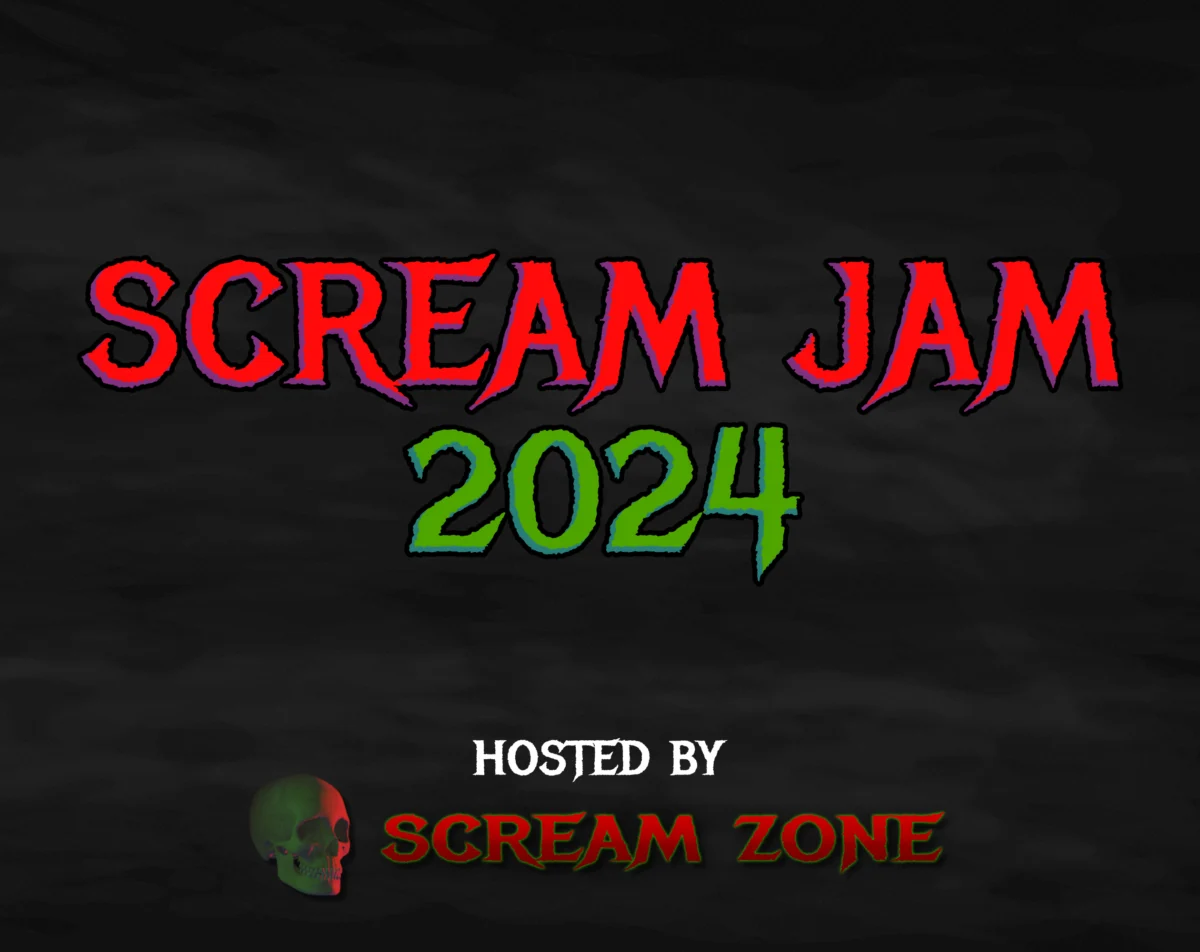
At the core of the current schedule is the SCREAM JAM 2024, which remains the flagship event for the horror genre. By eschewing a strict theme, the organizers have invited developers to interpret "horror" through a vast lens—spanning everything from psychological dread in interactive fiction to combat-heavy RPGs. Simultaneously, events like PROCJAM and the OST Composing Jam serve as a reminder that the indie ecosystem is as much about technical and auditory innovation as it is about narrative storytelling.
These events are not merely recreational; they are the primary pipeline for the next generation of indie hits. Many successful commercial titles began as "jam games," where a successful prototype served as a proof-of-concept for a larger project. By aggregating these events into a centralized calendar, itch.io has cemented its position as the de facto laboratory for the gaming industry.
Chronology: A Roadmap for the Upcoming Weeks
The current jam season is structured to provide a rolling cycle of engagement, ensuring that developers are constantly pushed toward new creative horizons.
- October 16–23 (SCREAM JAM 2024): The peak of the horror calendar. With a voting window extending until October 30, this event is positioned to culminate exactly on Halloween, providing a library of content for players looking to celebrate the holiday.
- October 18–20 (OST Composing Jam [Sandbox]): A short-form, high-intensity event. By limiting the window to 48 hours, the jam forces composers to focus on "musical sketches" rather than fully produced tracks, emphasizing spontaneity.
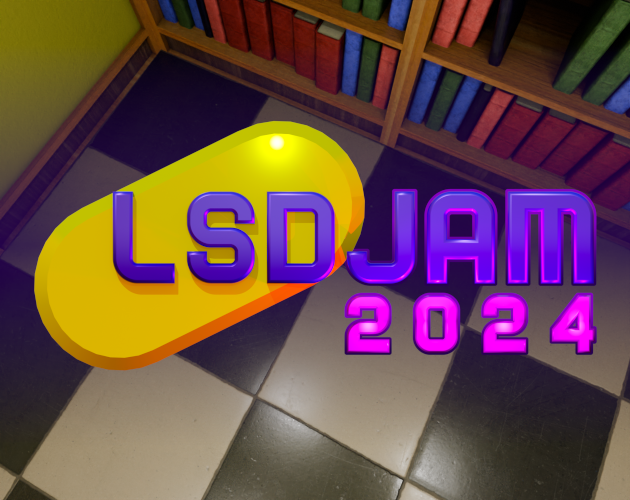
- October 21 – March 1 (LSDJAM 2024): A long-form endurance event. Inspired by the cult classic LSD: Dream Emulator, this jam prioritizes atmospheric depth and surrealism over mechanical speed. Its extended timeline suggests a focus on polish and artistic cohesion rather than the "crunch" often associated with short-term jams.
- October 25 – November 4 (PROCJAM 2024): The season’s technical centerpiece. This event invites participants to explore the intersection of code and art, fostering a space where the "tools that create" are just as valuable as the games themselves.
Supporting Data: Evaluating the Success of Recent Jams
The efficacy of the itch.io jam model is supported by significant engagement metrics. Recent history demonstrates that these events are not just active, but highly productive.
The Spooktober 6th Annual Visual Novel Jam, which concluded on October 1, serves as a prime case study in community growth. Over the course of its month-long duration, the event attracted 1,487 registered participants who produced 272 completed visual novels. These numbers are staggering for a niche genre, suggesting that the "jam format" is an effective mechanism for sustaining long-form creative projects.
Furthermore, the Coffee Jam 2024 highlights the importance of "themed constraints." By pairing a mundane prompt ("coffee") with a more abstract, late-breaking theme ("sea"), organizers forced participants to reconcile disparate concepts. The resulting 47 submissions represent a highly concentrated effort of creative problem-solving. These data points suggest that the combination of social motivation (the competition) and structured constraints (the themes) is the optimal environment for indie game production.
Official Perspectives and Community Feedback
The sentiment within the community, as reflected in forum discussions and participant commentary, is overwhelmingly positive, though not without the occasional logistical inquiry.
When questioned about the specifics of the events, community members like user sonoma have noted the need for absolute clarity regarding timelines. This highlights a critical aspect of jam management: as these events grow in popularity, the administrative burden of communication becomes as important as the design of the jam itself.
From the perspective of platform organizers, the goal is "inclusivity through structure." By offering a mix of "beginner-friendly" events (such as PROCJAM) and more specialized challenges (such as the OST Composing Jam), itch.io ensures that developers of all skill levels have a place to contribute. The platform’s documentation on hosting jams is a strategic attempt to democratize the process, turning the community into a self-sustaining engine of event creation.
Implications: The Future of Indie Development
The prominence of these jams has profound implications for the future of the video game industry. First, it marks a shift away from the "isolated developer" archetype. Modern game development is increasingly collaborative; even in solo-dev jams, the cross-pollination of code, art, and music assets creates a "distributed studio" environment.
Second, the success of genre-specific jams like the Spooktober Visual Novel event proves that there is a sustainable market for highly specific, non-mainstream content. Large publishers often shy away from niche genres due to perceived risk, but the jam ecosystem demonstrates that a dedicated audience exists for everything from surrealist dream simulators to horror-themed text adventures.
Third, the technical focus of events like PROCJAM is vital for the industry’s long-term health. Procedural generation is a key component in reducing the workload for small teams, allowing them to create vast, replayable worlds without the need for hundreds of artists. By incentivizing the creation of procedural tools, these jams are effectively funding the R&D that will power the next generation of indie games.
Finally, the calendar reinforces the idea that the "Halloween season" is no longer just a commercial window for blockbuster releases—it is a cultural period for indie creators to experiment with tone and atmosphere. The surge in horror-themed entries provides a unique feedback loop, where developers can test "scare mechanics" in a low-stakes environment before committing them to larger, commercial projects.
Conclusion
As October progresses, the itch.io platform remains the epicenter of an incredible surge in creative output. Through a combination of rigorous deadlines, thematic ingenuity, and a supportive community, these game jams are doing more than just entertaining players; they are actively building the future of the indie gaming industry.
Whether it is through the haunting, dream-like corridors of an LSDJAM entry, or the complex, self-generating systems birthed in PROCJAM, the work being done in these few weeks will undoubtedly influence the commercial releases of the next several years. For developers, the message is clear: the jam is not just a challenge—it is an opportunity to define the boundaries of the medium, one submission at a time. As the voting periods close and the results are tallied, we are likely to see a new crop of indie classics emerge from the darkness, proving once again that the most innovative ideas often come from the most constrained environments.