The 2025 Game Jam Renaissance: Cultivating Innovation Through Constraints
The arrival of a new calendar year has historically served as a catalyst for creative acceleration within the independent game development community. As the industry recalibrates following the holiday season, the itch.io platform has emerged once again as the epicenter of this surge. Game jams—timed events where developers build functional prototypes around specific themes—are currently defining the early months of 2025, offering a sandbox for both veteran studios and novice coders to experiment with mechanics, aesthetics, and storytelling.
This month’s lineup is particularly diverse, ranging from high-stakes tournament-style competitions to relaxed, community-driven "cozy" projects. These events are not merely exercises in rapid development; they are essential forums for networking, skill-building, and the rapid prototyping of innovative mechanics that often find their way into full-scale commercial releases.
A Chronology of Upcoming Competitions
The landscape of the January 2025 jam scene is characterized by its breadth. Developers looking to sharpen their skills or find collaborators have several distinct paths to choose from this month.
Mid-January: The High-Intensity Sprint
The season began with the Horror Ham-Jam 2025, which launched on January 16. This event focuses on the "claustrophobic" sub-genre of horror, challenging participants to design games set in confined, restrictive spaces. By pairing this thematic constraint with a mandatory asset bundle, hosts Gxvrnxr and Pizza Doggy have forced participants to prioritize atmospheric tension over scale, with the submission window extending through February 2.
Simultaneously, the Pirate Software – Game Jam 16 kicked off on January 17. As one of the most anticipated bi-yearly events in the indie space, this jam allows teams of up to five members a 14-day window to develop a browser-compatible prototype. Beyond mere gameplay, participants must provide a formal Game Design Document (GDD), emphasizing the professional rigor often required in the industry. Winners, to be determined by a mix of playability, thematic cleverness, and judge discretion, will be unveiled during the official Pirate Software developer streams.
Also starting on January 17 was Mini Jam 176: Foxes. This 72-hour "sprint" jam adds an element of surprise by introducing a hidden limitation at the moment of launch. While "Foxes" serves as the primary inspiration, the true test lies in the developer’s ability to pivot their project to accommodate the surprise constraint, testing adaptability under pressure.
Late-January: Chill and Competitive Transitions
As the month progresses, the focus shifts toward more specialized or atmospheric experiences.
- Cozy Winter Jam 2025: Hosted by Virtual Turtle Games, this event (running January 23–26) emphasizes the "cozy" aesthetic—a genre that has seen explosive growth in popularity. By focusing on low-stress, seasonal comfort, it provides a necessary counterbalance to the more technical or horror-focused jams occurring simultaneously.
- Road Trip Game Jam: Starting January 23 and running for an unusually long three-month window, this jam hosted by Meiri and Nevi represents the "slow development" school of thought. By removing the immediate time pressure, it invites developers to experiment with tabletop, analog, and complex digital formats centered around the theme of travel.
- ScoreSpace Jam #33: Beginning January 24, this event targets the arcade enthusiast. The requirement for a functioning leaderboard system forces developers to integrate competitive infrastructure early in the design process, with the top three entries eventually being featured by streamers in a live high-score exhibition.
Supporting Data: The Pulse of the Community
The success of these events is evidenced by the sheer volume of participation in recently concluded jams. For instance, the GDKO (Game Development Knockout) 2025 Round 1, hosted by Xanderwood, served as a massive litmus test for the community. With 215 submissions collected in the first half of January, the event demonstrated that developers are increasingly drawn to "tournament" structures that mimic the high-stakes, elimination-style pressure of reality television—albeit without the lethal stakes of its pop-culture inspiration.

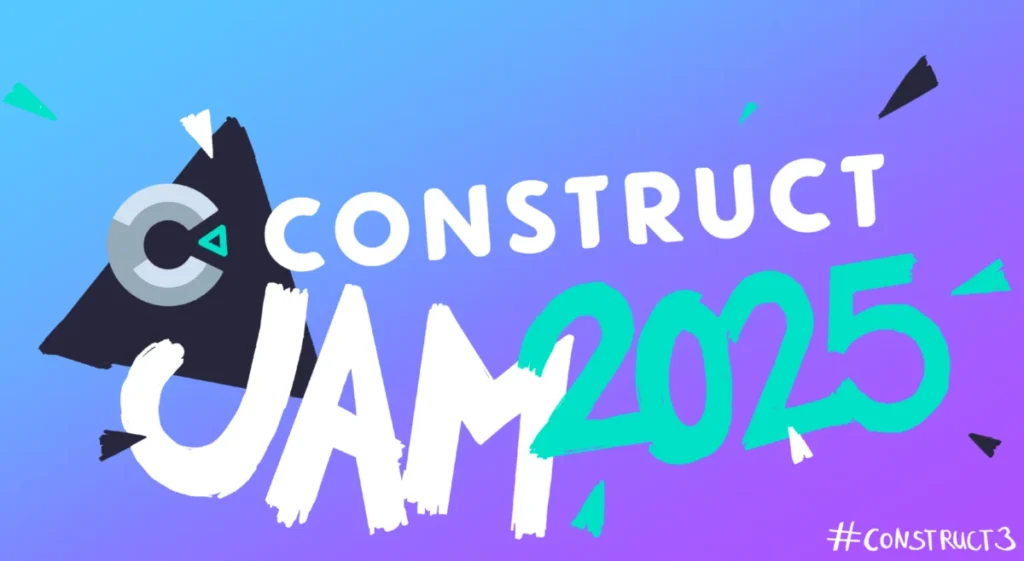
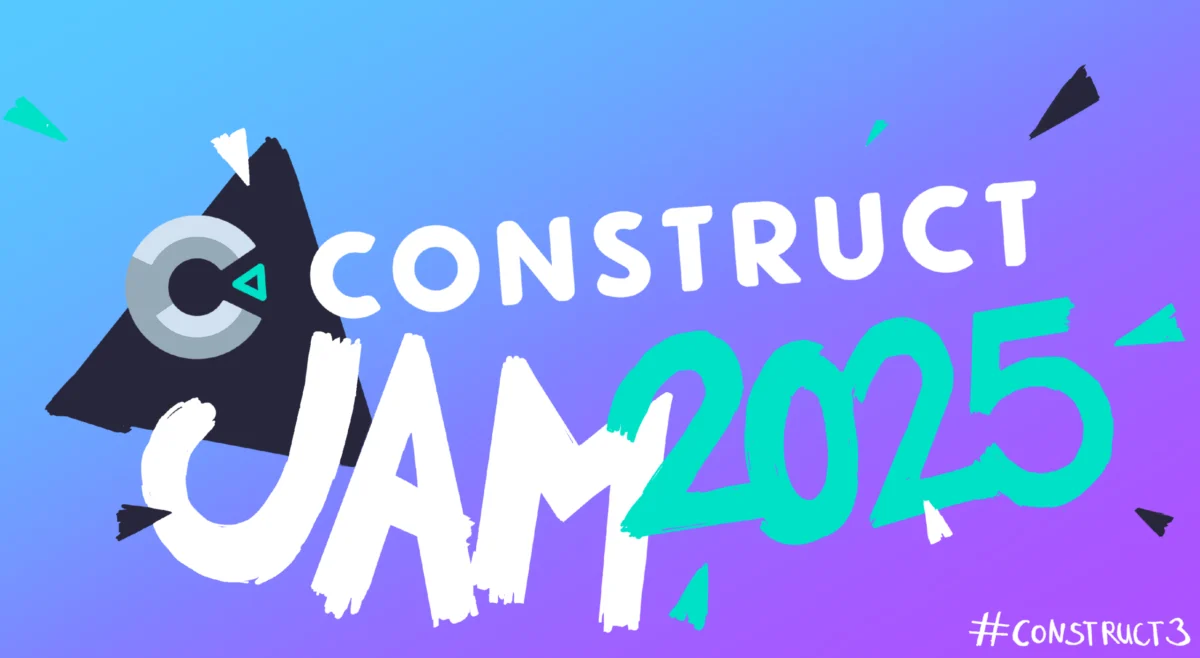
Similarly, the CONSTRUCT JAM 2025 demonstrated the platform-specific utility of these events. By focusing exclusively on the Construct engine, the jam created a concentrated environment where participants could share engine-specific tips, assets, and troubleshooting strategies, effectively functioning as a peer-to-peer educational summit.
Official Perspectives and Industry Implications
The rise of the "jam-to-market" pipeline is perhaps the most significant implication of these events. Many modern indie hits trace their origins back to a 48-hour development window on a platform like itch.io.
From an organizational standpoint, the shift toward requiring documentation (as seen in the Pirate Software jam) suggests that game jams are evolving from purely artistic exercises into professional development simulations. When organizers require a Game Design Document or a specific leaderboard implementation, they are training participants in the practical realities of project management and technical integration.
Furthermore, the diversity of themes—from horror in a box to high-score arcade loops—reflects a maturing market. The "cozy" tag, in particular, has moved from a niche interest to a major industry category, influencing everything from UI design to sound engineering. By fostering these sub-genres, itch.io is effectively curating the next generation of indie game trends.
Addressing the Challenges of Open Platforms
It is important to note that the rapid expansion of these events has not been without friction. The platform has faced scrutiny regarding the "democratization" of content, with some community members expressing concern over the increasing prevalence of AI-generated assets and the sudden shifts in platform policies that impact creator visibility.
In recent discussions on the platform’s community forums, participants have highlighted a tension between the "growth at all costs" mentality of platforms and the "community-first" ethos that defined the early years of the indie jam movement. The lack of transparency regarding policy changes remains a point of contention for veteran developers who have built their professional reputations within these digital walls. Despite this, the community continues to thrive, with thousands of developers choosing to bypass traditional publishing barriers in favor of the immediate feedback loops provided by these jams.
Looking Forward: A Call for Participation
For those inspired by the current wave of activity, the barriers to entry remain lower than ever. The primary value of these jams lies not in the final product, but in the process of collaborative problem-solving. Whether you are a solo developer looking to experiment with a new mechanic or a student hoping to build a portfolio, the current itch.io calendar offers a structured path to engagement.
For prospective hosts, the process of running a jam has been streamlined through comprehensive documentation provided by the platform. The ability to set your own constraints, judge categories, and timelines allows for highly specialized events that can cater to very specific niches—whether it be the horror of a single room or the mechanics of a virtual road trip.
As we move deeper into 2025, the game jam remains the most vital instrument for independent creativity. It is a space where the next great game is often born in a whirlwind of caffeine, constraints, and community support. By participating, you are not just making a game; you are contributing to the ongoing evolution of interactive entertainment, one jam at a time.