Power to the Player: itch.io App Overhaul Enhances Library Management and Launch Control
The itch.io desktop application, a cornerstone for independent game enthusiasts and developers alike, has received a significant technical upgrade. With the release of versions v26.15.0 and v26.17.0, the platform has addressed some of the most persistent user feedback regarding library navigation, platform flexibility, and granular control over game execution. These updates represent a strategic shift in how itch.io manages the massive scale of its bundle ecosystem, effectively turning the desktop app into a robust management hub rather than a simple launcher.
Main Facts: The Core Improvements
The latest updates to the itch.io app focus on three primary pillars: library organization, technical customization, and accessibility.
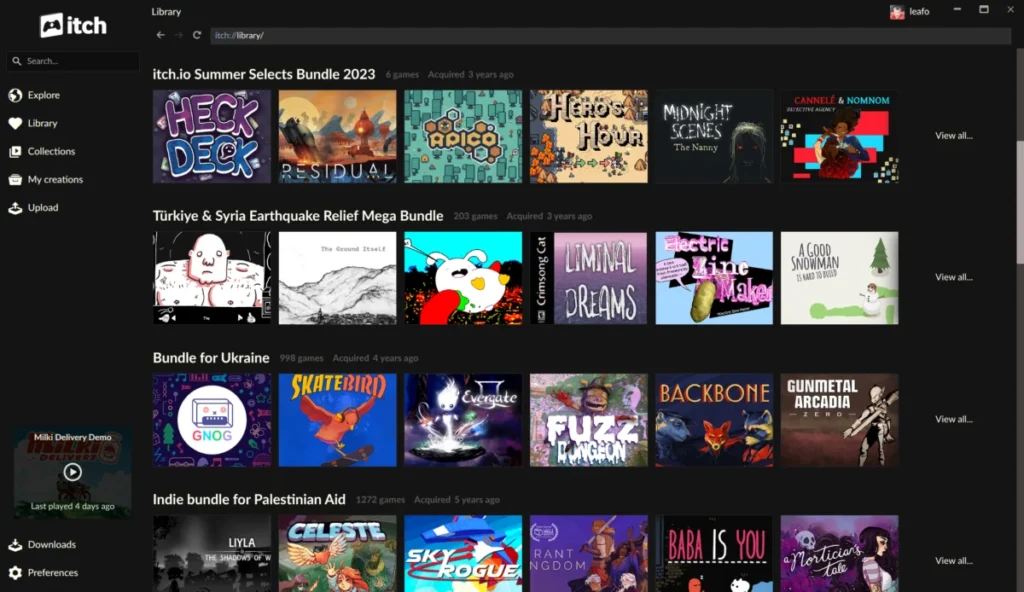
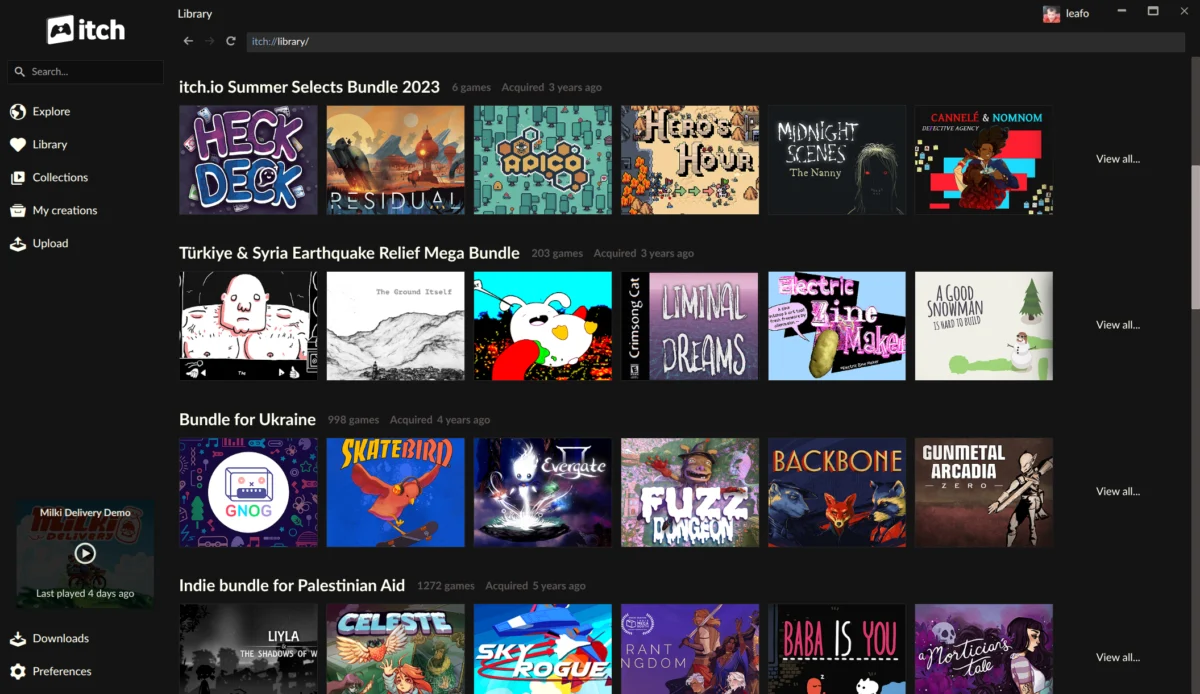
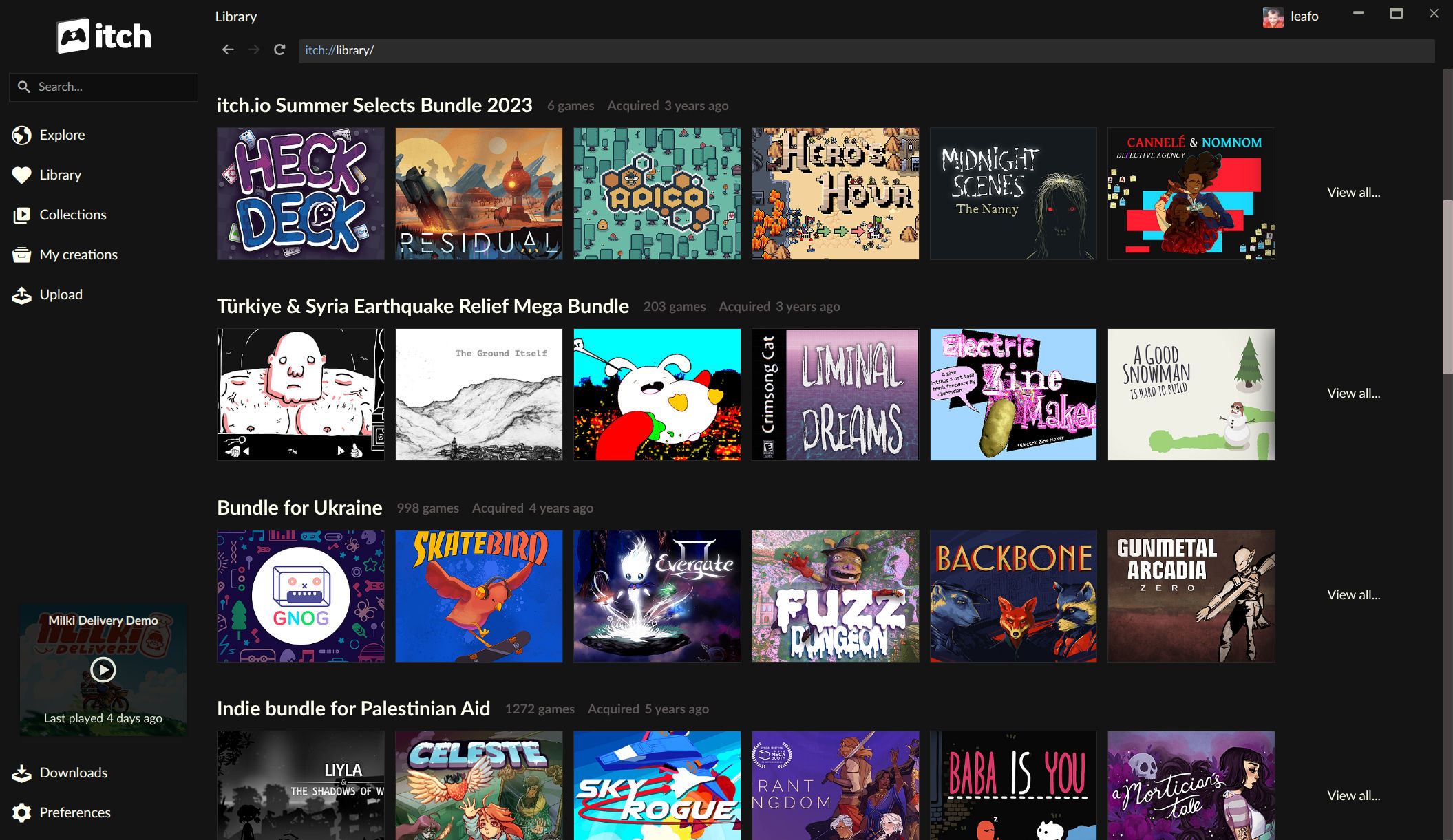
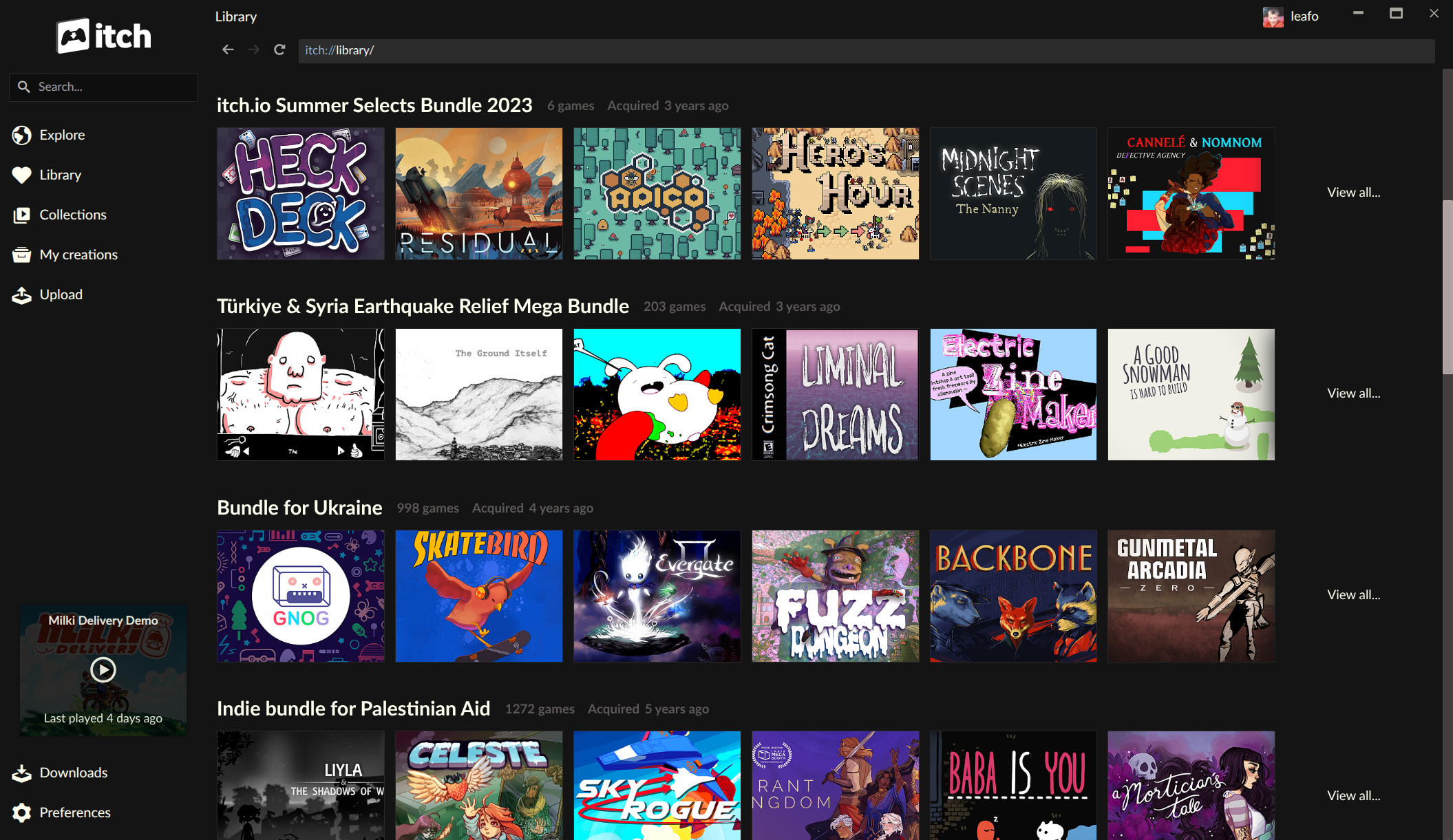
First, Bundle Integration has been overhauled. Previously, the app treated bundles as opaque collections, often requiring users to manually claim items on the website before they appeared in the local client. The new update allows bundles to exist as "first-class" entities within the library. Users can now view dedicated pages for their bundles, filter games by installation status, and manage their massive, often sprawling collections directly within the application.
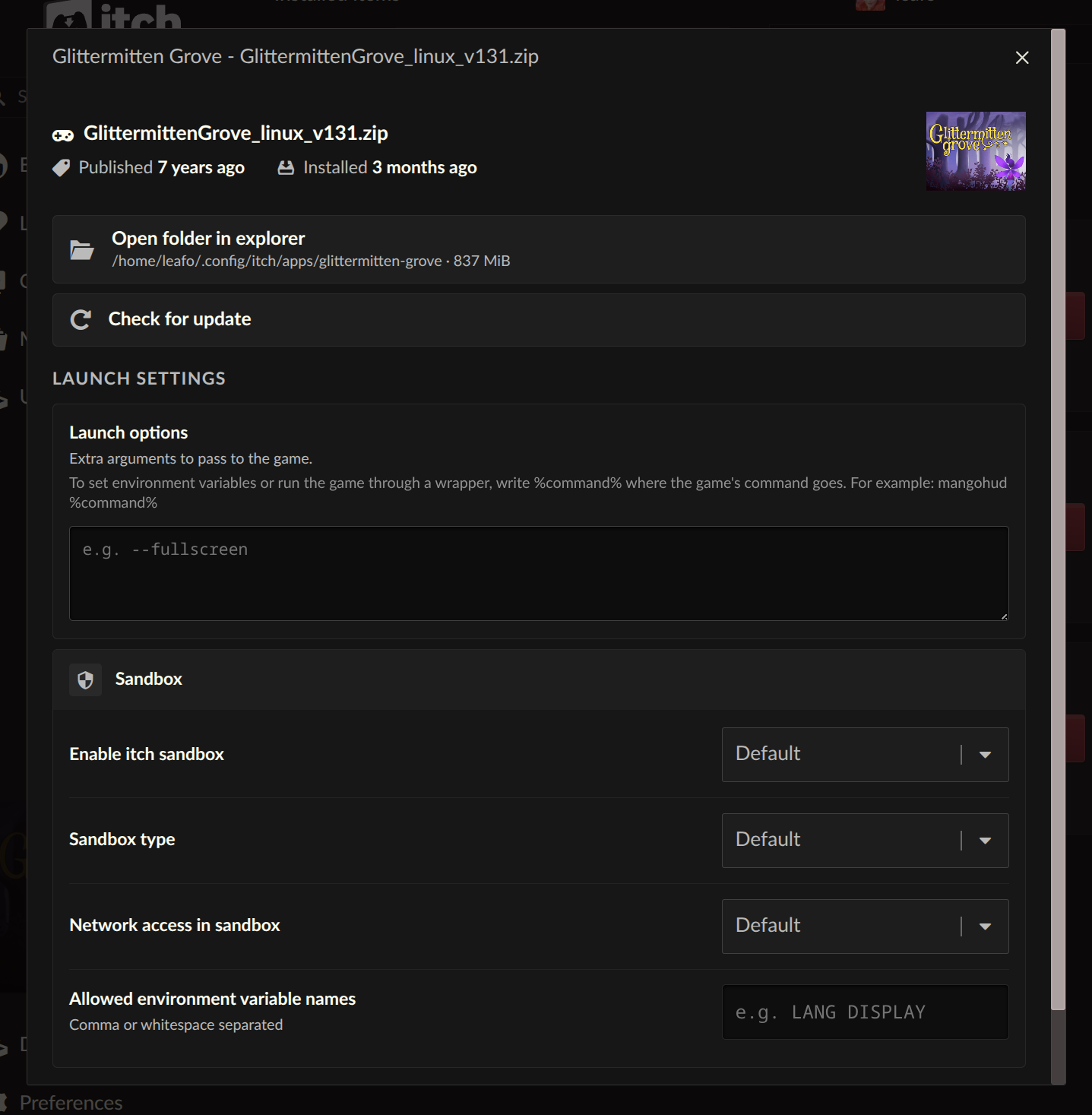
Second, the app now introduces Advanced Launch Settings. This feature allows users to modify the runtime environment of individual games. By navigating to the "manage" dialog of any installed title, users can now adjust sandbox restrictions, manage network access, and inject environment variables. Furthermore, the inclusion of a "Command pattern" for launch arguments—a highly requested feature—allows power users to pass specific flags or even wrap game execution in compatibility layers or debugging tools using the %command% syntax.
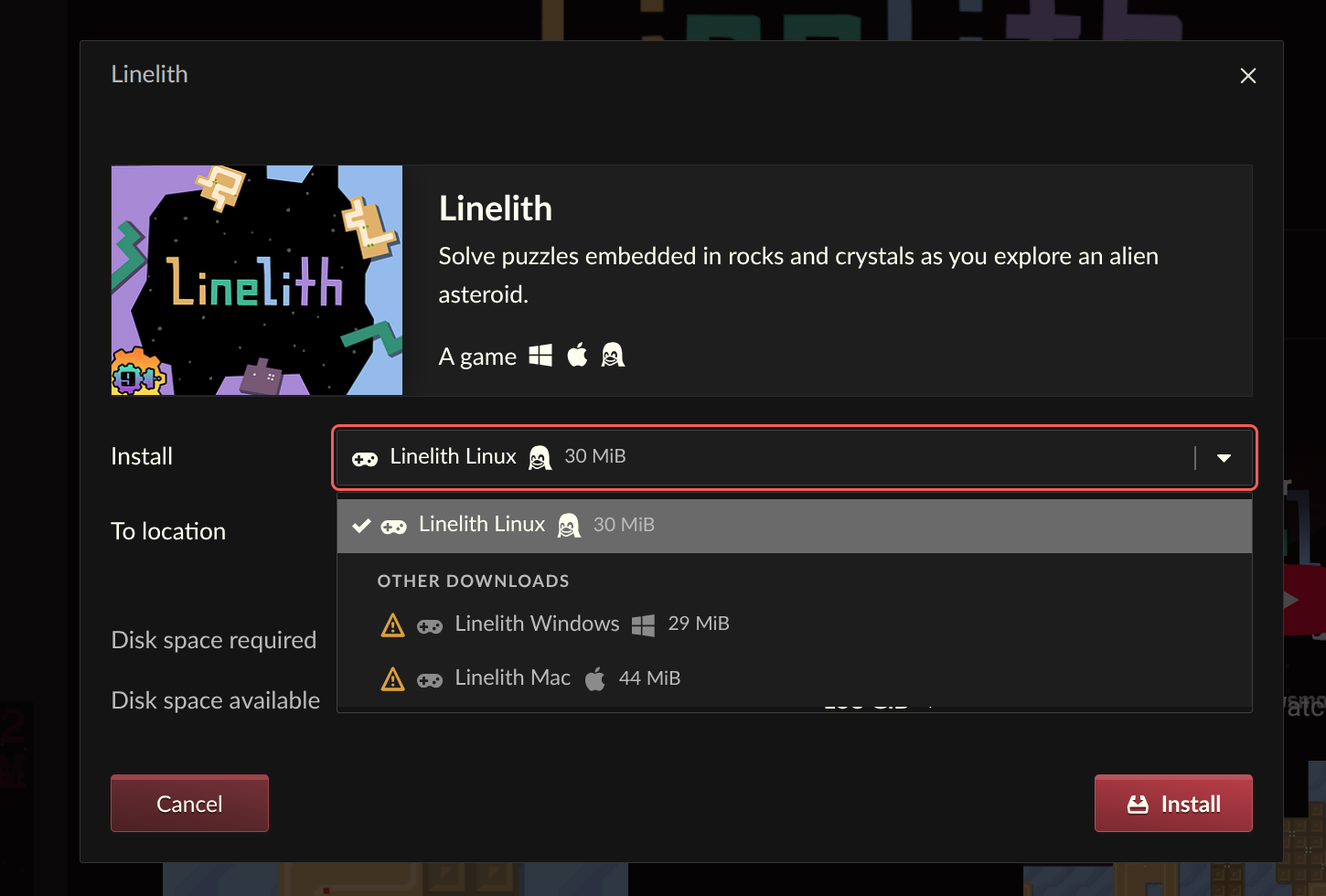
Finally, the platform has removed the platform-tagging barrier. Historically, the app would only display download options that matched the user’s detected operating system. The new update allows users to manually override these filters, enabling the installation of any build available for a title. This is a vital quality-of-life improvement for Linux users utilizing compatibility layers like Wine or Proton, as well as for users who prefer to test different architectures.
Chronology of the Update Cycle
The development cycle leading to these changes was iterative, reflecting the platform’s commitment to addressing long-standing community requests.
- Mid-Cycle Development: The development team identified that the existing search and library navigation tools were insufficient for the scale of current itch.io collections. Work began on optimizing the API-to-client interaction.
- Version v26.15.0: This initial release laid the groundwork for the revamped library and introduced the infrastructure necessary to treat bundles as native collection objects.
- Version v26.17.0: This update finalized the "Launch settings" UI and the sidebar search overhaul, ensuring that the new features were stable and intuitive for the end-user.
- Post-Launch Hotfix (v26.18.0): Following the deployment of these features, reports surfaced of stability issues specifically affecting macOS users. The team acted quickly, releasing a hotfix to address a recurring crash loop, advising affected users to perform a clean reinstallation via the official setup program.
Supporting Data: The Scale of the Bundle Challenge
The necessity of this update is best illustrated by the sheer volume of content hosted on itch.io. The platform has become the industry standard for charitable gaming bundles, but these projects created significant technical hurdles.
For instance, the Bundle for Racial Justice and Equality remains one of the largest digital distribution efforts in gaming history, featuring 1,741 individual items and reaching over 800,000 unique purchasers. Similarly, the Bundle for Ukraine saw nearly 1,000 items distributed to 400,000 buyers.
If the platform had utilized traditional database structures—where every item in a bundle is assigned an individual download key for every user—it would have generated over one billion rows of data for a single bundle. To maintain system performance, itch.io opted for a "lazy" record system: ownership is recorded as a single entry for the entire bundle, and individual game keys are only generated upon user demand.
While efficient for server costs, this created a disconnect with the desktop app, which previously lacked the logic to recognize these "latent" ownerships. The new update reconciles this by allowing the app to query these bundle records in real-time, effectively bridging the gap between the website’s database and the local client.
Official Responses and Troubleshooting
The transition to the new version was not entirely seamless for every user. The emergence of the macOS crash loop prompted a transparent and rapid response from the itch.io leadership.
Leafo, a primary developer behind the platform, took to the comments section of the official update blog to provide direct support to the community. When users reported the crash, the official response was consistent and clear: "We pushed out a hotfix v26.18.0 to address a MacOS crashing issue. You may need to reinstall the app from the setup program if you’re stuck in a crash loop."
This direct communication style is a hallmark of the itch.io development philosophy. By engaging directly with users—ranging from those reporting bugs to those asking for feature-specific documentation on launch arguments—the team maintains a feedback loop that directly informs the next cycle of development.
Implications for the Future of itch.io
The implications of these updates extend far beyond simple convenience. By providing advanced launch settings and platform-agnostic installation, itch.io is positioning itself as a more professional-grade alternative for users who prioritize freedom and control.
Impact on the Power User
The new launch settings are a direct nod to the Linux gaming community and power users who utilize third-party tools. By allowing users to wrap game execution, the app now supports advanced modding, custom debuggers, and performance profiling tools that were previously cumbersome to implement. The "Command pattern" feature effectively acknowledges that the itch.io app is no longer just a downloader; it is a game management suite.
Impact on Library Management
The revamped sidebar search and bundle library pages indicate a shift toward a more modern, data-driven user experience. By deprecating the old autocomplete-based search—which was often criticized for presenting items in an unintuitive order—the platform is encouraging users to utilize the full search capabilities of the website. This change streamlines the UI, making the app feel less like a "browser in a window" and more like a high-performance desktop application.
The Ecosystem Shift
Perhaps most importantly, the update validates the "bundle" as a primary method of content consumption. As more creators turn to large-scale, multi-developer collections to reach new audiences, the infrastructure to manage these collections becomes critical. By simplifying the process of installing and organizing hundreds of games simultaneously, itch.io is reducing the "friction of ownership." When users find it easier to play the games they have purchased, the likelihood of discovery and subsequent developer support increases.
In conclusion, the latest updates to the itch.io app represent a maturity in the platform’s lifecycle. By moving away from rigid, platform-locked restrictions and embracing the complex reality of massive bundle ownership, itch.io has successfully reinforced its position as the premier home for indie developers and players. As the platform continues to refine its tools, the focus remains clear: providing a transparent, user-controlled environment that respects both the creator’s intent and the player’s agency.