Empowering the Indie Ecosystem: A Deep Dive into itch.io’s Creator Day
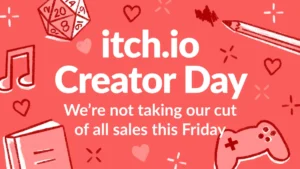
In the sprawling landscape of digital distribution, where corporate giants often command the lion’s share of revenue, itch.io has carved out a unique space as the champion of independent developers. At the heart of this philosophy lies "Creator Day"—a recurring, 24-hour initiative that fundamentally shifts the economics of game development in favor of the creator. By waiving their platform fees entirely, itch.io transforms the marketplace into a direct conduit between artists and their audience, ensuring that the fruits of labor remain entirely in the hands of those who planted the seeds.
Main Facts: The Anatomy of a Creator Day
At its core, Creator Day is a strategic, time-bound event designed to maximize financial support for independent creators. For exactly 24 hours—typically spanning from midnight to midnight Pacific Time (8:00 AM to 8:00 AM UTC)—itch.io suspends its standard platform revenue share. During this window, creators retain 100% of their sales revenue, subject only to unavoidable external costs like taxes and third-party payment processing fees.
This is not a temporary promotional discount for the buyer, but rather a structural adjustment to the platform’s business model. It is an act of fiscal altruism that empowers developers, artists, and asset creators to capture the full value of their work. Because the transition is seamless—requiring no toggles, account changes, or complex opt-ins from the developers—it allows the entire ecosystem to participate without friction. Once the clock strikes midnight on the following day, the platform’s standard revenue settings automatically reset, ensuring that the marketplace returns to its baseline operations without administrative overhead.
Chronology: The Evolution of a Community Staple
The concept of Creator Day did not emerge as a sudden marketing gimmick, but as a calculated response to the economic vulnerabilities exposed during the height of the global pandemic. The inaugural Creator Day took place on May 14, 2021. At the time, the gaming industry was witnessing an unprecedented surge in digital consumption, yet many independent developers—often working in isolation—were struggling to find financial stability amidst shifting market trends.
Following the success of that first event, itch.io leadership recognized the transformative potential of such a move. It was not merely a one-off charitable act; it was a scalable model for creator support. Over the subsequent years, Creator Day has transitioned into a regular, recurring fixture of the itch.io calendar. These events are often strategically aligned with major industry milestones, such as Black Friday or seasonal sales events, allowing creators to capitalize on high-traffic periods. By tethering the event to existing consumer behaviors, itch.io effectively amplifies the visibility of independent projects during the times of year when users are most primed to spend.
Supporting Data: Why Revenue Share Matters
To understand the weight of Creator Day, one must consider the standard economics of digital storefronts. In an industry where platform fees often range from 12% to 30%, the cumulative loss to a developer can be staggering. For a solo developer living on razor-thin margins, a 30% cut represents a significant portion of their potential for future development, marketing, or basic livelihood.
During Creator Day, the removal of this "middleman tax" creates a multiplier effect. When a customer purchases a game for $10.00, they are not just buying a product; they are funding the next iteration of that developer’s work. Without the platform fee, that $10.00 stays with the developer, minus only the essential processing fees. For many, these 24-hour windows represent the highest-earning days of their fiscal year. Data from previous events suggests that developers who actively promote their participation—sharing links, updating store pages, and engaging their social media followings—see substantial spikes in revenue that far outpace standard daily averages.
Official Responses and Platform Philosophy
The leadership at itch.io has been transparent about the intent behind these events: "It’s our way of giving back to the creator community that makes itch.io what it is." This statement underscores a shift in how platforms view their relationship with their users. While traditional storefronts view themselves as landlords extracting rent from tenants, itch.io positions itself as a facilitator.
By fostering an environment where creators feel valued, the platform secures loyalty. This "pro-creator" stance has become the cornerstone of itch.io’s brand identity. It acknowledges that the platform’s value is derived entirely from the talent of its developers. When a creator feels supported, they are more likely to launch their next project on that platform, creating a virtuous cycle of growth and retention. This philosophy is reflected in the ease of the process; by removing the technical barriers to entry for the event, itch.io ensures that even the smallest, least tech-savvy creator can benefit equally alongside established indie studios.
Implications: The Long-Term Impact on Indie Development
The implications of Creator Day extend far beyond the immediate financial windfall of a single day. There are three primary ways this initiative reshapes the independent development landscape:
1. Direct Economic Impact
For many developers, the revenue earned during Creator Day serves as a "bridge fund." It covers the costs of server maintenance, software subscriptions, or hardware upgrades that might otherwise be delayed or ignored. This liquidity is vital for sustaining long-term projects that might not have the backing of traditional publishers.
2. Marketing and Audience Engagement
Creator Day forces a heightened state of awareness. When a developer announces that their project is part of a Creator Day event, they are effectively providing their audience with a "call to action" that feels meaningful. It frames the purchase as an act of patronage. Supporters are more likely to buy during this window because they know their contribution has maximum impact. This encourages developers to build better mailing lists, engage more deeply with their communities, and cultivate a sense of "investor-like" support among their fanbase.
3. Industry Standards and Competition
Perhaps the most significant, if subtle, implication is the pressure Creator Day places on the broader industry. As itch.io proves that a platform can thrive while being generous with its revenue share, it creates a standard against which other platforms are measured. It challenges the "industry standard" of high commission fees, forcing a conversation about whether those fees are truly necessary to sustain a digital storefront.
Strategic Guidance: Maximizing the Opportunity
For creators, the key to success during Creator Day lies in preparation. Because the event is automated, the "heavy lifting" is not technical, but promotional.
- Pre-Event Teasing: Developers are encouraged to announce their participation in the days leading up to the event. This builds anticipation and allows supporters to set aside funds for the purchase.
- Asset Bundling: Many successful creators utilize the event to release "Creator Day Bundles," offering a collection of games or assets at a single price point. This increases the average transaction value, which is particularly potent when 100% of the revenue is retained.
- Direct Communication: Utilizing the itch.io notification system or external social media channels to alert followers that "100% of the proceeds go to the developer" serves as a powerful motivator for fence-sitting customers.
For the supporters, the message is equally clear: if there is a project you admire, Creator Day is the most efficient time to express that admiration. By timing your purchases to align with these events, you ensure that the maximum amount of your money goes directly toward the sustainability of the art you love.
Conclusion: A Model for the Future
As the digital marketplace continues to mature, the relationship between platforms and their creators will remain a central point of contention. itch.io’s Creator Day serves as a beacon of what is possible when a platform aligns its success with the success of its community. It proves that supporting the creative class is not just a moral imperative, but a sustainable business strategy. By fostering a community-centric ecosystem, itch.io ensures that it remains not just a storefront, but a home for the next generation of independent creative talent. As we look to the future, the recurrence of Creator Day stands as a testament to the idea that in the world of independent development, everyone succeeds when the creator thrives.