The Rise of AgentOS: How openEuler is Redefining the Linux Desktop for the AI Era
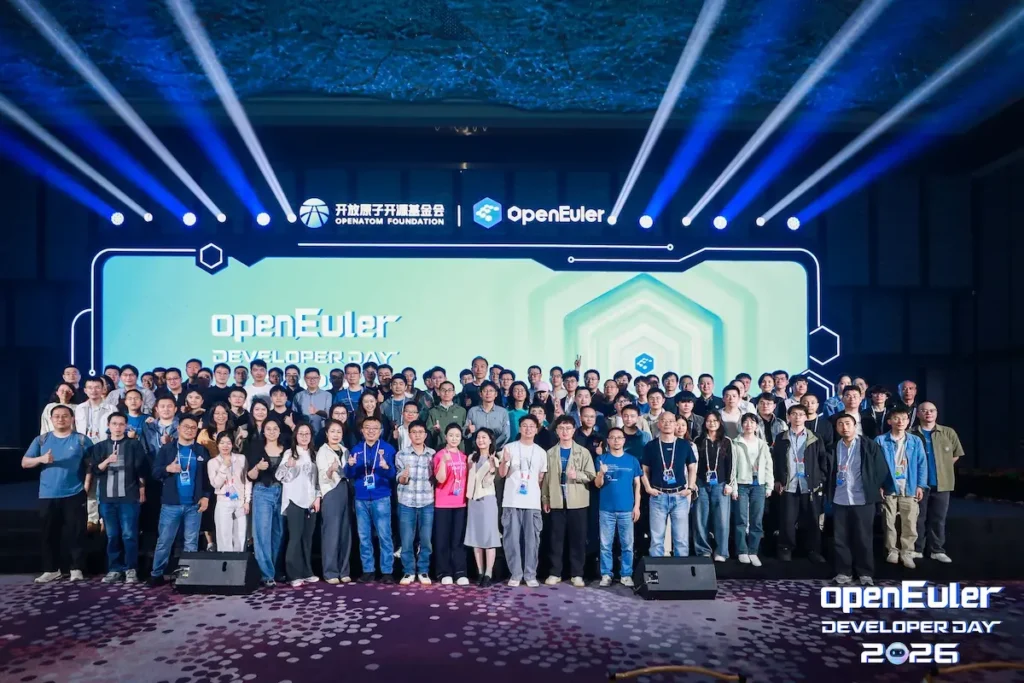
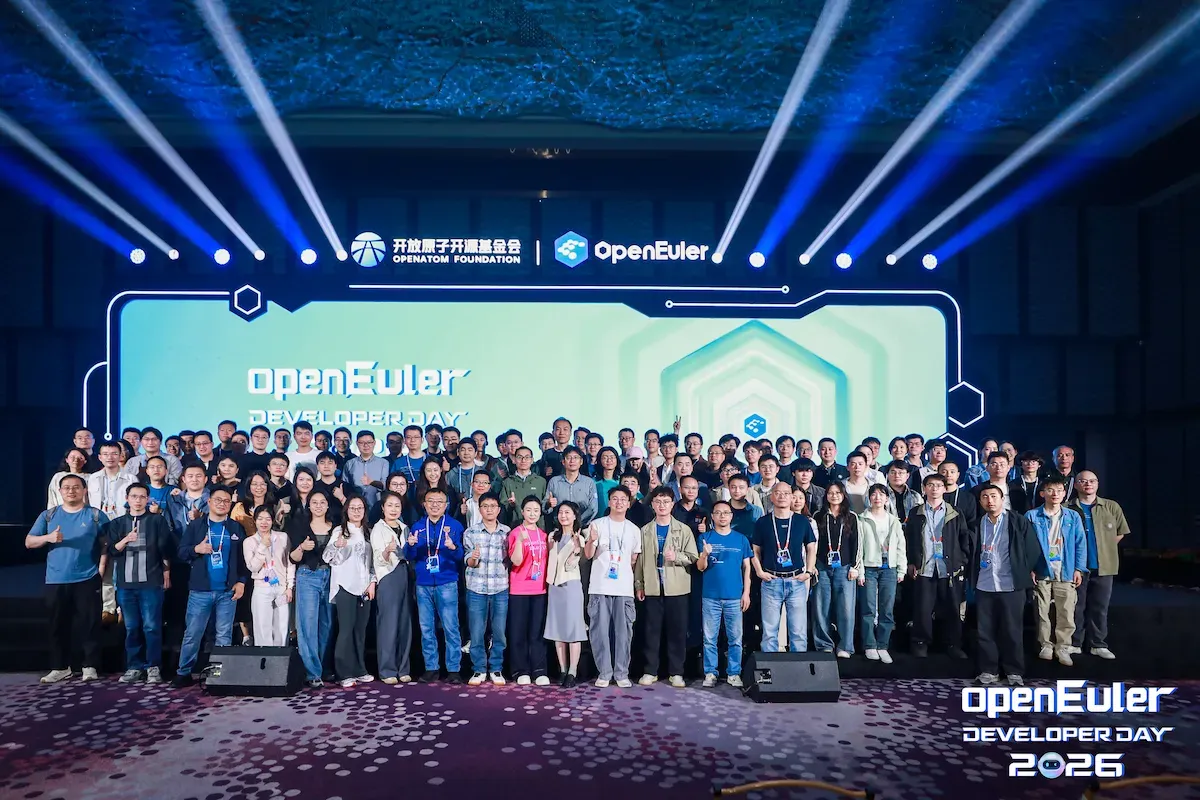
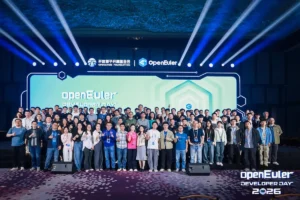
The landscape of Linux distributions is currently undergoing a tectonic shift. While many projects remain hesitant, adopting a "wait-and-see" approach to Artificial Intelligence—or in some cases, actively blocking AI-generated code contributions—the openEuler community has chosen a fundamentally different path. At the recent Developer Day 2026, the project unveiled a comprehensive, multi-layered strategy to transform itself into an "AgentOS," effectively positioning the operating system not just as a host for applications, but as an intelligent, autonomous partner for developers and end-users alike.
By integrating AI into its core development workflows, its distribution infrastructure, and the desktop experience itself, openEuler is betting that the future of computing lies in "agentic" capabilities—systems that can perceive, reason, and act within the environment to solve complex problems without constant manual intervention.
The Three Pillars of the AI-First Ecosystem
The vision presented by the openEuler Technical Committee is far more than a mere wrapper for chatbots. The strategy relies on three distinct pillars: the community’s development plumbing, the workstation environment, and the runtime layer that allows AI agents to operate safely and efficiently.
1. Reimagining the Community Pipeline
Before asking users to trust AI-driven processes, the openEuler community has turned the spotlight inward. The project is currently overhauling its Continuous Integration (CI) pipelines. Kernel patches, which have historically required meticulous manual review, are now being subjected to AI-assisted analysis. These agents scan code for common pitfalls and stylistic inconsistencies before a human maintainer even opens the ticket, drastically reducing the "noise" in the review process.
Perhaps more significantly, the project is automating the creation of package spec files—the vital "recipes" required to build RPM packages. For many potential contributors, the complexity of these files is a barrier to entry. By automating this, openEuler hopes to lower the hurdle for new maintainers while simultaneously ensuring higher consistency across its massive repository.
2. The Workstation Evolution
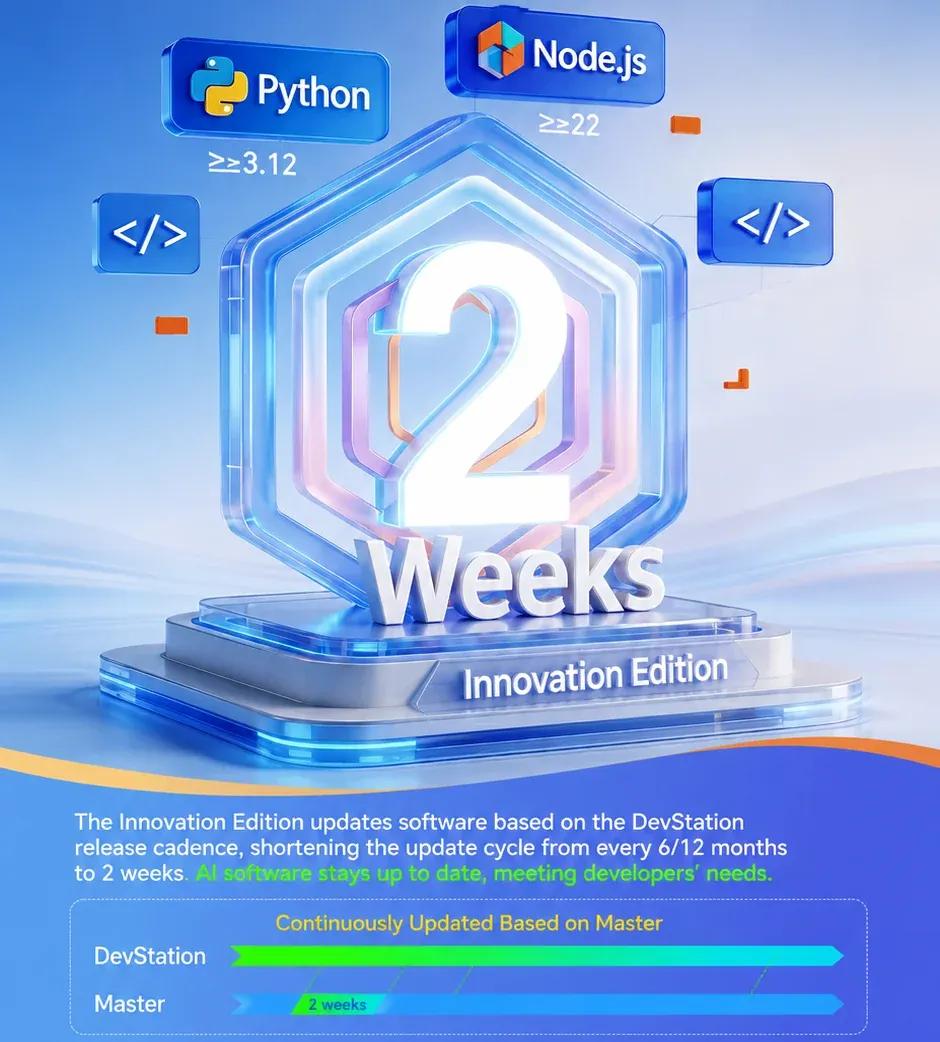
The second pillar addresses the "stale software" problem. AI agents and LLM-powered development tools are moving fast, often requiring the absolute latest versions of language runtimes like Python 3.12 or Node.js 22. Traditional enterprise distributions, with their conservative, multi-year update cycles, often leave developers stranded on legacy stacks.
To combat this, openEuler has introduced the "Innovation Edition" of its DevStation. By tracking the master branch and pushing updates every two weeks, the project ensures that developers have access to the bleeding-edge runtimes required by modern AI agents. This marks a departure from the traditional "stable-at-all-costs" mentality, favoring a hybrid approach that allows for agility without sacrificing the security of the underlying core.
3. The Runtime Environment: AgentOS
Finally, the project is architecting the OS itself to handle "Agentic" workloads. This involves a shift from treating software as static binaries to treating them as interactive agents. This "AgentOS" framework is built on a modular design: an Application layer for agents like Claude Code or OpenClaw, a Service layer for orchestration, and a Kernel layer that enforces security and resource management.

Chronology of Development: From Concept to Reality
The transition to an AI-native OS did not happen overnight. The following timeline illustrates how openEuler systematically built its current capabilities:
- Early 2026 (Foundation Building): The Infrastructure Special Interest Group (SIG) began the development of the "CVE repair agent team." This team, composed of six distinct roles ranging from architect to QA, established the blueprint for autonomous bug remediation.
- April 2026 (Infrastructure Reporting): The community published reports detailing the success of the CVE repair agent. The system proved capable of parsing CVE issues, submitting pull requests (PRs), and—crucially—learning from build failures in the EulerMaker logs.
- April 25, 2026 (Developer Day): The official "AgentOS" roadmap was unveiled. This marked the public pivot where openEuler formally declared its intention to become an environment optimized for AI agents.
- Mid-2026 (Standardization): The project doubled down on the Model Context Protocol (MCP). By deploying an openEuler Portal MCP Server, the project allowed external tools like Cursor and Cline to query the community’s data in natural language, effectively turning the entire distribution into a searchable, programmable knowledge base.
- Late 2026 (Refinement): Focus shifted toward hardware-level optimization. The introduction of projects like Conch (for sandbox isolation) and X-LITE (for token inference acceleration) signaled that the project was moving from high-level features to performance-critical infrastructure.
Supporting Data and Technical Innovations
The promise of "AgentOS" is backed by several technical innovations that aim to solve the primary friction points of running AI agents locally.
The Conch Sandbox Engine
Running untrusted AI agents on a host machine is a security nightmare. OpenEuler’s solution is Conch, a sandbox engine that provides near-instantaneous isolation. By utilizing lightweight virtual machines (VMs) that leverage snapshot technology, Conch can resume a complete filesystem and memory state in roughly 100 milliseconds. This provides the security of a full VM with the agility of a container, a "best-of-both-worlds" scenario that is currently the gold standard in the industry.
Efficiency and Token Optimization
Cost and latency remain the biggest barriers to widespread AI adoption. Through the integration of LMCache and the GVirt project (via the X-LITE runtime), openEuler has optimized the token lifecycle. By caching repeated context and accelerating inference, the project reports a 20% to 30% improvement in Time to First Token (TTFT). For agents that perform thousands of calls, these micro-efficiencies translate into significant tangible savings.
Security via eBPF
Perhaps the most ambitious security feature is the use of eBPF (Extended Berkeley Packet Filter) to monitor agent behavior. Unlike traditional sandboxing that restricts access, the AgentOS uses eBPF to observe the actions of an agent in real-time. If an agent attempts to access sensitive files or make unauthorized network calls, the system can intercept and block the behavior instantly, regardless of the agent’s own internal "logic."
Official Stance and Strategic Implications
Hu Xinwei, chairman of the openEuler Technical Committee, has been vocal about the project’s goals. He defines the initiative as a "production-grade AgentOS," emphasizing that the goal is not to create a flashy toy, but to solve real-world problems regarding security, usability, and the high cost of computing.
The strategic implication here is profound: openEuler is positioning itself as the "Operating System for the AI Age." By treating AI agents as first-class citizens rather than external tools, the distribution is creating a moat. If developers choose to build their agentic workflows on top of openEuler’s specific tooling (MCP servers, Conch sandboxes, and the Innovation Edition), they become deeply integrated into the openEuler ecosystem.
Furthermore, the community is actively inviting competition. By adopting the open Model Context Protocol (MCP), they are ensuring that their OS is not a "walled garden." Users are free to use Claude Code, OpenClaw, or any other agentic framework they choose, provided they adhere to the openEuler infrastructure standards.
The Road Ahead: Challenges and Observations
Despite the momentum, questions remain. While the community reports that the CVE repair agent has "significantly" shortened the repair cycle, the lack of published, audited figures makes it difficult for outside observers to quantify exactly how much of a productivity gain is being realized. Additionally, the shift toward a two-week update cycle in the Innovation Edition introduces new risks regarding package stability that the community will need to manage as the user base grows.
However, the trend is clear. openEuler is no longer just a Linux distribution; it is a laboratory for the future of human-computer interaction. By automating the mundane tasks of maintenance, providing a high-speed sandbox for autonomous agents, and keeping the software stack perpetually current, openEuler is addressing the specific pain points that have kept other Linux distributions stuck in the previous decade.
For the contributor, the change is immediate: less time spent on spec files and repetitive security patches. For the developer, the platform offers a streamlined environment where the OS handles the context, the security, and the efficiency of the AI. As we move deeper into 2026 and beyond, the success of the "AgentOS" model will likely force other major Linux players to either follow suit or risk becoming obsolete in a world where the operating system is expected to be as smart as the applications it runs.
Whether this vision succeeds will depend on the community’s ability to maintain its security guarantees as the agentic ecosystem scales. For now, openEuler stands as the most aggressive, well-architected, and transparent attempt to redefine the desktop for the era of intelligence. It is a bold experiment that every Linux user—and every developer—should be watching closely.