Revolutionizing Cloud Observability: Amazon Unveils CloudWatch Omni with AI-Powered Intelligence and Unified Team Workspaces
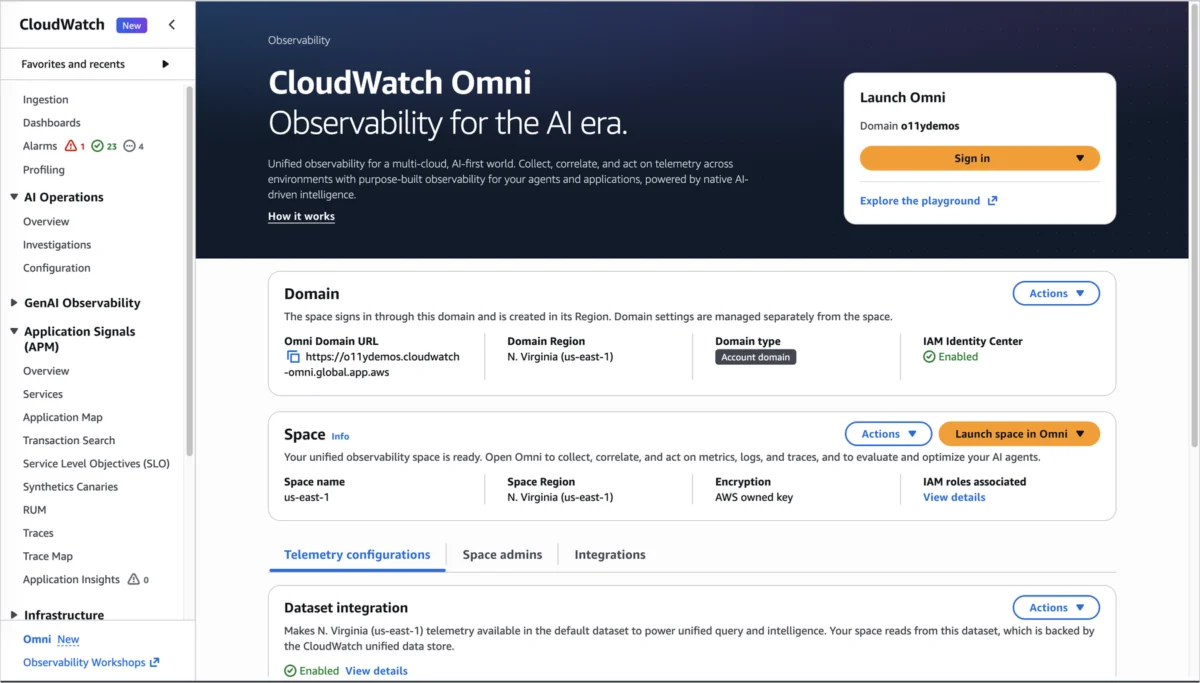
SEATTLE — In an era where modern cloud architectures scale into hundreds of interconnected microservices and generative AI workloads, traditional system monitoring has become an exercise in digital archeology. SREs, developers, and platform engineers have long drowned in a sea of static dashboards, fragmented alert thresholds, and disjointed investigation tools.
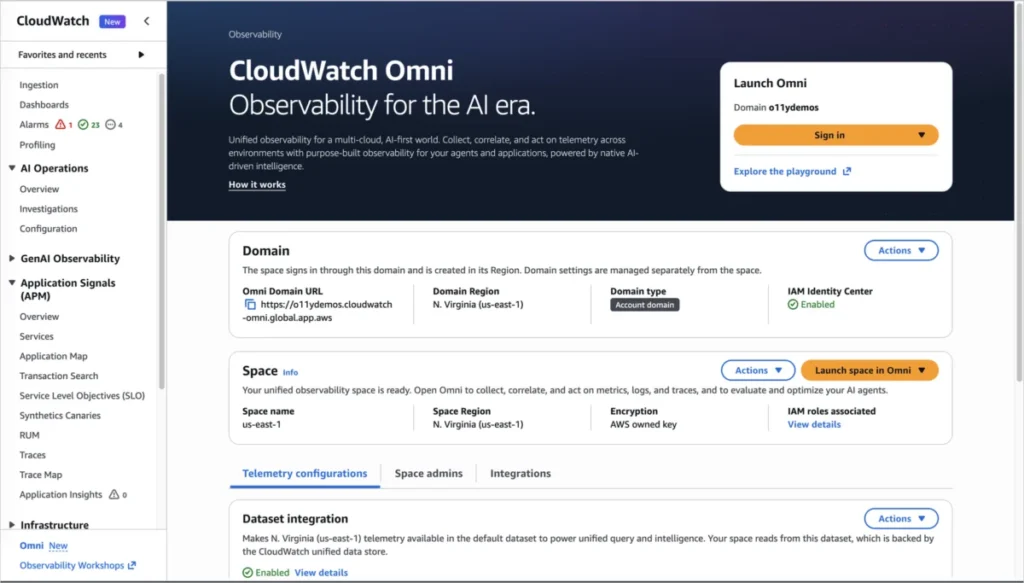
Addressing this critical enterprise bottleneck, Amazon Web Services (AWS) has officially announced the launch of Amazon CloudWatch Omni. Built natively on OpenTelemetry and integrated with advanced artificial intelligence, CloudWatch Omni introduces a radical paradigm shift: moving observability away from siloed infrastructure metrics and organizing it directly around holistic application health, team collaboration, and automated root-cause analysis.
Main Facts
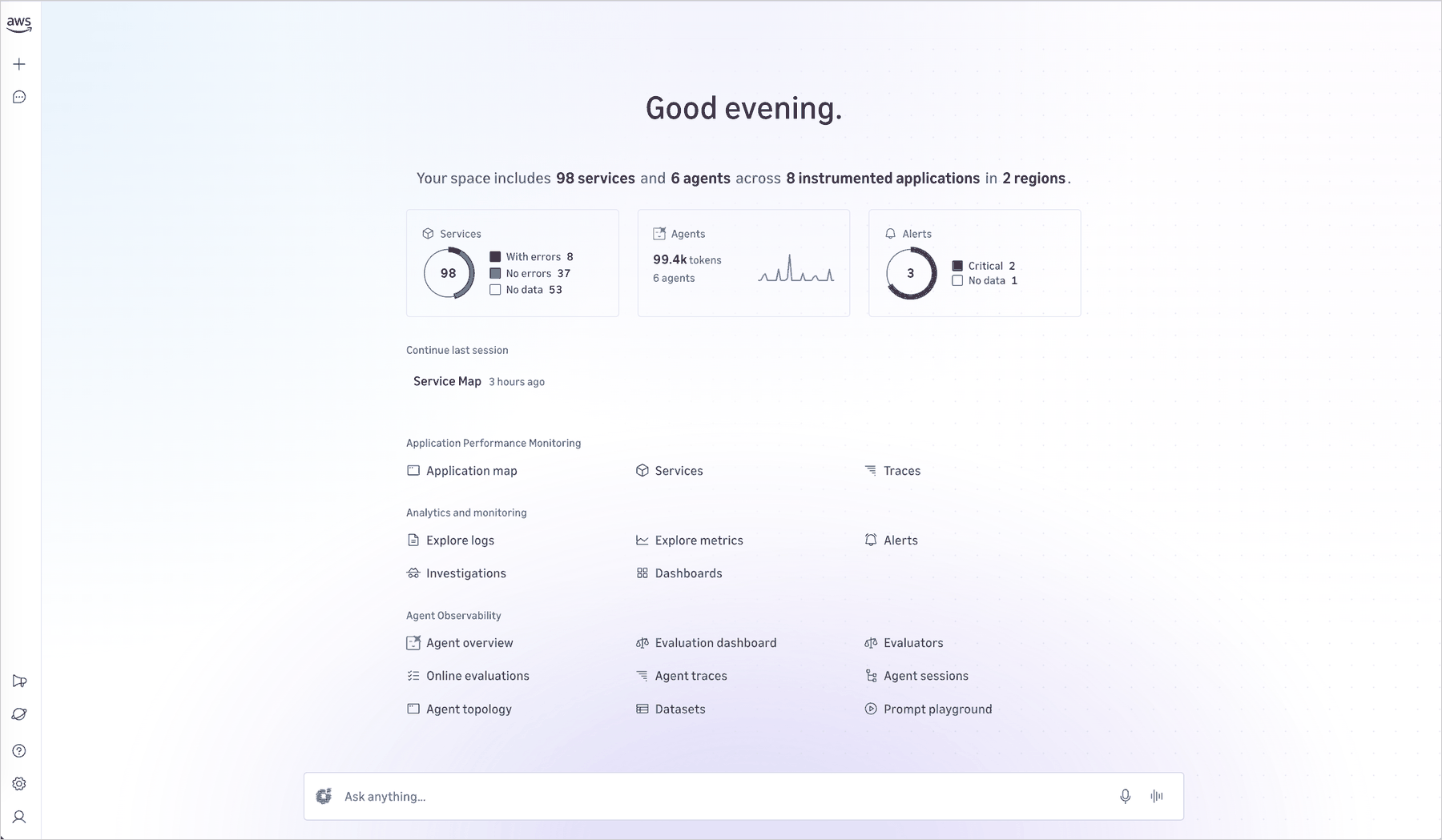
Amazon CloudWatch Omni is an AI-powered, unified observability experience designed to manage both traditional distributed applications and modern generative AI/agentic workloads within a single interface.
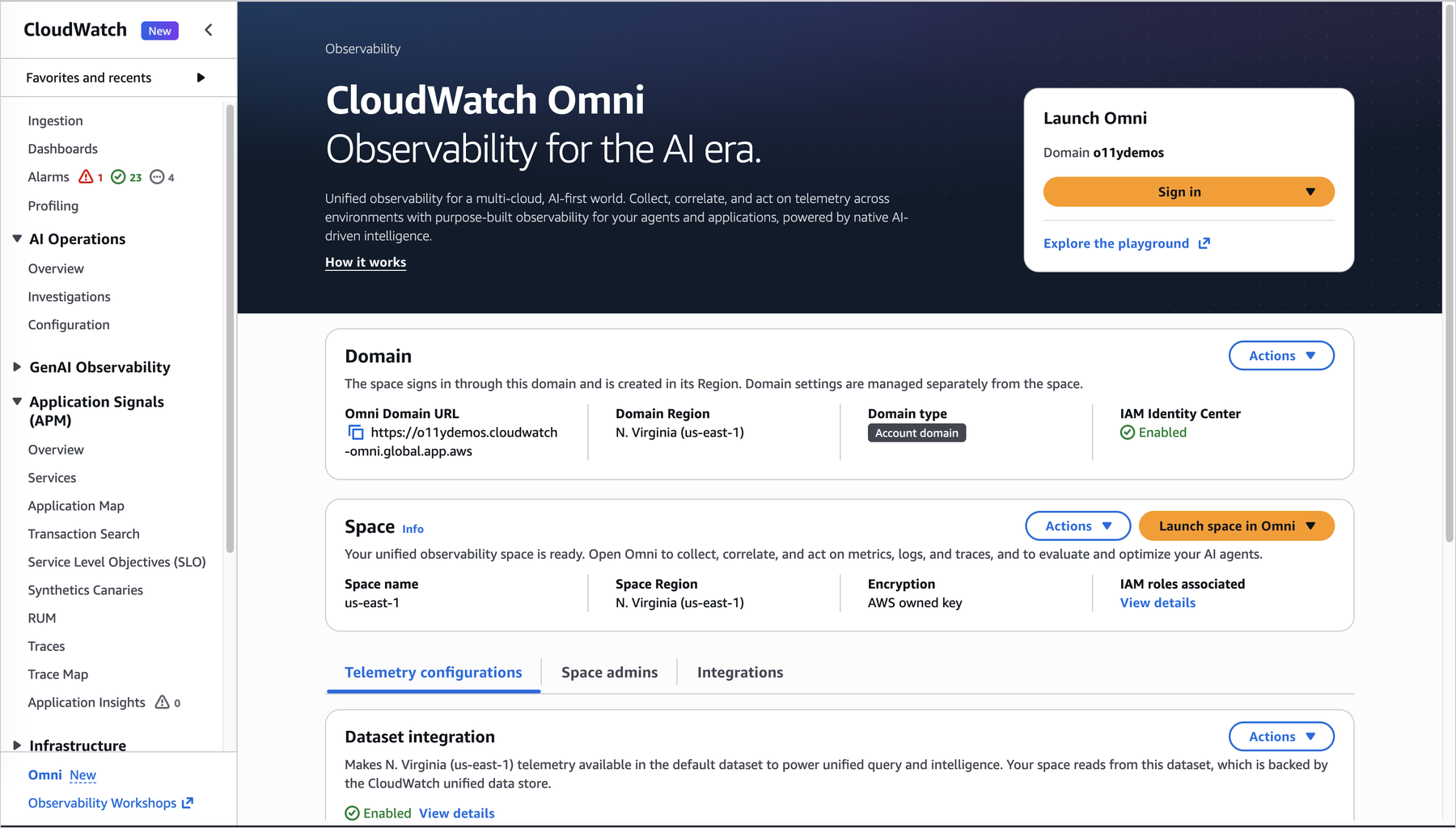
Rather than requiring users to log into the AWS Management Console, Omni provides a dedicated organizational URL. It relies on existing enterprise single sign-on (SSO) frameworks via AWS IAM Identity Center—supporting providers such as Okta and Microsoft Entra ID (formerly Azure AD).
Key architectural highlights of CloudWatch Omni include:
- OpenTelemetry-Native Foundation: Omni leverages OpenTelemetry out of the box. Telemetry data already flowing into CloudWatch appears automatically without reconfiguration, while external workloads feed data via standard OpenTelemetry Protocol (OTLP) endpoints.
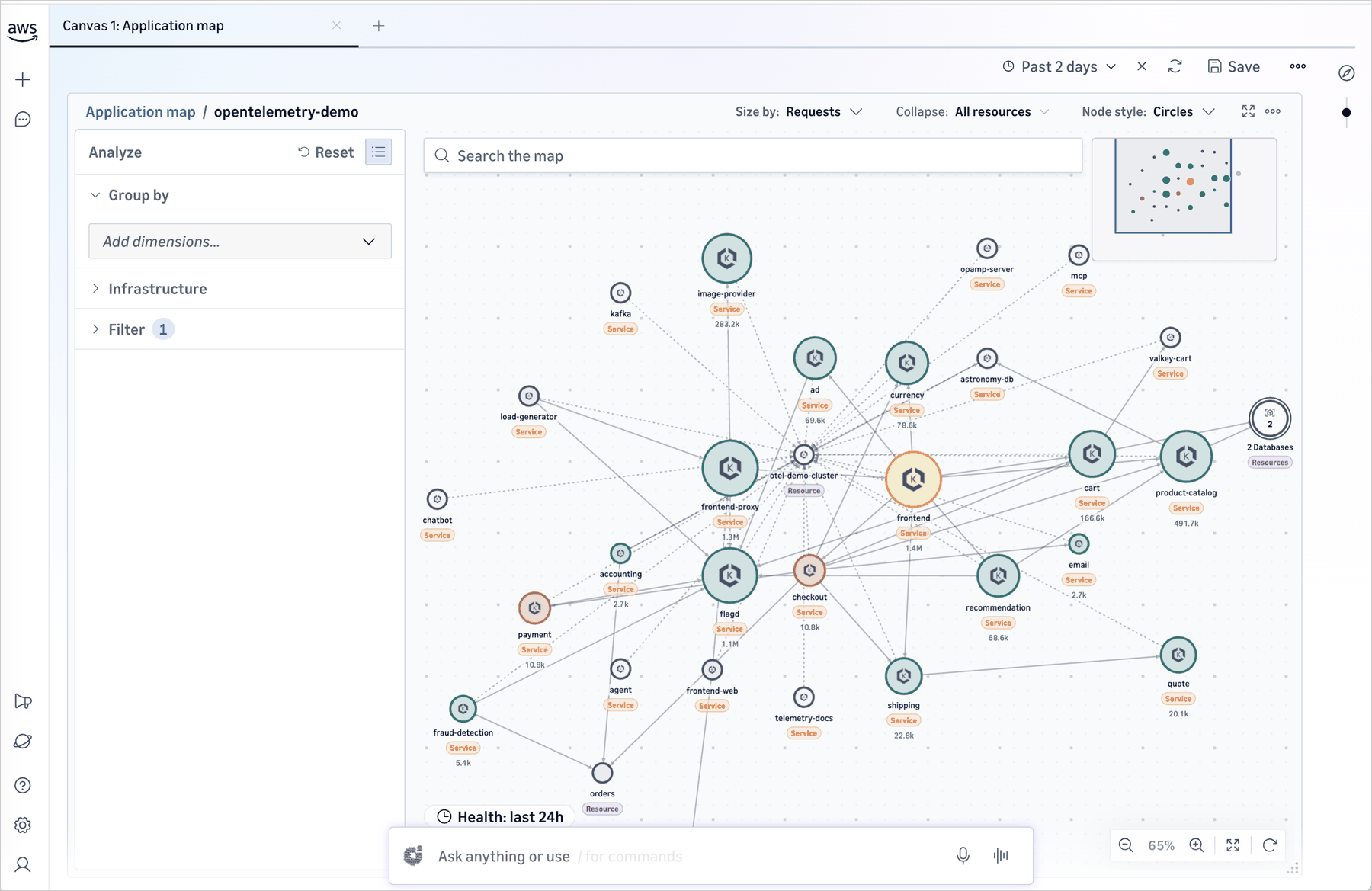
- Application-Centric Organization ("Spaces"): Workloads are grouped into collaborative workspaces called "Spaces," mapping application topology and dependencies dynamically rather than forcing engineers to curate static dashboards manually.
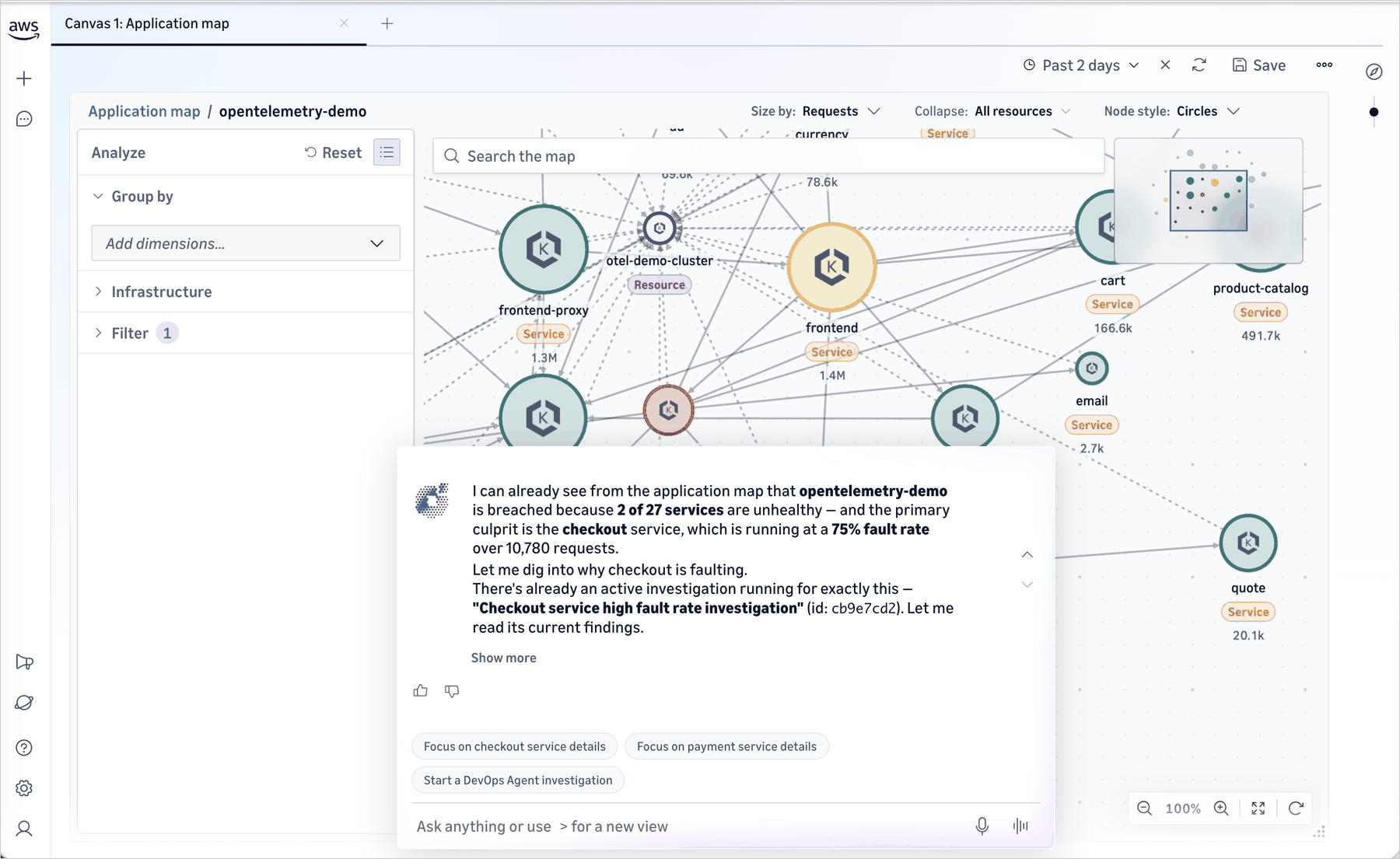
- Amazon DevOps Agent Integration: An autonomous AI partner sits within investigation sessions, correlating anomalies, tracing dependency graphs, and chatting in natural language to surface root causes.
- Zero Data Movement: Omni points directly at existing CloudWatch logs, metrics, traces, and alarms without duplicating data storage.
Chronology: The Evolution to Autonomous Observability
To understand the significance of CloudWatch Omni, one must trace the compounding complexity of cloud-native architectures over the past decade.

- Early 2010s (Infrastructure Monitoring): Monitoring tools focused strictly on server health—CPU utilization, disk space, and network input/output. Systems were monolithic, and failures were localized.
- Late 2010s (The Microservices Explosion): As enterprises decomposed monoliths into microservices, the volume of metrics and logs skyrocketed. Observability shifted toward specialized tooling for logs, metrics, and application performance monitoring (APM). However, tools remained isolated.
- Early 2020s (The Silo Crisis): Engineering teams spent up to half of their incident response lifecycles jumping between disparate tools, manually correlating timestamps across Slack channels, screenshots, and dashboards.
- Mid 2020s (The Generative AI Era): The rapid adoption of generative AI models, vector databases, and multi-agent workflows introduced entirely new categories of failure states—such as non-deterministic token latencies, prompt regressions, and agent loop failures—which traditional monitoring tools were fundamentally unequipped to handle.
- September 2026 (The Launch of CloudWatch Omni): AWS introduces CloudWatch Omni in a dual-release strategy—unveiling agentic and generative AI observability in a companion post, followed immediately by the general availability of comprehensive application observability.
Supporting Data and Architecture
Engineering telemetry has long suffered from the "fragmentation penalty." During a high-severity incident, context is routinely lost as problems cross team boundaries. CloudWatch Omni relies on structured architectural frameworks to solve this friction:
1. Collaborative Workspaces ("Spaces")
Spaces break down organizational walls. By mapping an application’s architecture through automated service discovery and AWS Config resource graphing, Omni creates an authoritative topology map. When an alert fires, an investigation session opens with pre-loaded context. If an SRE must escalate an issue to a database or payments team, the incoming engineer joins the exact same session with all prior diagnostic findings, trace graphs, and AI suggestions immediately visible.
2. Natural Language Telemetry Queries
Instead of writing complex queries in domain-specific languages under pressure, engineers can query their systems using plain English. For example, typing "Show me all database timeout errors correlated with the checkout deployment ten minutes ago" prompts Omni to parse the underlying trace and log data instantly.
3. The Amazon DevOps Agent in Action
The DevOps Agent acts as an active participant in triage. Operating strictly on verified telemetry, it performs three vital functions during an incident:
- Anomaly Correlation: Automatically links code deployments, upstream API latency spikes, and downstream infrastructure alerts.
- Path Tracing: Isolates failing endpoints across complex microservice call graphs.
- Incident Documentation: Maintains a pristine historical ledger of the investigation, removing the need for manual post-mortem incident reports.
Official Responses and Strategic Perspectives
AWS leadership emphasizes that CloudWatch Omni was born directly out of enterprise feedback regarding cognitive overload during crisis management.
"Engineering teams spend a staggering amount of time simply maintaining dashboards, tuning thresholds, and hunting for context across disparate windows," notes the AWS CloudWatch engineering team. "When an issue crosses team boundaries, context evaporates into Slack threads. CloudWatch Omni brings your whole team into the same workspace, powered by an AI agent that actually understands the live state of your application."
Industry analysts have noted that Omni represents AWS’s aggressive push into the high-stakes observability market—historically dominated by third-party Software-as-a-Service (SaaS) vendors like Datadog, Dynatrace, and New Relic. By eliminating the need for data movement and integrating directly into enterprise IAM and OpenTelemetry standards, AWS is betting that native, AI-driven unification will appeal heavily to cost-conscious and security-focused enterprises.
Furthermore, by addressing generative AI and agentic workloads head-on, AWS is securing its position as the foundational infrastructure layer for the next generation of software development.
Implications for the Enterprise
The rollout of CloudWatch Omni carries profound implications for software engineering organizations, security postures, and financial management.
Operational Efficiency and MTTR (Mean Time to Resolution)
By automating the tedious aspects of incident response—such as manually stitching together trace IDs, drawing service maps, and writing post-incident summaries—Omni drastically reduces MTTR. On-call burnout is minimized because engineers no longer need to decipher thousands of raw log lines in isolation.
Democratization of Diagnostics
Because Omni interfaces are accessed via a dedicated URL with single sign-on (and require zero AWS Management Console privileges), non-engineers such as product managers, technical account managers, and database administrators can participate in investigations safely. They gain visibility into application health without risking accidental infrastructure modifications via the AWS Console.
Financial and Architectural Simplicity
Many enterprise observability platforms charge heavily for data ingestion and data egress, making comprehensive monitoring prohibitively expensive. CloudWatch Omni’s "zero data movement" architecture ensures that companies leverage the storage and telemetry streams they already maintain within AWS and OpenTelemetry endpoints, mitigating runaway monitoring bills.
Getting Started with CloudWatch Omni
Adoption paths vary depending on an organization’s current maturity with AWS:
- Existing CloudWatch Customers: Administrators can navigate to the Amazon CloudWatch console and select "Try CloudWatch Omni." All historical logs, metrics, traces, and alarms automatically populate the new workspace with zero data re-architecture required.
- Organization-Wide Deployments: IT administrators can connect corporate identity providers (such as Okta or Microsoft Entra ID) via AWS IAM Identity Center, define custom Spaces for different engineering domains, and invite users to dedicated organizational URLs.
- External and Multi-Cloud Environments: Teams running workloads outside of AWS can leverage Omni’s OpenTelemetry Protocol (OTLP) endpoints and connectors to stream external telemetry into the same unified Spaces.
Pricing details and regional availability updates can be found directly on the official Amazon CloudWatch Pricing and CloudWatch Omni product pages. As generative AI agents and complex distributed systems become the standard architecture for modern business applications, tools like CloudWatch Omni signal a definitive transition toward intelligent, autonomous, and deeply collaborative cloud management.