Empowering the Future of AI: Google Announces the 3rd Annual Women in Machine Learning Symposium 2023
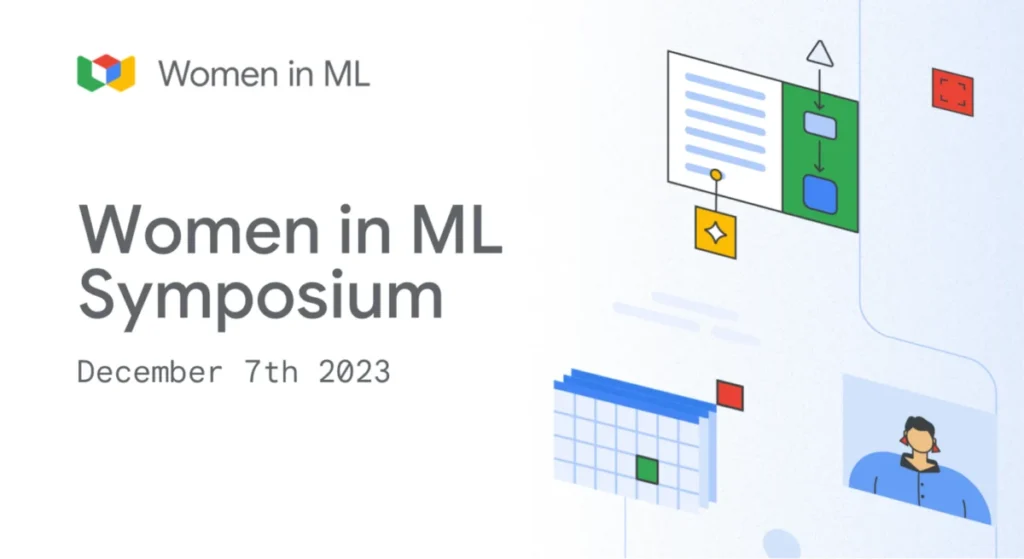
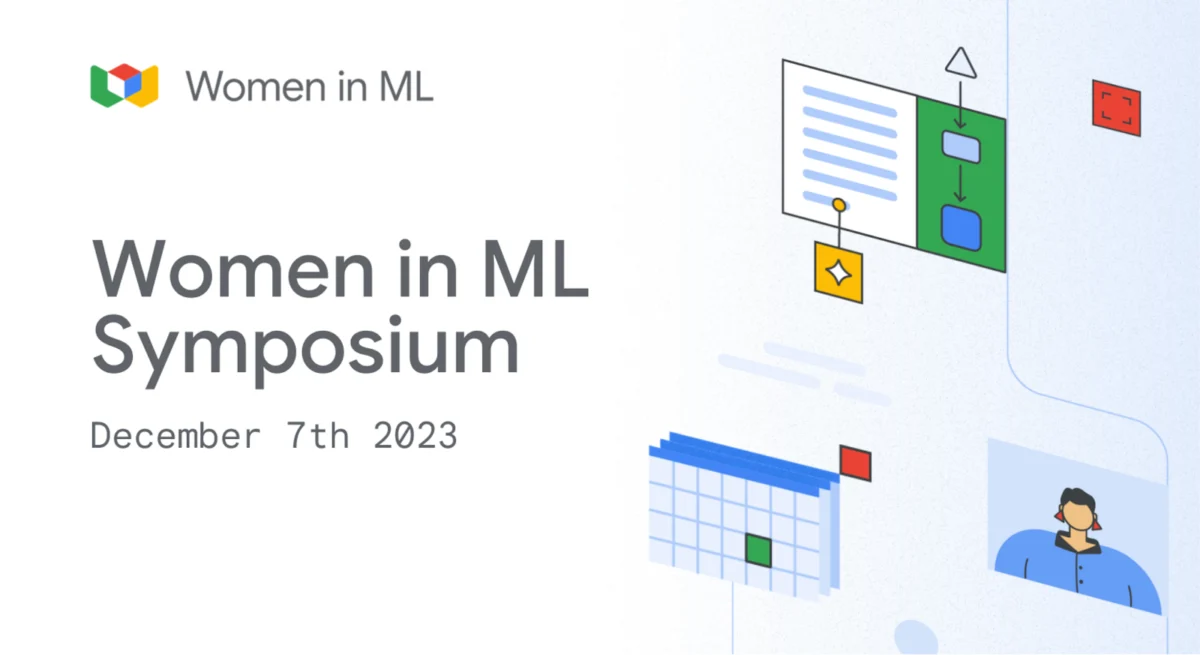
SAN FRANCISCO, CA — As artificial intelligence (AI) and machine learning (ML) continue to redefine the boundaries of human capability, industry leaders are placing a renewed emphasis on fostering diversity and inclusion within the technical workforce. In alignment with this mission, Google has officially announced the return of the Women in Machine Learning (WiML) Symposium, marking its third consecutive year as a premier global platform for education, networking, and innovation.
Spearheaded by Sharbani Roy, Senior Director of Product Management at Google, this year’s virtual event is scheduled for December 7, 2023, running from 9:30 AM to 1:00 PM PT. Designed to cater to a diverse demographic—ranging from curious beginners taking their first steps in Python to seasoned AI architects managing enterprise-scale models—the symposium promises a comprehensive curriculum examining the current state and future trajectory of intelligent systems.
This year’s agenda arrives at a critical juncture in the technology sector. With generative AI dominating headlines, enterprise adoption accelerating, and ethical considerations surrounding data privacy taking center stage, the WiML Symposium provides an essential forum for diverse voices to shape how these technologies are researched, built, and deployed.
Main Facts
The 2023 Women in Machine Learning Symposium is a flagship virtual event hosted by Google, designed to spotlight, support, and connect women and allies in the fields of AI and ML.
- Date: December 7, 2023
- Time: 9:30 AM – 1:00 PM PT
- Format: Virtual event, accessible globally
- Registration: Open now via the official Google AI Developers event page.
- Core Focus Areas: Generative AI, privacy-preserving AI, hardware accelerators, ML frameworks, cross-industry applications, open-source tools, and foundational concepts.
- Featured Organizations: Alongside Google and Google Health, the event features expert speakers and leadership perspectives from prominent technology giants, including Nvidia and Adobe.
The symposium is structured to break down silos between different tiers of technical expertise. Rather than catering exclusively to advanced researchers, the event intentionally spans multiple learning tracks, ensuring that students, software engineers, data scientists, and product managers can all extract actionable insights.
Chronology of the Initiative: Building a Movement
To understand the significance of the 2023 symposium, it is necessary to examine the trajectory of Google’s commitment to inclusive AI development over recent years.
The Genesis and Evolution of WiML
The journey toward the annual symposium began years prior as grass-roots community groups, internal employee resource groups, and external advocates pushed for greater visibility of women in technical fields where historical gender gaps have been pronounced.
- Pre-2021 (The Foundation): Google’s broader AI developer ecosystem recognized a persistent disparity in technical leadership and conference representation. While various localized meetups existed, there was a lack of a unified, large-scale global stage specifically dedicated to highlighting women driving state-of-the-art research and product development in machine learning.
- December 2021 (Laying Groundwork): Discussions intensified around creating dedicated digital spaces that could transcend geographic barriers. The push for remote-accessible, high-caliber technical training gained momentum in the wake of global shifts toward hybrid and virtual engagement.
- December 2022 (The 2nd Annual Symposium): Building on early successes, the 2022 Women in ML Symposium proved to be a watershed moment. It drew thousands of virtual attendees from across the globe, establishing a blueprint for how technical content could be delivered inclusively. The event explored core algorithmic advancements and validated the demand for mentorship-driven, community-focused technical forums.
- December 2023 (The 3rd Annual Symposium – Current Milestone): Today, the initiative has evolved into an institutional fixture on the tech calendar. Announced by Sharbani Roy, the 2023 iteration expands its cross-industry footprint by integrating insights from hardware pioneers like Nvidia and creative technology leaders like Adobe, reflecting the pervasive nature of AI across modern enterprise workflows.
Supporting Data & Technological Context
The urgency of events like the WiML Symposium is underscored by broader macroeconomic and industry-wide data regarding the AI talent pipeline, workforce demographics, and technological shifts.
The Gender Gap in AI Research and Leadership
According to various industry labor studies and academic analyses (including reports from the Stanford Institute for Human-Centered Artificial Intelligence – HAI):
- Workforce Representation: Women account for roughly 26% of data and AI positions globally—a figure that has seen sluggish growth despite overall exponential demand for technical talent.
- Leadership Deficit: At the executive and principal researcher levels, the representation of women drops even further, highlighting a "leaky pipeline" where talented practitioners leave the field due to systemic barriers, lack of mentorship, or isolation.
- The Innovation Cost: Studies in organizational psychology and technology development repeatedly demonstrate that diverse engineering teams build more robust, less biased, and universally applicable products. Homogeneous teams risk embedding blind spots into foundational algorithms that impact billions of global users.
The Technical Landscape of 2023
The content sessions at the 2023 symposium directly address the most pressing technological frontiers of the year:
- Generative AI and Large Language Models (LLMs): Moving beyond experimental prompts to enterprise deployment, fine-tuning, and Retrieval-Augmented Generation (RAG).
- Privacy-Preserving AI: As data regulation tightens globally (such as the EU AI Act and evolving GDPR frameworks), techniques like federated learning, differential privacy, and secure multi-party computation are transitioning from academic theory to corporate necessity.
- Hardware and Framework Optimization: The computational demands of modern models require a deep understanding of underlying accelerators (such as Google’s TPUs and Nvidia’s GPUs) and scalable ML frameworks (like TensorFlow and JAX).
Official Responses and Perspectives
Leadership from Google and participating organizations have emphasized that the symposium is not merely an educational webinar, but a strategic imperative for the future of the technology ecosystem.
"We’re back with the third annual Women in Machine Learning Symposium… Join us virtually for an immersive and insightful set of deep dives for every level of Machine Learning experience."
— Sharbani Roy, Senior Director of Product Management, Google
In framing the event, Roy and the organizing committee have stressed the importance of accessibility. By hosting the event virtually, Google removes logistical and financial barriers to entry, allowing students in developing regions, working parents, and professionals unable to travel to participate on equal footing.
Industry partners have similarly echoed the need for collaborative ecosystem building. Representatives from Nvidia and Adobe scheduled to speak at the event have noted that cross-pollination between hardware developers, software framework creators, and creative application builders is essential to solving complex AI challenges. By bringing these perspectives together under a banner of inclusive leadership, the symposium aims to model the kind of multidisciplinary collaboration required to steer artificial intelligence responsibly.
Implications for the Industry and Society
The long-term implications of initiatives like the Google Women in Machine Learning Symposium extend far beyond individual career advancement; they strike at the core of how society’s most powerful technological tools are built.
1. Cultivating Inclusive Product Development
When diverse practitioners are involved in designing machine learning models—from curating training datasets to tuning loss functions and deploying user-facing interfaces—the resulting technologies are inherently safer and more equitable. Diverse teams are statistically more likely to identify potential algorithmic biases, security vulnerabilities, and unintended social consequences before deployment.
2. Democratizing Access to High-Level Knowledge
By offering free, world-class educational sessions led by top-tier researchers and executives from Google Health, Adobe, and Nvidia, the symposium democratizes access to elite technical knowledge. Aspiring data scientists who may lack access to traditional Ivy League pipelines or expensive private bootcamps can gain direct exposure to cutting-edge methodologies and open-source tools.
3. Strengthening the Global AI Talent Pipeline
The technology sector faces a well-documented talent shortage, particularly in specialized domains like machine learning engineering and AI ethics. By actively engaging, mentoring, and retaining women in the technical workforce, the industry can unlock a vast, underutilized reservoir of talent, directly addressing the supply-demand imbalance that currently constrains enterprise innovation.
4. Shaping the Ethical Framework of AI
As AI systems assume greater autonomy in healthcare (via Google Health initiatives), creative production (via Adobe), and computing infrastructure (via Nvidia and Google Cloud), the ethical stewardship of these tools is paramount. Events that champion diverse leadership ensure that ethical considerations—such as fairness, transparency, accountability, and environmental sustainability—remain central to the engineering process rather than treated as afterthoughts.
Looking Ahead: How to Participate
As the countdown to December 7, 2023 continues, anticipation within the global developer community is palpable. The half-day program is engineered to maximize impact, combining visionary keynote addresses with granular technical deep dives.
Professionals, students, researchers, and technology enthusiasts eager to expand their knowledge of generative AI, privacy frameworks, and open-source tooling are encouraged to act quickly.
- Action Item: Secure your virtual seat by visiting the official registration portal at the Google AI Developers Event Page.
- Engage: Utilize event-associated social channels and community forums to connect with fellow attendees, share insights, and build lasting professional networks.
The future of artificial intelligence will be defined by the choices made today. Through platforms like the Women in Machine Learning Symposium, Google and its industry partners are helping ensure that the architects of tomorrow’s intelligent world reflect the rich diversity of the global society they serve.