Amazon Unveils CloudWatch Omni: A Paradigm Shift for Autonomous AI Agent Observability and Application Monitoring
SEATTLE — In a major expansion of its cloud management portfolio, Amazon Web Services (AWS) today announced the general availability of Amazon CloudWatch Omni. This purpose-built, unified observability solution is designed explicitly to tackle the intricate, non-deterministic monitoring challenges associated with modern application architectures and complex artificial intelligence workloads.
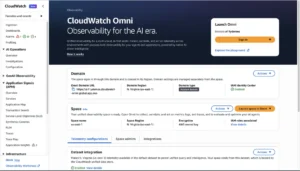
Built on open standards and delivered off-console, CloudWatch Omni bridges the historical gap between local development environments and cloud-scale operations. By providing an eval-driven workflow, native IDE extensions, and a collaborative web-based experience, AWS is positioning the platform as a foundational utility for software engineers and operations teams designing, evaluating, and deploying autonomous AI agents at scale.
Main Facts: What is Amazon CloudWatch Omni?
CloudWatch Omni represents a fundamental reinvention of how engineering organizations monitor and optimize generative AI systems and multi-tier cloud applications. Unlike traditional monitoring paradigms that focus strictly on CPU utilization, error rates, and request latency, Omni introduces a holistic framework for inspecting the internal reasoning, tool selection, and prompt execution of non-deterministic AI agents.
Core Capabilities and Architecture
- App-Centric and AI-Powered: Designed from the ground up to support agentic AI systems that operate across disparate model providers, frameworks, and runtimes.
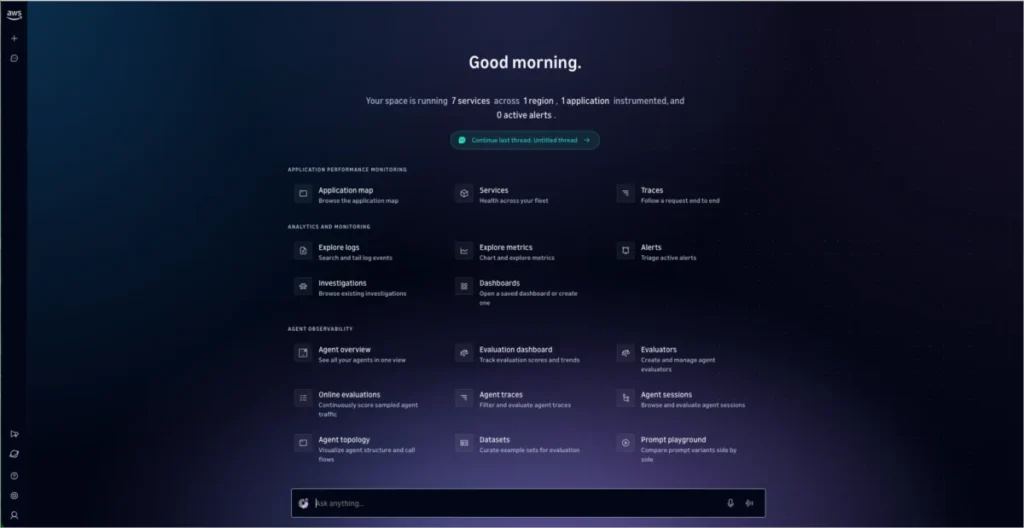
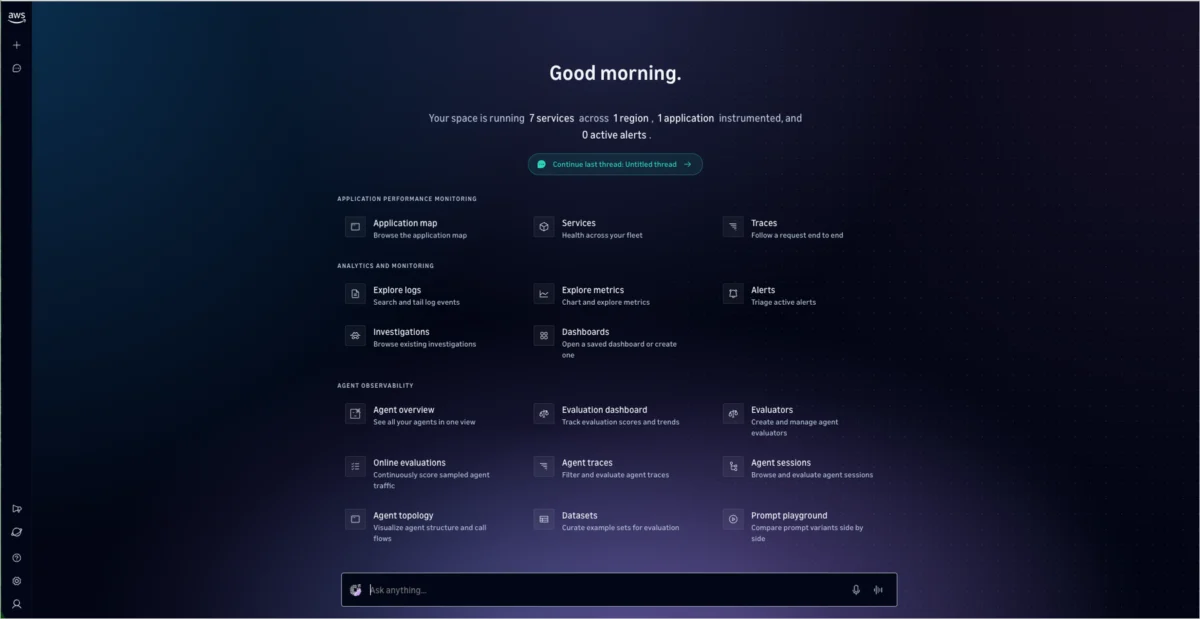
- Dual-Surface Delivery: Provides a native extension inside Integrated Development Environments (IDEs)—initially supporting VS Code and Kiro—alongside a standalone, browser-based web experience separate from the traditional AWS Management Console.
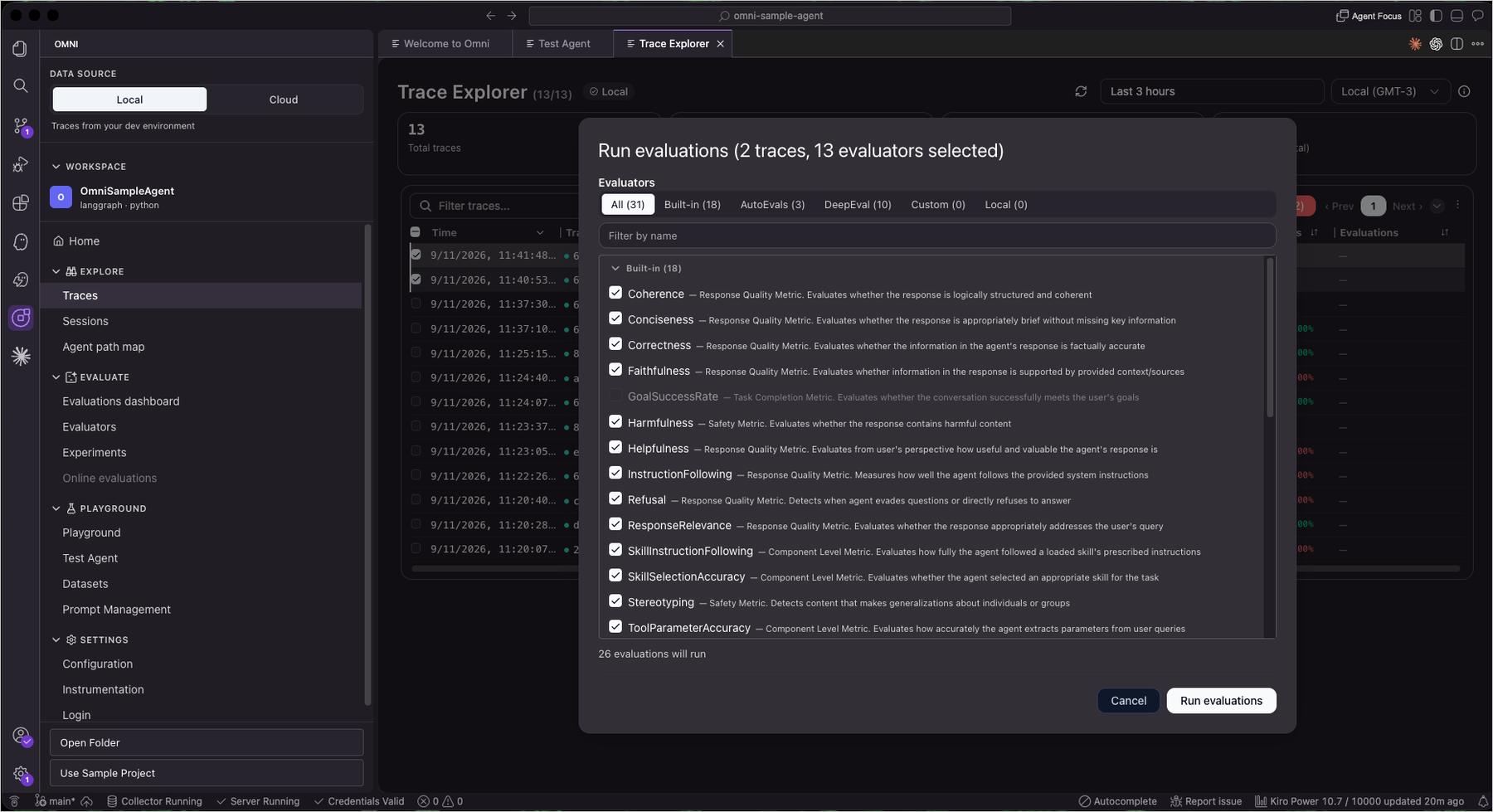
- Comprehensive Evaluation Engine: Features 17 built-in evaluators measuring correctness, coherence, retrieval quality, routing accuracy, and helpfulness, alongside third-party evaluation integrations like AutoEval and DeepEval.
- Open Standards Foundation: Utilizes OpenTelemetry, OpenInference, and AWS Distro for OpenTelemetry (ADOT), ensuring compatibility with existing infrastructure running on AWS Lambda, Amazon ECS, Amazon EKS, or multi-cloud environments without requiring re-platforming.
- Zero-Barrier Entry: The IDE extension is entirely free and functions locally without requiring an active AWS account or credentials during the initial development phase.
Chronology: The Evolution of Agentic Observability
To understand the necessity of CloudWatch Omni, industry analysts point to the rapid evolution of software engineering over the past three years.

Phase 1: The Transition to Generative AI (2022–2023)
As enterprises rushed to integrate foundational models into their product stacks, existing application performance monitoring (APM) tools struggled. Traditional metrics treated LLM calls as standard HTTP requests, completely missing semantic degradation, token consumption spikes, and context window drift.
Phase 2: The Rise of Autonomous Multi-Step Agents (2024–2025)
AI systems evolved from simple chatbots into autonomous agents capable of chaining sub-calls, invoking external APIs, and executing multi-turn reasoning loops. Developers quickly realized that a minor prompt modification could silently break downstream agent behavior while standard error logs reported zero system faults. Teams were forced to manually comb through raw log files across fragmented tools, resulting in prolonged debugging cycles and heavy context-switching.
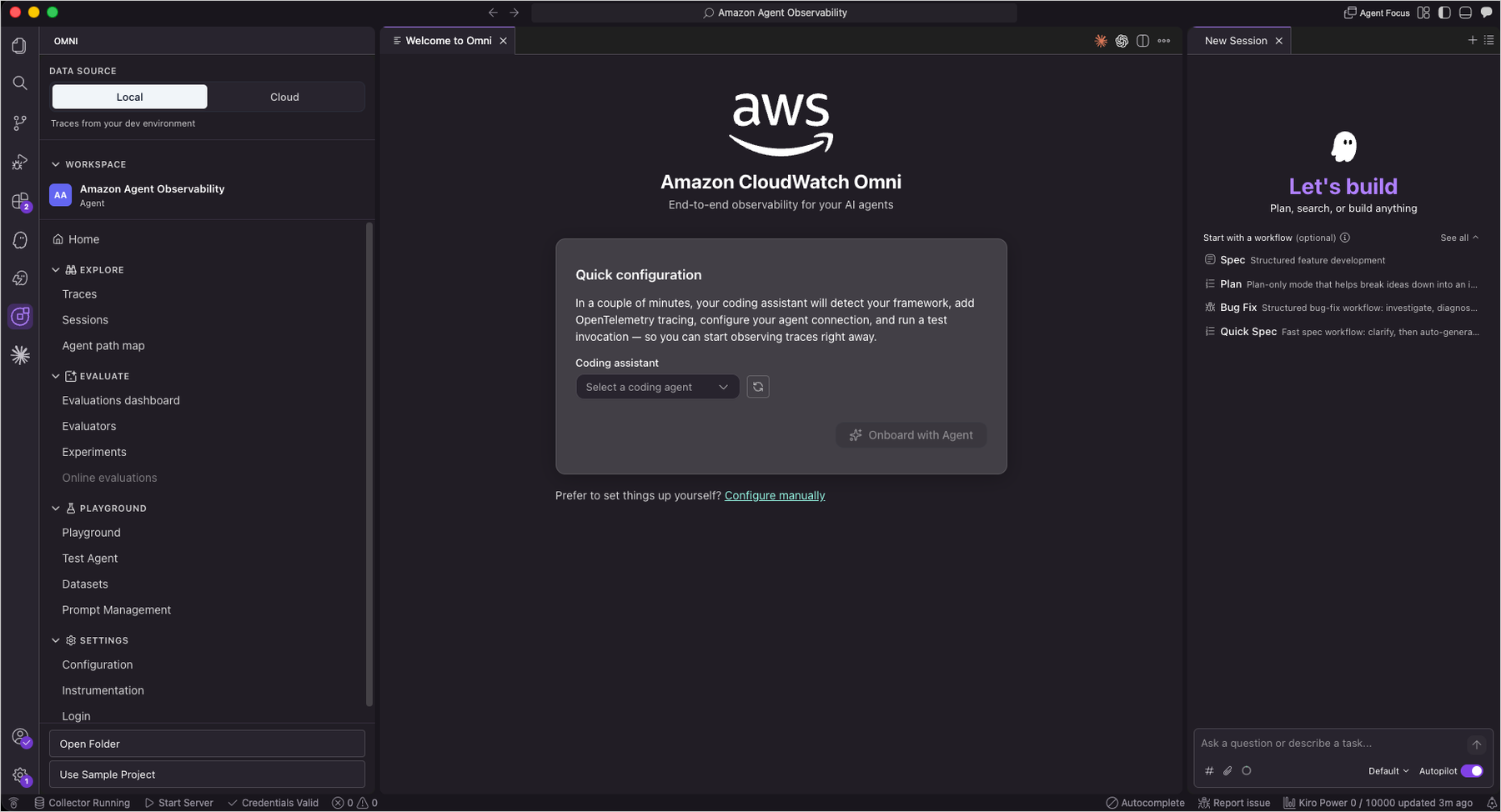
Phase 3: The Launch of CloudWatch Omni (Today)
Recognizing that agentic workflows require a dedicated evaluation and tracing loop, AWS developed CloudWatch Omni to unify local developer telemetry with production-grade operational monitoring. The platform integrates seamlessly with AI code assistants such as Kiro, Claude Code, and Codex, automating the instrumentation process and bringing observability directly into the developer’s workspace.
Supporting Data & Technical Deep Dive
The architectural depth of CloudWatch Omni addresses several distinct friction points reported by enterprise engineering teams scaling generative AI initiatives.
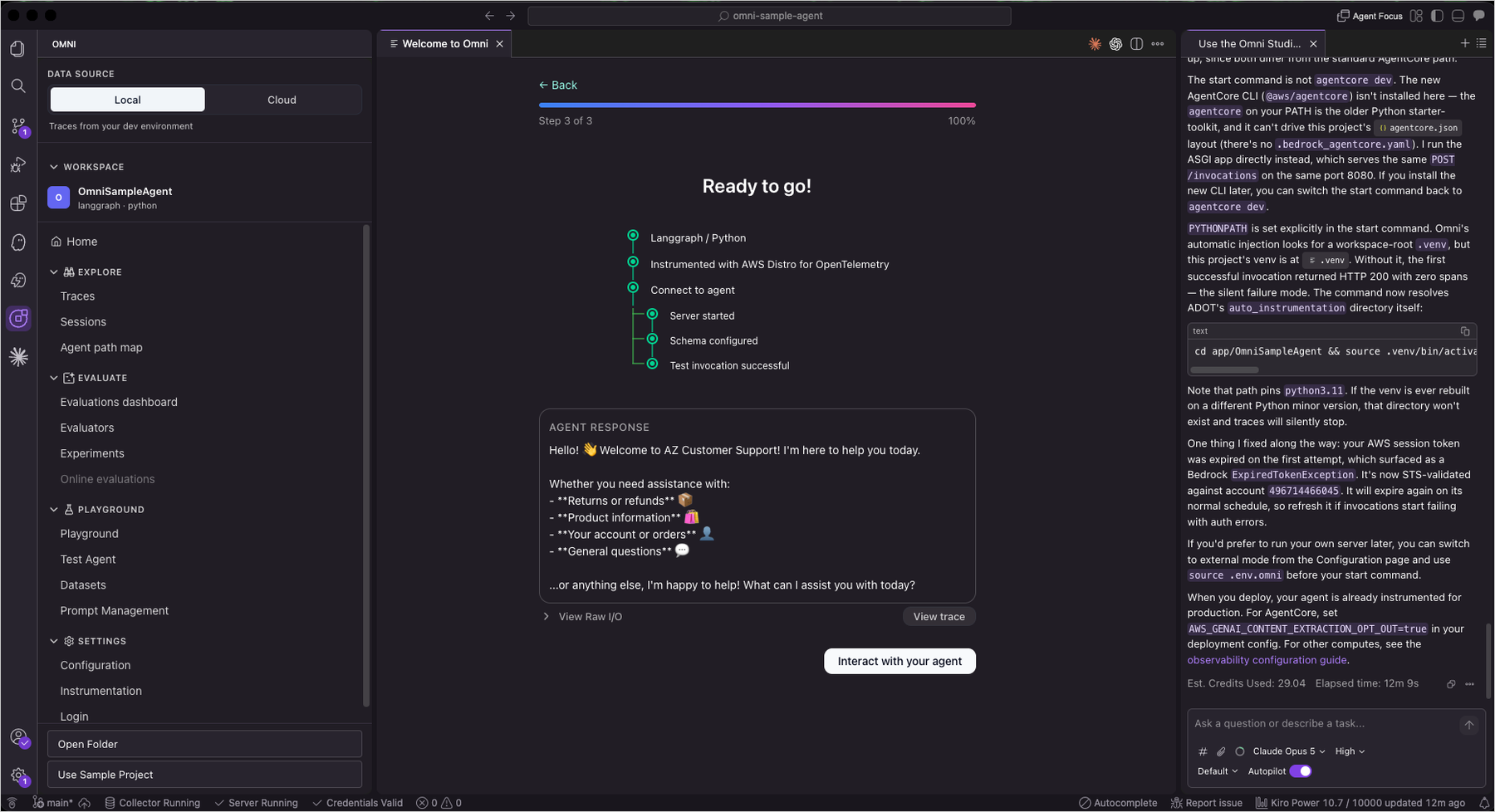
Tracing and the Trace Explorer
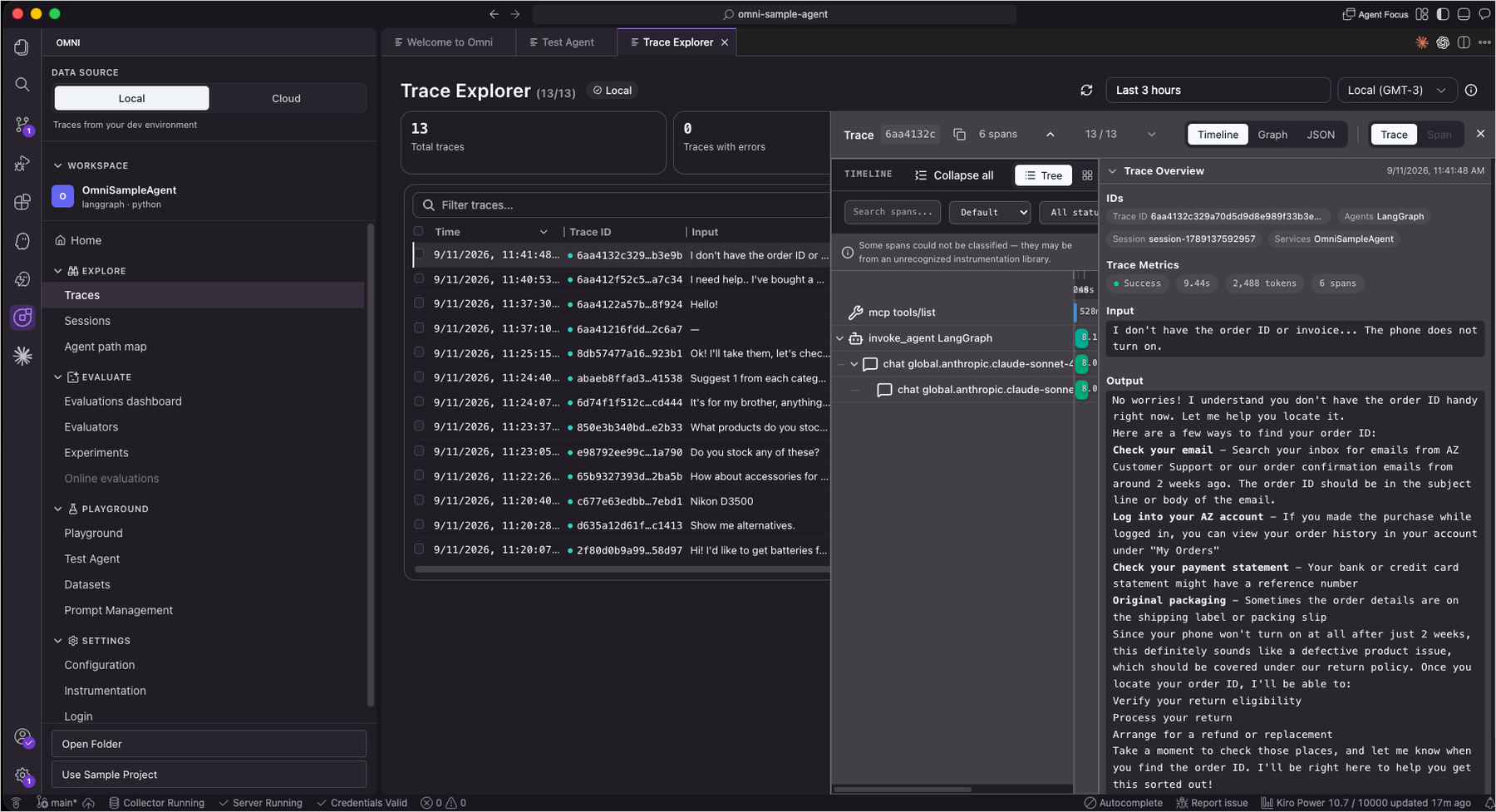
Because autonomous agents make multiple hidden decisions per user request—such as selecting specific tools, synthesizing retrieved documents, and formatting prompts—traditional black-box monitoring is insufficient. CloudWatch Omni captures every individual execution span.
- Trace Explorer: Displays a structured, hierarchical timeline of every LLM call, tool invocation, and internal reasoning step. Engineers can drill down into individual spans to audit inputs, outputs, token expenditure, and execution latency.
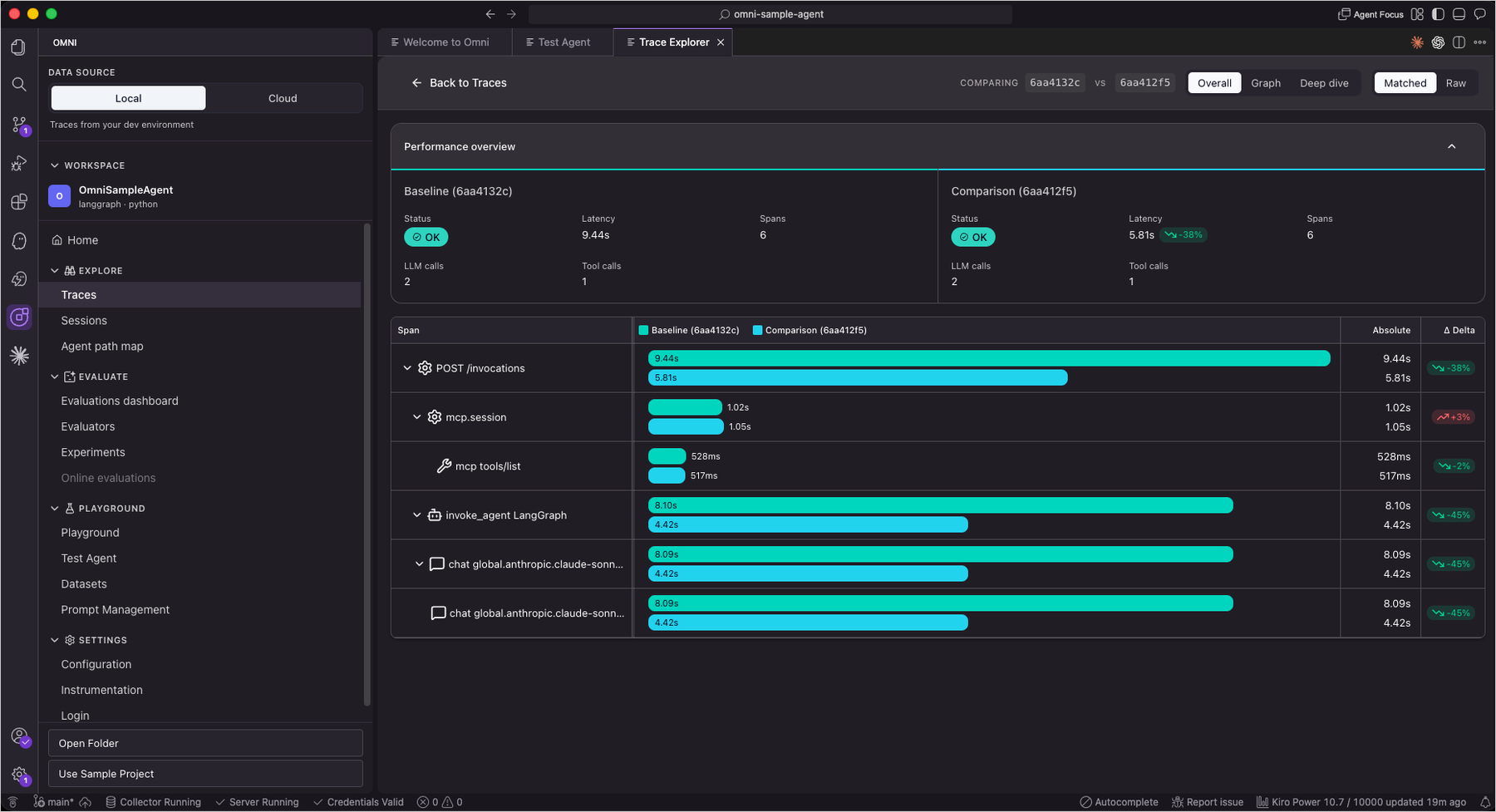
- Compare Mode: Allows developers to place two traces side by side to evaluate how slight changes in system prompts or underlying model configurations impact output behavior, serving as an essential regression-detection mechanism.
- Ask Assistant: An integrated AI-powered diagnostic tool that analyzes trace trees to answer complex investigative queries, such as "Why did the agent invoke this specific database search tool twice?"
Evaluation-Driven Workflows
Observability without quality measurement yields limited value for generative AI. CloudWatch Omni transforms raw telemetry into quantifiable metrics through its robust evaluation framework:
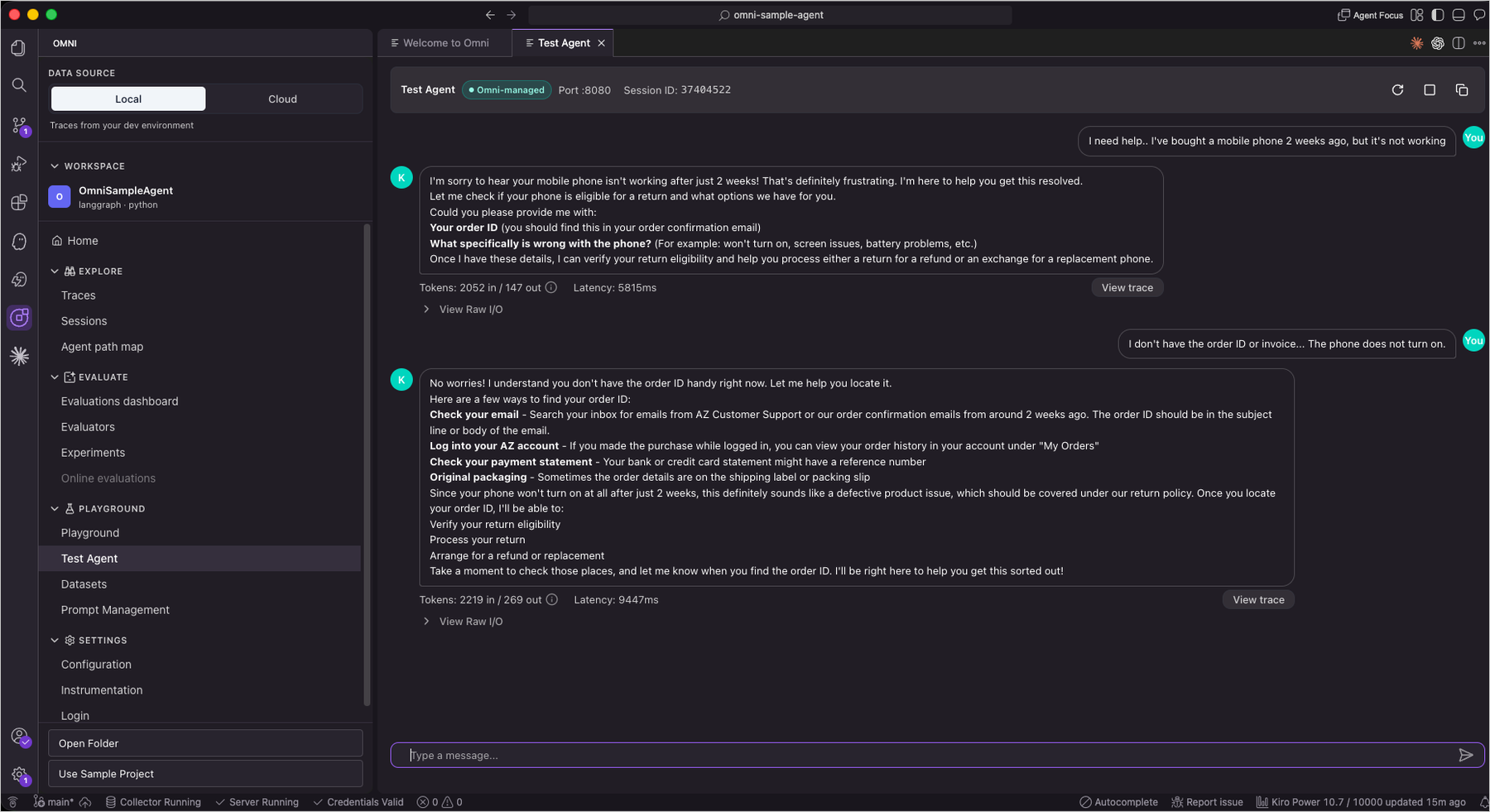
- Golden Datasets: Developers can curate production traffic traces into structured golden datasets.
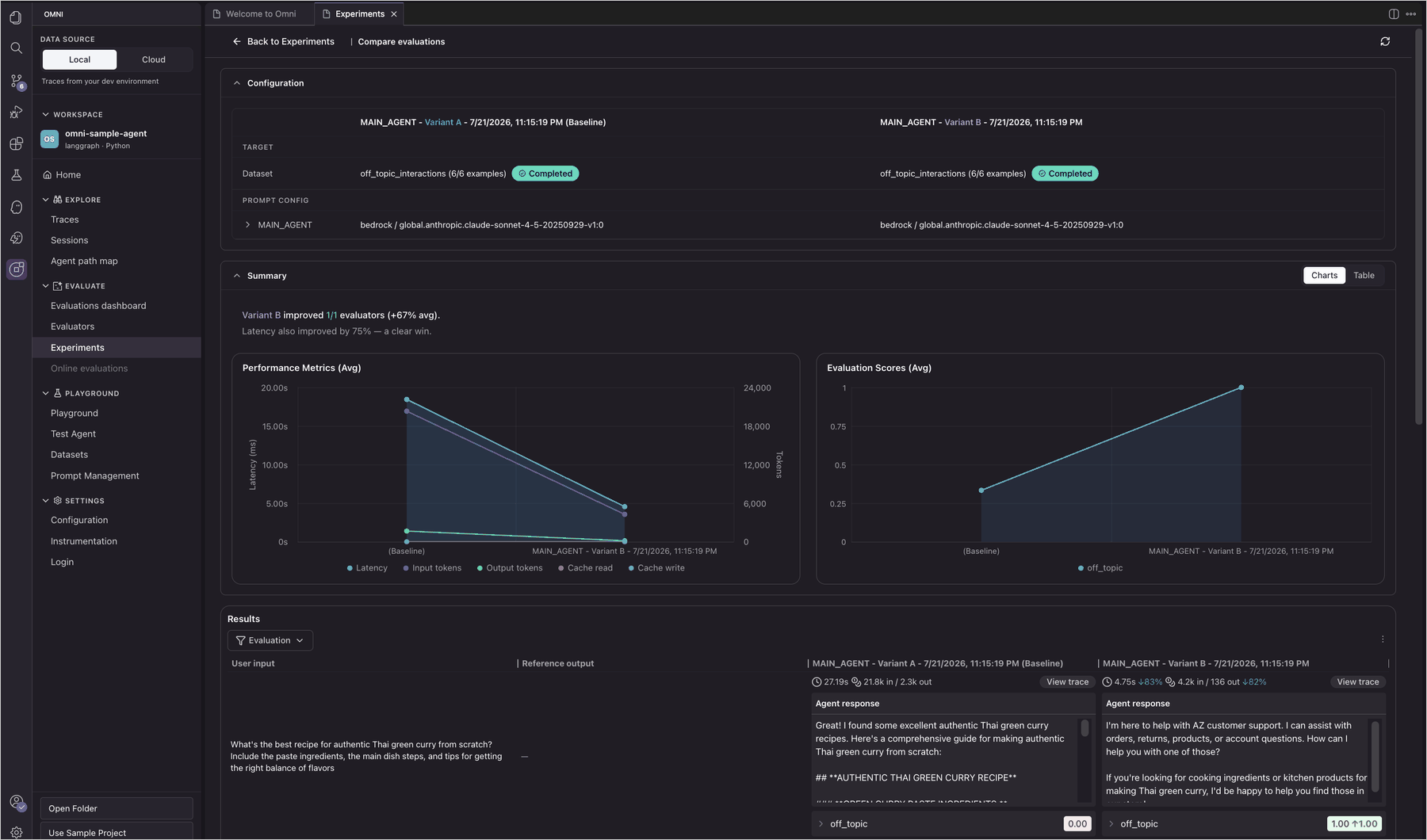
- Automated Batch Experiments: The platform automatically executes agent variants against test datasets, scoring output quality, latency, and token consumption concurrently to identify optimal configurations prior to production deployment.
- Prompt Management: Version control tracking for system prompts allows teams to instantly roll back underperforming iterations.
Interoperability Across Frameworks
CloudWatch Omni is framework-agnostic. It natively supports popular agent development stacks in both Python and TypeScript, including:
- LangChain and LangGraph
- CrewAI
- OpenAI SDK and Strands
- Vercel AI SDK
- Native Amazon Bedrock AgentCore integrations, leveraging Bedrock’s evaluation capabilities directly within the Omni workflow.
Official Responses and Strategic Vision
In the launch announcement authored by AWS engineer Daniel Abib, the company emphasized that CloudWatch Omni was engineered to eliminate artificial barriers between software development and cloud operations.
"Organizations deploying agentic AI systems face observability challenges that traditional monitoring simply cannot address," noted AWS in the platform’s release documentation. "Agent behavior is non-deterministic: a prompt change can degrade response quality even when standard metrics show no errors. CloudWatch Omni provides a purpose-built solution that meets developers where they work—directly in their IDE—while supplying operators with a secure, collaborative web experience."
AWS leadership underscored that the decision to decouple the web experience from the AWS Management Console was driven by enterprise feedback demanding streamlined role-based access control (RBAC) and single sign-on (SSO) capabilities for operational teams who do not require deep AWS infrastructure administration privileges.
Industry Implications: What This Means for Enterprises
The release of CloudWatch Omni carries profound implications for software development lifecycles, enterprise AI governance, and the broader APM market.
1. Eradicating Context-Switching Fatigue
By embedding trace explorers, playgrounds, and evaluators directly inside VS Code and Kiro via the Cloud Login mechanism, developers can transition seamlessly from local prototyping to cloud persistence. They can write code, run an agent locally, inspect traces instantly, and—when ready—push telemetry data to Amazon CloudWatch for enterprise-wide visibility without altering their daily coding workflows.
2. Democratizing AI Quality Assurance
Historically, evaluating AI output quality required organizations to build expensive, custom evaluation harnesses or rely on disconnected third-party SaaS dashboards. By baking 17 built-in evaluators and native experiment runners directly into the monitoring fabric, AWS has lowered the barrier to entry for rigorous AI safety and correctness testing.
3. Bridging Dev and Ops Through Shared Telemetry
One of the most innovative design choices in CloudWatch Omni is its unified data foundation. The exact trace a developer debugs in their local IDE is the identical trace an operator investigates in the standalone web dashboard. This eliminates the classic "it worked on my machine" friction during incident triage and accelerates root-cause analysis for production anomalies.
Availability and Getting Started
Amazon CloudWatch Omni is generally available today. The IDE extension can be downloaded at no cost from the Visual Studio Marketplace. Developers can begin testing sample projects locally without an AWS account, connecting to cloud resources only when utilizing managed model providers like Amazon Bedrock or scaling to production operations.