Building Your Arsenal: The Essential Guide to Power Tools for the Modern Homeowner
The world of power tools is, by any measure, an intimidating landscape. A casual stroll through the aisles of any major hardware retailer reveals a dizzying array of neon-cased machinery, each promising to solve a problem you may not even have yet. With hundreds of tools available—from the hyper-specialized pipe crimper to the ubiquitous cordless drill—the question for the aspiring DIY enthusiast isn’t just which brand to choose, but where to begin.
For the new homeowner or the budding DIYer, the objective is efficiency and utility. You do not need the inventory of a professional general contractor to maintain a home; rather, you need a strategic selection of versatile tools that offer the highest return on investment. Drawing on nearly a decade of hands-on home improvement experience, this guide breaks down the essential power tools required to tackle almost any domestic task, while explaining the philosophy behind selecting your gear.
The Foundation: Drill and Impact Driver Combo
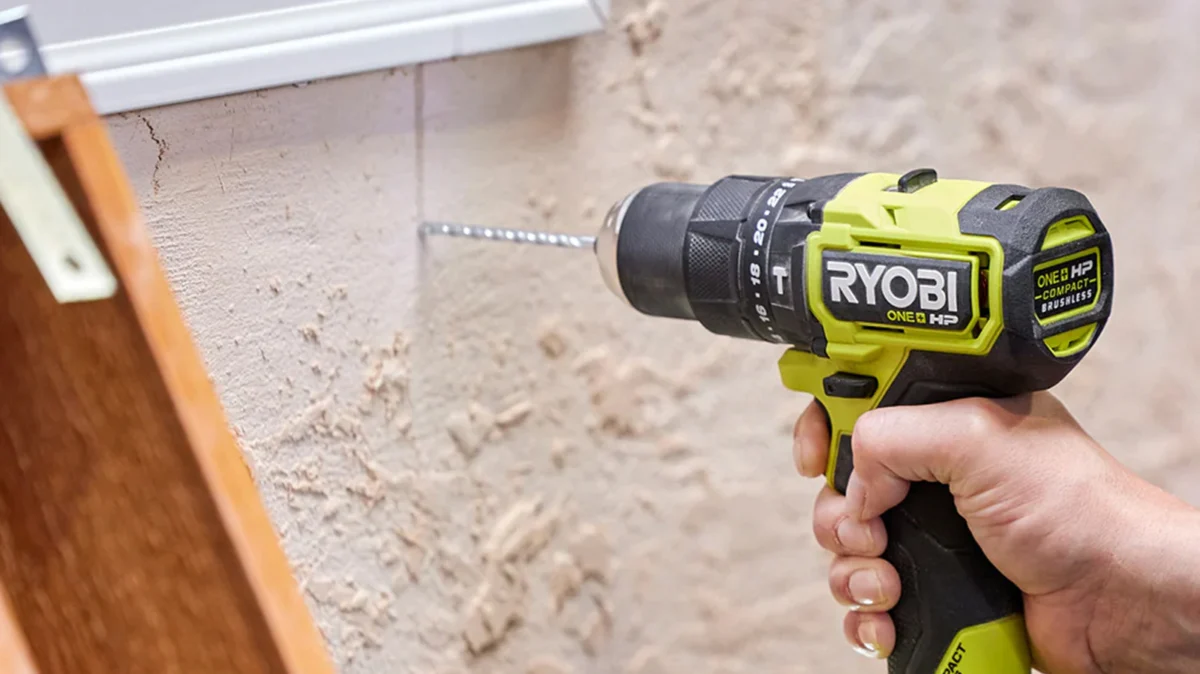
If you only purchase one set of power tools in your lifetime, make it a cordless drill and impact driver combo. This is the cornerstone of any workshop.
The cordless drill is the workhorse of home maintenance. Whether you are hanging shelves, assembling furniture, or installing fixtures, a drill is indispensable. However, the impact driver is the secret weapon of the experienced DIYer. While a drill is designed for precision and light fastening, the impact driver uses rotational force combined with concussive blows to drive screws into dense material—such as concrete or hardwood—without stripping the heads.
Buying these as a "combo kit" is a financial imperative. Most manufacturers bundle them with batteries and chargers, which is significantly cheaper than purchasing the tools and power systems individually. This purchase also serves as your entry point into a "battery ecosystem," a critical decision we will address later.
The Cutting Edge: Versatility in Saws
Once your fastening needs are met, you must address material reduction. Cutting is a fundamental requirement of home repair, and there are three primary tools that provide total coverage.
The Reciprocating Saw
Often referred to by the trademarked name "Sawzall," the reciprocating saw is the ultimate demolition tool. Its design allows it to cut through wood, metal, and plastic with ease. Because the blades are universal in fit, a single tool can be outfitted with specialized attachments to trim overgrown maple trees, cut downspouts for gutter work, or slice through old plumbing pipes. It is a rugged, "get-it-done" tool that prioritizes power over precision.
The Circular Saw
When the project scales up—such as deconstructing a shed or cutting large plywood sheets—the circular saw is superior to the reciprocating saw. It provides the straight-line accuracy necessary for construction. While battery-powered versions are increasingly popular, the circular saw is one instance where a corded model remains a viable choice; it is often more affordable and significantly more powerful, provided you have a reliable power outlet nearby.
The Jigsaw
The jigsaw is the specialist of the group. Unlike the other saws designed for straight lines, the jigsaw is engineered for curves. If your DIY journey involves building custom cabinetry, decorative trim, or intricate furniture, the jigsaw is your only option. While it is the most "optional" tool on this list, its utility for specialized artistic or structural projects makes it a valuable asset for any growing collection.
The Precision Workhorse: The Rotary Tool
The Dremel is the exception to the "brand agnostic" rule. As a category, these are known as rotary tools, but Dremel has become the industry standard for a reason. Whether you choose the cordless Dremel 8250 for its unmatched convenience or the corded 4300 for its sustained power, you are essentially buying a high-speed engine for tiny tasks.
These tools can be used for engraving, polishing, sharpening blades, or cutting through small metal components. For the homeowner who also enjoys hobbies like model building or small-scale restoration, the rotary tool is the bridge between heavy construction and fine detail work.
Maintenance and Cleanup: The Overlooked Essentials
Many beginners focus exclusively on tools that build, forgetting that home maintenance involves significant cleaning and preparation.
The Shop Vac
The shop vac is arguably the most underrated tool in the garage. Unlike a household vacuum, a shop vac is designed to handle debris that would destroy a standard appliance, such as wood chips, standing water, and construction dust. For a flooded basement or a post-renovation cleanup, this tool is worth its weight in gold. It is highly recommended to purchase a corded model; the increased suction power and capacity far outweigh the minor inconvenience of managing a power cord.
The Power Washer
For exterior maintenance, a power washer is the ultimate deep-cleaning solution. It is the only way to effectively rejuvenate a driveway, sidewalk, or deck. When selecting one, pay attention to the PSI (pounds per square inch). A unit in the 3,000 PSI range is typically the "sweet spot" for residential use—powerful enough to strip grime, but manageable enough to avoid damaging home siding.
Finishing and Surface Prep
To achieve a professional look on your projects, you need to master surface preparation.
The Random Orbital Sander
If you are working with wood, the random orbital sander is non-negotiable. By moving in small, randomized circles rather than a straight line, it prevents the unsightly swirl marks left by older sanding technologies. It is the best tool for smoothing rough timber and preparing surfaces for staining or painting.
The Angle Grinder
An angle grinder is a high-speed tool primarily used for sharpening and cutting hard materials. From sharpening lawnmower blades to cutting through rebar or tile, the angle grinder is essential for the homeowner who does their own groundskeeping.
Safety Note: Angle grinders are among the most dangerous tools in a shed. Because they operate at high RPMs with abrasive discs, they require strict adherence to safety protocols. Always wear eye protection and read the manufacturer’s manual before your first use.
The Heat Gun
The heat gun is the "hidden gem" of the tool world. It is simple: it blasts high-temperature air. This is perfect for stripping old paint, loosening stubborn, rusted bolts, or shrinking electrical tubing. While cordless versions exist, a corded heat gun typically offers more heat output and a wider range of temperature settings for a fraction of the cost of a professional-grade battery unit.
The Strategic Approach to Brand Ecosystems
A frequent question among newcomers is, "Which brand is the best?" The reality is that for the home user, the "best" brand is the one you commit to first.
When you buy your first cordless drill, you are likely buying a battery and a charger. To save money, your subsequent purchases should be "tool-only" (or "bare tool") units from that same manufacturer. If you buy a DeWalt drill, you should stick to DeWalt for your circular saw and oscillating tool so that your batteries are interchangeable.
Attempting to mix and match brands results in a cluttered workspace filled with incompatible chargers and dead batteries. Select a reputable brand that offers a wide variety of tools, and you will save thousands of dollars over the life of your collection.
Implications for the Homeowner
Investing in these power tools is not just about ownership; it is about self-reliance. By maintaining a core set of equipment—the drill/impact driver, the saw collection, the shop vac, and the finishing tools—you eliminate the need to hire professionals for minor repairs or simple home improvements.
While the upfront cost of these tools can be significant, the long-term implications are clear: you gain the ability to tackle projects on your own schedule, control the quality of the workmanship, and develop a skill set that adds value to your property. Start with the basics, respect the power of the machinery, and let your tool collection grow organically as your projects demand it.