Weekend Gaming Digest: From Retro Demakes to Celestial Angling
Happy Thursday, gaming enthusiasts! As the work week winds down and the anticipation for the weekend builds, it is time to turn our attention to the vibrant, ever-evolving landscape of indie development. This week’s curation brings a fascinating mix of nostalgia, experimental narrative design, and pure, unadulterated charm. Whether you are looking to revisit a modern classic through a vintage lens, unravel a cosmic mystery from the comfort of a space-faring vessel, or simply enjoy the whimsical journey of a hand-drawn amphibian, the itch.io platform has delivered a stellar lineup to satisfy your gaming cravings.
The Main Facts: A Trio of Distinctive Experiences
This week’s highlighted titles—LCD, Please, The Anglerfish Project, and Frog’s Adventure—represent the breadth of what independent developers can achieve when given the freedom to experiment.
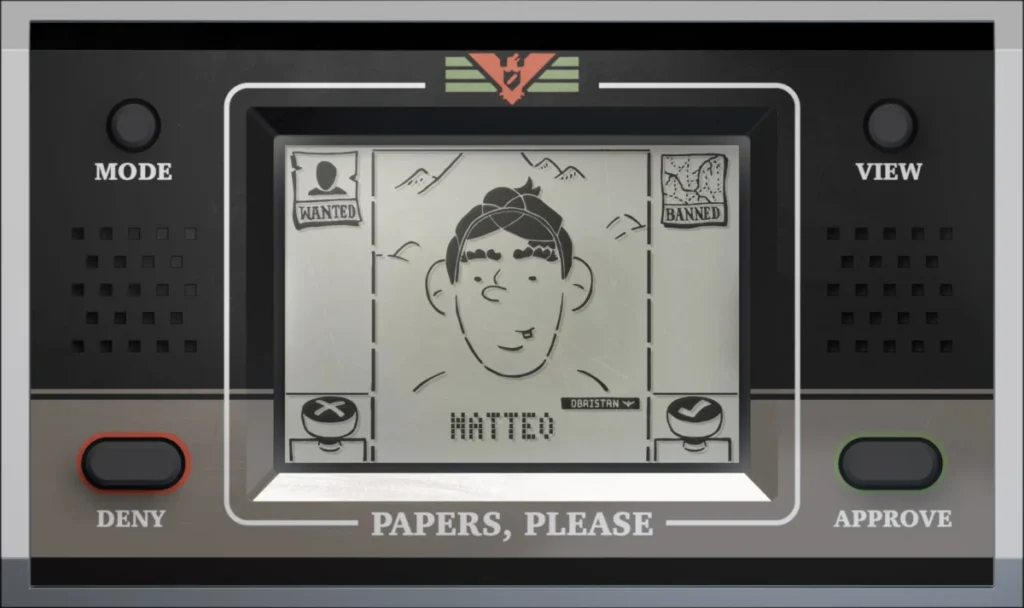
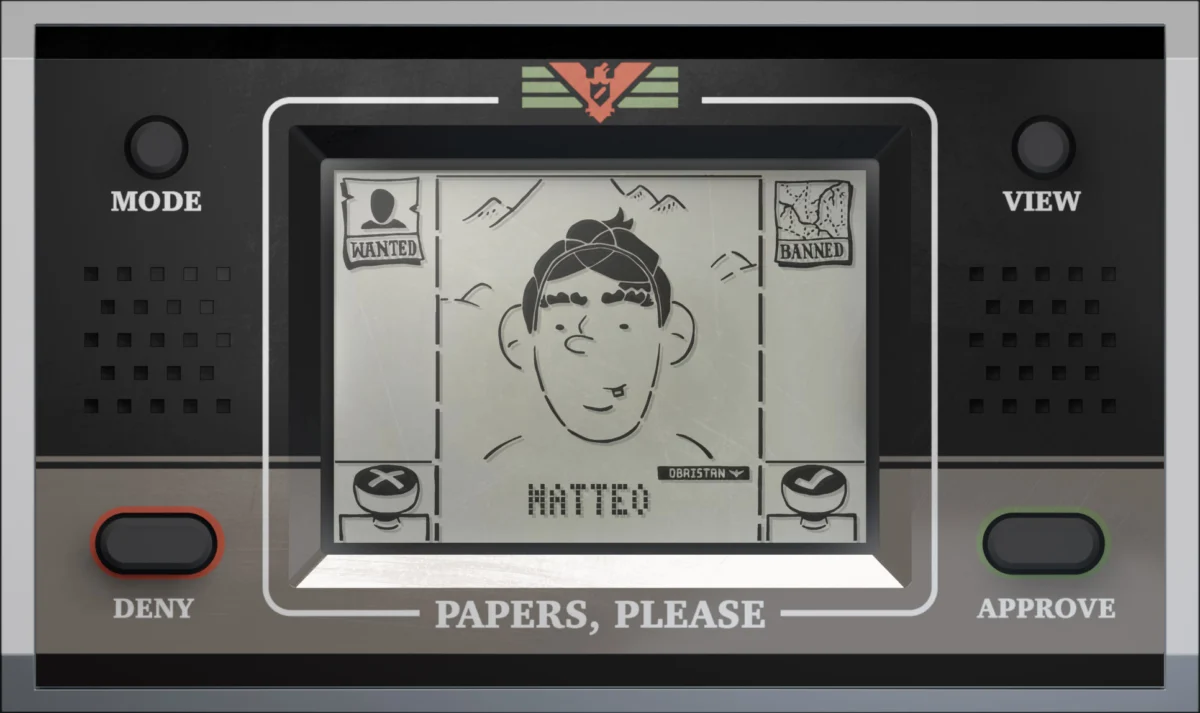
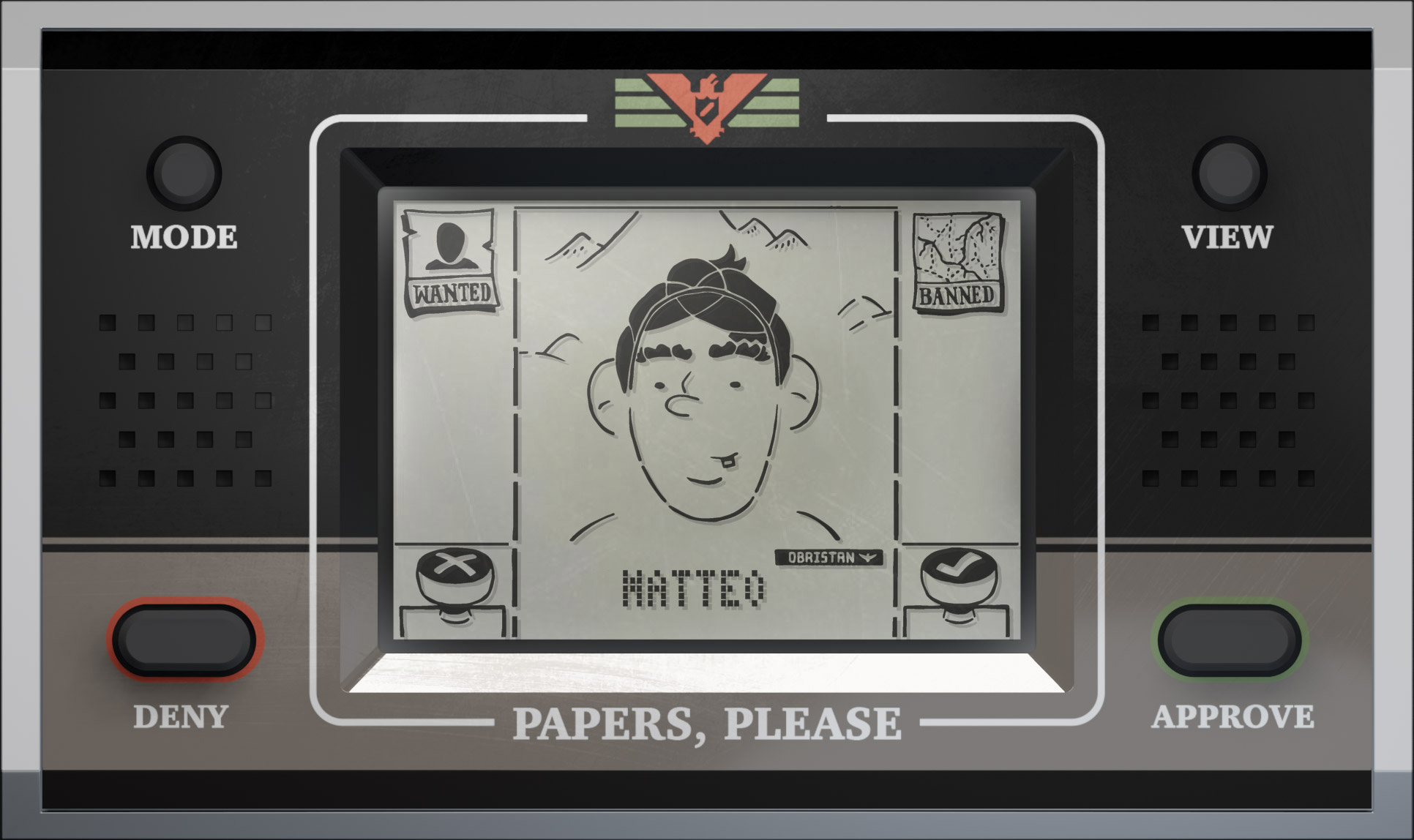
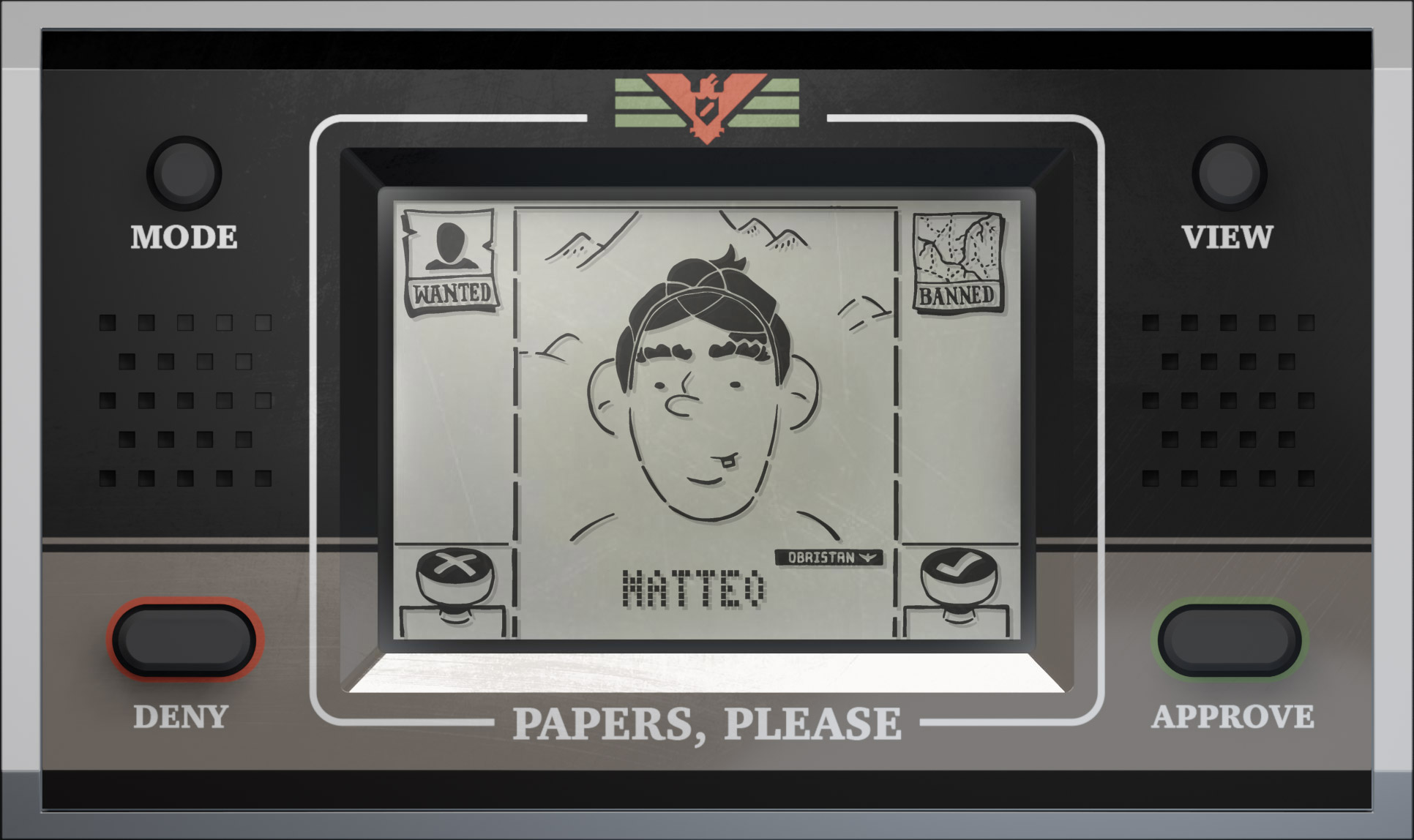
- LCD, Please offers a minimalist, handheld-inspired demake of Lucas Pope’s legendary border-control simulator, Papers, Please. It strips the complex moral and bureaucratic mechanics of the original down to their essential, satisfying core.
- The Anglerfish Project masterfully blends the tropes of science fiction with the meditative mechanics of fishing. However, it swaps aquatic life for the retrieval of emotional, narrative-driven messages from the void of space.
- Frog’s Adventure, the latest output from the prolific collective Sokpop, serves as a masterclass in aesthetic charm. This hand-drawn adventure game focuses on the simple joy of exploration, proving that a strong visual identity can carry a narrative experience to new heights.
Chronology: The Evolution of Indie Innovation
The history of these titles is as varied as the gameplay they offer. Papers, Please, the inspiration for LCD, Please, was released over a decade ago, fundamentally changing the landscape of indie games by proving that administrative bureaucracy could be a compelling, heart-wrenching narrative hook. Seeing it reimagined today as a simplified LCD game is a testament to its enduring design; the core "sorting" mechanic remains as addictive and tense in its barest form as it was in the full-featured original.
Sokpop, the creators of Frog’s Adventure, have operated on a unique, high-velocity development cycle for years. By releasing games on a monthly cadence, they have cultivated a "gaming boy band" reputation, constantly iterating on their visual style and gameplay loops. Each release is not just a product, but a data point in their ongoing experiment with rapid prototyping.
The Anglerfish Project joins the ranks of modern narrative "cozy" games, a genre that has seen an explosion in popularity over the last three years. By merging the "fishing game" subgenre—which has roots stretching back to the earliest console generations—with a narrative-heavy sci-fi setting, the developers are tapping into a burgeoning demand for games that prioritize emotional resonance over twitch-reflex skill.
Supporting Data: Why These Games Resonate
Why do these specific titles stand out in a marketplace saturated with thousands of new releases each week?
- Mechanical Purity: LCD, Please succeeds because it identifies the "fun" in the "dull." By distilling the Papers, Please experience, it highlights the brilliance of the original design. It functions as a meta-commentary on how we perceive games: even without the complex moral dilemmas, the act of sorting and processing remains fundamentally engaging.
- Genre Fusion: The Anglerfish Project utilizes "ludonarrative harmony" by making the act of fishing the primary mechanism for storytelling. In many games, collectibles are static text logs; here, the act of "reeling in" a message creates a physical connection between the player and the lore of the universe.
- Artistic Direction: The success of Frog’s Adventure is rooted in its visual language. In an era where hyper-realism is often the goal for AAA studios, the hand-drawn, whimsical aesthetic of Sokpop’s work provides a necessary respite. It is a reminder that "charm" is a technical metric that can lead to high player engagement.
Official Responses and Developer Context
The itch.io community remains a vital hub for these developers to interact directly with their audience. Lucas Pope’s release of the LCD demake has been met with widespread acclaim, viewed not as a replacement for the original, but as a celebratory tribute to the decade-long legacy of the IP.
Regarding Frog’s Adventure, the Sokpop collective has emphasized their commitment to experimentation. In previous interviews, the team has noted that their rapid-release schedule is not meant to achieve "perfection" in the traditional sense, but to explore as many game-design ideas as possible. Their community feedback loop is notoriously fast, often incorporating player suggestions into subsequent monthly releases.
The creator of The Anglerfish Project, Selkie Harbour, has spoken about the game’s intent as a "kind" experience. In a digital space often dominated by competition and aggression, The Anglerfish Project is a deliberate effort to provide a sanctuary. The narrative depth—built through pieces of information gathered from the deep—has been praised for its poignancy, proving that players are increasingly looking for "kind" gaming experiences that favor introspection.
Implications for the Future of Indie Gaming
The success of these three games points toward several broader trends in the gaming industry:
The "Demake" as Cultural Preservation
The LCD, Please phenomenon suggests that as games age, there is a growing desire to archive and reinterpret them. Demakes allow younger generations to experience the "soul" of a classic without the barrier of outdated graphics or clunky interfaces. We expect to see more developers revisiting their own back-catalogs to create these "essential" versions of their previous works.
The Rise of "Meditative" Narratives
As the world becomes increasingly high-stress, the popularity of titles like The Anglerfish Project is likely to grow. The "cozy game" movement is no longer a niche; it is a significant market segment. Developers are learning that the "hook" of a game doesn’t always need to be a boss fight or a leaderboard; sometimes, it is the simple, rhythmic act of fishing in a digital void.

Sustainable High-Velocity Development
Sokpop has proven that a small, highly coordinated team can sustain a monthly development cycle if they focus on scope management and stylistic consistency. This model is being watched closely by other indie teams who are struggling with the "crunch" culture inherent in larger, multi-year production cycles. By keeping projects small and focused, these developers avoid burnout while keeping their community engaged and excited for what comes next.
Conclusion: A Weekend of Exploration
Whether you are a long-time fan of the border-agent simulation, a fan of whimsical art, or someone looking to solve a cosmic mystery, this week’s itch.io digest has something for you.
As we look toward the weekend, consider these titles not just as games to be "beaten," but as experiences to be inhabited. LCD, Please challenges us to find meaning in repetition; The Anglerfish Project asks us to find connection in the vastness of space; and Frog’s Adventure invites us to find joy in the simple act of wandering.
We encourage you to jump into the comments section below and share your own weekend gaming plans. Are you tackling the bureaucratic puzzles of LCD, Please? Are you reeling in secrets in The Anglerfish Project? Or are you simply enjoying the walk with our favorite new frog? Let the community know, and as always, happy gaming!