A Quarter-Century of Brilliance: Celebrating 25 Years of the Game Boy Advance
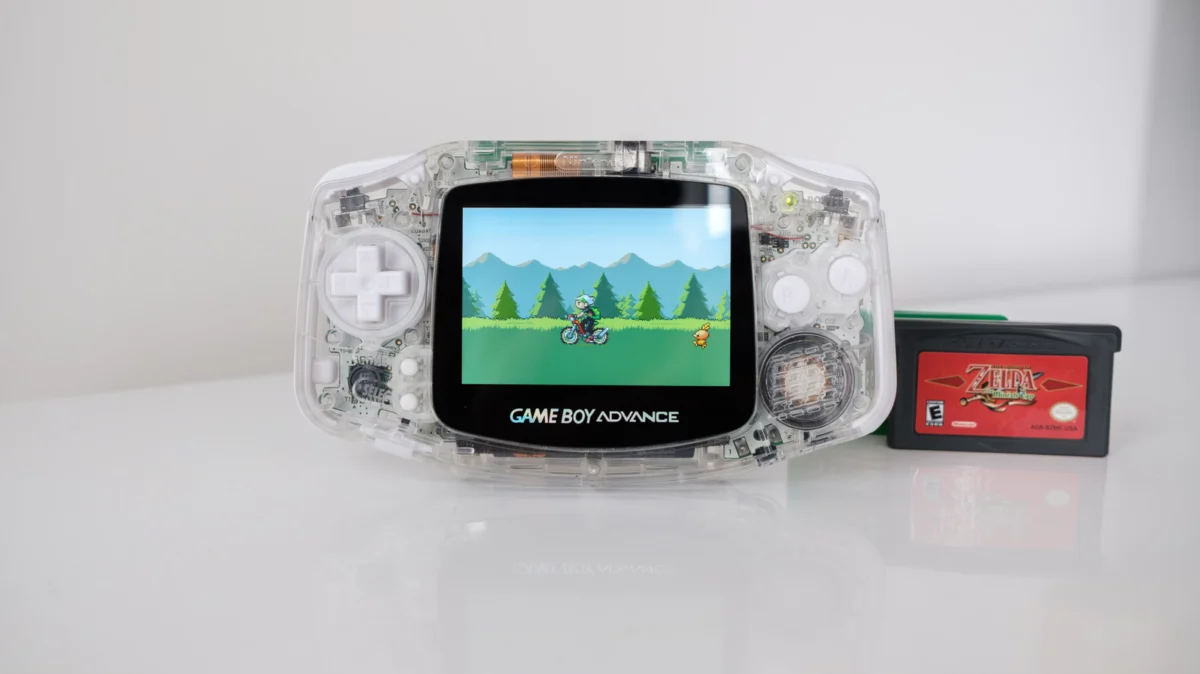
On June 11, 2001, the landscape of portable gaming shifted irrevocably. While Nintendo had already established a dominant footprint with the original Game Boy and the Game Boy Color, the release of the Game Boy Advance (GBA) in North America felt like the arrival of a new era. Twenty-five years later, the GBA is remembered not just as a piece of hardware, but as a cultural touchstone that bridged the gap between the golden age of 2D sprite art and the dawn of modern mobile gaming.
The Hardware Revolution: A Technical Leap Forward
To understand the GBA’s significance, one must look at the constraints it shattered. The original GBA, released in Japan in March 2001 before hitting Western shores that June, was a marvel of efficiency. It packed a custom 32-bit RISC processor running at 16.7 MHz, supported by a 288-kilobyte RAM architecture. This allowed the handheld to output visuals that rivaled the Super Nintendo, finally bringing a rich, vibrant color palette to the palm of a player’s hand.
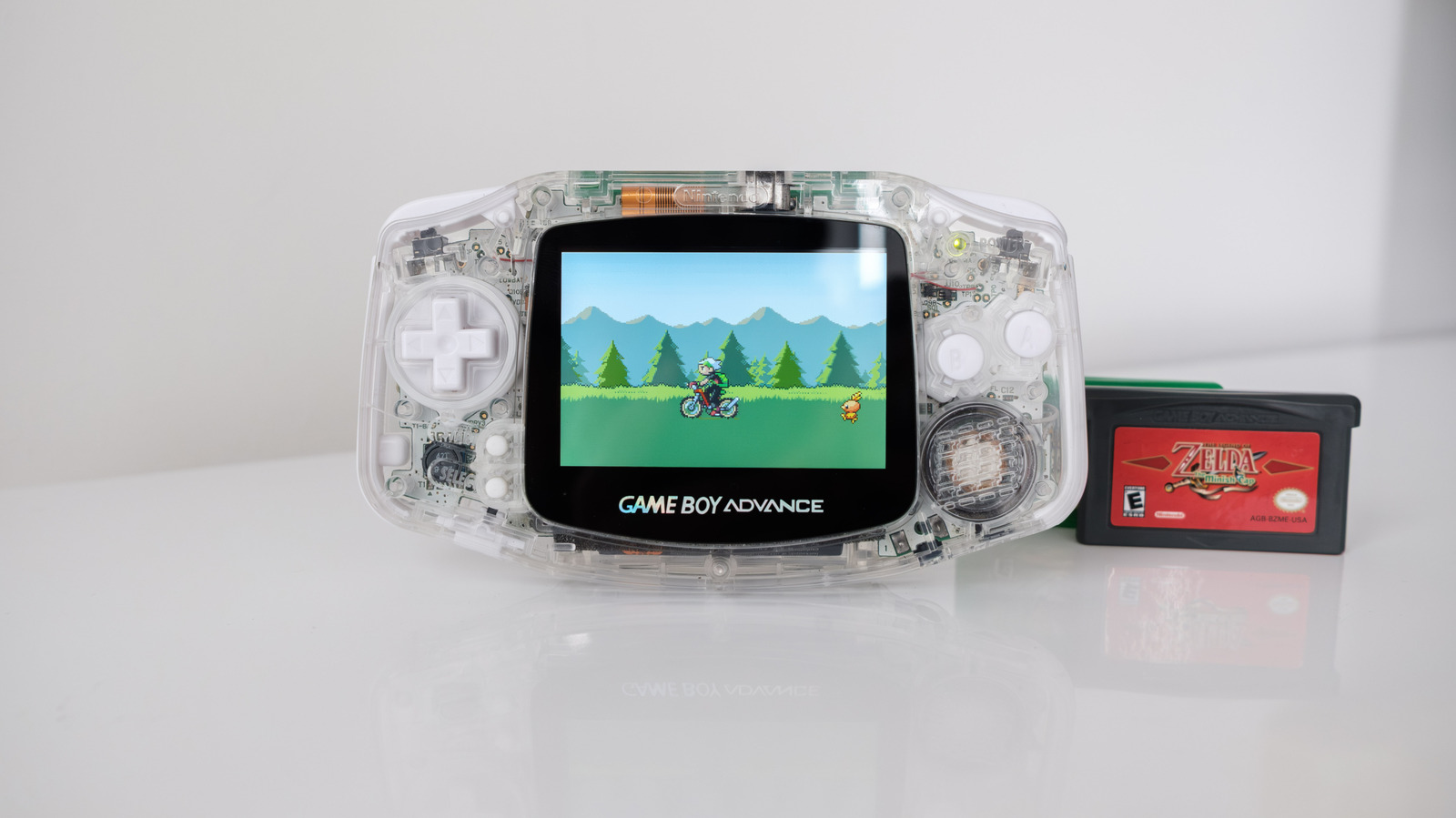
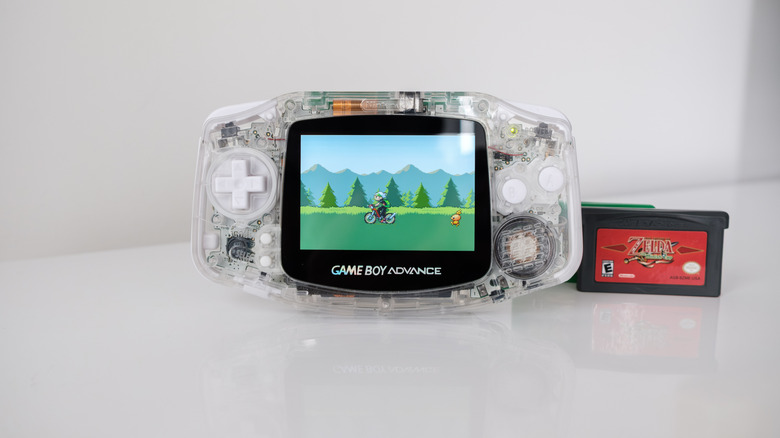
Its 240 x 160 TFT display was a massive upgrade over the reflective, monochromatic screens of the past. The shift from a vertical, "brick" design to a sleek, horizontal landscape orientation was a stroke of ergonomic genius. By incorporating shoulder buttons (L and R), Nintendo provided developers with the necessary inputs to port complex console experiences—like Castlevania or Final Fantasy—to a portable format without compromise.
The GBA’s legacy was further cemented by its iterative design. In 2003, the GBA SP introduced the "Special" clamshell design, which featured an integrated, front-lit screen—a game-changer that finally allowed for play in low-light conditions. The series concluded with the 2005 Game Boy Micro, a thumb-sized marvel that remains a coveted collector’s item today.
Chronology of a Handheld Legend
- March 21, 2001: The GBA launches in Japan, setting a new standard for handheld power.
- June 11, 2001: The US market receives the GBA, marking the beginning of the "32-bit era" for portable gaming.
- 2003: The GBA SP launches, addressing the lighting issues of the original model with a clamshell design and a backlit screen.
- 2005: Nintendo releases the Game Boy Micro, the final iteration of the Game Boy line, signaling the approaching transition to the dual-screen era of the Nintendo DS.
- Present Day: The GBA library continues to be a focal point for Nintendo’s retro-preservation efforts via the Nintendo Switch Online service.
The Library: A Masterclass in Game Design
The GBA’s library is widely considered one of the greatest in the history of interactive entertainment. It was a haven for tactical RPGs, platformers, and experimental titles that pushed the boundaries of what could be achieved with limited inputs.
Advance Wars: The Strategy Benchmark
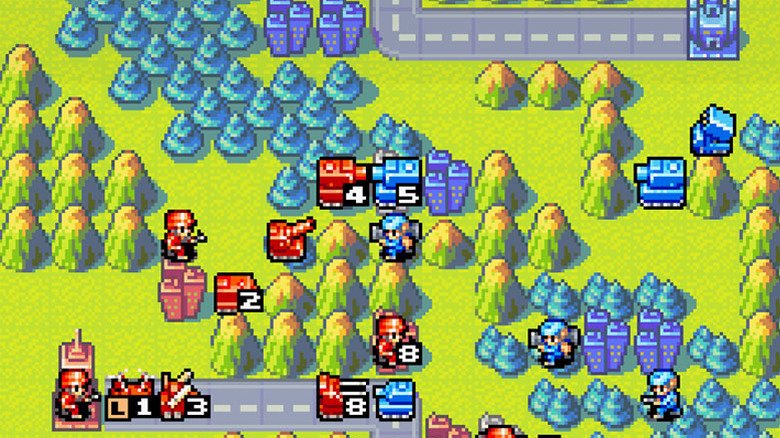
Intelligent Systems’ Advance Wars remains the definitive entry point for the turn-based strategy genre. Its "Game Boy Does War" aesthetic masked a deeply complex tactical system that forced players to manage resources, terrain advantages, and unit movement. It taught a generation of gamers that strategy was about foresight, not just brute force.
Fire Emblem: The Western Arrival
Before the franchise became a global juggernaut on the 3DS and Switch, the GBA introduced Western audiences to the world of Fire Emblem. Its punishing "permadeath" mechanic, where a single tactical error could result in the permanent loss of a beloved character, added a layer of emotional weight that transformed the experience from a mere game into a high-stakes narrative journey.
Final Fantasy Tactics Advance
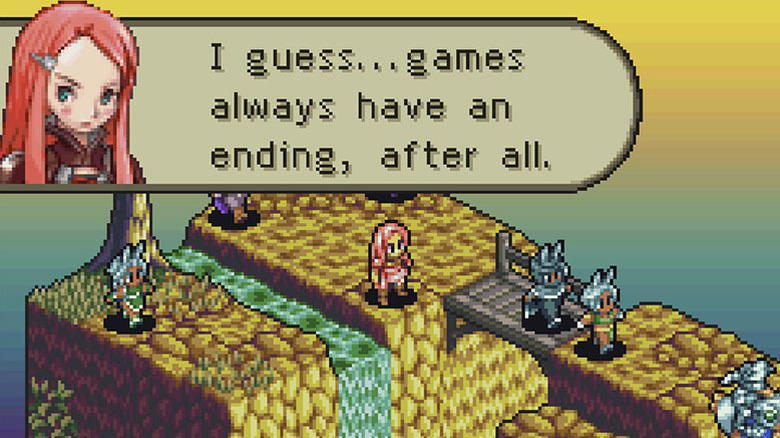
While purists initially balked at the shift in tone from the original Final Fantasy Tactics, the GBA installment proved to be a masterful evolution of the genre. Its pastel-hued art style and deep, intricate class-job system made it one of the most addictive experiences on the console. It was a testament to how the GBA could handle deep, systemic RPGs with ease.
The Golden Sun Duology
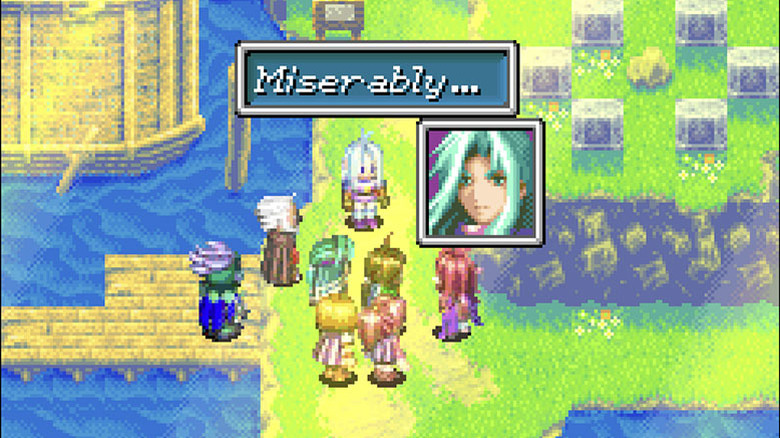
Golden Sun and The Lost Age are often cited as the GBA’s most ambitious RPGs. They utilized "Psynergy"—elemental magic used both in and out of combat—to create elaborate dungeon puzzles. With a password system that allowed players to transfer data between the two games, it remains a rare example of a truly cohesive, two-part epic on a handheld platform.
Metroid’s 2D Pinnacle
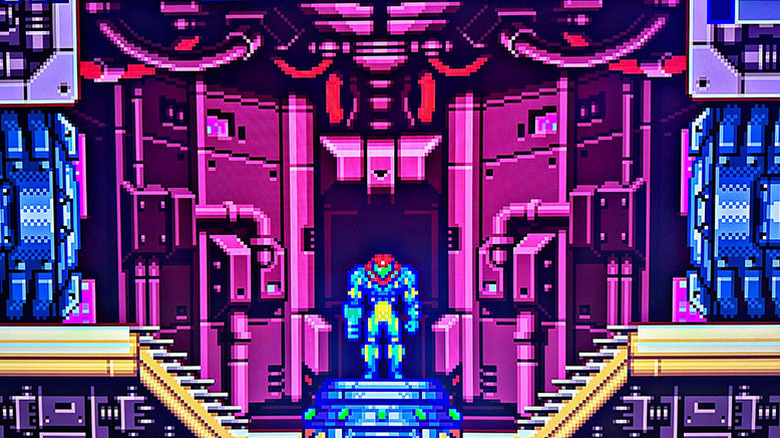
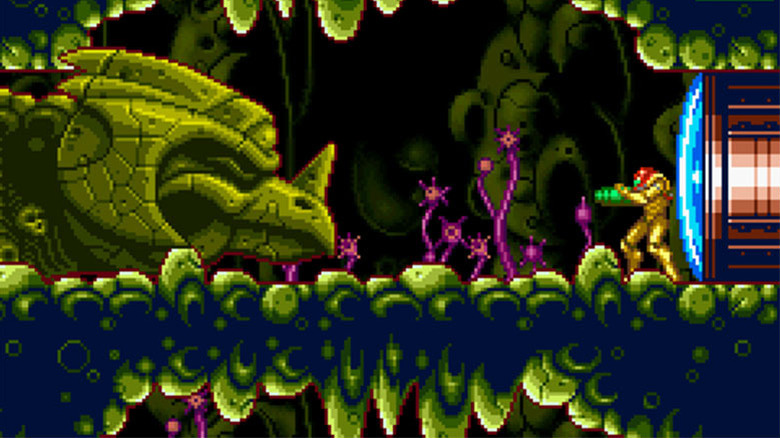
The GBA was home to Metroid Fusion and Metroid: Zero Mission. Fusion introduced a more narrative-driven, linear experience, while Zero Mission perfected the non-linear exploration formula established by Super Metroid. These titles remain the gold standard for "Metroidvania" design, balancing tight controls with an atmosphere of isolation and discovery.
Pokémon FireRed and LeafGreen
By revisiting the Kanto region, FireRed and LeafGreen proved that a remake could be just as impactful as an original release. By incorporating the mechanics of the third generation—such as abilities and natures—into the classic 150-Pokémon roster, Game Freak created a definitive version of the original journey that still resonates with players today.
The Minish Cap and WarioWare
The Legend of Zelda: The Minish Cap showcased the power of the handheld, offering a vibrant, character-driven adventure that felt both classic and fresh. Meanwhile, WarioWare, Inc.: Mega Microgames! redefined the concept of "pick-up-and-play." Its 200+ lightning-fast minigames proved that simplicity, when executed with style, could be just as engaging as any 50-hour epic.
Supporting Data: The Economics of the GBA
When the GBA launched, its $100 price point (equivalent to approximately $190 today) made it an accessible luxury. It was the "everyman’s" console. Compared to the home consoles of the time, which were transitioning into the polygonal era of the PlayStation 2 and GameCube, the GBA remained a safe harbor for the refined 2D aesthetic. The success of the system—selling over 81 million units across all models—demonstrated that there was a massive, enduring market for dedicated handheld gaming, a fact that would later inform Nintendo’s strategy for the Switch.
Official Perspectives and Industry Impact
In various retrospectives, Nintendo developers have often pointed to the GBA as a "training ground" for the company’s transition into modern mobile development. Shigeru Miyamoto and other key figures have frequently highlighted how the GBA’s limitations forced designers to be more creative. Because memory and screen real estate were limited, every pixel and sound effect had to serve a specific purpose.
This philosophy of "Lateral Thinking with Withered Technology"—a concept often attributed to former Nintendo president Gunpei Yokoi—was fully realized in the GBA. The system proved that superior technology does not guarantee a superior experience; rather, it is the marriage of hardware utility and inspired software design that defines a platform’s legacy.
Implications for the Future of Retro Gaming
The GBA’s 25th anniversary arrives at a time when the "retro-handheld" market is booming. Devices like the Analogue Pocket and the Aya Neo Micro have breathed new life into the GBA’s physical cartridge library, allowing players to experience these games on high-quality, modern displays.

However, the industry’s focus on emulation, as seen in the Nintendo Switch Online service, raises questions about preservation. While accessibility is higher than ever, the "feel" of playing on original hardware—the tactile response of the D-pad and the unique glow of the screen—is something that digital storefronts struggle to replicate.
As we look back at these 25 years, the GBA stands as a monument to a specific, joyous period in gaming history. It was a device that fit into a backpack, yet contained worlds as vast and meaningful as any big-budget home console. Whether it was the thrill of a last-second victory in Advance Wars or the quiet wonder of shrinking down to the size of a Minish, the Game Boy Advance proved that the most memorable gaming experiences are often the ones we carry with us.
The legacy of the GBA is not just found in its sales numbers or its processors, but in the memories of a generation of gamers who learned that, sometimes, the greatest adventures come in the smallest packages.