A Regulatory Paradigm Shift: FDA Signals New Focus on Aging and Longevity Science
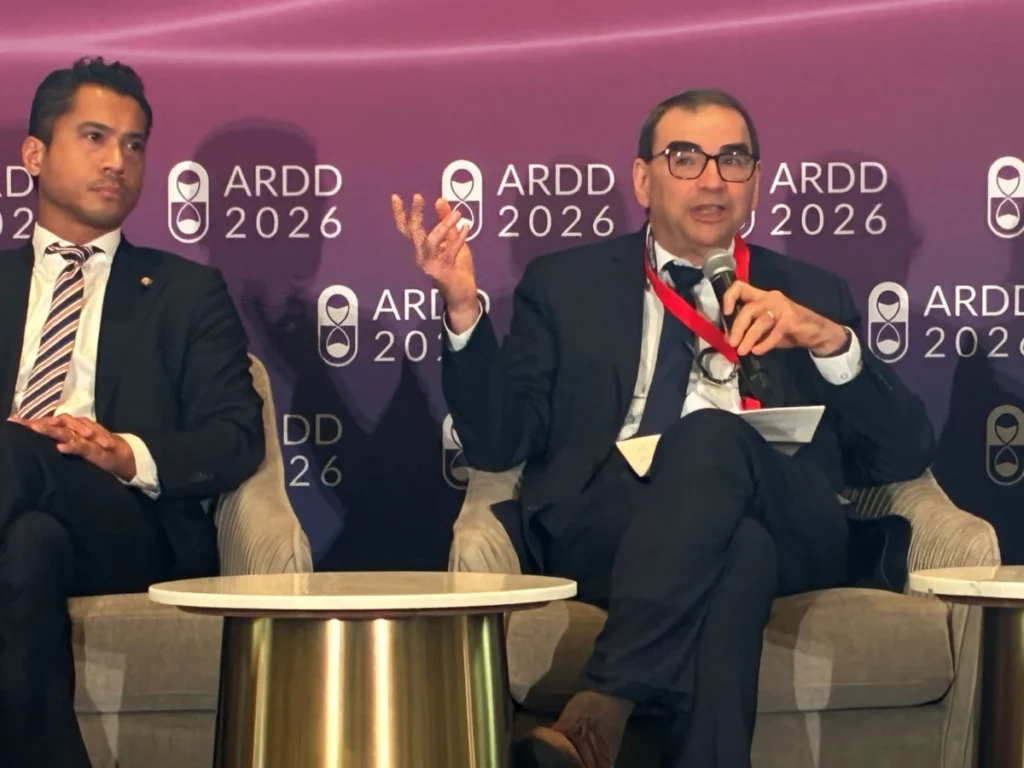
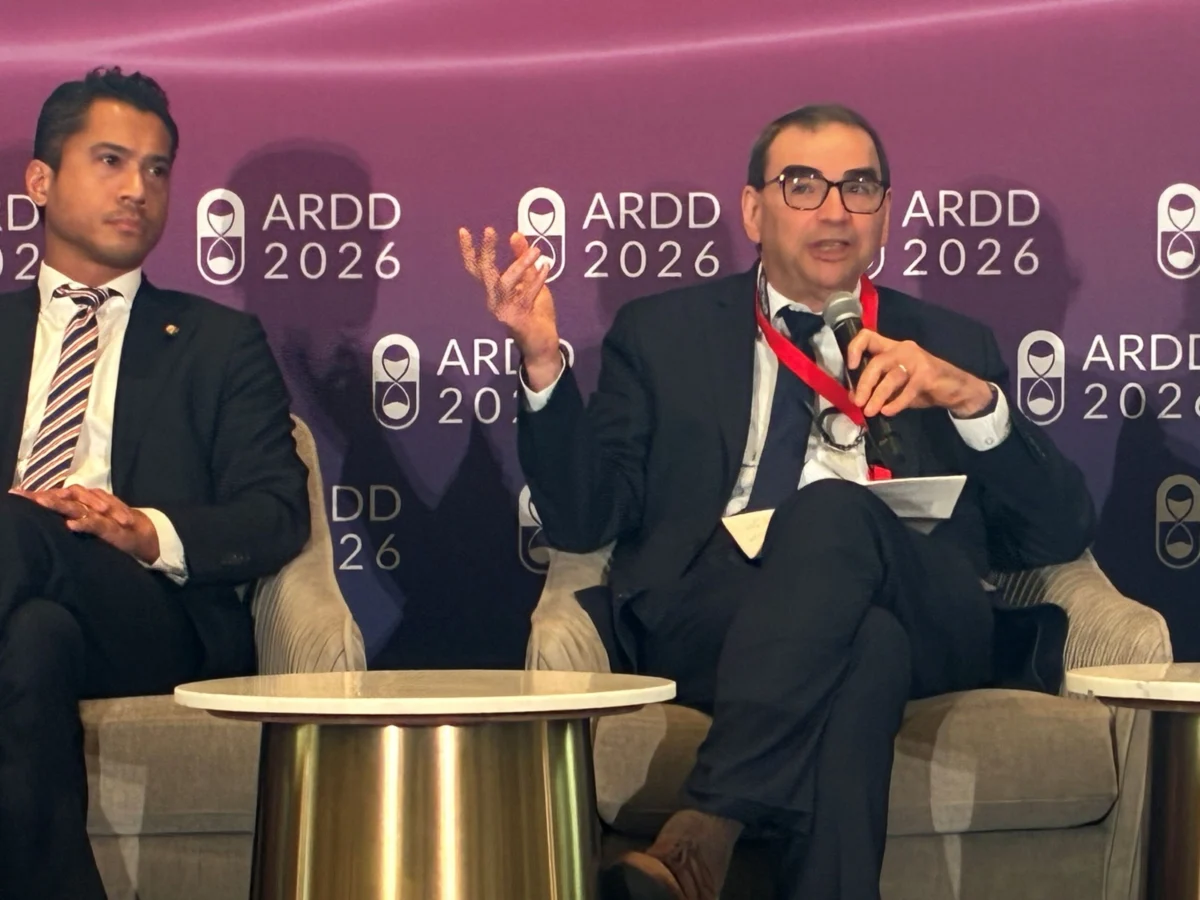
BOSTON — In a landmark development for the burgeoning field of geroscience, the U.S. Food and Drug Administration (FDA) has signaled a formal pivot toward the integration of aging and longevity into its core regulatory framework. The announcement, made during the 13th Aging Research & Drug Discovery (ARDD) Meeting held at Harvard University’s David Rubinstein Treehouse, marks a pivotal inflection point for researchers, pharmaceutical developers, and public health officials alike.
For years, the regulatory path for longevity therapies has been mired in ambiguity, largely because the FDA traditionally evaluates drugs based on their efficacy in treating specific, isolated diseases rather than addressing the underlying biological processes of aging. By confirming that aging and longevity will be highlighted in the upcoming Focus Areas of Regulatory Science (FARS) report, the agency is signaling its intent to modernize how it approaches the human healthspan.
The Regulatory Horizon: Integrating Longevity into FARS
The FDA’s FARS report, a strategic document that outlines the agency’s research priorities to address emerging scientific challenges, serves as a compass for the global biotech industry. Steven Kozlowski, MD, the FDA’s Chief Scientist, confirmed that the updated report—scheduled for release early in fiscal year 2027—will explicitly prioritize the science of aging.
"We all believe that there is a shared risk factor of aging for many, many chronic diseases," Kozlowski told attendees. "But to me, it’s interesting: Is there a way of beginning to start quantifying that? We are working on the biological side, but also on the clinical side, to understand what that looks like."
The core challenge, according to Kozlowski, lies in the absence of a standardized, regulatory-accepted endpoint. He envisions a "pre-competitive, qualified" endpoint that can be shared across the industry, acting as a bridge to streamline clinical trials. "Attributes of that endpoint would be regulatory acceptance," he noted. "It needs to be useful, allow for feasible clinical trial designs, and serve as a standard for all the novel things that come after it."
Chronology of the Shift: From Pandemic Response to Healthspan
To understand the significance of this shift, one must look at the recent evolution of the FDA’s strategic priorities. The 2022 FARS report, drafted under the shadow of the COVID-19 pandemic, was heavily focused on "Public Health Preparedness and Response." At that time, the concepts of "longevity medicine" and "aging research" were largely absent from the agency’s primary regulatory agenda.
The current transition represents a move away from crisis management toward proactive health maintenance. Lowell M. Zeta, JD, Acting Chief of Staff in the Office of the Commissioner, emphasized that this is a "defining moment" for the agency. "It’s a test for the future of the FDA and how to adapt to the rapidly evolving science in this space," Zeta remarked. "To the extent that we can be and should be evolving our programs to help you all solve the challenges, that’s what we want to hear."
The timeline for this change is aggressive. With the new federal fiscal year having just begun, the agency is currently engaged in the internal vetting processes that will shape the 2027 FARS agenda. While specific timelines remain fluid, the directive from the Office of the Commissioner is clear: the agency must create a pathway for therapies that target aging biology as a root cause of illness.
The Scientific and Economic Rationale
The push for longevity medicine is supported by compelling, if sobering, economic and clinical data. An influential 2021 economic analysis concluded that a slowdown in the aging process—sufficient to increase human life expectancy by just one year—would generate approximately $38 trillion in economic gains. If that progress were scaled to 10 years, the economic impact would balloon to a staggering $367 trillion.
Addressing the "Disease-by-Disease" Trap
Jeffrey Siegel, MD, Director of the FDA’s Office of Drug Evaluation Sciences, outlined two primary paths for the approval of longevity-focused therapies:
- The Mechanistic Approach: Recognizing that aging is the primary driver of multiple comorbidities (such as cancer, Parkinson’s, Alzheimer’s, and cardiovascular disease). If a drug modulates a mechanism that impacts multiple aging-related disorders, it may be possible to generalize efficacy across those conditions.
- The Functional Assessment Approach: Focusing on the tangible impacts of aging, such as cognitive decline, frailty, and the loss of sensory function. By defining a patient population experiencing "aging-related deterioration," researchers could design trials that measure outcomes in these domains against a control group to demonstrate broad-spectrum efficacy.
"The first trial of insulin evaluated a single patient—a 14-year-old boy with type 1 diabetes—using a single endpoint: mortality," Siegel noted, drawing a parallel to the early days of endocrinology. "I see geroscience following a similar arc. You start with enriched, high-risk populations, you look at hard endpoints, and as the body of evidence builds, you move toward validating biomarkers that predict mortality, which eventually allows for shorter, more efficient trials."
Official Responses and Political Context
The panel at ARDD 2026 featured a diverse array of stakeholders, including Admiral Brian Christine, MD, the Assistant Secretary for Health at the U.S. Department of Health and Human Services (HHS). Christine’s remarks were particularly notable for their alignment with the "Make America Healthy Again" (MAHA) policy framework, championed by HHS Secretary Robert F. Kennedy Jr.
"At its core, our MAHA movement is about confronting chronic disease," Christine stated. "For decades, we have too often responded to chronic disease one condition at a time. Good science must be willing to ask questions even when the answers challenge longstanding assumptions."
Christine’s perspective reflects a broader societal trend: patients are no longer waiting for traditional medical institutions to catch up. The rising popularity of continuous glucose monitors, wearable biometrics, hormone replacement therapies, and wellness-focused nutraceuticals indicates a consumer-led demand for longevity interventions. "People are learning about these interventions from podcasts, social media, and wellness clinics before they ever walk into a physician’s office," he observed.
Critical Perspectives: The Need for Rigor
Despite the optimism surrounding the FDA’s new focus, the academic community has urged a measured approach. George Q. Daley, MD, PhD, Dean of Harvard Medical School, opened the conference with a stark warning regarding the hype surrounding life-extension technologies.
"I’m concerned that the optimistic claims being made by some in the aging community far exceed what one can responsibly conclude from our current understanding of the biology," Daley cautioned. "I implore you all to listen attentively, but also skeptically and critically, so that we will emerge with a greater respect for the science, but proper restraint in forward-looking claims."
This skepticism is echoed by leaders in the field like Steve Horvath, PhD, a pioneer in the development of epigenetic "clocks" for measuring biological age. Horvath emphasized that without molecular biomarkers, the field will struggle to define "aging" in a way that satisfies the rigor of a clinical trial. "Assessing function in 10 different ways and disease indication is easy," Horvath noted. "But we need to contribute to physiologic and molecular markers of aging so they can be folded into future clinical trials."
Implications for the Future of Medicine
The FDA’s decision to elevate aging as a priority in its FARS report creates a new set of expectations for the pharmaceutical industry.
- Standardization: The industry will likely see a move toward "pre-competitive" collaboration, where companies and regulators work together to define biomarkers that are universally accepted as surrogates for longevity.
- Clinical Trial Design: Future trials may move away from 10-year mortality studies toward shorter, marker-driven studies that assess biological age reversal or deceleration.
- Regulatory Evolution: The agency is actively seeking input from stakeholders on how to evolve its programs. This represents a rare window of opportunity for researchers and biotech firms to influence the regulatory environment of the next decade.
As the FDA navigates this transition—potentially under new leadership, with the Senate still considering the nomination of Heidi N. Overton, MD, PhD, as permanent Commissioner—the message from the ARDD 2026 conference is clear: the science of aging has moved from the periphery to the center of the regulatory stage.
The task ahead is immense. Defining the aging process in a way that can be measured, treated, and approved by a federal body is arguably one of the most complex challenges in modern medicine. However, with the FDA now committed to a formal dialogue on the matter, the infrastructure for a longevity-focused medical system is finally beginning to take shape. For patients and practitioners alike, the next decade promises to be the most transformative era in the history of human healthspan management.