Apple Maps Ad Strategy: A Curated Approach to Digital Discovery
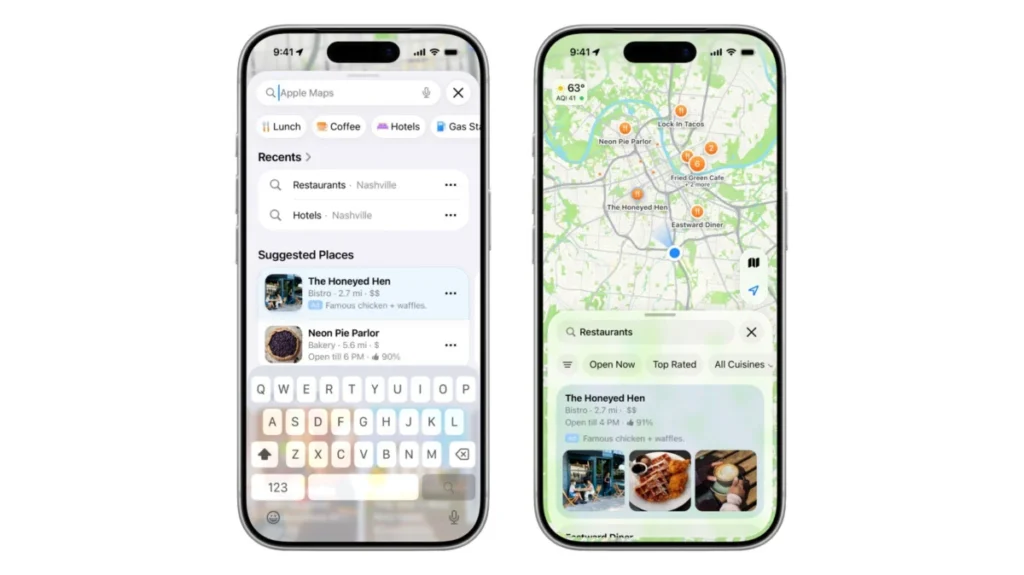
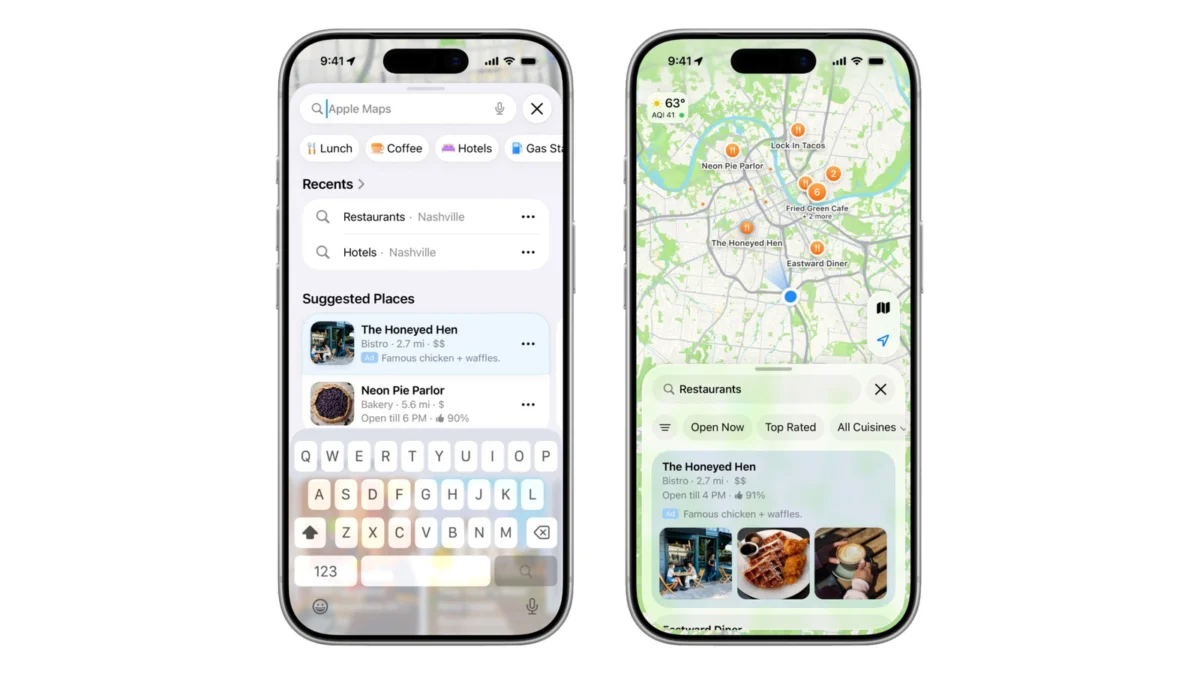
As Apple prepares to integrate paid advertising into its Maps application, the tech giant is drawing a clear line in the sand regarding the nature of the content it will host. According to updated advertising guidelines published by the company this week, Apple is intentionally barring a wide array of "home service" providers from purchasing ad space. This decision marks a significant departure from the strategies employed by competitors like Google, suggesting that Apple aims to position its mapping service as a discovery tool for leisure and lifestyle rather than a directory for utility-based repairs.
The Core Mandate: Redefining Digital Discovery
The central tenet of Apple’s upcoming advertising foray—slated for a rollout in the United States and Canada this summer—is "discovery." Unlike traditional search engines that prioritize transactional efficiency for every conceivable service, Apple is positioning Maps as a curated gateway for exploration.
The newly released advertising guidelines explicitly forbid content promoting home services, including plumbing, electrical work, locksmithing, HVAC repair, pest control, roofing, and general contracting. This categorical ban is designed to curate the user experience, ensuring that when a user interacts with a promoted pin or search result, they are looking at a restaurant, a coffee shop, or a local landmark, rather than a list of emergency service providers.
By filtering out these utility-based advertisements, Apple is attempting to solve a perennial problem in the mobile advertising space: "ad fatigue." When a user opens a map to find a pleasant venue, the intrusion of an emergency plumber ad can be jarring. Apple’s strategy suggests that it would rather sacrifice the revenue potential of the home-service sector to maintain the "premium" aesthetic of its ecosystem.
A Chronology of Apple’s Advertising Evolution
Apple’s journey toward an ad-supported ecosystem has been gradual, deliberate, and often met with skepticism from its privacy-conscious user base.
- 2016: Apple introduces Search Ads in the App Store, allowing developers to pay for prominence in search results. This marked the company’s first major pivot toward leveraging its platform dominance for ad revenue.
- 2022: The company announces a significant expansion of its advertising footprint. Ads were introduced to the "Today" tab on the App Store and individual app product pages, signaling a move from simple search-based ads to broader, placement-based advertising.
- March 2026: Apple confirms its long-rumored plans to bring native advertising to the Maps application. While the rollout was initially signaled for 2026, the company has since clarified that initial testing and deployment in North America will begin as early as this summer.
- February 2027: The current week’s update to advertising guidelines provides the most granular detail yet on what will—and will not—be permitted within the Maps interface, effectively banning home services and high-risk categories like cryptocurrency ATMs and bail bonds.
Supporting Data: The Growth of "Services"
To understand why Apple is moving into Maps advertising, one must look at the company’s financial trajectory. Apple’s "Services" division—which encompasses the App Store, Apple Music, iCloud, and ad revenue—has become the company’s fastest-growing segment.
In recent fiscal reports, the Services category has consistently posted double-digit growth, often outpacing the hardware sector, which remains subject to the volatile nature of global smartphone demand. By integrating ads into Maps, Apple is tapping into a massive, high-intent audience. Data suggests that Maps usage often precedes a physical transaction within an hour, making these impressions significantly more valuable to local businesses than banner ads on a website.
However, the company faces a balancing act. While investors push for higher revenue, Apple’s brand equity is built on a promise of a clean, non-intrusive user experience. The current strategy of banning "scammy" or "low-quality" ads—a direct response to criticisms leveled at the advertising quality within Apple News—serves as a protective measure for its brand image.
Official Stance and Philosophical Underpinnings
Apple’s public-facing materials regarding its advertising guidelines emphasize a commitment to safety and user-centric design. In a statement on their advertising portal, the company notes: "People rely on Apple Maps to explore new places and try new things. From discovering coffee shops and restaurants, to stores and landmarks, Maps is where ‘what’s around here?’ becomes ‘I’m on my way.’"
This philosophy separates Apple from the "utility-first" model. When a user searches for a plumber, they are usually in a state of stress or urgency. Apple’s decision to remove these from the ad pool implies a desire to distance the platform from the high-pressure, potentially deceptive nature of the home services industry, which is notorious for lead-generation scams.
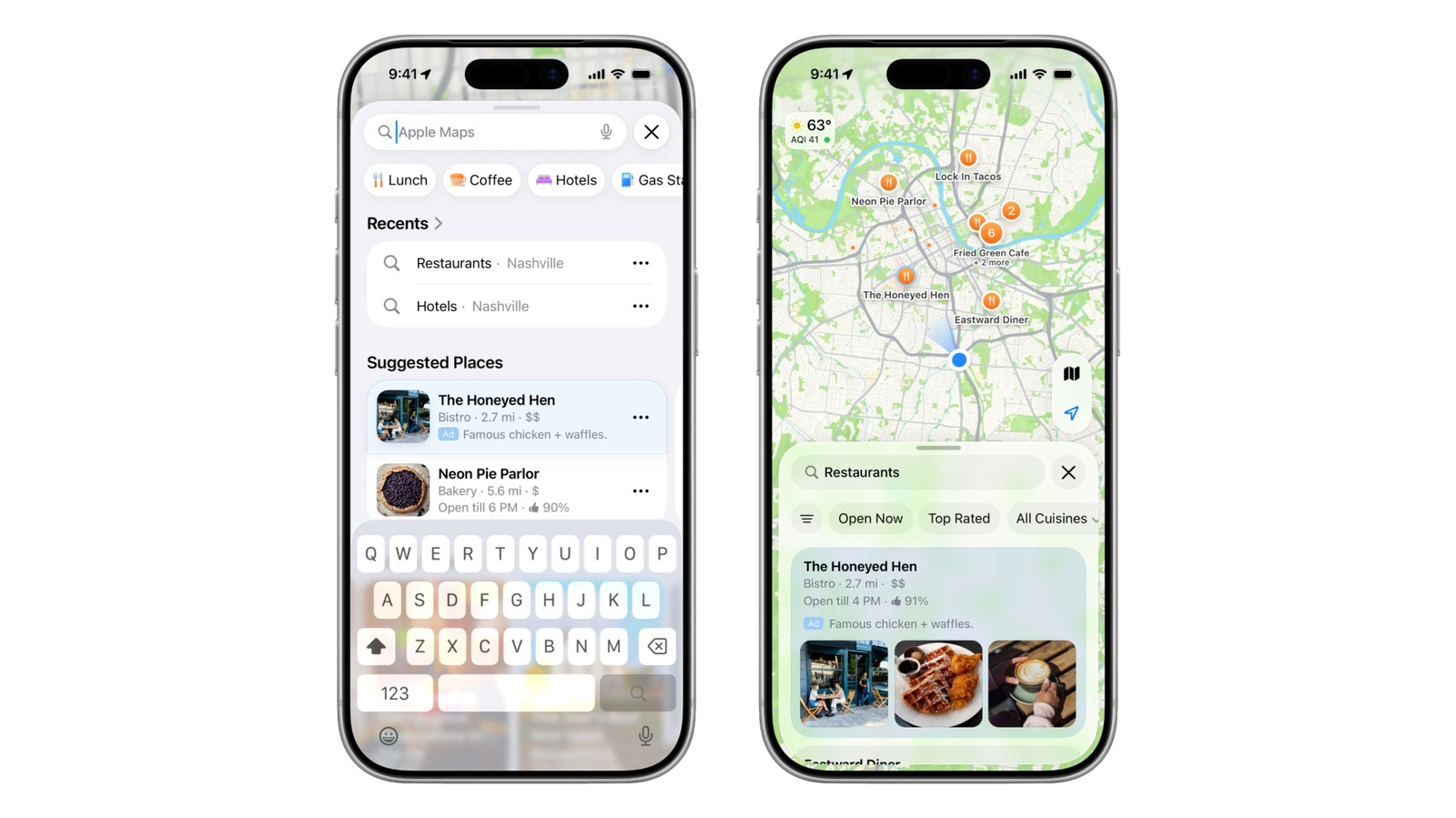
By creating a "walled garden" for advertisers, Apple is also exercising control over the quality of its map data. By favoring businesses that are "destinations" rather than "service providers," the company ensures that the ads are consistent with the photography, reviews, and UI elements already present in the Maps app.
Implications for the Market
The implications of this policy are profound for three primary stakeholders:
1. For Small Businesses
Local restaurants and boutiques stand to benefit the most. They will face less competition for attention, as the ad auction will not be diluted by high-spending home service franchises. However, local service contractors—the plumbers and electricians—are effectively locked out of one of the most powerful discovery platforms in the modern mobile landscape. They will be forced to continue relying on search engines and social media platforms, which may lack the location-specific intent that Apple Maps provides.
2. For Competitors
Google Maps currently dominates the local search market, and its ad model is built on "utility." If you search for a plumber on Google, you are met with a plethora of sponsored results. Apple’s refusal to mirror this model creates a point of differentiation. For users who prefer a "clean" experience, Apple Maps becomes a more attractive, less cluttered interface. However, for users who need a functional directory, Google remains the superior tool.
3. For Apple’s Brand Reputation
Apple is walking a fine line. It is attempting to monetize its platform without alienating the user base that pays a premium for its hardware. If the ads in Maps are relevant, visually appealing, and unobtrusive, the rollout will likely be seen as a "value-add." If, however, the ad quality degrades over time—as some critics argue has happened with Apple News—the company risks diluting the prestige of its ecosystem.
The Broader Context of Digital Advertising
The decision to ban specific categories of ads is not just a branding exercise; it is also a risk-mitigation strategy. The home services industry is plagued by lead-generation fraud, where companies pay for clicks that do not result in legitimate work. By prohibiting these categories entirely, Apple avoids the regulatory headaches and consumer complaints associated with bad actors.
Furthermore, by explicitly banning political, drug-related, and illegal content, Apple is reinforcing its position as a "safe" platform for families and professional users. This contrasts sharply with the "wild west" nature of some other digital advertising networks, where moderation is often automated and ineffective.
Conclusion: A New Standard for Utility?
As we look toward the summer launch in the US and Canada, the success of Apple Maps ads will be measured not just by the revenue they generate, but by how well they integrate into the existing user experience. Apple is betting that by restricting the types of ads shown, they can increase the value of the space they do sell.
By rejecting the "everything-to-everyone" approach, Apple is doubling down on its identity as a curator. Whether this leads to a new industry standard for mobile advertising remains to be seen, but one thing is certain: for the local plumber, the door to Apple’s most exclusive digital real estate remains firmly shut. For the local cafe, however, the future of discovery has never looked brighter.