Unlocking the Ride: Hacker Pedro Neves Champions Right-to-Repair with Open-Source E-Bike Mid-Drive Motor
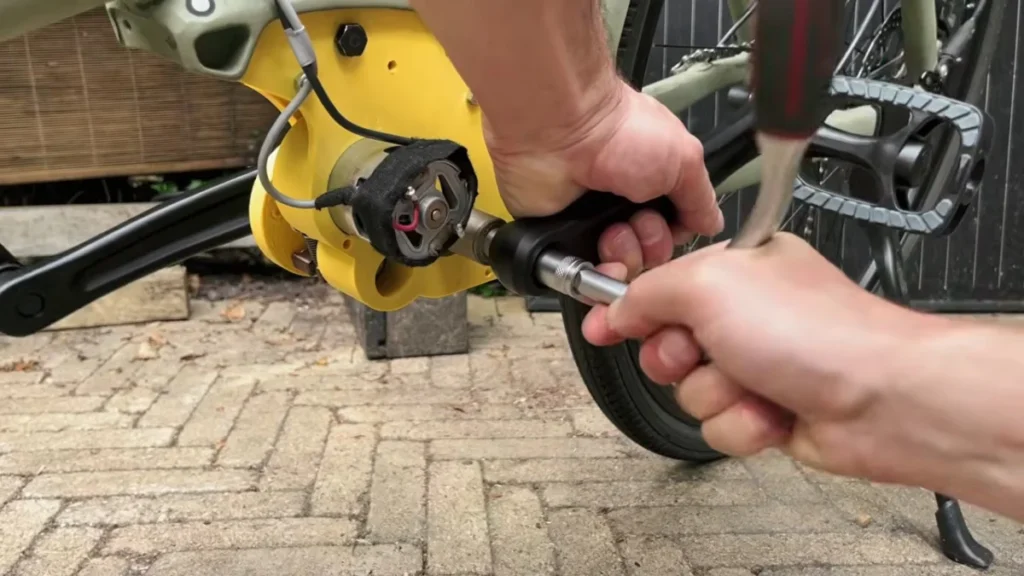
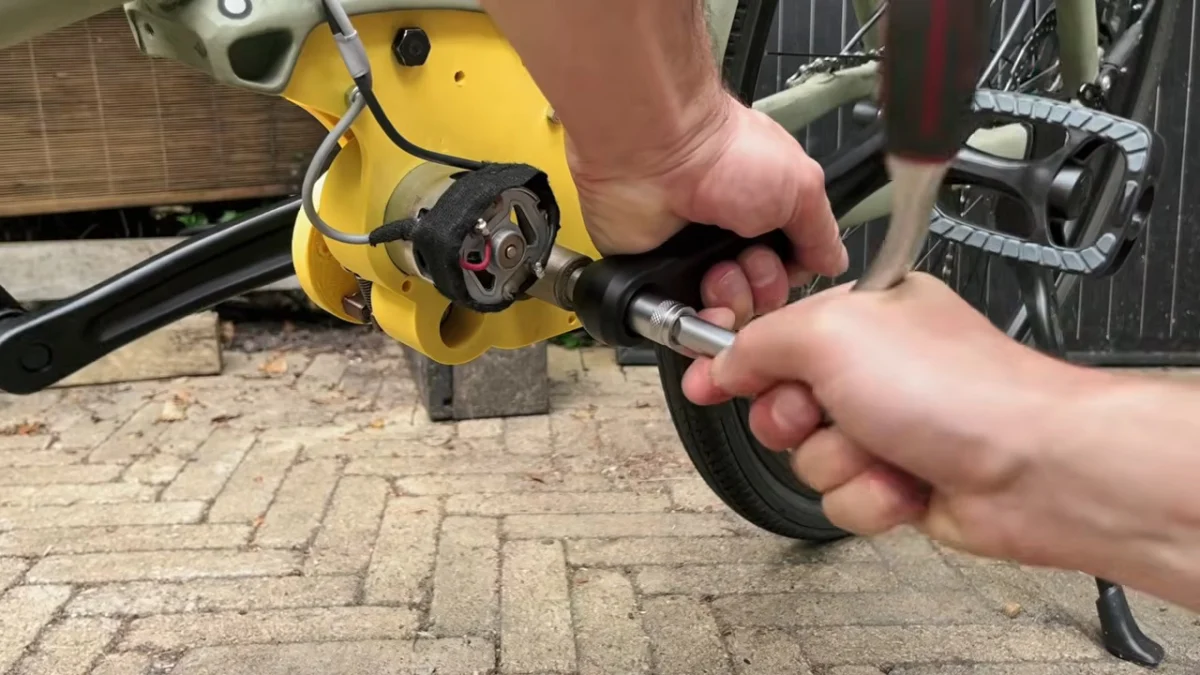
Utrecht, Netherlands – In an era dominated by proprietary technology and the increasing challenge of repairing consumer electronics, one individual is pushing back against the tide of planned obsolescence. Pedro Neves, a self-proclaimed hacker and passionate advocate for the right-to-repair, has unveiled an innovative solution to a common modern dilemma: the unrepairable e-bike. Frustrated by his inability to service his own mid-drive e-bike motor due to its sealed, proprietary design, Neves embarked on an ambitious project. His answer? To design and build his own open-source mid-drive e-bike motor from scratch, sharing all the designs, components, and build instructions with the global maker community. This project not only offers a viable alternative for e-bike enthusiasts but also stands as a powerful statement in the ongoing battle for consumer repair rights and sustainable technology.
Neves’ creation, detailed on his website powercircuits.nl, provides enthusiasts with .step files and a Bill of Materials (BOM), empowering anyone with access to a 3D printer and basic tools to construct their own highly customizable and repairable e-bike motor. The design smartly incorporates an repurposed motor from an old battery-powered angle grinder, a choice that highlights both thrift and environmental consciousness. Aiming for a top speed of 25 km/h, a common legal threshold in many jurisdictions, Neves’ mid-drive unit also features strategically integrated 3D-printed components for accessibility, complemented by crucial metal bearing surfaces for durability and safety. A notable inclusion is a clutch bearing, a thoughtful design element ensuring riders can pedal home manually should the battery fail or the motor encounter an issue. This initiative represents a significant stride towards democratizing e-bike technology, promoting self-sufficiency, and fostering a more sustainable approach to personal electric mobility.
The Genesis of a Movement: Frustration Ignites Innovation
Pedro Neves’ journey from frustrated consumer to open-source hardware pioneer is a compelling narrative rooted in the burgeoning global "right-to-repair" movement. Like countless others, Neves had invested in an e-bike, anticipating years of reliable, eco-friendly transport. However, his experience quickly mirrored a widespread complaint: when the complex mid-drive motor unit inevitably developed a fault, he discovered it was designed as a sealed, unserviceable component. This meant that a minor internal issue could render the entire, expensive unit irreparable, forcing a costly replacement and contributing to electronic waste.
The "Black Box" Problem:
The proprietary nature of many commercial e-bike motors presents a significant barrier to repair. Manufacturers often guard their internal designs, use specialized tools, or even glue components together, making disassembly and fault diagnosis nearly impossible for the average user or even independent repair shops. This practice effectively creates a "black box" scenario, where consumers are locked into manufacturer-approved service channels or forced into expensive replacements. For Neves, a self-described "hacker" with a deep understanding of electronics and mechanics, this situation was not merely an inconvenience but a philosophical affront. The inability to understand, modify, or fix one’s own possessions runs contrary to the spirit of innovation and personal empowerment that defines the maker community.
A Choice Between Two Paths:
Faced with this predicament, Neves recognized only two viable paths for a true hacker: either attempt to reverse-engineer and "crack" the existing proprietary unit, a process fraught with legal and technical challenges, or embrace the ultimate act of self-reliance – build a superior alternative from the ground up. He chose the latter, a decision that not only promised a repairable solution for himself but also held the potential to empower a much wider community. This pivotal moment marked the beginning of his open-source mid-drive project, transforming personal frustration into a catalyst for collective empowerment.
Chronology of a DIY Revolution: From Concept to Community Release
The development of Pedro Neves’ open-source e-bike mid-drive motor was an iterative process, characteristic of pioneering DIY hardware projects. His methodical approach, blending engineering principles with accessible manufacturing techniques, highlights the journey from a personal challenge to a widely shareable solution.
Phase 1: Conceptualization and Component Sourcing (Early Stages)
Neves’ initial concept was clear: he needed a robust, efficient mid-drive system that could be built with readily available and affordable components. The decision to pursue a mid-drive configuration was critical. Unlike simpler hub motors, mid-drives leverage the bike’s existing gearing system, offering superior torque, better weight distribution, and improved efficiency, especially on varied terrain. This provides a more natural and powerful riding experience.
The most innovative aspect of his component selection was the repurposing of a motor from an old battery-powered angle grinder. This choice was driven by several factors:
- Availability: Angle grinders are common tools, and their motors are often powerful and durable.
- Cost-effectiveness: Salvaging a motor from a discarded tool significantly reduces the overall project cost compared to purchasing a new, purpose-built e-bike motor.
- Environmental Impact: This act of "upcycling" aligns perfectly with sustainability principles, giving a new life to what would otherwise become e-waste. Neves likely analyzed the motor’s power output (typically 500W-1000W for angle grinders) and its RPM characteristics, determining its suitability for conversion into an e-bike drive unit.
Phase 2: Design, Prototyping, and Iteration (Mid-Development)
With the core motor identified, Neves moved into the design phase, heavily relying on Computer-Aided Design (CAD) software. He aimed for a modular design that would be relatively straightforward to assemble and repair. A cornerstone of this phase was the strategic use of 3D printing. Fused Deposition Modeling (FDM) 3D printers, now widely accessible, allowed for rapid prototyping of complex parts. This meant Neves could quickly print, test, and refine designs for the motor housing, gear interfaces, and mounting brackets without incurring significant manufacturing costs or delays.
However, rapid prototyping often reveals design limitations. An early challenge emerged with the initial use of a 3D-printed plastic axle. While convenient for prototyping, plastic components, especially under the torsional and bending stresses of an e-bike drivetrain, can be prone to failure. Neves quickly identified this vulnerability, recognizing that safety and long-term durability demanded a stronger solution. This led to a crucial design revision: the plastic axle was replaced with a more robust, CNC-machined metal version. This pragmatic decision underscores the engineering rigor applied to the project, ensuring that critical load-bearing components meet demanding performance standards. The phrase "unless you’ve got legs like Hercules, it ought to hold" humorously acknowledges the robustness achieved with this upgrade.
Phase 3: Integration and Broader Vision (Late Development)
Beyond just the mid-drive unit, Neves envisioned his motor as part of a larger, more ambitious project: a complete open-source cargo bike. Cargo bikes are gaining popularity for urban logistics and family transport, and an open-source design for such a vehicle would offer even greater utility and accessibility. The mid-drive motor, with its superior torque and ability to integrate with the bike’s gears, is perfectly suited for the demands of hauling heavy loads. This broader vision elevates the project from a mere component design to a comprehensive solution for sustainable urban mobility. The video documentation, a vital part of the open-source release, provides insights into this larger context and the intricate details of the build process.
Phase 4: Open-Sourcing and Community Release (Present)
The final, and perhaps most impactful, step was the decision to open-source the entire project. Neves meticulously prepared the necessary documentation:
- .step files: Universal CAD files that allow others to view, modify, and manufacture the parts.
- Bill of Materials (BOM): A comprehensive list of all components needed, specifying parts, quantities, and often suppliers or specifications.
- Detailed Build Video: A YouTube video demonstrating the assembly process, offering visual guidance that complements the technical files.
This act of open-sourcing is a deliberate move to empower the global maker community. By removing proprietary barriers, Neves invites others to build, improve, and innovate upon his design, fostering a collaborative ecosystem that accelerates development and promotes knowledge sharing. It is a testament to the belief that technology, especially that which promotes sustainable living, should be accessible and controllable by its users.
Supporting Data: Technical Ingenuity Meets Open-Source Philosophy
Pedro Neves’ open-source e-bike motor project is a powerful synthesis of technical ingenuity and the core tenets of the open-source hardware movement. A deeper look into its technical aspects and the broader context reveals the multifaceted impact of his work.
Technical Deep Dive: Design Choices and Their Rationale
-
Mid-Drive Configuration Advantage:
The choice of a mid-drive motor over a hub motor is a crucial design decision for performance.- Leveraging Gears: Mid-drives connect directly to the bicycle’s drivetrain, allowing the motor to utilize the bike’s gears. This means the motor can operate at its optimal RPM, providing higher torque for climbing hills or accelerating from a stop, and higher efficiency at various speeds. Hub motors, in contrast, typically have a fixed gear ratio, making them less efficient across a range of conditions.
- Weight Distribution: A mid-drive motor positions its weight centrally and low on the bike frame, improving the bike’s balance and handling compared to a heavy motor in the front or rear wheel hub.
- Easier Wheel Maintenance: With no motor integrated into the wheel, changing tires or performing wheel maintenance is as straightforward as on a traditional bicycle.
-
Repurposed Angle Grinder Motor:
This innovative motor choice is a testament to Neves’ resourcefulness and commitment to sustainability.- Power and Durability: Angle grinders are designed for demanding tasks, meaning their motors are generally robust and capable of producing significant power (often 500W-1000W or more). When correctly geared down for e-bike use, they can provide ample assistance.
- Cost and Accessibility: Salvaging a motor from a used or broken angle grinder dramatically reduces the cost of the most expensive component of an e-bike motor, making the project more accessible to hobbyists.
- Environmental Benefit: This is a prime example of the circular economy in action, diverting electronic waste from landfills and giving components a second life. This approach challenges the linear "take-make-dispose" model prevalent in consumer electronics.
-
Materials and Manufacturing Strategy:
Neves’ material selection reflects a pragmatic balance between accessibility, cost, and structural integrity.- 3D Printing for Accessibility and Iteration: The widespread availability of FDM 3D printers makes custom part fabrication accessible to many. For components like housings, mounts, and non-load-bearing structural elements, 3D-printed plastics (e.g., PETG, ABS, ASA) are excellent choices for their ease of manufacture, low cost, and ability to create complex geometries quickly. This facilitated rapid prototyping and design refinement.
- Strategic Use of Metal for Critical Components: Recognizing the limitations of plastic, Neves wisely specified metal for all critical load-bearing and wear surfaces. This includes:
- Bearing Surfaces: Essential for smooth operation and longevity, metal bearings reduce friction and withstand high rotational forces.
- CNC-Machined Axle: The replacement of an initial plastic axle with a CNC-machined metal one was a critical safety and durability upgrade. The axle transmits power from the motor to the drivetrain and must withstand significant torque and bending forces. CNC machining ensures precision and strength far beyond what 3D printing could offer for such a part.
- Clutch Bearing: The inclusion of a clutch bearing is a thoughtful safety and convenience feature. In the event of motor failure or battery depletion, this mechanism allows the rider to pedal the bicycle without having to turn the motor, effectively disengaging it from the drivetrain. This ensures the bike remains usable as a traditional bicycle, preventing the user from being stranded.
-
Performance Metrics and Regulatory Compliance:
The target speed of 25 km/h is not arbitrary; it aligns with widely accepted regulatory limits for electrically assisted bicycles (EPACs) in many parts of the world, particularly within the European Union. This ensures that a DIY build, if constructed to these specifications, can potentially comply with local laws, avoiding classification as a moped or motorcycle, which would entail more stringent licensing, insurance, and safety requirements. However, as the original article notes, regulations vary, and builders must always verify local rules.
The "Right-to-Repair" Movement: A Broader Context
Neves’ project is a tangible manifestation of the global right-to-repair movement. This movement advocates for consumers’ ability to repair their own products or have them repaired by independent service providers, rather than being forced back to original manufacturers.
- Combating Planned Obsolescence: Proprietary designs, sealed components, and lack of spare parts or repair manuals contribute to planned obsolescence, where products are designed to become obsolete or unrepairable after a certain period, driving new purchases.
- Environmental Impact: The inability to repair leads to a massive increase in electronic waste (e-waste), which is a significant environmental problem due to hazardous materials and resource depletion. Repairing and extending the lifespan of products is crucial for sustainability.
- Economic Impact: Right-to-repair can save consumers money, support local repair economies, and foster innovation by allowing independent entities to improve upon existing designs.
- Legislative Efforts: The movement has gained significant traction, with legislative efforts in the EU, various US states, and other countries aiming to mandate manufacturers provide repair information, parts, and tools. Pedro Neves’ project provides a practical, community-driven solution that bypasses these legislative battles by offering a fully open alternative.
Open-Source Hardware (OSH) Impact:
Pedro Neves’ decision to open-source his design is central to its impact.
- Collaboration and Innovation: OSH fosters a collaborative environment where designs can be scrutinized, improved, and adapted by a global community. This accelerates innovation beyond what a single individual or company could achieve.
- Accessibility and Education: By providing all necessary files and documentation, Neves makes advanced e-bike technology accessible to hobbyists, students, and researchers. It serves as an educational tool, demystifying complex engineering and encouraging hands-on learning.
- Empowerment: OSH empowers individuals to take control of their technology, understanding how it works, modifying it to suit their specific needs, and repairing it themselves. This contrasts sharply with the consumer experience of proprietary, closed-source products.
- Resilience: An open-source design is inherently more resilient to supply chain issues or manufacturer discontinuation, as the knowledge and means to produce it reside within the community.
Neves’ project is more than just an e-bike motor; it is a blueprint for how individuals can reclaim ownership and control over their technology, embodying the principles of sustainability, accessibility, and collaborative innovation that are at the heart of the open-source movement.
Official Responses and Regulatory Landscapes
While Pedro Neves’ open-source e-bike motor project does not elicit a direct "official response" from governmental bodies or major manufacturers, its existence and implications resonate deeply within the regulatory landscape governing personal electric vehicles and the broader industry’s stance on repair.
E-Bike Regulations: A Patchwork of Rules
The target speed of 25 km/h for Neves’ motor is a strategic choice, aligning with the "pedelec" or "EPAC" (Electrically Power Assisted Cycles) classification in many regions, particularly the European Union.
- European Union (EU): Directive 2002/24/EC (and subsequent regulations) defines EPACs as bicycles with an auxiliary electric motor having a maximum continuous rated power of 250 W, where the motor assistance cuts off at 25 km/h, and the assistance is only provided when the cyclist is pedaling. Bikes meeting these criteria are treated as conventional bicycles, requiring no registration, license, or insurance. Exceeding these limits can classify the vehicle as a moped or motorcycle, subjecting it to far stricter regulations.
- United Kingdom: Post-Brexit, the UK largely mirrors EU regulations, with similar power and speed limits.
- United States: Regulations vary by state and even locality, but generally, Class 1 e-bikes (pedal-assist only, motor cuts out at 20 mph/32 km/h) and Class 2 e-bikes (throttle-assist, motor cuts out at 20 mph/32 km/h) are often permitted on bike paths. Class 3 e-bikes (pedal-assist only, motor cuts out at 28 mph/45 km/h) are usually restricted to roads.
- DIY Compliance Challenges: For a DIY builder, ensuring full compliance with these regulations can be challenging. While Neves’ design targets the 25 km/h limit, factors like actual motor power (especially when repurposing an angle grinder motor which might exceed 250W continuous rated power), the quality of components, and the overall safety of the build can be subject to scrutiny. There’s no certification body for individual DIY projects, placing the onus of compliance and safety squarely on the builder.
Industry’s Stance on Right-to-Repair
The e-bike industry, like many other electronics sectors, has historically favored proprietary designs.
- Manufacturer Resistance: Major e-bike motor manufacturers often cite intellectual property protection, safety liability, and quality control as reasons for their proprietary systems. They argue that opening up designs could lead to unsafe modifications, compromise performance, or dilute their brand reputation. Their business model often relies on selling sealed units and providing authorized service, which can be lucrative.
- Emerging Trends: However, the rising tide of the right-to-repair movement is creating pressure. Some manufacturers are cautiously exploring more modular designs or providing limited access to parts and diagnostics. The existence of projects like Neves’ could accelerate this shift by demonstrating consumer demand for repairability and open alternatives.
- Safety vs. Accessibility: A key debate revolves around safety. Manufacturers often emphasize that complex e-bike systems require expert knowledge for repair to ensure safety. Open-source projects like Neves’ aim to empower users with this knowledge through detailed documentation and community support, challenging the notion that only manufacturers can guarantee safe repairs.
The Absence of a Direct "Official Response":
It’s unlikely that any official body or major e-bike manufacturer would issue a direct statement about an individual open-source project. However, Neves’ work contributes to a broader discourse that regulatory bodies are increasingly addressing through legislation and that industry players are forced to acknowledge. His project serves as a concrete example of the consumer demand for products that are repairable, sustainable, and transparent in their design. It highlights the gap between what consumers want and what the market often provides, implicitly pushing for change at both regulatory and corporate levels.
Implications: Reshaping E-Mobility and the Maker Ethos
Pedro Neves’ open-source e-bike mid-drive motor project carries significant implications across various domains, from individual empowerment to broader industry trends and environmental sustainability.
For the DIY Community and Makers:
- Empowerment and Inspiration: Neves’ project is a beacon of inspiration for the global DIY and maker communities. It demonstrates that complex, high-performance technology can be demystified and recreated outside of corporate labs. It empowers individuals to take control of their transportation, fostering a sense of self-reliance and achievement.
- Skill Development: Engaging with such a project necessitates learning about electronics, mechanics, CAD design, 3D printing, and basic engineering principles. This hands-on experience contributes significantly to individual skill development and technical literacy.
- Fostering Collaboration: By open-sourcing his design, Neves invites collaboration. The community can scrutinize, test, suggest improvements, and adapt the design for different needs or available components. This collective intelligence can lead to rapid innovation and refinement that would be impossible in a closed environment. It builds on the core ethos of the open-source hardware movement, where knowledge is shared freely to benefit all.
For Consumers and E-Bike Enthusiasts:
- Affordable and Customizable E-Bikes: The project offers a pathway to more affordable e-bikes, particularly for those willing to invest their time and effort. By leveraging repurposed components and accessible manufacturing methods like 3D printing, the overall cost can be significantly reduced compared to commercial alternatives.
- Repairability and Longevity: The fundamental promise of Neves’ design is repairability. Users can understand every component, source replacements, or even fabricate them, drastically extending the lifespan of their e-bike and reducing the frustration and cost associated with proprietary, unrepairable systems.
- Tailored Solutions: The open-source nature allows for customization. Riders can modify the design to suit specific frames, power requirements (within legal limits), or personal preferences, leading to a truly personalized riding experience.
For Manufacturers and the E-Bike Industry:
- Pressure for Openness: Projects like Neves’ exert pressure on established e-bike manufacturers to reconsider their proprietary models. As consumers become aware of open-source alternatives, demand for more repairable, modular, and transparent products will likely increase. This could push manufacturers towards offering spare parts, repair manuals, or even modular component designs.
- Innovation Catalyst: Open-source projects can serve as incubators for innovation. Manufacturers might observe successful open-source solutions and integrate similar principles into their commercial offerings, or even acquire and commercialize promising open designs.
- Shifting Business Models: The availability of DIY alternatives could prompt manufacturers to explore new business models, perhaps focusing more on high-quality, standardized components, software, or specialized services rather than relying solely on the sale of sealed, non-repairable units.
Environmental Impact:
- Reduced E-Waste: The ability to repair and extend the life of e-bike components directly combats the growing problem of electronic waste. By giving components like angle grinder motors a second life and ensuring the e-bike motor itself is repairable, the project promotes a more circular economy.
- Sustainable Consumption: It encourages a mindset of sustainable consumption, where products are valued for their utility and longevity rather than their disposability.
Future Directions and Broader Vision:
Neves’ work on a larger cargo bike project underscores the scalability and potential of his open-source philosophy. An open-source cargo bike, powered by his mid-drive unit, would address another critical need for sustainable urban transport, offering an accessible platform for individuals and small businesses to build their own utility vehicles. This holistic approach, from motor to full vehicle, represents a powerful vision for democratized, sustainable personal mobility.
In conclusion, Pedro Neves’ open-source e-bike mid-drive motor is more than just a clever piece of engineering; it is a profound statement. It challenges the prevailing culture of disposable electronics, champions the right-to-repair, and empowers individuals to be creators rather than mere consumers. As the world grapples with environmental concerns and the desire for greater autonomy, projects like Neves’ illuminate a path towards a more sustainable, accessible, and user-centric future for technology and transportation. It stands as a testament to ingenuity, community spirit, and the enduring power of the hacker ethos to solve real-world problems.