The Digital Revolution in Your Pedalboard: How PiPedal is Disrupting the Boutique Guitar Market
For decades, the pursuit of the "perfect tone" has been an expensive, space-consuming, and often frustrating endeavor for guitarists. The traditional signal chain—a labyrinthine collection of analog "stomp boxes," proprietary patch cables, and massive, temperamental tube amplifiers—has long been the gold standard. However, the financial barrier to entry for professional-grade sound has historically kept many players from experimenting with their sonic identity.
Today, a paradigm shift is underway. Thanks to the rise of affordable, high-performance single-board computing, projects like PiPedal are democratizing professional audio processing. By leveraging the power of the Raspberry Pi, musicians are discovering that they can replicate, and often exceed, the capabilities of thousands of dollars worth of boutique equipment with a device smaller than a deck of cards.
Main Facts: What is PiPedal?
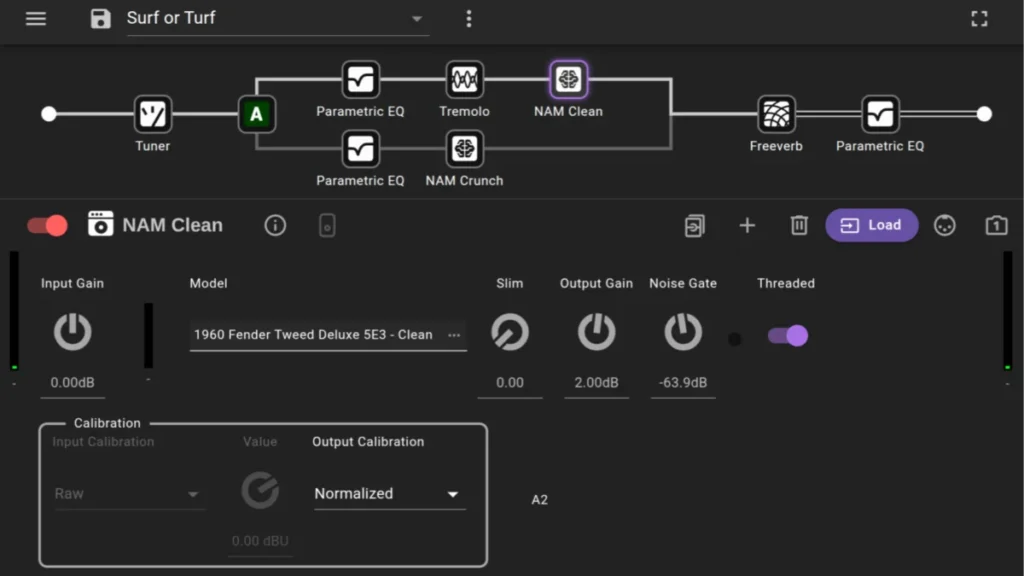
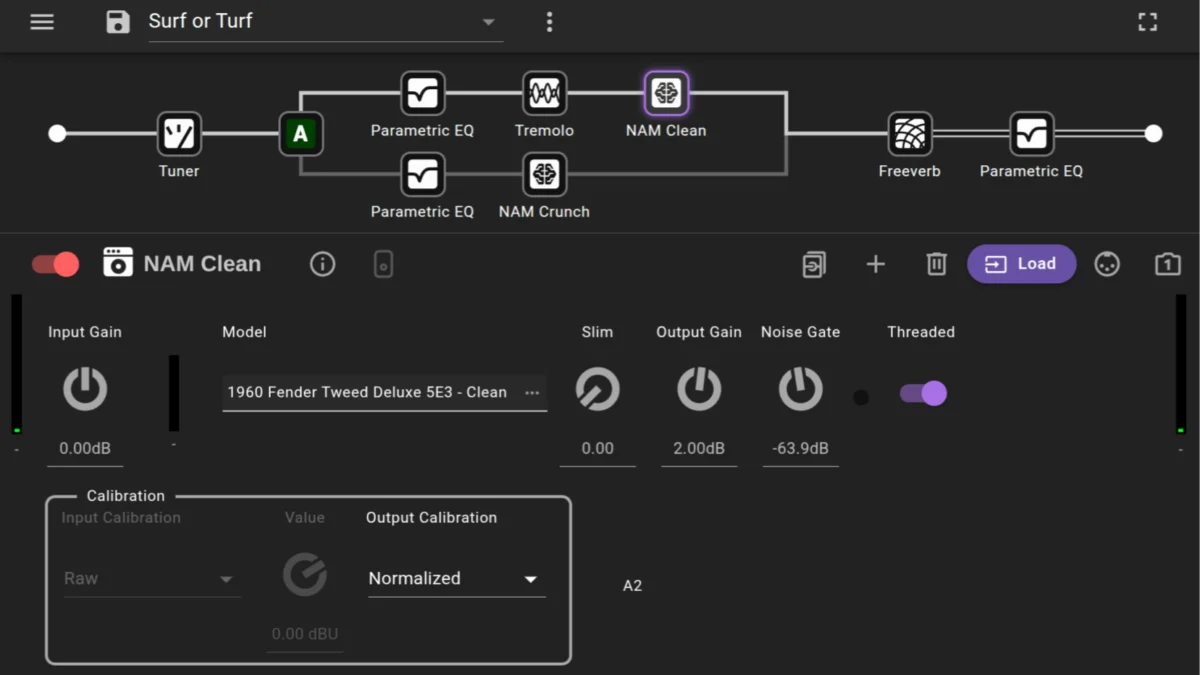
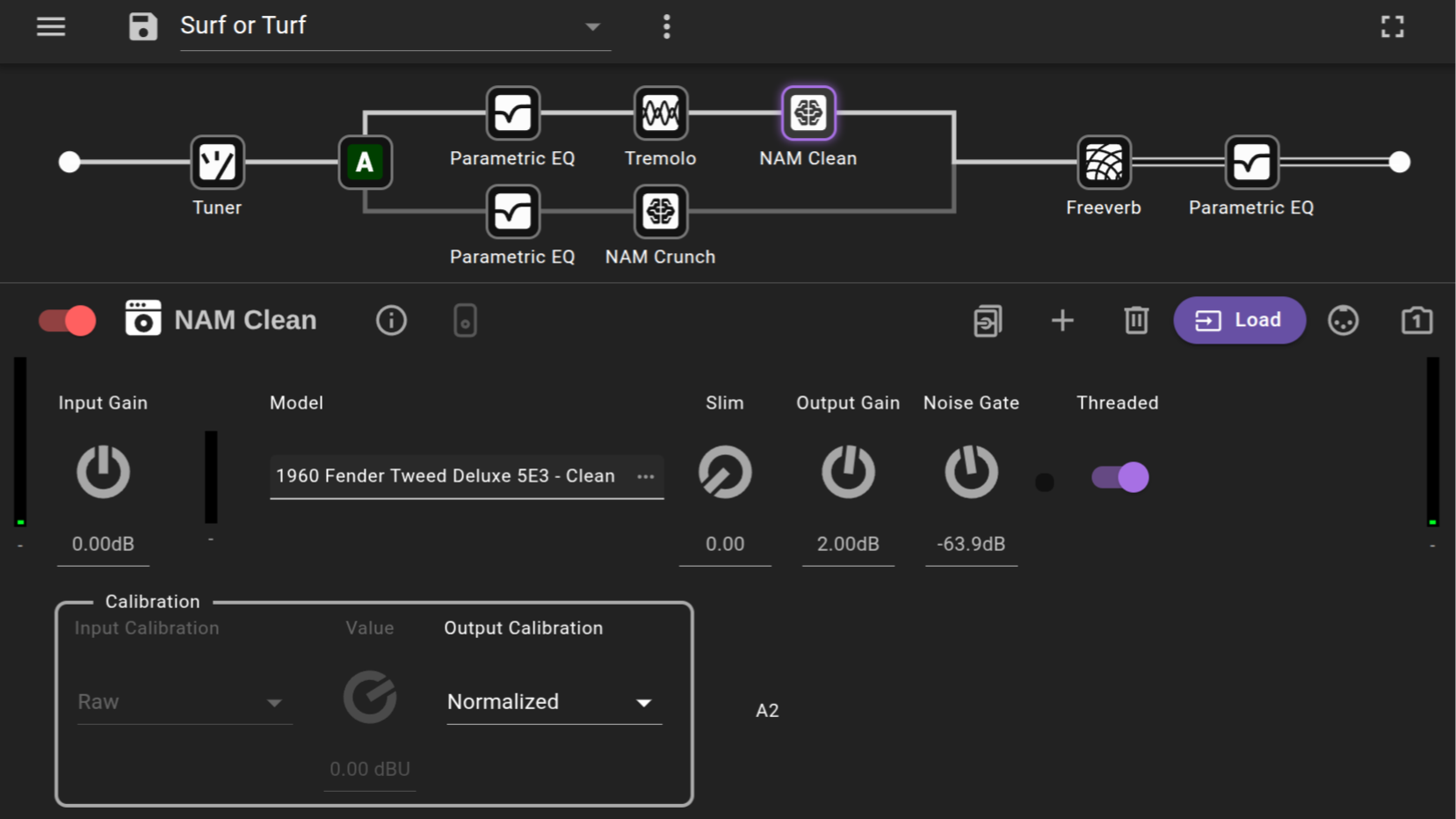
PiPedal is an open-source audio processing environment designed specifically for guitarists who want to break free from the limitations of hardware-locked effects. At its core, the system acts as a high-fidelity digital signal processor (DSP). By running on a Raspberry Pi—or virtually any compatible single-board Linux computer—PiPedal provides a robust platform for real-time guitar amp emulation, pedalboard modeling, and complex audio routing.
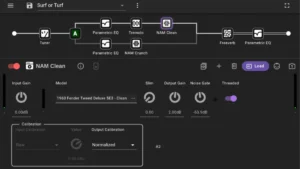
Unlike static software plugins that require a high-end desktop workstation, PiPedal is optimized for low-latency performance. It allows users to chain virtual effects, simulate classic vacuum-tube amplifiers, and manage signal paths through a clean, intuitive interface accessible via any web browser or mobile device. Whether you are practicing in a bedroom, tracking in a home studio, or performing live on stage, the system provides a seamless bridge between the tactile feel of an instrument and the vast potential of digital signal processing.
A Chronology of the Digital Stomp Box
The Era of Analog Dominance
To understand the significance of PiPedal, one must look at the historical trajectory of guitar technology. From the 1960s through the early 2000s, the "analog signal path" was considered sacred. Professional guitarists amassed collections of pedals—often costing hundreds of dollars apiece—to achieve specific textures. If a player wanted the warmth of a vintage British stack, they had to physically own the amplifier. This created an "arms race" of gear acquisition, where sound quality was directly tethered to the size of a musician’s budget.
The Rise of Digital Modeling
In the mid-2000s, digital modeling began to emerge. Early iterations were often mocked for "thin" sounds and high latency. However, as processing power grew, brands like Kemper and Line 6 began to bridge the gap. While effective, these commercial solutions remained expensive, often costing as much as the vintage gear they were attempting to emulate.
The Open-Source Intervention
The recent emergence of PiPedal represents the third wave of this evolution. By stripping away the "proprietary" tax associated with commercial modeling hardware, PiPedal puts the power of sophisticated audio engineering into the hands of the hobbyist. Recent reports from early adopters, such as documented experiments on tech-focused platforms, have signaled a "tipping point." Users are now finding that they can construct a digital rig that renders their physical pedalboards redundant, leading some to begin selling off their legacy hardware in favor of a centralized, Pi-based processing unit.
Supporting Data: Why Low-Latency Computing Matters
The primary challenge in digital audio processing for live music has always been latency—the delay between picking a string and hearing the sound through the amplifier. For years, this delay made digital rigs feel "detached" and unplayable.
Processing Power vs. Performance
PiPedal succeeds by utilizing the Linux kernel’s real-time capabilities alongside highly efficient C++ code. The Raspberry Pi’s ARM-based processor, when paired with a high-quality audio interface (DAC/ADC), can process audio buffers fast enough that the human ear cannot detect the delay.
- The Hardware Foundation: The system typically utilizes the Raspberry Pi 4 or 5. These units offer enough CPU headroom to run multiple high-fidelity models simultaneously without thermal throttling.
- The Interface: By utilizing a web-based UI, PiPedal eliminates the need for bulky monitors or physical screens on the pedalboard itself. The guitarist can use a smartphone or tablet to tweak parameters mid-song, a luxury previously reserved for expensive proprietary MIDI controllers.
- Affordability Metrics: A boutique pedalboard can easily run into the $3,000 to $5,000 range. A complete PiPedal setup, including the board, a high-quality audio interface, and a custom enclosure, can often be assembled for under $300. This represents a 90% reduction in cost for comparable (or superior) sonic versatility.
Official Perspectives and Community Feedback
The developer community surrounding PiPedal, centered largely around the project’s GitHub repository, has seen a surge in activity over the last twelve months. Unlike traditional guitar manufacturers, who guard their "circuit secrets" under patents, the PiPedal community operates on an open-source model.
The "Death of the Modeler" Debate
In a widely discussed blog post from the creator of a popular tech-audio site, the sentiment was clear: "Amp modelers as we knew them are dead." The argument posits that as long as the underlying code (the "engine") is high-quality, the physical chassis of a commercial unit is simply an overpriced container. When you run that engine on an open-source platform, you gain the ability to update, modify, and improve your tone indefinitely.
Guitarists who have switched to the PiPedal workflow report a sense of "liberation." One user noted: "I spent years chasing a specific fuzz tone. With this, I can tweak the virtual components, load custom impulse responses (IRs), and save the patch to my phone. I haven’t touched my physical board in months."
Implications: The Future of Guitar Gear
The widespread adoption of projects like PiPedal holds significant implications for the music industry and the future of guitar gear.
1. The Decline of the Secondary Market
As digital platforms become more reliable, the secondary market for analog pedals may see a contraction. Collectors will always value the history of vintage gear, but the "working musician" is increasingly opting for the portability and consistency of digital rigs. If a player can carry their entire studio in a backpack, the incentive to drag a 60-pound tube amplifier to a gig diminishes rapidly.
2. The Democratization of Professional Audio
We are entering an era where "boutique" sound is no longer a luxury good. With the documentation provided by the PiPedal project, a student in a garage has access to the same sonic processing power as a world-touring professional. This is likely to lead to a surge in creative sound design, as artists are no longer limited by the physical constraints of their gear.
3. DIY Customization
The modular nature of PiPedal encourages a "tinkerer’s mindset." Because the code is open, users are beginning to build custom control surfaces—using foot switches, MIDI controllers, and even repurposed vintage pedal enclosures—to house their Pi-based rigs. This marks a return to the DIY ethos of the 1970s, but with 21st-century processing power.
Conclusion: A Call to Action
The evolution of the guitar rig is clearly trending toward software-defined hardware. PiPedal stands at the vanguard of this movement, offering a powerful, accessible, and community-driven alternative to the status quo.
For those ready to step into the future of tone, the path is clear: visit the official PiPedal GitHub repository, review the documentation, and prepare to rethink everything you thought you knew about your signal chain. As the community continues to grow, we encourage any readers who build their own custom rigs to share their results—the industry is listening, and the next great sound might just be coming from a hobbyist’s workstation.