Beyond the Hype: Navigating the Intersection of AI and Design Systems
The technology sector is currently experiencing a profound sense of "AI fatigue." From Silicon Valley boardrooms to the quiet corners of remote developer workspaces, the discourse surrounding Artificial Intelligence has become saturated with polarized extremes—either breathless, utopian promises of a post-labor world or dire, apocalyptic warnings of creative obsolescence. Yet, for the professional developer and designer, the reality is far more nuanced. The question is no longer whether AI will exist, but how it can be pragmatically integrated into professional workflows to augment, rather than replace, human ingenuity.
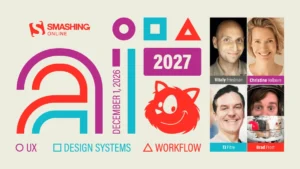
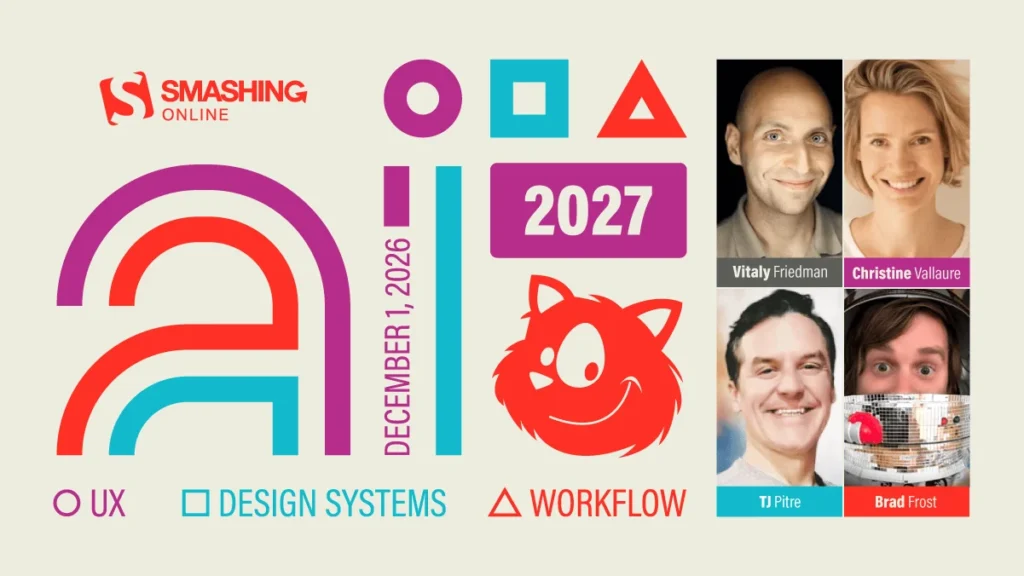
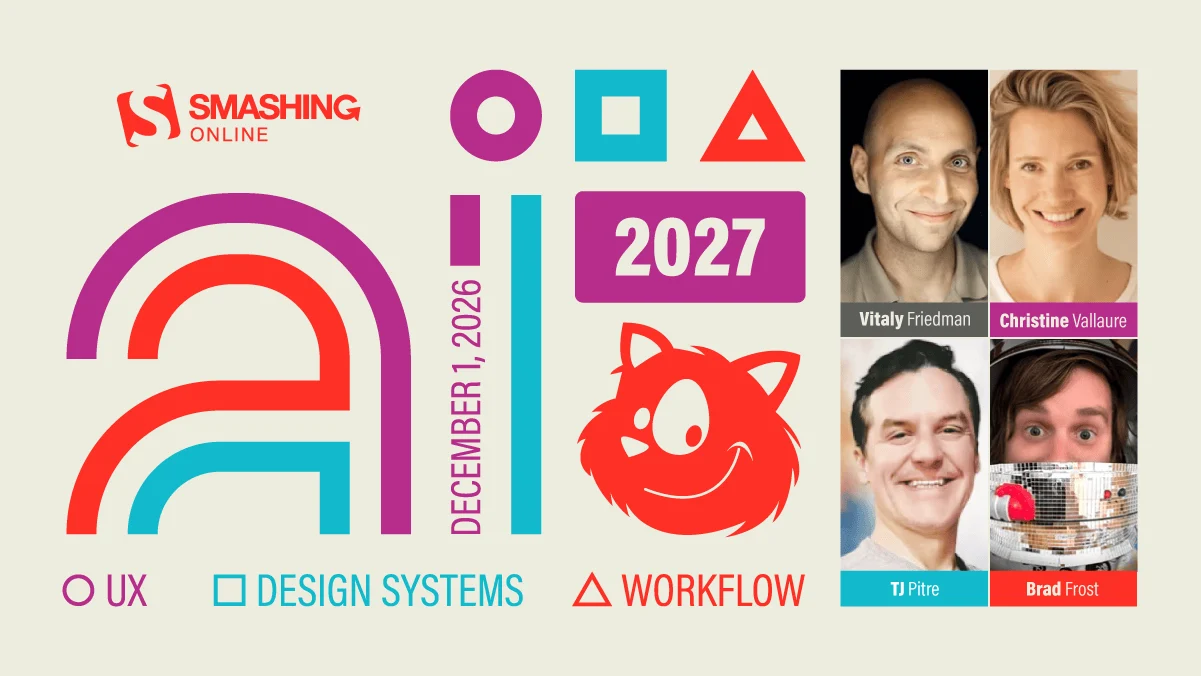
Addressing this disconnect between sensationalist marketing and day-to-day utility, Smashing Magazine has announced a landmark event: the AI in Design Systems conference, scheduled for December 1. By stripping away the performative hype that defines much of the current AI conversation, the conference aims to provide a grounded, actionable roadmap for professionals navigating the integration of AI into design operations.
Main Facts: The Practicality of AI in Design Systems
The upcoming conference is not another high-level seminar on the philosophical implications of Large Language Models. Instead, it is a focused, technical deep-dive into how AI tools are actively transforming design systems—the very architecture that governs the visual and functional consistency of modern digital products.
The event will take place on December 1, 2024, in a fully virtual, live format designed to bridge the gap between global experts and the developer community. The core objective is to move beyond the "magic" of AI and into the "mechanics" of it. Attendees can expect sessions that address the lifecycle of a design system, from automated documentation and token generation to accessibility auditing and the automation of repetitive UI engineering tasks.
The conference is designed for a diverse audience, including:
- Design System Engineers: Looking to optimize component libraries using generative models.
- UX/UI Designers: Seeking to streamline their contribution to design systems.
- Product Managers and Stakeholders: Who need to understand the ROI and workflow shifts required to implement AI-assisted design tooling.
Chronology: From Experimental Tooling to Industry Standard
To understand the necessity of this conference, one must look at the timeline of AI integration in front-end development over the past 24 months.
- Q1 2023: The "Generative Boom." Following the widespread adoption of GPT-4, initial experiments involved basic code generation for components. Much of this output was hit-or-miss, requiring significant human oversight.
- Q3 2023: Integration phase. Developers began using LLMs to write unit tests for design system components and to draft documentation. The focus shifted from "generating a page" to "automating a piece of the pipeline."
- Q1 2024: The "Systematization" era. Professionals began building custom GPTs and fine-tuned models specifically trained on their own company’s design tokens and style guides.
- Q4 2024 (Current): The maturation phase. The industry is now realizing that AI is only as good as the systems it serves. The AI in Design Systems conference represents this pivot toward mature, systemic integration rather than individual, ad-hoc usage.
Supporting Data: Why "AI Fatigue" is a Symptom of Poor Context
The prevailing fatigue in the industry is largely due to a lack of context. According to recent surveys among software engineers, approximately 68% of developers report using AI-assisted coding tools daily. However, fewer than 20% report that these tools have significantly reduced their total project delivery time.
The disconnect lies in the workflow integration. When AI is used as a standalone tool—such as a prompt-and-paste mechanism—it often creates more technical debt than it saves in time. However, when AI is integrated into a Design System, it acts as a force multiplier. For instance, teams that automate the maintenance of design tokens via AI-assisted linting and documentation see a marked improvement in cross-departmental communication.
The Smashing conference aims to address this by providing data-backed case studies. By shifting the focus from "Will AI take my job?" to "How can AI help me manage this design system at scale?" the event addresses the root cause of the current industry burnout.
Expert Perspectives and Key Speakers
The credibility of any professional event rests on the expertise of its contributors. Smashing Magazine has curated a lineup that reflects the best of the industry—practitioners who have spent years in the trenches of design systems long before the current AI surge.
Brad Frost
Widely recognized for his foundational work on Atomic Design, Frost brings a pragmatic, "human-first" approach to the conversation. His insights into how design systems should evolve to accommodate AI—rather than how AI should force systems to change—will be a cornerstone of the event.
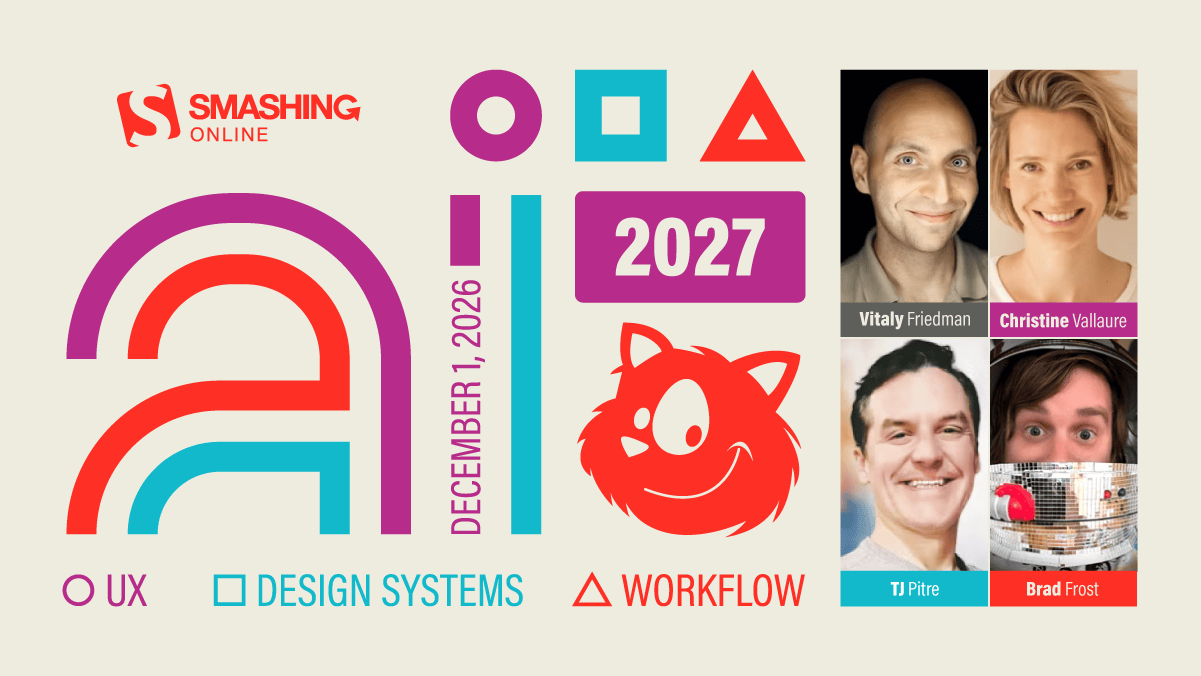
Christine Vallaure
Vallaure offers a unique perspective on the intersection of design, code, and user psychology. Her expertise in bridging the gap between designers and developers makes her an essential voice in discussions about how AI can translate intent into functional UI.
Vitaly Friedman
As the co-founder of Smashing Magazine, Friedman has a reputation for cutting through the noise. His focus is on the "smashing" way of doing things: technical excellence, accessibility, and performance. His participation ensures the conference remains rooted in high-quality, sustainable development practices.
TJ Pitre
Pitre’s work in the design system space is characterized by a focus on complexity and scaling. For teams managing large, enterprise-level design systems, his input on AI-assisted maintenance and governance will be invaluable.
Implications for the Future of Development
The implications of this conference extend far beyond a single day of learning. It represents a shift in the professional landscape. The industry is moving toward a model where the developer is less of a "code-writer" and more of an "editor of intent."
The "Editor" Workflow
In the near future, the design system will act as the source of truth for the AI. The developer will define the parameters—the accessibility standards, the branding, the interaction patterns—and the AI will ensure these are consistently applied across the codebase. The conference aims to demonstrate exactly how to build these parameters so that the AI remains a productive assistant rather than a source of errors.
Organizational Efficiency
For companies, the primary implication is efficiency. By reducing the time spent on "boilerplate" tasks, design teams can focus on what actually moves the needle: user experience, complex problem-solving, and innovation. The conference will provide stakeholders with the vocabulary and framework needed to justify the investment in AI tools to leadership.
Registration and Community Engagement
Recognizing the economic pressures facing many in the tech sector, the organizers have kept the barrier to entry low. Registration for the event is priced at €50, providing accessible entry to high-level industry discourse.
Furthermore, as part of a collaboration with the developer community, a special discount code—AITRICKSCSS—is available for those who register. The organizers are committed to fostering a collaborative spirit, and in a gesture of goodwill, they have allocated free tickets for early community engagement.
Final Thoughts
The rise of AI in our industry is inevitable, but its impact is a choice. We can either allow the noise to overwhelm our workflows, or we can choose to master the tools that enhance our craft. The AI in Design Systems conference is not a place for hype; it is a place for the careful, thoughtful consideration of the future of our work.
For those interested in reclaiming their workflow and learning how to wield these new tools with precision and intent, the December 1 conference is an essential waypoint.
Interested professionals are encouraged to register here to secure their spot. For further information and the full speaker schedule, visit the official conference page.