Beyond the Desktop: The Evolution of Raspberry Pi-Powered Handheld Computing
Since its humble inception as a credit-card-sized board intended to spark interest in computer science, the Raspberry Pi has undergone a remarkable metamorphosis. What began as an educational tool for budding programmers has quietly reshaped the landscape of hackable hardware, providing an accessible gateway to Linux-based computing, GPIO-driven automation, and custom embedded systems.
While recent price adjustments across the Raspberry Pi lineup have sparked debate within the maker community, the platform remains the undisputed gold standard for DIY enthusiasts. This ecosystem, ranging from the ultra-compact "Zero" series to the industrial-grade "Compute Modules," has enabled a new wave of innovation: the custom handheld computer. Today, these devices are no longer mere prototypes; they are sophisticated, portable workstations that push the boundaries of what a single-board computer (SBC) can achieve.
The Chronology of the Pi-Handheld Revolution
The trajectory of the Raspberry Pi from a stationary desktop replacement to a portable, handheld device did not happen overnight. In the early days, "portable" meant tethering a Pi to a bulky monitor and a power bank. However, the release of the Compute Module series—specifically the CM3 and CM4—changed the architectural possibilities. By separating the processing power from the I/O interface, the Raspberry Pi Foundation inadvertently handed engineers the perfect "brain" for custom carrier boards.
By 2022, we saw a surge in boutique manufacturers and hobbyists utilizing 3D printing and custom PCB design to create "Cyberdecks"—portable, ruggedized terminals that prioritized utility over aesthetics. The transition from these rough-around-the-edges prototypes to the polished, consumer-ready devices we see today (like the Pi Slate or the uConsole) marks a coming-of-age for the platform. We have moved from simple hobbyist experiments to a specialized niche market that caters to cybersecurity researchers, retro-gaming enthusiasts, and Linux purists.

The Current Landscape: A Comparative Overview
The following table outlines the most prominent players in the current Raspberry Pi handheld market, showcasing the diversity in design philosophy and target use cases.
| Device | Primary Use Case | Processor | Price Range | Status |
|---|---|---|---|---|
| Hackberry Pi CM5 | General Purpose / Enthusiast | CM5 | $158 – $1,049 | In Stock |
| PocketTerm35 | Linux Terminal / Portable Dev | Pi 4B / 5 | $87.99 – $181.99 | In Stock |
| Pi Slate | Cybersec / Pentesting | Pi 5 | $299 – $749 | In Stock |
| uConsole | Modular Computing | CM4 | $249 | Partial Stock |
| Cybert. | Advanced Prototyping | CM5 | $199 | Sold Out |
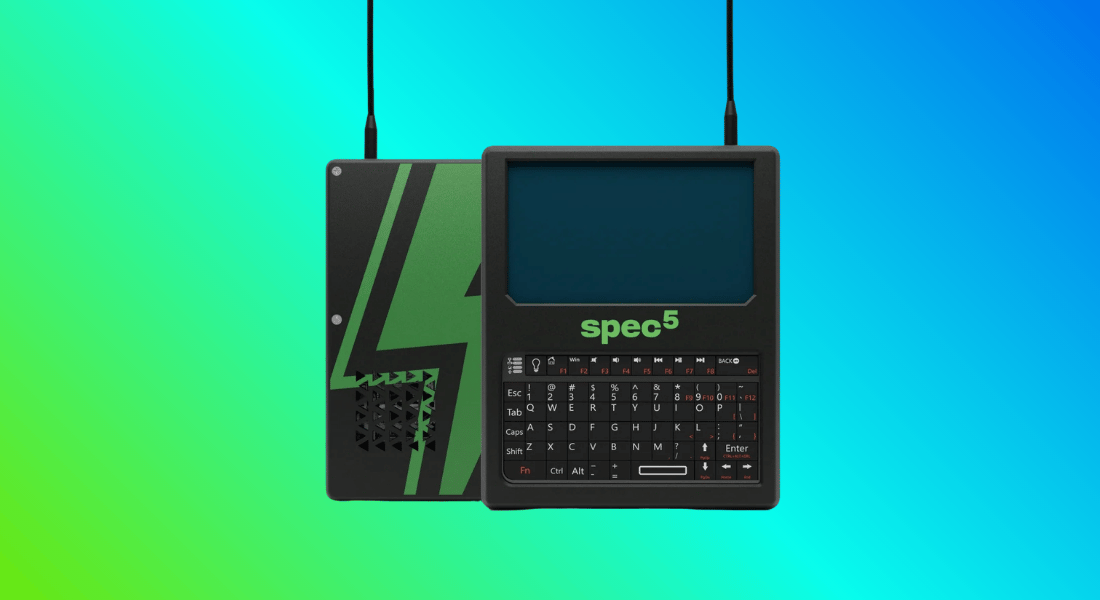
| SpecFive Strike | Tactical/Mesh Networking | CM4 | $434.99 | Sold Out |
Deep Dive: Analysis of Notable Hardware
1. The Hackberry Pi CM5: Engineering Excellence
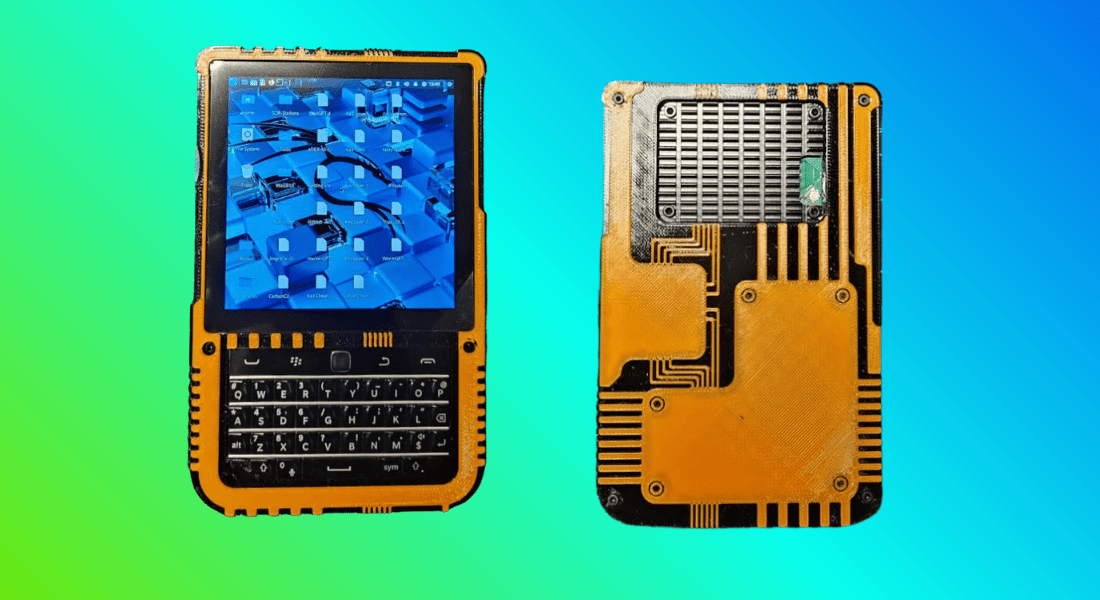
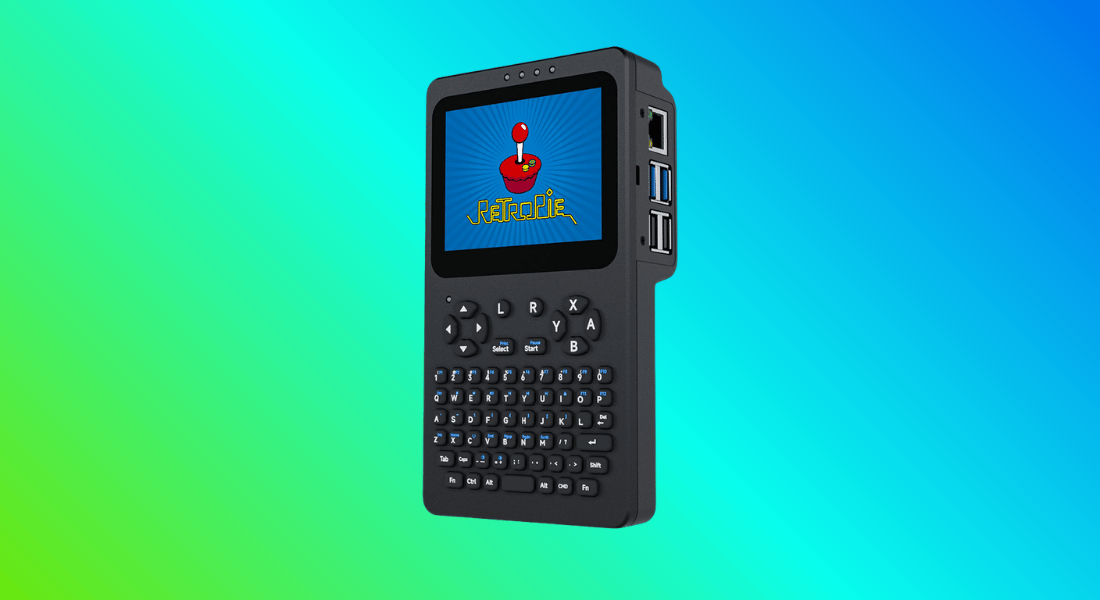
Developed by Zitao, an engineering student at the Technical University of Dresden, the Hackberry Pi CM5 is a testament to the power of open-source design. Featuring a 4-inch 720×720 touchscreen and a repurposed BlackBerry QWERTY keyboard, it bridges the gap between retro-aesthetic charm and modern processing power. By leveraging the quad-core Cortex-A76 chip in the CM5, the device serves as a legitimate portable Linux machine, capable of handling complex development tasks on the move.
2. PocketTerm35: The Minimalist’s Choice
Waveshare’s approach with the PocketTerm35 is one of accessibility. By designing a chassis that accommodates the standard Raspberry Pi 4B or 5, they have removed the "barrier to entry" associated with Compute Modules. This device is less of a hobbyist project and more of a practical tool for system administrators who need a portable, tactile interface for managing servers or writing code in the field.
3. The Pi Slate: The Cybersecurity Workstation
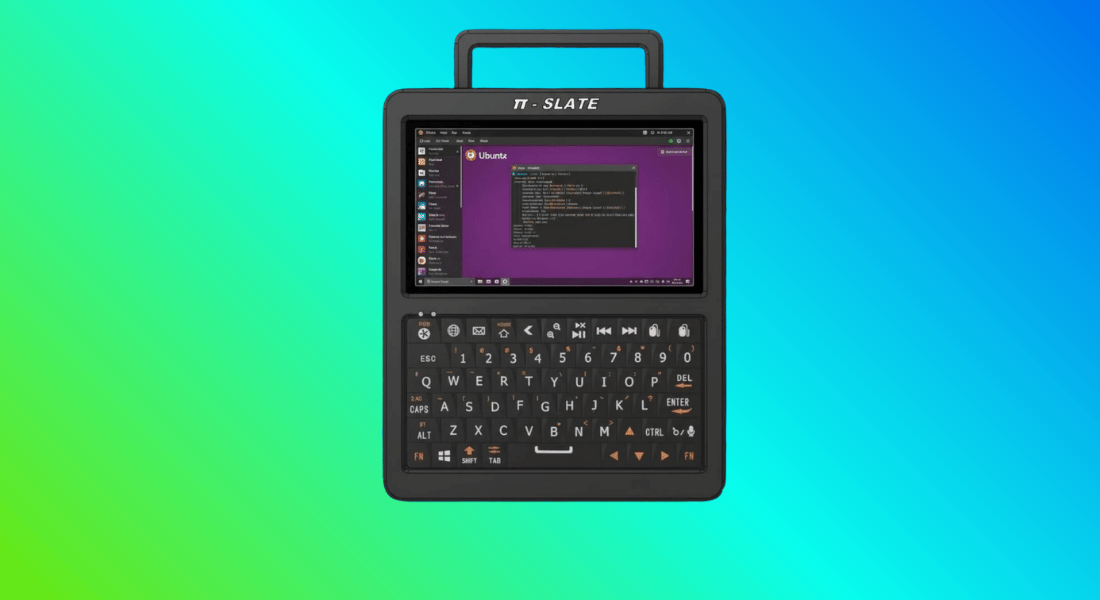
Carbon Computers has carved a niche by focusing on the "rugged professional" sector. The Pi Slate is engineered specifically for cybersecurity practitioners. With integrated antenna mounts for LoRa, GPS, and Software Defined Radio (SDR) modules, it effectively functions as a mobile lab. Its 10,000 mAh battery provides the endurance necessary for long field operations, distinguishing it from general-purpose handhelds.
4. uConsole: The Modular Philosophy
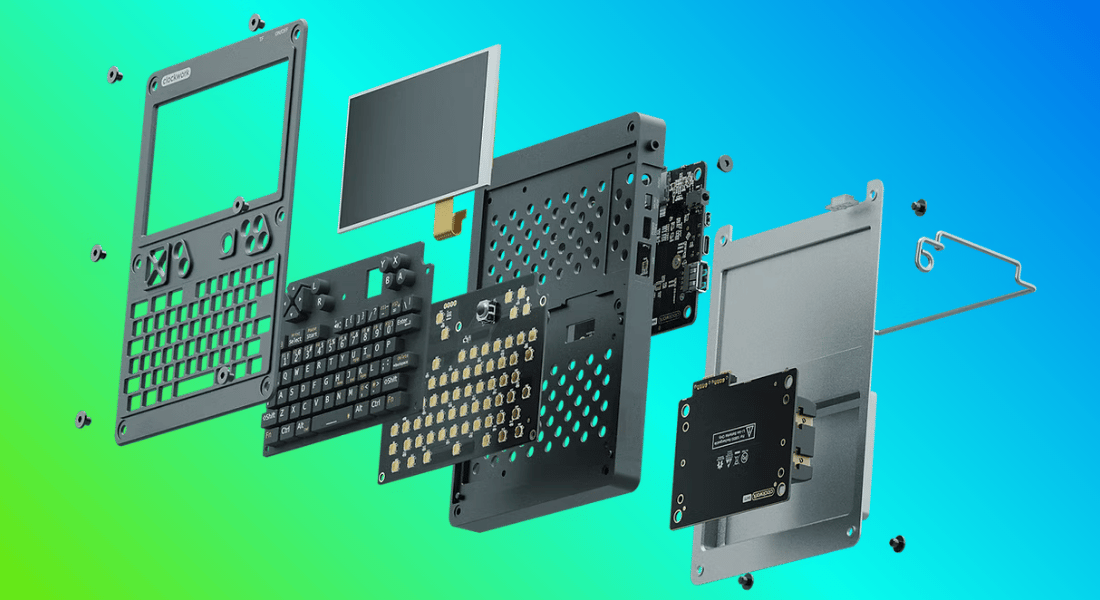
ClockworkPi’s uConsole takes a different approach by embracing modularity. Unlike other devices that lock you into a specific board, the uConsole offers interchangeable core modules. This is a significant design decision: it future-proofs the device against the inevitable obsolescence of silicon. If a new version of the Compute Module is released, the user simply upgrades the "brain" rather than replacing the entire unit.
5. Cybert. and the SpecFive Strike: Tactical Innovation
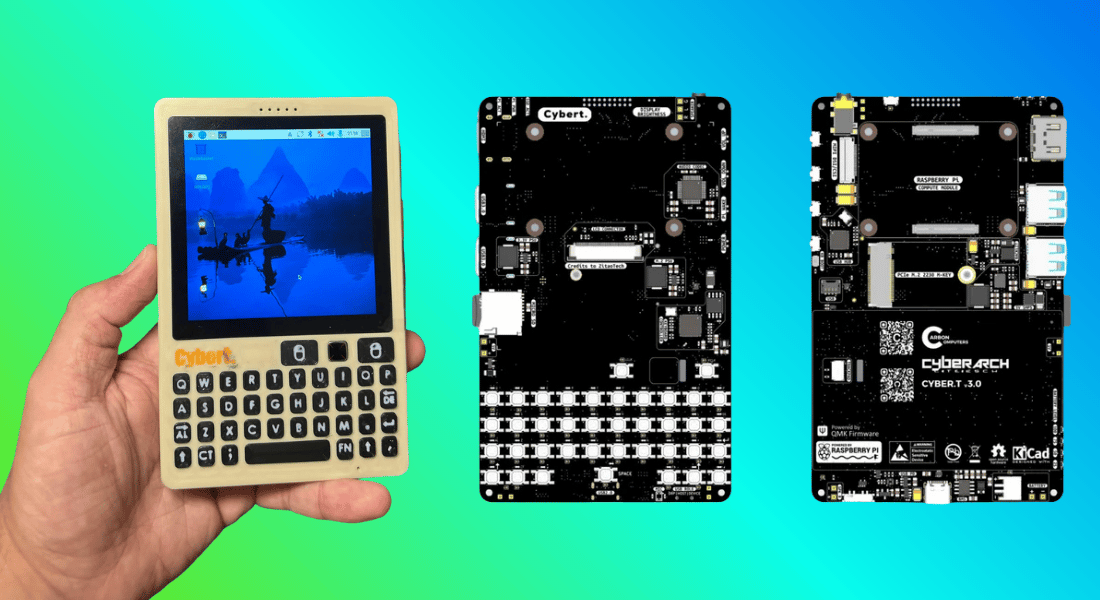
These devices represent the outer limit of the "Cyberdeck" genre. The Cybert. v3.2, with its M.2 SATA support, allows for high-speed storage or AI accelerator integration, making it a powerful platform for edge computing. Meanwhile, the SpecFive Strike distinguishes itself through native Meshtastic integration, positioning it as a tool for tactical mesh networking—a sector increasingly vital for emergency responders and off-grid communication enthusiasts.
The Implications of Portable Pi Computing
The rise of these devices carries significant implications for the future of mobile computing and education.
Democratizing Specialized Hardware
Historically, a device with a built-in SDR radio, a 10,000 mAh battery, and a high-resolution touchscreen would have cost thousands of dollars and required proprietary development software. The Raspberry Pi ecosystem has lowered the "cost of entry" for specialized hardware. By using the Pi as a standardized compute core, developers can focus on the unique "value add"—the antennas, the keyboards, and the rugged cases—rather than the underlying OS and driver support.
The Sustainability Factor
There is also an inherent sustainability benefit to these handhelds. Because these devices are designed to be repaired and upgraded, they challenge the "disposable tech" culture of the smartphone industry. When a battery reaches its end-of-life or a processor becomes obsolete, these units allow for modular replacement. This lifecycle management is a breath of fresh air in an era of non-repairable, glued-shut electronics.
Limitations and Challenges
Despite the excitement, these devices are not without their hurdles. Thermal management remains a constant battle; stuffing a high-performance Pi 5 into a small, passive-cooled case often results in thermal throttling under heavy loads. Furthermore, the power consumption of these boards means that even with massive battery packs, users are rarely looking at "all-day" battery life in the way they might expect from a modern tablet.
Official Responses and Industry Outlook
The Raspberry Pi Foundation has historically maintained a neutral, supportive stance toward the ecosystem. While they do not officially endorse specific third-party handhelds, they have made the Compute Module series more accessible to OEMs and boutique designers, signaling an understanding that their product has transcended the "hobbyist board" label.
Market analysts suggest that as AI workloads continue to move to the edge, the demand for these "Cyberdeck" style devices will likely grow. We are entering an era where "Local First" computing—where data is processed on the device rather than in the cloud—is becoming a priority for security-conscious users. The Raspberry Pi handheld, therefore, is not just a toy for makers; it is a precursor to a new class of professional, portable, and privacy-focused computing hardware.
Conclusion: The Path Forward
The evolution of the Raspberry Pi into the handheld form factor is one of the most compelling stories in modern electronics. It represents the perfect synthesis of hardware accessibility, open-source software, and community-driven design. While these devices require a higher level of technical literacy than a standard consumer tablet, the payoff is a level of control and customization that no corporate ecosystem can provide.
Whether you are a developer looking for a portable terminal, a security professional in need of a field-hardened radio workstation, or simply a maker who enjoys the satisfaction of building their own tools, the world of Pi-powered handhelds has never been more vibrant. As we look toward future iterations of the Compute Module and the increasing miniaturization of peripheral components, one thing is certain: the era of the "desktop-tethered" Pi is rapidly coming to an end, and the era of the portable, powerful, and truly personal computer is only just beginning.