Beyond Viral Vectors: A Breakthrough in Duchenne Muscular Dystrophy Treatment Using Targeted mRNA-Loaded Extracellular Vesicles
Duchenne muscular dystrophy (DMD), a devastating genetic condition characterized by progressive muscle degeneration, has long remained a "holy grail" for gene therapy researchers. For years, the immense size of the DMD gene—the longest in the human genome—has acted as a biological barrier, rendering traditional viral-based delivery systems insufficient and potentially dangerous. However, a landmark study published today in Nature Biomedical Engineering signals a potential paradigm shift. Researchers have successfully deployed a non-viral, skeletal-muscle-targeted extracellular vesicle (EV) platform to deliver full-length DMD mRNA systemically, effectively restoring dystrophin production and significantly enhancing muscle function in murine models.
The Core Challenge: Why Viral Vectors Fall Short
DMD is caused by mutations that prevent the production of dystrophin, a critical protein that acts as a structural stabilizer for muscle cell membranes. Without functional dystrophin, muscle fibers become fragile, leading to chronic inflammation, necrosis, and premature death.
For decades, the standard approach to gene therapy involved using adeno-associated viruses (AAVs) to deliver therapeutic genetic material. While AAVs have been used in various clinical settings, they suffer from two critical flaws when applied to DMD:
- Payload Capacity: AAVs possess a limited "cargo" space. Because the DMD gene is exceptionally large, researchers have historically been forced to use truncated versions, known as "micro-dystrophins," which lack the full functional capacity of the native protein.
- Immunogenicity and Toxicity: Systemic delivery of high-dose viral vectors has been linked to severe immune responses, organ toxicity, and in some tragic instances, patient mortality. These safety concerns have already forced the withdrawal of certain gene therapies from the market, casting a shadow over the field.
Chronology of the Breakthrough
The journey toward this non-viral breakthrough involved a rigorous, multi-stage development process:
- Engineering the Vehicle: The research team, led by experts at UT MD Anderson, focused on extracellular vesicles (EVs)—naturally occurring, lipid-enclosed nanoparticles that facilitate intercellular communication. By engineering these EVs with specific surface tags, the researchers created "DMD t-EVs," which function like molecular homing missiles, programmed to dock specifically with skeletal muscle cells.
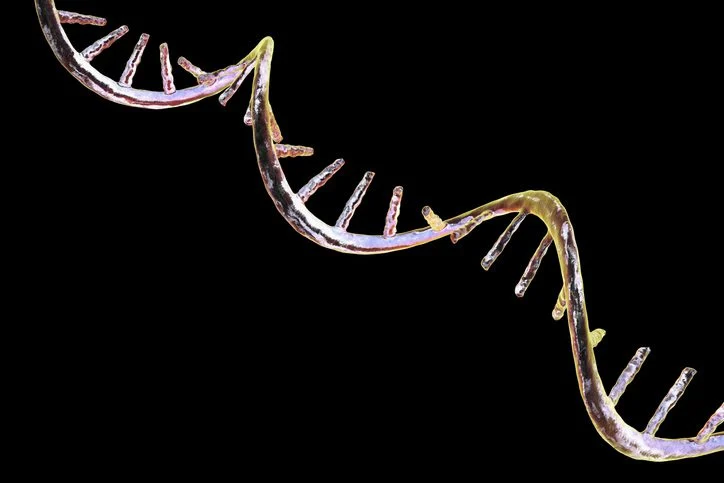
- The mRNA Cargo: Unlike DNA-based therapies that require entry into the cell nucleus, the team opted for full-length DMD mRNA. This approach bypasses the need for nuclear entry, reducing the risk of genomic integration and allowing for direct, efficient protein translation.
- Murine Validation: Initial trials in mice models of DMD demonstrated that systemic injection of these t-EVs led to widespread distribution in skeletal muscle tissue.
- Safety Assessment in Non-Human Primates: Following the success in rodents, the team conducted biocompatibility and safety studies in non-human primates. The results confirmed that the t-EVs did not trigger the systemic inflammation or dose-limiting toxicities typically associated with viral vectors, even after multiple administrations.
Supporting Data: Efficacy and Muscle Restoration
The data published in Nature Biomedical Engineering provides compelling evidence that the t-EV platform is not merely a theoretical curiosity, but a functional therapeutic candidate.
In the murine study, the administration of t-EVs resulted in the successful restoration of dystrophin protein expression within the sarcolemma of muscle cells. The functional improvements were equally significant: mice treated with the platform exhibited a measurable increase in both muscle strength and overall physical endurance compared to untreated controls.
Perhaps most notably, the researchers reported that the treatment remained localized to the target tissues. By avoiding the liver and other off-target organs—a common pitfall for systemic viral delivery—the platform maintained a superior safety profile. The absence of an adverse immune response after repeated dosing suggests that the body does not recognize these EVs as foreign threats in the same way it views viral capsids, potentially solving the problem of "one-and-done" treatment limitations that currently plague AAV therapies.
Official Perspectives: A New Blueprint for Therapeutics
Dr. Betty Kim, a key researcher in the department of neurosurgery at UT MD Anderson, emphasized the importance of this shift in delivery strategy.
"Our new platform overcomes the limitations of current viral-based gene therapies, allowing for the delivery of full-length mRNA, restoring wild-type translation of dystrophin and significantly improving muscle function," Dr. Kim stated. "We are highly encouraged by these results, which provide a blueprint for mRNA-loaded EVs as a next-generation therapeutic strategy."
The medical community has responded with cautious optimism. By replacing the virus with the patient’s own or synthetic-derived biological transport mechanisms, the team has effectively bypassed the "viral ceiling." This transition from DNA-based viral delivery to mRNA-based EV delivery represents a move toward more "naturalistic" protein synthesis within the target cell.
Implications for Future Medicine
The implications of this research extend far beyond Duchenne muscular dystrophy. Because the platform is inherently modular, it may function as a "disease-agnostic" delivery system.
Beyond DMD: A Universal Platform
The ability to deliver full-length, large-scale proteins via systemic injection opens doors to treating a vast array of conditions that involve protein deficiency or dysfunction. Dr. Kim notes that the approach could eventually be applied to:
- Neurodegenerative Diseases: Targeting the brain and peripheral nervous system to deliver essential proteins that have been lost to atrophy.
- Autoimmune Disorders: Using EVs to modulate cellular responses and induce tolerance.
- Oncology: Reprogramming cells within the tumor microenvironment to halt cancer progression or make tumors more susceptible to traditional therapies.
- Chronic Fibrosis: Delivering therapeutic enzymes that could break down scar tissue in the heart, lungs, or liver.
The Road to Clinical Trials
While the results in murine and non-human primate models are groundbreaking, the path to human clinical trials remains methodical. Future studies will be required to optimize the "homing" mechanism to ensure efficient delivery to the heart, a critical consideration given that cardiac failure is a leading cause of mortality in DMD patients. Additionally, large-scale manufacturing of these engineered EVs—ensuring consistency and purity—will be a primary focus for the researchers as they move toward the regulatory approval process.
Conclusion
The development of the DMD t-EV platform marks a transition in genetic medicine: from the "brute force" delivery of viral vectors to the "precision guidance" of bio-engineered vesicles. By restoring full-length dystrophin, this approach addresses the root cause of Duchenne muscular dystrophy with an accuracy that previous methods could not achieve. If these results can be replicated in human clinical trials, the medical field may be on the cusp of a new era, where the delivery of complex genetic information is no longer limited by the biological constraints of viruses, but rather limited only by the boundaries of human ingenuity.
As we look toward the future, the promise of "protein restoration" via mRNA-loaded EVs offers a beacon of hope not just for DMD patients, but for millions suffering from a wide spectrum of currently intractable genetic and degenerative diseases.