Breakthrough in Bladder Cancer: Engineering a New Future for Organ-Sparing Immunotherapy
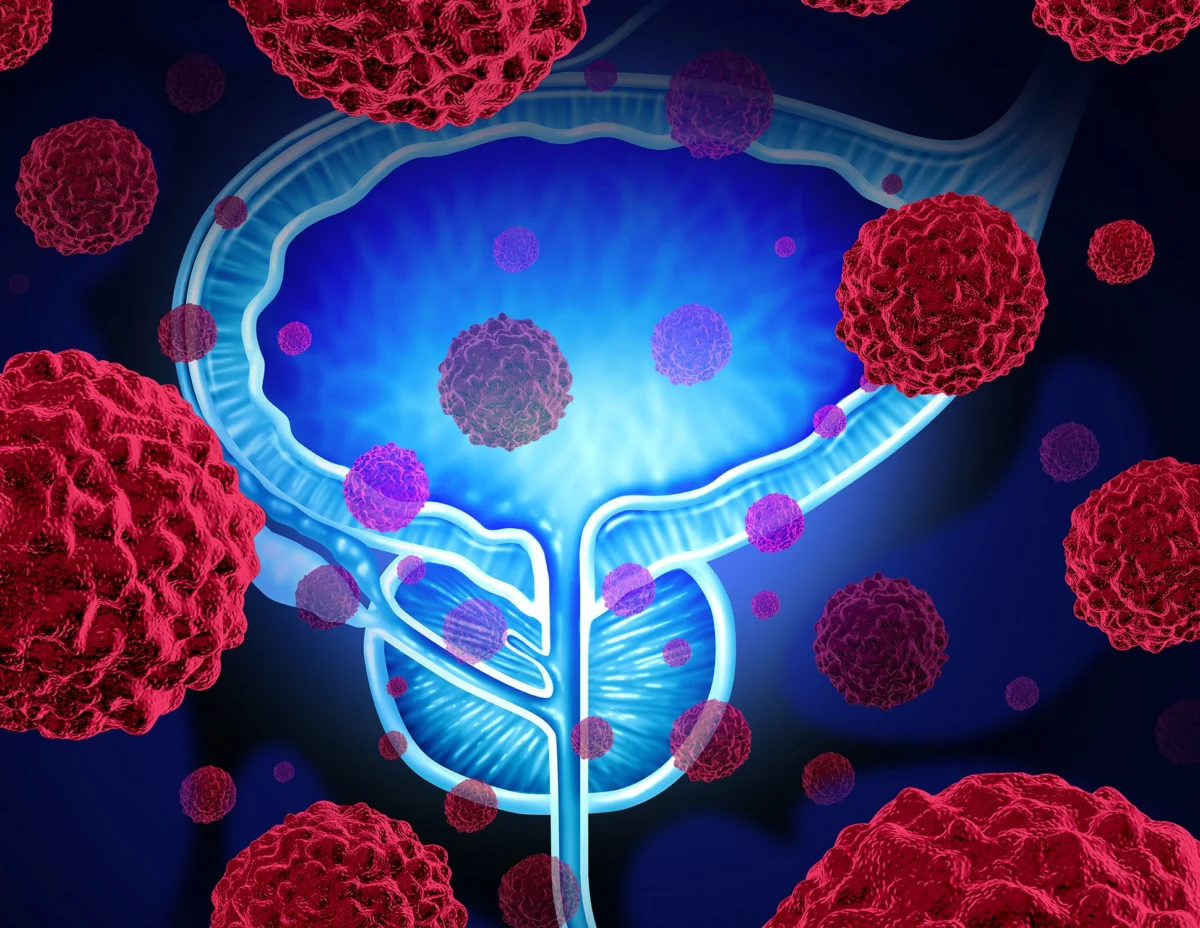
In a significant stride for oncology, researchers from Weill Cornell Medicine and the Roswell Park Comprehensive Cancer Center have unveiled a novel approach to treating bladder cancer (BCa) using genetically engineered CAR T cells. Published in the Journal of Experimental Medicine, this study offers a glimmer of hope for the nearly 600,000 patients diagnosed with bladder cancer annually, potentially providing a viable, non-surgical alternative to the life-altering procedure of total cystectomy (bladder removal).
By combining computational antigen identification with the innovative use of intravesical—or direct-to-bladder—delivery, the research team has addressed two of the most persistent hurdles in solid tumor immunotherapy: target specificity and effective drug localization.
The Core Challenge: Why Bladder Cancer Remains Difficult to Treat
Bladder cancer represents a global health burden, with approximately 200,000 deaths reported annually. The standard clinical management for high-risk bladder cancer typically involves a combination of surgical intervention and subsequent systemic chemotherapy or immunotherapy.
However, these traditional methods are frequently plagued by high rates of tumor recurrence and disease progression. When standard treatments fail, the standard of care often escalates to the complete surgical removal of the bladder—a radical procedure that carries significant physical and psychological consequences, including long-term complications and a diminished quality of life.
“Intravesical therapies are the mainstay of bladder cancer management, but their efficacy is limited by toxicities and recurrences,” explains Dr. Taha Merghoub, a professor at Weill Cornell Medicine and co-leader of the study. “Given these challenges, there is a significant unmet clinical need, driving renewed interest in bladder-sparing therapies for patients with high-risk bladder cancer who are unfit or unwilling to have their bladder removed.”
The Evolution of the Study: A Chronology of Discovery
The journey to this discovery began with a shift in focus toward the unique biological environment of the bladder. The researchers followed a multi-stage process to ensure both the safety and efficacy of their proposed intervention.
1. Computational Antigen Identification
The research team initiated an antigen discovery pipeline, using computational modeling to scan for proteins highly expressed on bladder cancer cells while remaining largely absent in healthy, non-cancerous tissue. The goal was to identify an "ideal target"—an antigen that would allow CAR T cells to hunt down malignant cells without triggering off-target toxicity in the rest of the body.
2. The Identification of MUC16
Through this rigorous computational screening, the team identified MUC16, a protein previously recognized as a prognostic biomarker for bladder cancer and as a target in ovarian cancer research. Data from 1,292 patient samples confirmed that MUC16 is highly expressed across a broad spectrum of bladder tumors, including those that have shown resistance to existing chemotherapeutic and immunotherapeutic agents.
3. Engineering and Laboratory Validation
Once MUC16 was identified, the scientists engineered T cells to express a Chimeric Antigen Receptor (CAR) specifically designed to recognize and bind to MUC16. In laboratory models using patient-derived bladder cancer cells, these engineered T cells demonstrated a potent ability to destroy MUC16-positive tumors.
4. Preclinical Testing in Mouse Models
The final phase of the preclinical study involved testing the engineered cells in mice implanted with human bladder cancer cells. This stage provided the most critical evidence for the team’s proposed delivery method, distinguishing between systemic (intravenous) administration and local (intravesical) administration.
Supporting Data: Why "Compartmentalized" Delivery Matters
The history of CAR T-cell therapy is a story of contrast. While these "living drugs" have revolutionized the treatment of hematologic malignancies (blood cancers), they have struggled to gain a foothold against solid tumors. Two primary factors often sabotage CAR T efficacy in solid tumors:
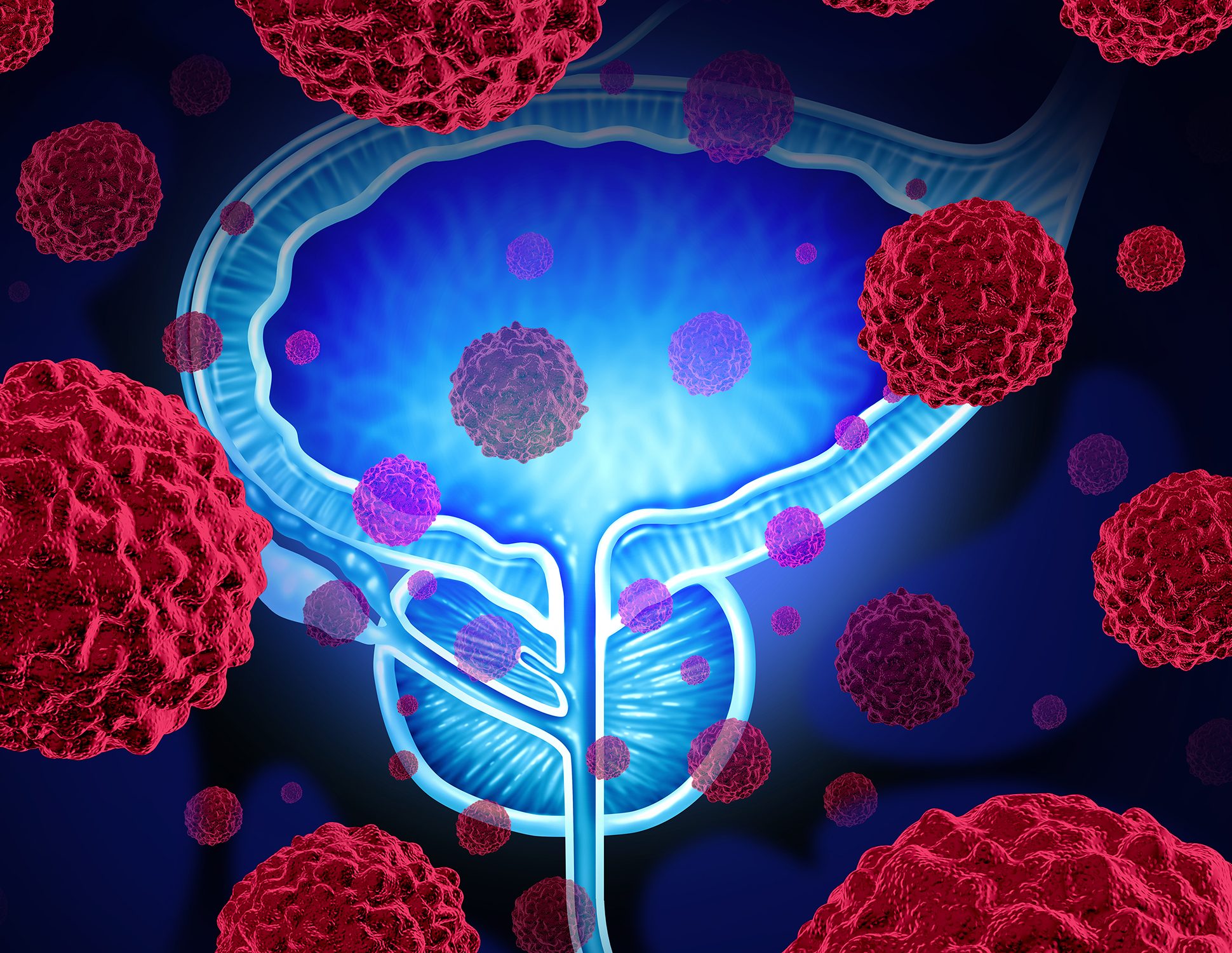
- Poor Infiltration: T cells often struggle to physically reach the interior of a solid tumor mass.
- Systemic Toxicity: Because antigens are rarely exclusive to tumors, systemic (intravenous) administration can lead to dangerous side effects when T cells attack healthy tissues elsewhere in the body.
The study’s findings regarding delivery methods were conclusive. When the MUC16-targeting CAR T cells were administered intravenously, they showed minimal efficacy. However, when delivered directly into the bladder via a catheter—a procedure similar to how many current urological drugs are administered—the results were transformational.
The intravesical delivery method resulted in a significant reduction in tumor growth and extended survival rates in the mouse models. Furthermore, because the T cells remained within the "compartment" of the bladder, they did not migrate to the rest of the body, effectively eliminating the risk of systemic side effects.
Official Responses and Expert Perspective
The success of this study has garnered significant attention from the oncology community. Dr. Jedd Wolchok, a prominent figure in the field of cancer immunotherapy, underscored the significance of the delivery mechanism.
“Development of engineered T cells for solid tumors has been challenging, in part due to normal tissue expression of potential target antigens,” says Dr. Wolchok. “Using a compartmentalized delivery system allows us to overcome this hurdle and hopefully come one step closer to broader use of CAR and transgenic T cells for common solid tumors, like bladder cancer.”
Dr. Merghoub echoed this sentiment, emphasizing the feasibility of the approach in a clinical setting. “Our findings establish MUC16 as a clinically relevant target for CAR T-cell therapy in bladder cancer, and highlight that intravesical delivery, a commonly used administration route in urological practice, represents a feasible, effective, and readily easy-to-implement strategy for adoptive CAR T-cell transfer.”
Clinical Implications: The Road Ahead
The potential for this research to reach the clinic is high, primarily because the delivery method—catheterization—is already standard practice in urology. By repurposing an existing clinical workflow to deliver a cutting-edge immunotherapy, the researchers have lowered the barrier for potential adoption in hospitals.
A Potential Paradigm Shift
If these findings are replicated in human clinical trials, the treatment landscape for bladder cancer could change drastically. Rather than opting for radical surgeries that carry lifelong consequences, patients might eventually have access to an organ-sparing, targeted immunotherapy that leaves the bladder intact.
Expanding the Horizon
Beyond the immediate benefit for bladder cancer patients, the researchers believe their study serves as a blueprint for future endeavors. The success of the computational pipeline used to identify MUC16 could be applied to other solid tumors. By combining "smart" target identification with localized, compartmentalized delivery, the field of oncology may be entering a new era where CAR T cells are no longer confined to the bloodstream, but are effectively deployed directly into the tumor microenvironment of various organs.
“This approach could be useful for both initial treatment of bladder cancer as well as treatment-refractory subsets of tumors,” Dr. Merghoub noted, “offering an attractive therapeutic option for patients who may have limited therapeutic alternatives besides bladder removal.”
As the research progresses toward human trials, the medical community will be watching closely. While the transition from mouse models to human patients is always complex, the scientific rigor applied here—validating the target across over a thousand patient samples and proving the efficacy of local delivery—suggests that this therapy is built on a solid foundation of data.
For the hundreds of thousands of patients currently navigating the uncertainty of a bladder cancer diagnosis, this research offers more than just a scientific breakthrough; it offers the promise of a future where survival does not necessitate sacrifice.