Bridging the Gap: Postgres User Group Estonia Hosts Insightful Deep Dive into pg_acm
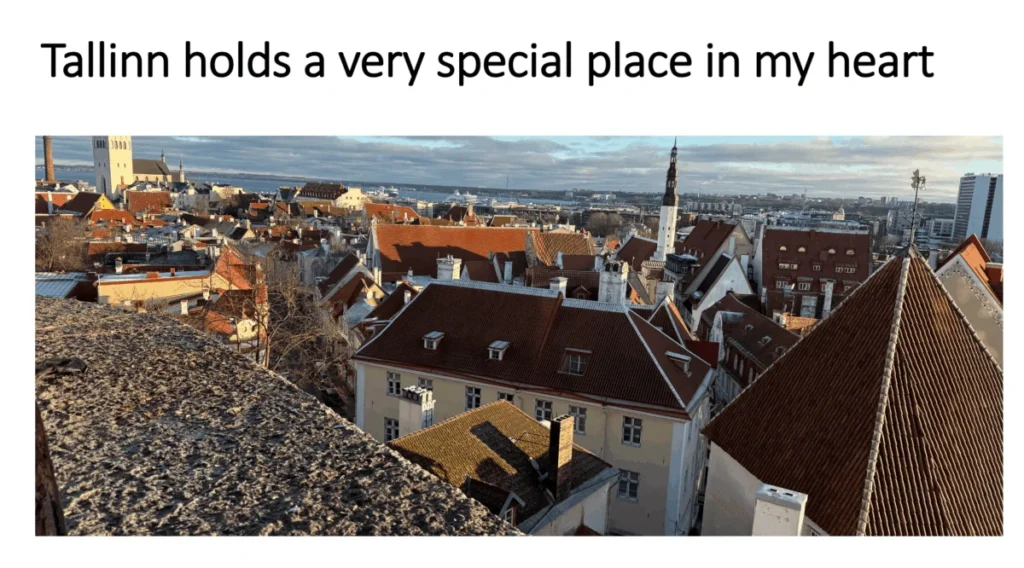
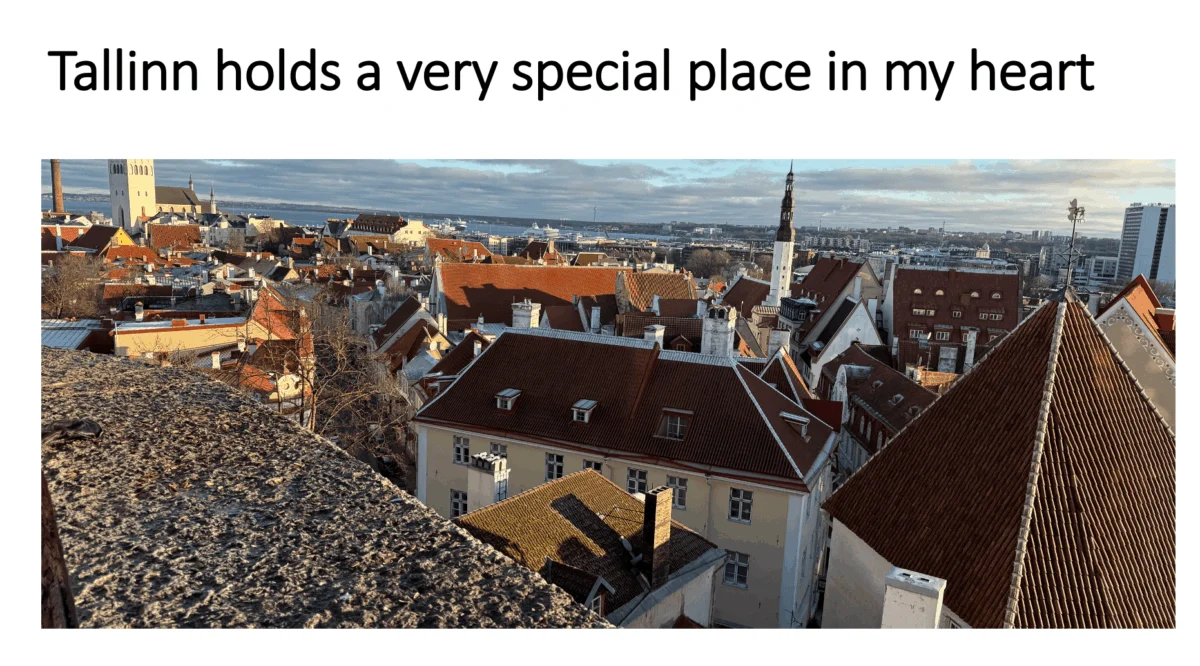
Tallinn, Estonia — July 2, 2026 — In a testament to the thriving developer ecosystem in the Baltics, the Postgres User Group Estonia held a landmark meetup yesterday that challenged conventional database management paradigms. The event, which drew a dedicated crowd of database administrators, systems architects, and application developers, featured a presentation that has since sparked significant conversation regarding the future of database access and management.
The featured presentation focused on pg_acm, a specialized approach to database interaction that has historically been viewed as a "niche" solution. However, the feedback from the Tallinn community suggests that the industry may be at a turning point, with developers increasingly seeking more robust, application-centric database management strategies.
Main Facts: The Evolution of pg_acm
At the heart of the event was an exploration of pg_acm, a framework designed to streamline how applications interface with PostgreSQL databases. Historically, the project has struggled with a perception of being too specialized, often categorized as a tool for a limited subset of power users rather than a general-purpose solution.
The presentation provided a comprehensive look at the architecture of pg_acm, emphasizing its ability to bridge the gap between complex database operations and application-level requirements. The primary objective of the talk was to demonstrate that by shifting certain management tasks closer to the application layer, teams can avoid common performance bottlenecks and maintenance overheads that typically plague large-scale PostgreSQL deployments.
The speaker noted that despite the "niche" label, the engagement from the Tallinn audience was unprecedented. The session moved beyond theoretical discussion, focusing on real-world pain points that attendees had faced in their own production environments.
Chronology: A Three-Year Journey to the Stage
The road to this specific meetup was far from instantaneous. According to event organizers, the presentation was the result of a concerted, three-year effort by local organizer Ervin Weber.
- 2023–2025: The Planning Phase: Weber spent the better part of three years lobbying for this specific talk to be brought to the Tallinn chapter. The persistence of the local user group highlights the growing importance of Tallinn as a tech hub within Northern Europe.
- July 1, 2026: The Presentation: The event took place in Tallinn, a city noted for its high density of tech-focused infrastructure. The presentation was an expanded iteration of a talk originally debuted at the PG DATA conference.
- Post-Event Momentum: Following the success of the talk, the presenter has confirmed plans to further refine the content. This includes incorporating the feedback gathered during the Tallinn session in preparation for the upcoming PG.Conf EU.
- Future Development: The presenter has committed to addressing existing bugs in the open-source version of
pg_acm, with updates to be tracked via the project’s official GitHub repository.
Supporting Data and Technical Context
To understand the significance of the pg_acm discourse, one must look at the current state of database management. Many organizations currently rely on traditional DBA-led models, where database interaction is siloed from application development.
The "Niche" vs. "Necessity" Debate
The presentation challenged the notion that pg_acm is too specialized. The speaker presented anecdotal evidence supported by audience participation:
- Developer Reception: A significant majority of application developers in attendance identified immediate use cases for the tool, citing specific problems—such as query latency and access management—that they had encountered in their daily work.
- DBA Perspectives: Interestingly, the session highlighted a dichotomy in the industry. While DBAs often focus on the granular security and stability of the database layer, application developers prioritized the ease of implementation and the agility that
pg_acmprovides. - Feedback Loops: The session included a "live" feedback loop where attendees shared their experiences with the tool’s bugs. This qualitative data is now serving as the roadmap for the next sprint of open-source development.
The data suggests that as microservices architectures become more complex, developers are hungry for tools that allow them to handle database interactions without needing to wait for traditional, centralized DBA interventions.
Official Responses and Participant Feedback
The response to the event was overwhelmingly positive, marking it as one of the most productive sessions in the history of the Postgres User Group Estonia.
"I have probably never heard such extensive and thoughtful feedback," the presenter remarked following the session. "Multiple people approached me during the break, saying they had run into all the problems I described, that they understand the challenges, and that they would love to give it a try."
This feedback was not merely complimentary; it was diagnostic. By identifying specific friction points in the current open-source build, the Tallinn community has effectively acted as a beta-testing unit, accelerating the project’s development cycle.
The organizer, Ervin Weber, noted that the success of the meetup validates the decision to pursue this specific speaker. "It is rare to see such a high level of technical alignment between a speaker and an audience," an attendee noted. "Most technical meetups are superficial, but this one felt like a collaborative problem-solving session."
Implications: The Future of Database Management
The success of this presentation in Tallinn carries several implications for the broader PostgreSQL community.
1. The Rise of Application-Centric DB Management
The clearest implication is the shift in power dynamics within technical teams. As the industry moves toward DevOps and Platform Engineering, the barrier between the "application layer" and the "database layer" is thinning. Developers are increasingly taking ownership of database-related performance, and tools that facilitate this transition, like pg_acm, are likely to see a surge in adoption.
2. The Importance of Regional Tech Hubs
The persistence of Ervin Weber and the engagement of the Tallinn Postgres community highlight that regional meetups are not just social gatherings—they are critical feedback loops for open-source projects. By providing a platform for specialized talks, cities like Tallinn are influencing the global development roadmaps of major database tools.
3. Scaling for PG.Conf EU
With the upcoming presentation at PG.Conf EU, the pg_acm project is now poised for a broader international debut. The presenter has explicitly stated that the feedback from the Tallinn session will be integrated into the European conference presentation. This signifies a maturation of the project from a "niche" experiment into a refined, community-tested utility.
4. Open-Source Stewardship
The presenter’s commitment to fixing bugs identified during the session emphasizes the responsibilities of open-source maintainers. As the tool gains traction, the ability of the maintainer to iterate based on community feedback will determine whether pg_acm becomes a standard industry tool or remains a project of interest only to early adopters.
Conclusion: A New Standard for Collaboration
The Tallinn event serves as a microcosm for the modern tech landscape. It proves that even the most "specialized" tools can find a home when the community is engaged and the problems they solve are universal. As the developer community continues to grapple with the challenges of managing data in distributed environments, the lessons learned in Estonia this week will undoubtedly influence how PostgreSQL is managed across the globe.
For those interested in the progress of these updates, the presenter encourages the community to monitor the project’s official GitHub repository, where the patches stemming from this session are expected to be deployed in the coming weeks. As the speaker noted in their closing remarks to the Estonian group: "We will do it again." If the enthusiasm from the July 1st event is any indication, the next iteration of the talk will be met with even greater anticipation.