The Fortress in Your Backpack: Purism Unveils the Privacy-Focused Librem 16
In an era where digital surveillance has become an invisible tax on our daily interactions, Purism has carved out a unique niche. Since the company’s inception—ignited by a highly successful $500,000 crowdfunding campaign for the original Librem 15—it has transitioned from an ambitious startup into a cornerstone of the privacy-hardware ecosystem. Operating as a Social Purpose Corporation (SPC), Purism’s mandate is explicitly designed to prioritize the security, privacy, and digital autonomy of its users over the traditional corporate imperative of maximizing shareholder value.
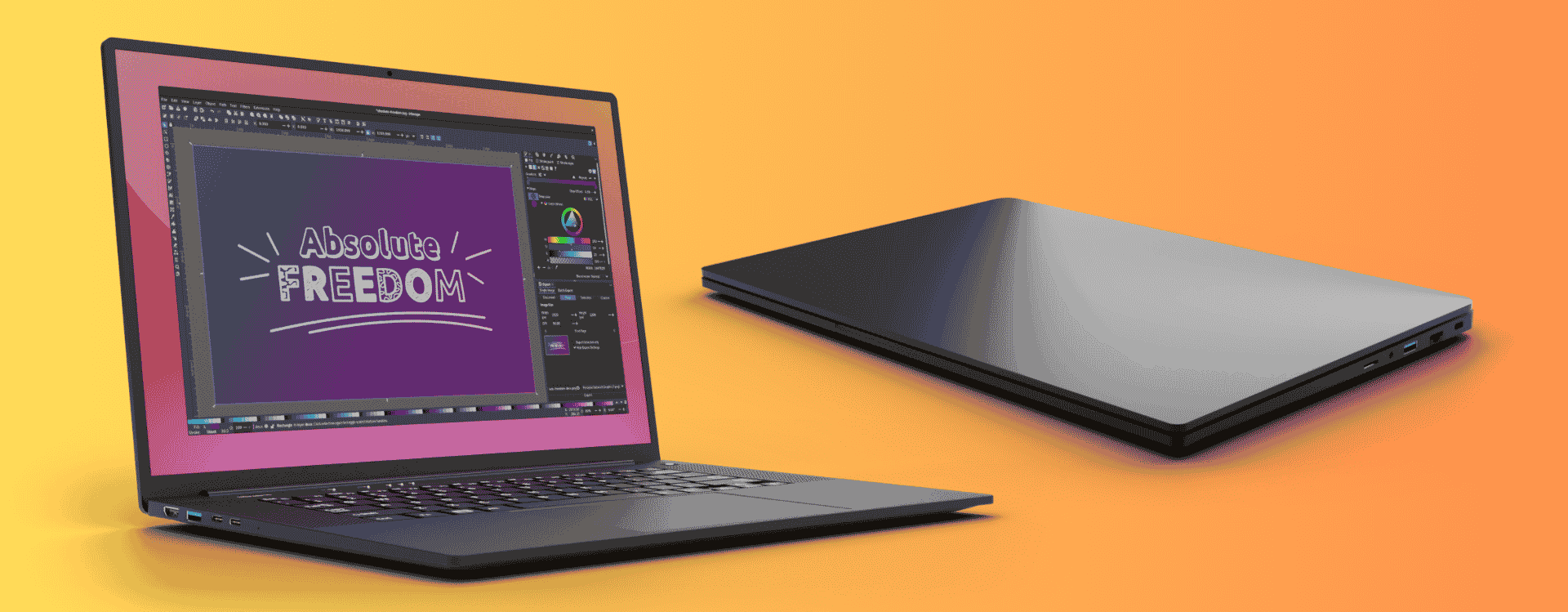
This philosophy is now embodied in their latest release: the Librem 16. Positioned as the spiritual and technical successor to the legacy Librem 15 and a significant performance leap over the Librem 14, the Librem 16 represents a "fortress" approach to personal computing. It is a machine built not just for productivity, but for those who view hardware transparency as a fundamental human right.
A Chronology of Commitment: From Librem 15 to 16
To understand the significance of the Librem 16, one must look at the trajectory of Purism’s hardware evolution.
- 2015: The Librem 15 launched, proving there was a market for high-end hardware that respected user freedom. It set the baseline for what a "privacy-first" laptop should look like.
- 2020-2021: The Librem 14 arrived, bringing a more portable form factor and refined hardware control, including the famous physical kill switches that have become a Purism trademark.
- 2023-2025: Throughout this period, Purism expanded into mobile computing with the Librem 5 and the Liberty Phone, while simultaneously exploring post-quantum cryptography hardware.
- 2026: The announcement of the Librem 16 signifies the maturation of the product line. It bridges the gap between the compact portability of the 14-inch series and the raw, unadulterated power required by privacy-conscious power users.
This progression reflects a company that has learned to balance the difficult requirements of modern firmware security with the hardware specifications modern users demand.
Engineering the Fortress: Key Specifications
The Librem 16 is designed with a specific user in mind: the software developer, the security researcher, or the privacy advocate who refuses to compromise on hardware integrity.
Performance Under the Hood
At the core of the machine lies the 13th Generation Intel Core i7-13620H. This processor features a 10-core, 16-threaded architecture. With performance cores capable of boosting up to 4.9GHz and efficiency cores handling background tasks at 3.6GHz, the Librem 16 is a capable workstation.
However, it is important to note a specific design choice: the device relies on Intel’s integrated UHD Graphics. While some might lament the absence of a discrete GPU, this decision is intentional. By avoiding complex, proprietary graphics drivers often required by discrete chips (which frequently necessitate "binary blobs" or non-free firmware), Purism keeps the system closer to the "pure" Free Software ideal.
Memory and Storage: Built for Expansion
The Librem 16 is remarkably generous regarding internal expansion. Users can equip the machine with up to 64GB of DDR4 RAM via two SO-DIMM slots, ensuring that even the most memory-intensive virtualization tasks or containerized environments run smoothly.
Storage is equally robust. The device features dual M.2 bays that support both NVMe and SATA protocols. This allows for a massive potential storage capacity of 16TB, providing ample room for encrypted datasets, local backups, and massive software libraries—all stored locally, away from the prying eyes of cloud-based synchronization services.
The PureOS Ecosystem
Every Librem 16 ships with PureOS, a Debian-based distribution that has earned the endorsement of the Free Software Foundation (FSF). Unlike mainstream Linux distributions that may include proprietary codecs or telemetry by default, PureOS is stripped of these elements. It is an operating system designed to be audited, modified, and controlled by the user, ensuring that the software running on the machine is as transparent as the hardware it inhabits.

Security at the Hardware Level: Beyond Software
The true differentiator of the Librem 16 is not just the processor or the RAM; it is the physical and firmware-level architecture that prevents unauthorized access.
Physical Kill Switches
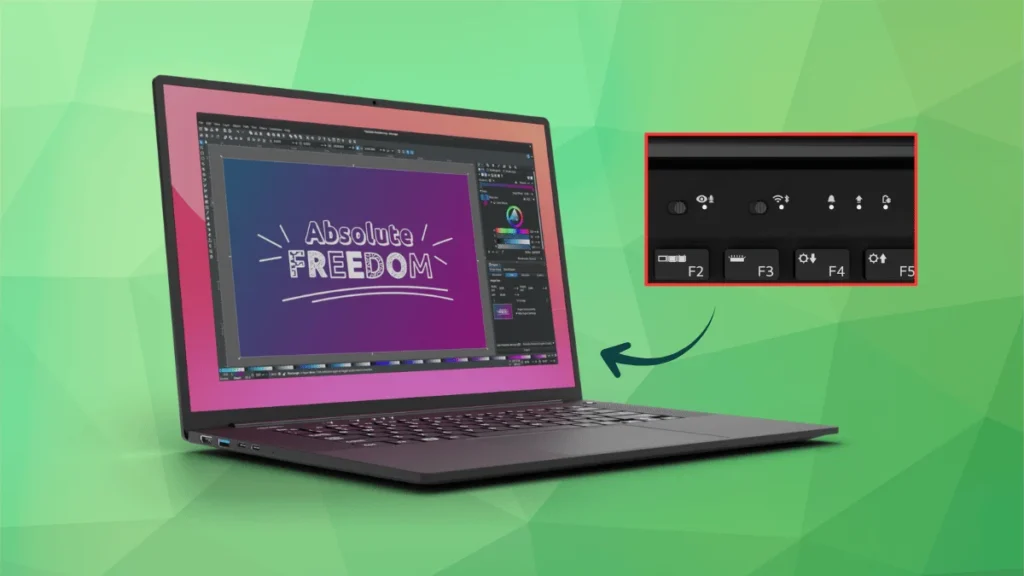
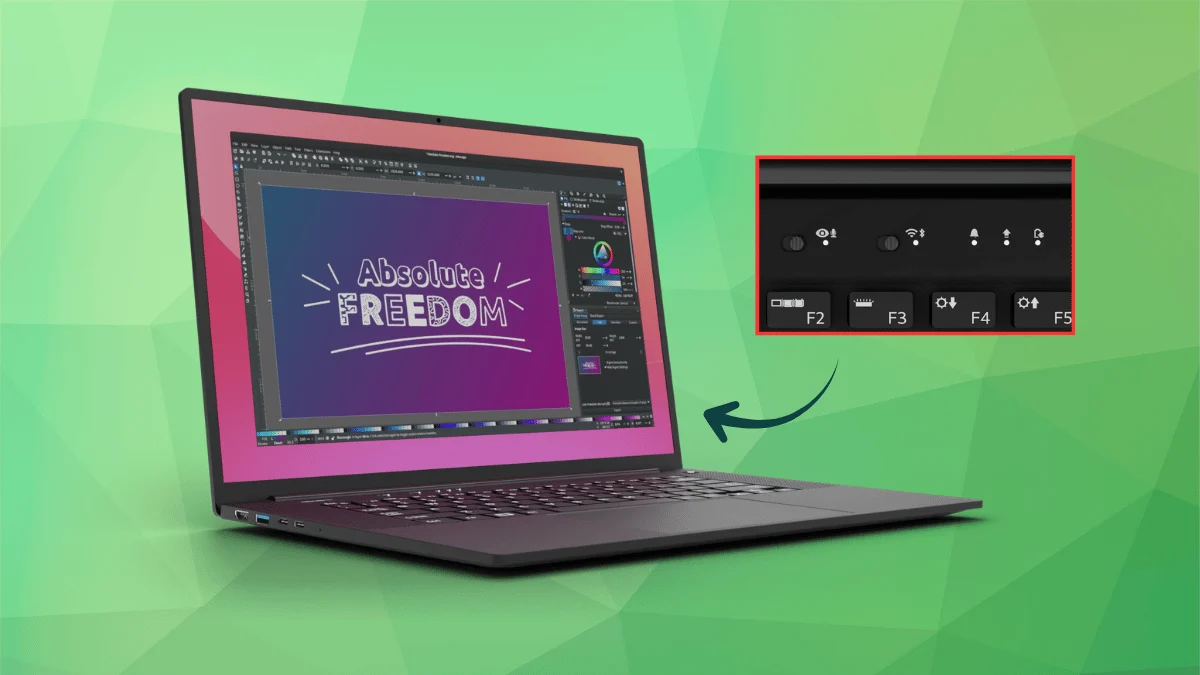
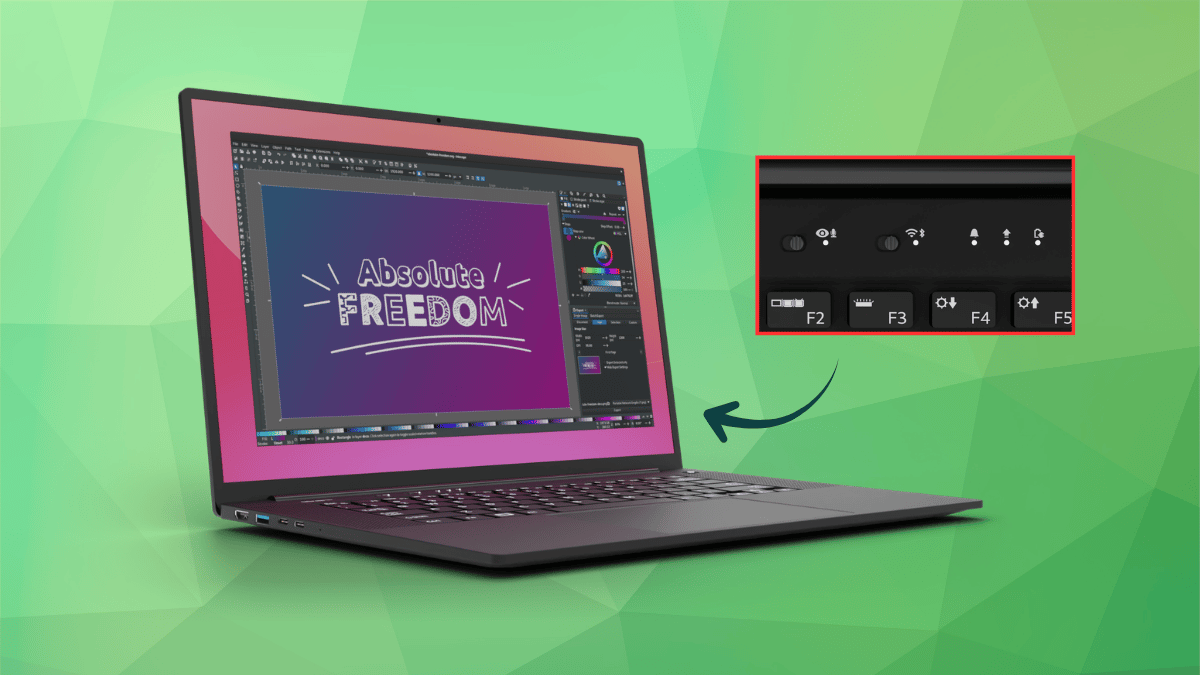
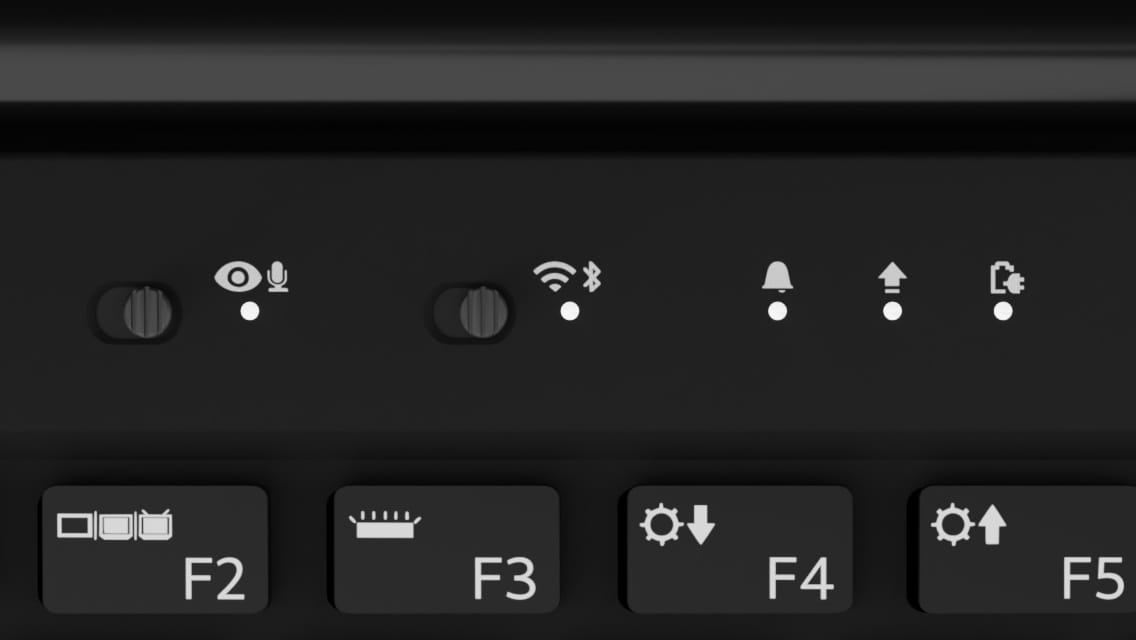
The Librem 16 features two dedicated hardware kill switches located on the chassis. These are not software-level toggles that can be bypassed by a compromised kernel. They are physical interrupters in the electrical circuit. One switch disconnects the camera and the microphone, while the other severs the connection to the wireless and Bluetooth modules. When the switch is in the "off" position, it is physically impossible for the hardware to capture audio, video, or broadcast a signal, providing a level of physical certainty that software-only solutions cannot match.
Firmware Transparency: Coreboot and Intel ME
The Librem 16 utilizes coreboot, an open-source firmware project that replaces the opaque and often vulnerable proprietary BIOS/UEFI found on most consumer laptops. By utilizing coreboot, Purism provides the user with a transparent boot process that can be verified.
Furthermore, Purism takes the bold step of disabling the Intel Management Engine (ME). The ME is a proprietary, independent microcontroller embedded within Intel chipsets that operates at a level deeper than the OS, often described as a "computer within a computer." By neutralizing the ME, Purism removes a significant, albeit invisible, attack surface that has long been a concern for privacy advocates.
Implications: The High Cost of True Privacy
The pricing of the Librem 16 has sparked significant debate in the Linux community. With a base price of $2,870 and a fully specced-out configuration reaching an eye-watering $11,944, this is not a device for the casual consumer.
Is it Worth the Investment?
The cost is reflective of several factors:
- Small-Scale Manufacturing: Unlike Dell or Lenovo, Purism does not benefit from the economies of scale that come with shipping millions of units.
- R&D and Audit Costs: The time required to port coreboot to new hardware and the engineering effort to ensure stability without proprietary firmware is immense.
- Anti-Interdiction: Purism offers an optional "anti-interdiction" service for $249, which involves measures to ensure the hardware has not been tampered with or intercepted during transit. This service is a testament to the threat model Purism’s customers are trying to defend against—the "State-Level Actor" or "Supply Chain Attack."
The implication here is clear: Privacy is a premium product. While general-purpose Linux laptops are becoming cheaper and more accessible, Purism is targeting a tier of security that most users have never had to consider.
Official Stance and Market Position
Purism’s management has consistently stated that their goal is to provide a "safe haven" in the digital world. In a recent press release, the company emphasized that the Librem 16 is the result of years of feedback from their user base.
"Our users aren’t just buying a laptop; they are buying the assurance that their machine does not work against them," a company representative noted. By choosing a Social Purpose Corporation structure, Purism has effectively legally bound its operations to its mission statement. If the company were to be acquired or to shift its focus, its legal structure would require it to continue prioritizing its mission of security and freedom, or face legal accountability.
Conclusion: A Tool for the Vigilant
The Librem 16 is not for everyone. It is a specialized tool for a specialized user. For the average person who uses a laptop primarily for web browsing and streaming, the price tag will likely be prohibitive. However, for journalists working in sensitive regions, activists, security researchers, and engineers who demand absolute control over their environment, the Librem 16 is arguably the most secure mobile computing platform on the market today.
By combining top-tier performance with a uncompromising stance on firmware transparency, physical security, and open-source software, Purism has once again set the bar for what a truly private computer should be. Whether the market is ready to embrace such a high-end, privacy-centric machine remains to be seen, but for those who believe that digital privacy is worth the investment, the Librem 16 is a lighthouse in the storm of modern surveillance.
As we look toward the future, the success of the Librem 16 will likely serve as a litmus test for the sustainability of the "Privacy-First" hardware market. If this machine can find its audience, it will prove that there is a viable, sustainable path for hardware manufacturers to thrive by doing the right thing, rather than the easy thing.