Decoding the Pulse of the Future: New Graph-Based Pan-Genome Revolutionizes Mung Bean Breeding
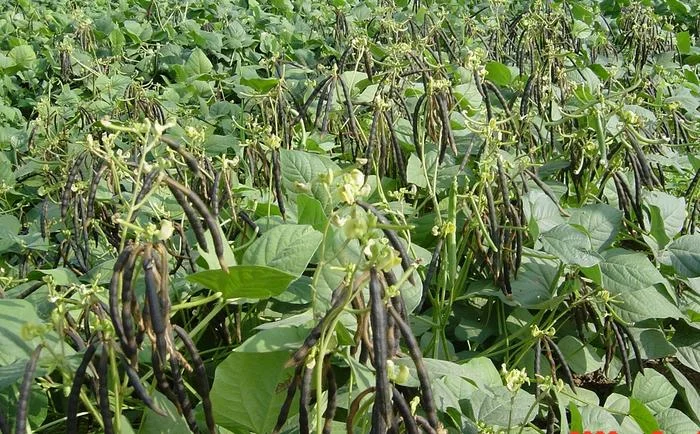
Mung beans (Vigna radiata) have long been a cornerstone of global food security. A vital legume known for its nitrogen-fixing capabilities, nutritional density, and rapid growth cycle, it serves as a dietary staple and a crucial income source for millions of smallholder farmers across Asia and Africa. Despite its importance, the genetic blueprint of the mung bean has historically been obscured by the limitations of traditional, linear reference genomes.
In a landmark development, an international team of researchers—co-led by the Chinese Academy of Agricultural Sciences (CAAS) and the Centre for Crop and Food Innovation (CCFI) at Murdoch University—has unveiled the world’s first graph-based pan-genome for the mung bean. Published in the journal Nature Genetics, this comprehensive genetic map reveals tens of thousands of previously hidden structural variations that govern essential traits, from insect resistance to nutritional quality and yield. This breakthrough marks a paradigm shift in plant genomics, providing breeders with the high-resolution tools necessary to develop climate-resilient, high-performing varieties.
The Genetic Frontier: Moving Beyond the Linear Reference
For decades, plant breeding has relied on a single "reference genome"—a representative sequence that acts as a scaffold for understanding an organism’s DNA. However, this method is inherently flawed; it fails to capture the immense genetic diversity present within a species. Many critical traits are controlled by structural variations—large-scale insertions, deletions, or rearrangements of genetic material—that simply do not exist in a standard linear reference.
The study, titled "Graph-based pan-genome reveals structural variations associated with agronomic traits in mung bean," addresses this deficiency by constructing a graph-based pan-genome. Unlike a linear sequence, a graph-based model incorporates data from hundreds of diverse individuals, effectively mapping the entire genetic "neighborhood" of a species. By assembling chromosome-scale genomes from genetically diverse accessions and analyzing 580 global samples, the research team identified over 66,000 structural variants and 75,000 gene families. This repository acts as a comprehensive "genetic atlas," allowing scientists to pinpoint the exact genomic architecture behind complex agricultural traits.
Chronology of the Discovery
The road to this breakthrough involved years of intensive data collection and computational modeling.
- Initial Collection and Sequencing: The international consortium began by curating 580 diverse mung bean accessions from global seed banks, ensuring the inclusion of both modern cultivars and wild relatives.
- Assembly of Chromosome-Scale Genomes: Researchers utilized high-throughput sequencing technologies to construct de novo, chromosome-scale assemblies. This provided the necessary "backbone" for the pan-genome.
- Computational Integration: Using advanced bioinformatics pipelines, the team integrated these diverse assemblies into a graph-based framework. This allowed for the identification of structural variants that had been previously invisible to traditional sequencing technologies.
- Genome-Wide Association Studies (GWAS): Once the pan-genome was constructed, the team conducted GWAS across five different environments to link specific genetic markers—both structural variants and single nucleotide polymorphisms (SNPs)—to 20 key agronomic traits.
- Validation: The findings were validated through rigorous mechanistic studies, identifying specific promoter insertions and deletions that dictate how the plant interacts with its environment, such as its resistance to the devastating bruchid beetle.
Supporting Data: The Mechanics of Improvement
The power of the new pan-genome lies in its ability to reveal the "why" behind the "what" of plant biology. The study highlights two specific examples that demonstrate the precision of this new toolkit:
- Flavonoid Regulation: The researchers identified a 68-base-pair (bp) insertion in the promoter region of the VrTIFY6B gene. This structural variation is directly linked to the regulation of flavonoid content, a compound crucial for both plant health and human nutrition.
- Pest Resistance: The team discovered a 136-bp deletion in the promoter of the VrPGIP1 gene. This genetic shift confers resistance to the bruchid, a major storage pest that causes significant post-harvest losses globally.
By integrating these findings with traditional SNP-based markers, breeders can now engage in "precision breeding." Instead of relying on phenotypic observation—which can take years of trial and error—breeders can use genomic selection to identify superior lines at the seedling stage.
Official Responses and Expert Insight
The scientific community has hailed this project as a milestone in the "genomics era" of agriculture. Rajeev Varshney, FRS, FAA, and Director of the CCFI at Murdoch University, emphasized that this research moves plant breeding from a process of guesswork to one of data-driven engineering.
"Traditional reference genomes capture only part of the genetic diversity within a crop species," Dr. Varshney noted. "By constructing a graph-based pan-genome, we can now identify structural variations that were previously invisible but often have profound effects on important agricultural traits. These discoveries provide breeders with powerful new genomic tools to accelerate the development of higher-yielding, more nutritious, and climate-resilient mung bean varieties."
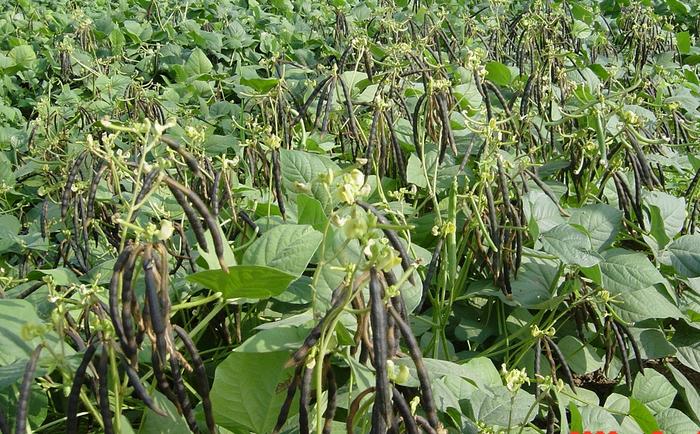
The collaborative nature of the study, spanning the Chinese Academy of Agricultural Sciences and Australian institutions, underscores the necessity of global partnerships in addressing food security. By democratizing access to these genetic resources, the researchers hope to empower breeding programs in developing nations where mung bean serves as a critical nutritional buffer.
Implications for Global Agriculture and Economics
The economic and humanitarian implications of this study are profound, particularly in regions where mung bean is a vital commodity.
The Australian Context
In Australia, mung bean is a high-value crop, generating over $100 million in annual export revenue. With market prices frequently hovering at three times that of wheat, it is a highly attractive break crop for Australian farmers. However, the industry is plagued by volatility caused by shifting rainfall patterns and environmental stress. The ability to breed for climate resilience—specifically targeting drought tolerance and stable yields—could stabilize this revenue stream, transforming the mung bean into a more reliable pillar of the Australian agricultural sector.
Global Food Security
For millions of smallholder farmers in Asia and Africa, the stakes are even higher. Mung beans are often grown on marginal lands with limited inputs. The study’s focus on pest resistance and nutrient density directly addresses the two greatest threats to these farmers: crop failure due to pests like the bruchid and the "hidden hunger" of micronutrient deficiency. By providing a map to enhance these traits, the research contributes to more robust food systems that are capable of withstanding the pressures of a changing climate.
The Future of Crop Improvement: A New Paradigm
The shift toward graph-based pan-genomics is not limited to mung beans. This methodology serves as a blueprint for the entire legume family and other essential pulse crops. As the world population continues to grow and climate change threatens existing agricultural zones, the speed at which we can adapt our food supply is critical.
Traditional breeding methods, which rely on crossing and waiting for the expression of traits, are often too slow to keep pace with the rapidly evolving environmental challenges. Through the integration of the pan-genome, marker-assisted breeding, and modern genome-editing technologies like CRISPR, the timeline for developing a new, superior variety could be reduced by years.
"The genomic resources generated through this work will support marker-assisted breeding, genomic selection, and genome editing," Dr. Varshney added. "This enables breeders to deliver improved varieties to farmers much faster than previously thought possible."
As we look to the future, the integration of these massive, complex datasets into everyday breeding practice will be the defining challenge for agricultural scientists. The mung bean pan-genome is a shining example of how international cooperation and cutting-edge computation can turn the invisible blueprints of nature into tangible solutions for the global food crisis. The pulse of the future is no longer a matter of chance; it is a matter of sequence, structure, and science.