Elevating the Android Ecosystem: A Deep Dive into Google I/O ’26 Developer Advancements
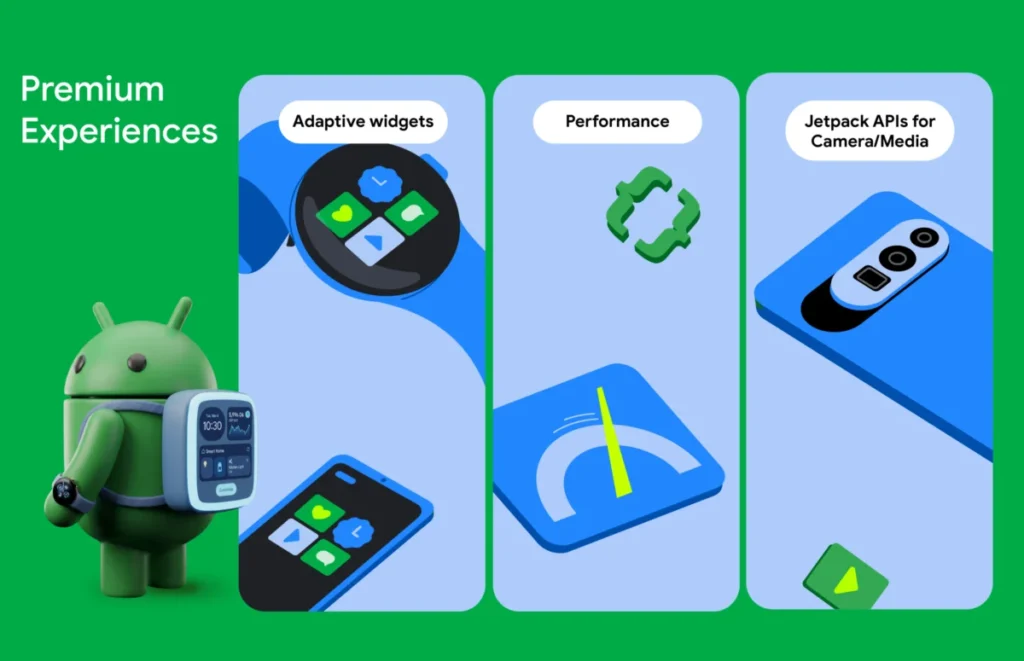
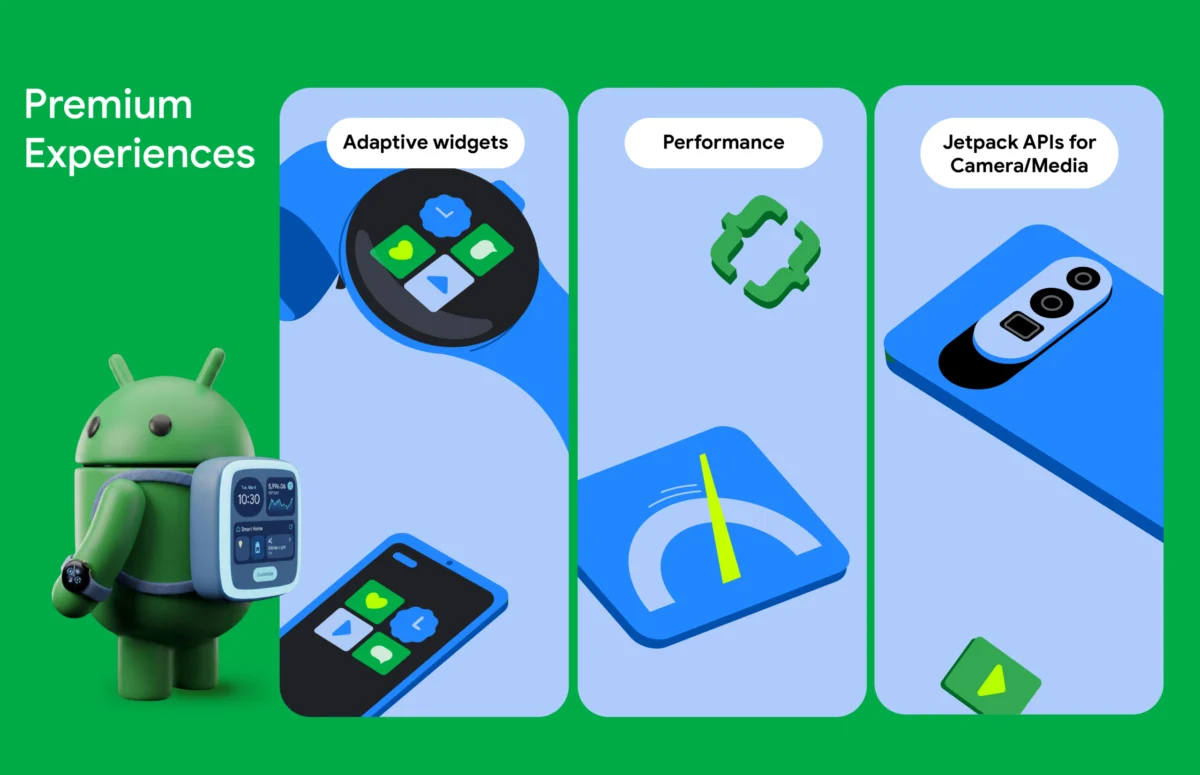
The modern mobile landscape is no longer defined solely by the smartphone. As users navigate a fragmented world of foldables, wearables, automotive interfaces, and tablets, the challenge for developers has evolved from merely building an app to orchestrating a seamless, premium experience across an entire ecosystem. At Google I/O ’26, Android Developer Relations took center stage to address this complexity, unveiling a suite of tools designed to optimize performance, expand cross-device reach, and simplify high-fidelity media production.
For developers, the message was clear: the era of "one size fits all" is over. Success in the current Android lifecycle requires a commitment to lean, high-performance architecture and a unified approach to user interaction.
The Strategic Imperative: Why Performance is the New Currency
The foundational theme of this year’s announcements is the "premium experience." As Android 17 prepares to roll out, Google is introducing stricter, device-RAM-based memory limits. These guardrails are designed to mitigate system-wide instability, targeting memory leaks and inefficient resource usage before they can degrade the user experience.
In this new paradigm, code efficiency is no longer a "nice-to-have" feature; it is a critical requirement for survival. Apps that fail to manage their memory footprint effectively face a high risk of system-level termination. To help developers navigate this, Google has introduced the R8 Configuration Analyzer in Android Studio.
The R8 Configuration Analyzer: Unlocking Hidden Efficiency
R8 has long served as the backbone of Android’s code-shrinking and obfuscation process. However, many developers have historically struggled with overly broad "keep rules"—configurations that inadvertently prevent the compiler from stripping unused code, leading to bloated binaries and sluggish performance.
The new Configuration Analyzer provides developers with actionable insights, offering specific scores for optimization, obfuscation, and shrinking. By identifying the exact rules that hinder performance, developers can drastically trim their APK or AAB sizes.
The Impact in Numbers:
The efficacy of these tools is already being proven in the field. Monzo, the global fintech leader, serves as a primary case study for this initiative. By leveraging the updated R8 configurations to streamline their codebase, the team reported:
- 30% improvement in cold-start times.
- 35% reduction in Application Not Responding (ANR) errors.
These gains represent more than just technical metrics; they translate directly into higher user retention and increased ROI. Smaller, faster applications allow for the necessary memory headroom to deliver smooth, high-fidelity experiences across diverse form factors.
Chronology of the Ecosystem Shift
The progression of Android development has moved through three distinct phases, culminating in the current focus on "glanceable" and "integrated" experiences:
- The Early Mobile Era: Development was focused strictly on individual apps on a single primary screen—the phone.
- The Multi-Device Expansion: With the rise of Wear OS and Android Auto, developers began building companion apps, often using disparate frameworks that led to high technical debt and inconsistent user journeys.
- The Unified Ecosystem (Current Phase): With the introduction of Jetpack Glance and RemoteCompose, Google is unifying the development model. Developers can now write a single UI logic layer that adapts natively to phones, watches, and vehicle dashboards.
Extending Reach: The Power of Glanceable Interaction
User behavior is shifting toward "micro-moments"—the need for quick, actionable information without the friction of launching a full application. Whether it is checking a boarding pass, monitoring a flight status on a car dashboard, or glancing at a notification on a wrist-worn device, the goal is to keep the user connected with minimal effort.
Unifying Development with Jetpack Glance
Jetpack Glance has become the cornerstone of this strategy. By utilizing a consistent, Compose-based model, developers can build widgets that perform reliably across the ecosystem. The introduction of RemoteCompose is the technical catalyst for this shift.

On Wear OS, RemoteCompose allows developers to define UI logic that renders natively on remote surfaces. This ensures that even on resource-constrained hardware, the user interface remains fluid and responsive. For mobile and automotive interfaces, RemoteCompose acts as a powerful framework that adds expressive capabilities to existing widgets, allowing for richer animations and more dynamic content updates.
By standardizing these workflows, Google is enabling developers to maximize their app’s presence across the user’s entire day without doubling their engineering workload.
The Media Pipeline: A Production-Ready Toolkit
Media consumption and creation are the heartbeat of the modern mobile experience. At I/O ’26, Google announced a comprehensive, production-ready toolkit designed to simplify the entire media lifecycle, from the moment of capture to the final playback.
Capturing the Moment
Jetpack CameraX remains the industry standard for high-fidelity capture. The new CameraXViewfinder Composable simplifies the integration of preview windows, ensuring they remain responsive and perfectly scaled across complex hardware like foldables and tablets. With the release of CameraX v1.5, developers gain out-of-the-box support for high-frame-rate capture and advanced slow-motion, empowering them to build professional-grade camera interfaces with minimal boilerplate.
AI-Enhanced Post-Production
Perhaps the most significant advancement in the media suite is the Media3 AI Effects library. This library provides a unified interface for some of the most requested premium features in modern mobile media:
- Intelligent Enhancement: Real-time image and video upscaling.
- Magic Eraser: Seamless object removal within media assets.
- Studio Sound: AI-driven noise reduction and audio normalization.
Rather than forcing developers to build complex, device-specific AI pipelines, Media3 handles the orchestration, choosing the most efficient and reliable path for the host hardware. This allows the creative team to focus on the end-user experience while the framework manages the heavy lifting.
Official Perspectives and Industry Implications
During the keynote sessions, Android Developer Relations Engineer Ataul Munim emphasized that "a truly differentiated Android experience is about delivering premium delight wherever your users are." This sentiment reflects a broader strategic shift within Google: the company is no longer just providing an OS; it is providing a comprehensive platform that mandates a higher standard of quality.
The Business Implications
The push for smaller binaries and better media performance has clear economic implications for developers:
- Reduced Churn: Apps that launch instantly and operate without ANRs see significantly higher daily active user (DAU) rates.
- Expanded Market Share: By making it easier to build for Wear OS and Android Auto, developers can capture "dead time"—moments when a user is driving or walking—where they previously had no presence.
- Cost Efficiency: The unified approach of Jetpack Glance and Media3 reduces the need for specialized teams for different device formats, allowing smaller teams to compete with large enterprise developers.
Conclusion: The Path Forward
The tools unveiled at Google I/O ’26 represent a maturation of the Android ecosystem. By prioritizing the R8 Configuration Analyzer, Jetpack Glance, and the Media3 toolkit, Google is creating an environment where high-performance, high-quality development is not just encouraged—it is facilitated.
As the industry moves toward a more integrated, cross-device future, the developers who embrace these unified frameworks will be the ones best positioned to provide the "premium delight" that users now expect. Whether it is through optimizing memory to prevent system crashes or leveraging AI to create studio-quality media, the path to a differentiated Android experience is now more accessible than ever.
For developers ready to take the next step, Google has provided a wealth of documentation and a curated YouTube playlist detailing the best practices for implementing these premium features. The tools are ready; the question remains how developers will use them to shape the next chapter of the mobile experience.