Escaping the AAA Deluge: A Deep Dive into This Week’s Essential Indie Releases
The modern gaming landscape is currently defined by an relentless "AAA deluge." Week after week, consumers are bombarded with massive, multi-hundred-dollar-budget titles that demand thirty, sixty, or even a hundred hours of commitment. While these expansive experiences have their place, they often leave players feeling fatigued, buried under a mountain of checklists and open-world bloat.
For those seeking a respite from the industry’s blockbuster obsession, the independent scene remains the last bastion of innovation, brevity, and pure creative vision. This week, we step away from the mainstream to highlight three indie projects that prove "less is more." From the return of a legendary platforming architect to a poignant digital nostalgia trip and a chilling corporate thriller, these titles are essential additions to any gaming library.
I. The Master Returns: Mr. Platformer by Terry Cavanagh
Main Facts
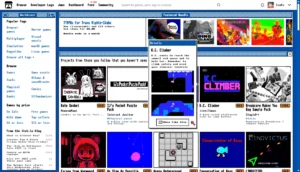
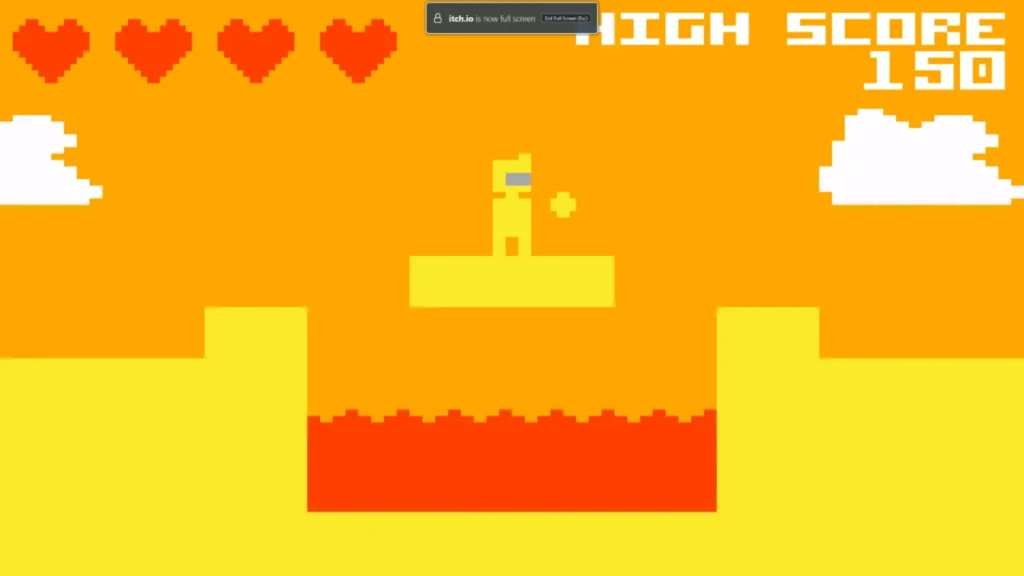
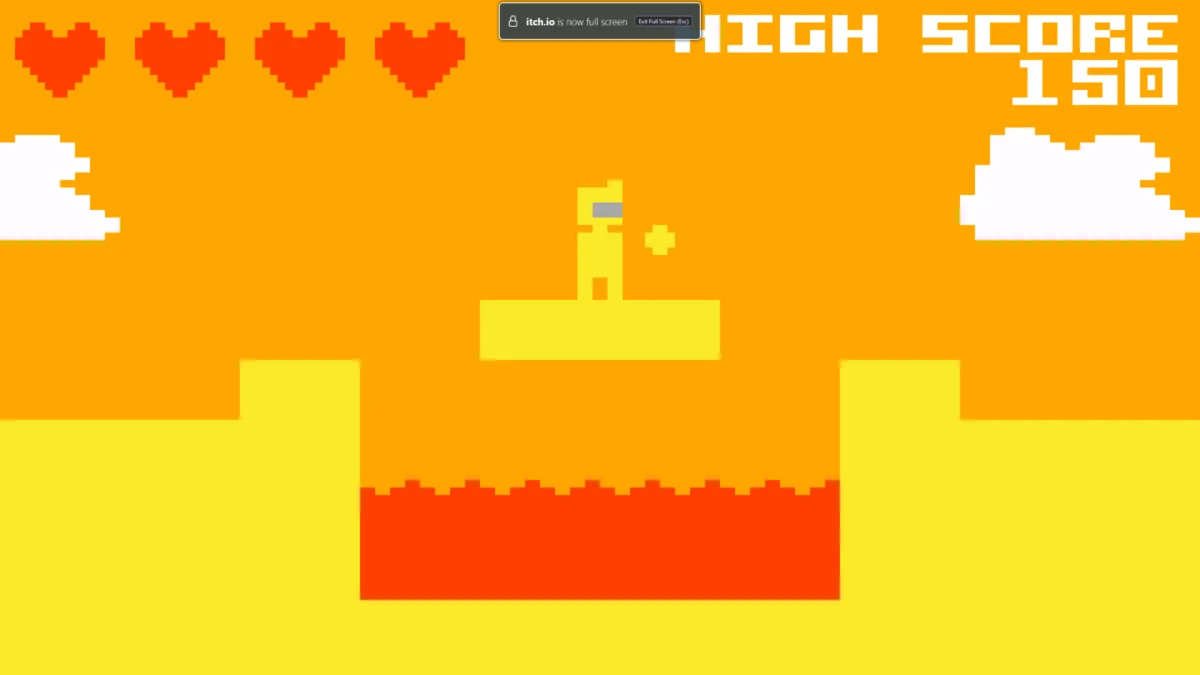
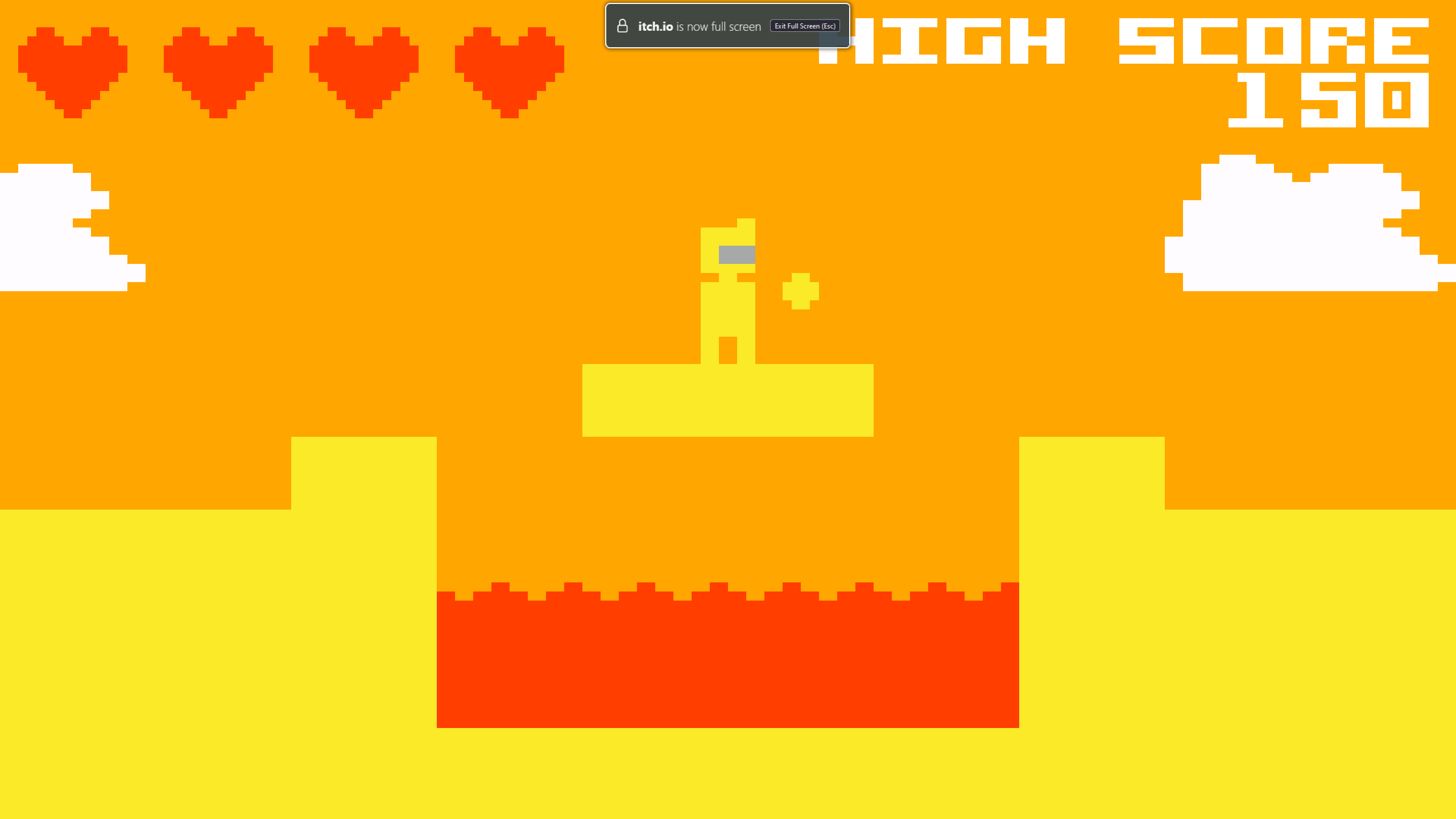
Terry Cavanagh, the visionary mind behind modern classics like VVVVVV and Super Hexagon, has returned with a project titled Mr. Platformer. True to its minimalist title, the game focuses on the core tenets of the genre: running, jumping, and swimming. Available now on itch.io, it is a masterclass in mechanical economy.
Chronology and Development
Cavanagh has long been celebrated for his ability to strip away the unnecessary, leaving only the most refined gameplay loops. While his previous works often focused on high-speed precision or gravity-defying gimmicks, Mr. Platformer represents a return to a more foundational—though no less challenging—design philosophy. The game’s development was kept relatively quiet, mirroring the "stealth drop" approach that has become increasingly popular among indie developers who prefer their games to speak for themselves.
Implications for the Genre
What makes Mr. Platformer a masterpiece isn’t its complexity, but its intentionality. Cavanagh understands that a platformer is only as good as the tactile feedback of its jump and the precision of its movement. By resisting the urge to add "feature creep," he reminds the industry that a well-designed character controller is worth more than a dozen half-baked mechanics. For those who enjoy exploration, the game hides secrets that expand the scope of the experience far beyond what the humble title implies.
II. Digital Nostalgia and Human Connection: Videoverse
Supporting Data and Narrative
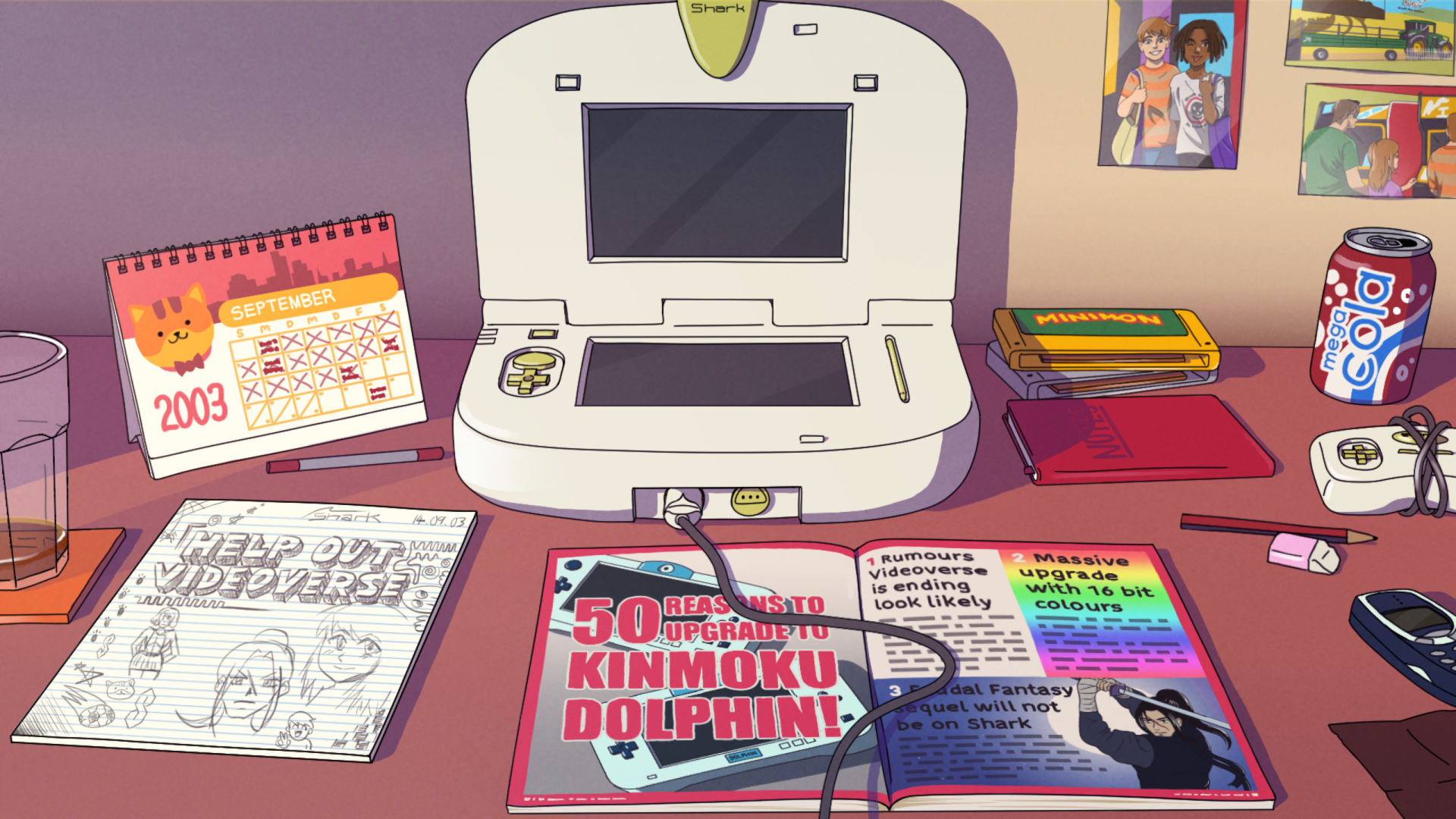
In an era where social media is often synonymous with toxicity and surveillance, Videoverse by Kinmoku offers a refreshing, bittersweet look at a bygone digital age. The game transports players back to a time when online forums were hubs for genuine discovery, fan art, and friendship.
You assume the role of Emmett, a young artist navigating his personal growth through the lens of a fictional social network dedicated to his favorite RPG. The narrative is driven by his interactions on fan forums and intimate, late-night instant messaging sessions with peers.
Official Response and Reception
The game has been met with critical acclaim for its authenticity. Notably, the developer, Kinmoku, has been highly active in engaging with the community, expressing gratitude for the positive reception. This dialogue between creator and player reflects the very theme of the game: the power of digital spaces to foster community.
Aesthetic and Design
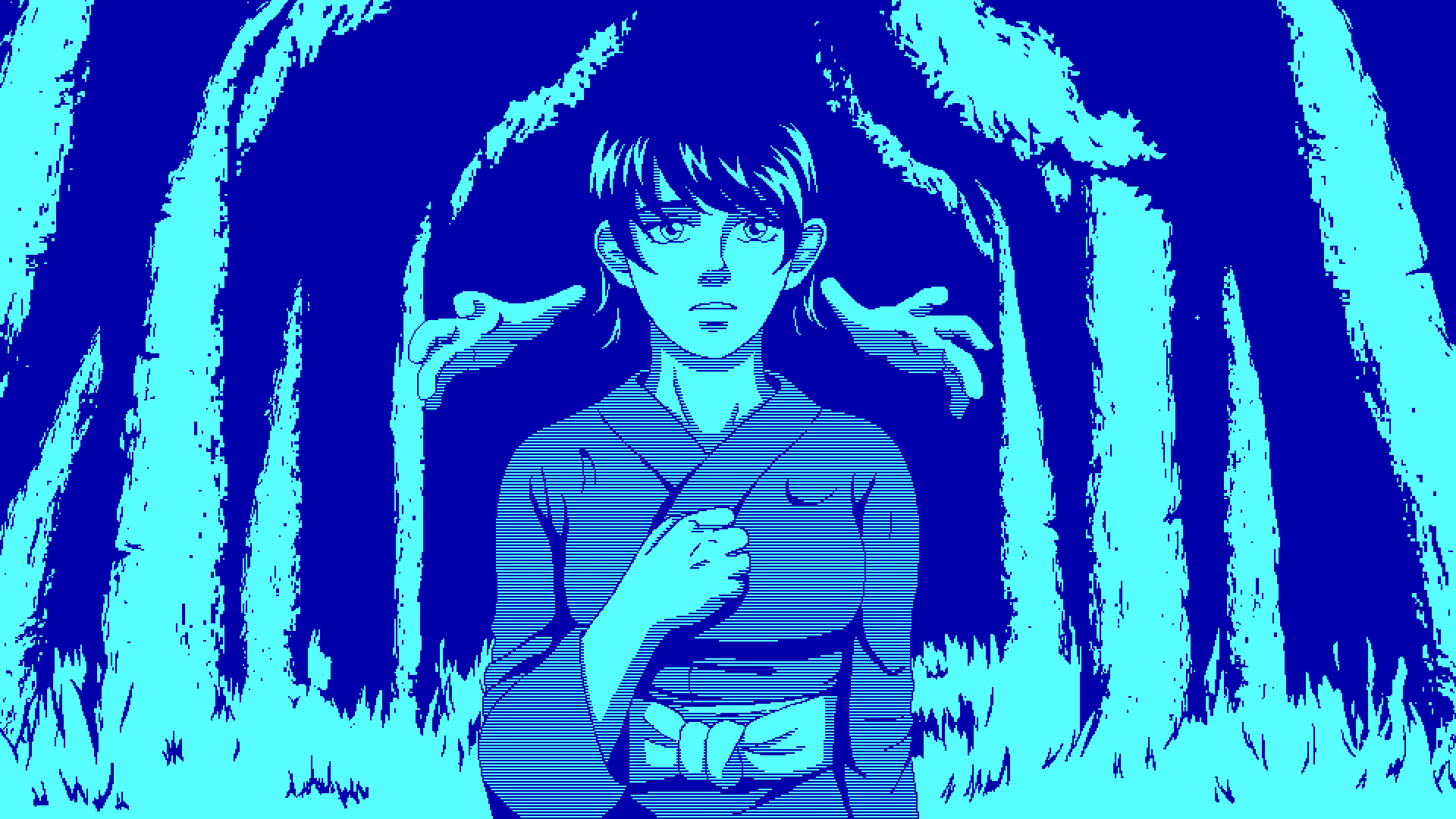
Beyond the writing, Videoverse is a visual triumph. The art style perfectly captures the specific, slightly grainy aesthetic of early 2000s anime and internet culture. It manages to feel nostalgic without descending into parody. The UI design, character portraits, and environmental storytelling combine to create a world that feels lived-in, warm, and deeply human. It is a rare title that understands the "soul" of the early internet—the excitement of finding someone who loves the same niche game you do, and the vulnerability that comes with sharing your art with the world.
III. The Unsettling Corporate Void: TEST TEST TEST
Main Facts
Mojiken Studio has consistently delivered some of the most atmospheric and heartfelt indie games of the last decade. With TEST TEST TEST, they pivot toward the psychological, creating an experience that is as unsettling as it is compelling. The player is tasked with evaluating new software for the "Triquetra Consulting Firm," a company that claims to "unlock human potential."
Implications for Workplace Satire
The game serves as a brilliant, if slightly terrifying, critique of modern corporate culture. By gamifying the act of "testing," Mojiken taps into the anxieties of the contemporary workforce—the feeling of being a cog in a machine, the dread of impending software updates, and the slow realization that the company you work for may not have your best interests at heart.
Supporting Data: Why Mojiken Matters
Mojiken Studio’s reputation for excellence is well-earned. Their previous works have displayed a mastery of "show, don’t tell" storytelling. TEST TEST TEST continues this trend. It is a short, punchy experience that prioritizes mood and pacing over length. As one user noted in the community forums, the studio’s ability to pair beautiful, hand-crafted art with deeply strange, otherworldly narratives is unmatched in the indie space. It is a testament to the fact that you do not need a multi-million dollar budget to create an experience that lingers in the player’s mind long after the credits roll.
IV. The Broader Landscape: Why These Games Matter
The existence of these three titles highlights a critical shift in how players are consuming media. While the AAA industry relies on the "deluge" model—ensuring players are constantly occupied by content to maintain "engagement metrics"—indie developers are focusing on "impact density."
The Economic and Creative Shift
- Accessibility: Unlike AAA titles, which often require high-end hardware, these indie games are accessible to a wide audience.
- Curation: Platforms like itch.io have become the digital equivalent of an independent bookstore, allowing high-quality, focused projects to find their audience without the interference of corporate marketing algorithms.
- The "Human" Element: Each of these games feels like it was made by a human, for a human. They possess a signature style and a specific authorial voice that is often diluted in the massive, collaborative environments of AAA development.
Future Implications
As we look toward the future, the success of Mr. Platformer, Videoverse, and TEST TEST TEST serves as a roadmap for the industry. Players are increasingly tired of bloated, derivative experiences. They are looking for games that respect their time, offer unique visual perspectives, and tell stories that feel intimate and relevant.
The "AAA Deluge" will continue, but it is no longer the sole arbiter of what constitutes a "major" release. The indie scene is no longer a fringe movement; it is the heartbeat of gaming innovation. Whether it is Terry Cavanagh’s refined mechanics, Kinmoku’s emotive storytelling, or Mojiken’s atmospheric psychological depth, these developers are proving that the most important games aren’t necessarily the ones with the largest budgets—they are the ones with the largest ideas.
Closing Thoughts:
If you find yourself overwhelmed by the current slate of massive releases, take a step back. Reclaim your hobby by supporting creators who focus on the craft of game design rather than the metrics of content consumption. Dive into these three titles, and you might just rediscover the magic that made you fall in love with gaming in the first place.
What have you been playing lately? Have you found any hidden gems that helped you escape the AAA grind? Let us know in the comments below.