From Monochromatic to Masterpiece: Slate EV Partners with Crayola for Vibrant Customization
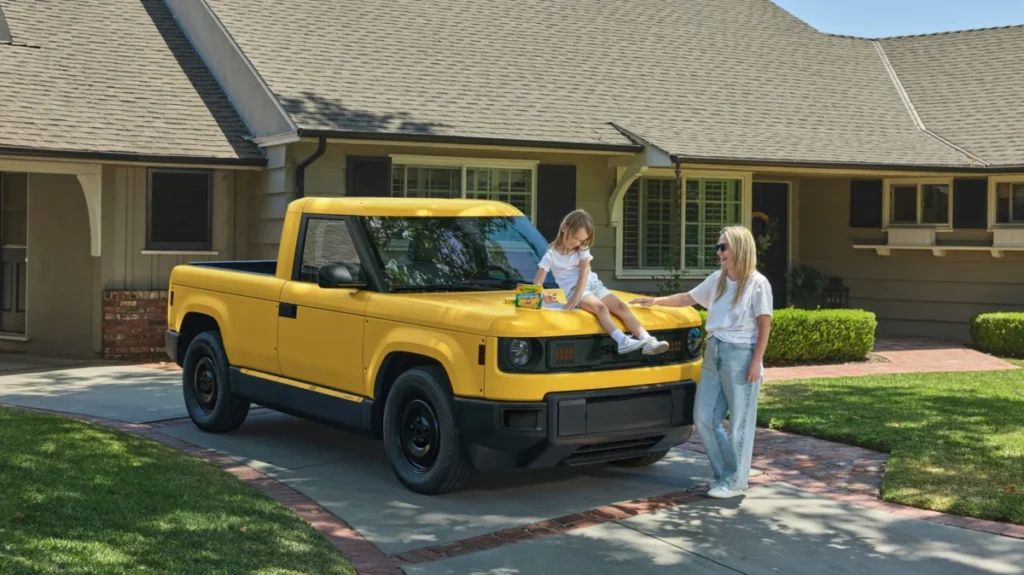
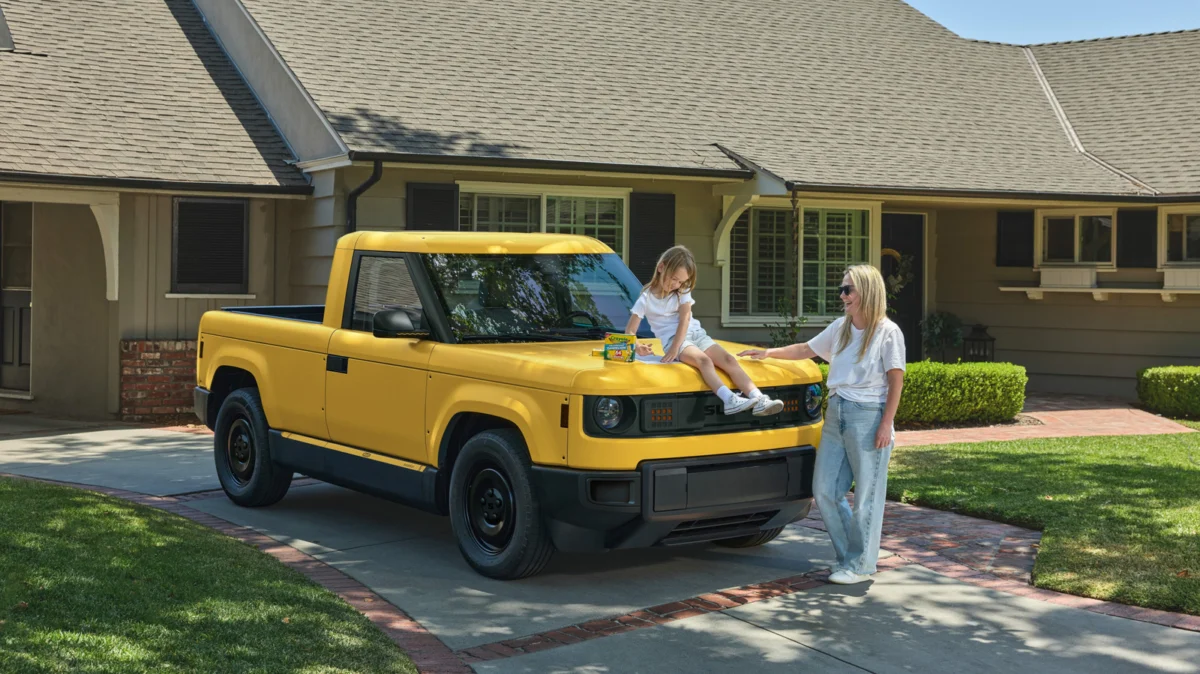
The automotive industry has long adhered to the philosophy of mass production, often prioritizing efficiency and uniformity over individual expression. For decades, the "Henry Ford approach"—offering vehicles in limited, neutral palettes—has dominated the budget-friendly segment of the market. However, Slate, the disruptor in the affordable electric vehicle (EV) space, is shattering this precedent. In a surprising and colorful collaboration, Slate has announced a partnership with iconic art brand Crayola, allowing owners of its barebones electric pickup to trade in their standard grey finish for a spectrum of nostalgic, high-visibility hues.
The Evolution of the Slate EV: Beyond the Grey
When Slate first unveiled its $20,000 electric pickup, the industry was captivated by its minimalism. Designed as a utility-first, rugged tool for the modern worker, the vehicle was initially marketed with a focus on simplicity and modularity. The base model, defined by its utilitarian aesthetic, was famously available in a single, monochromatic grey-ish tone. While this kept manufacturing costs low and production timelines streamlined, it left little room for personal identity.
Slate’s design philosophy has always centered on "the truck as a canvas." The company purposefully engineered the vehicle’s exterior panels to accommodate high-quality vinyl wraps, effectively turning the pickup into a modular platform. By partnering with Crayola, Slate is not just adding color; it is injecting a sense of playfulness and nostalgia into the EV market, proving that an affordable electric workhorse doesn’t have to look like a piece of industrial equipment.
A Chronology of the Colorful Collaboration
The path to this collaboration began with Slate’s initial launch strategy, which emphasized that the vehicle’s design was "wrap-ready."
- Initial Launch Phase: Slate introduced its barebones electric pickup with a focus on a sub-$20,000 price point, highlighting the vehicle’s modular architecture.
- The Customization Promise: Early marketing materials teased the potential for owners to personalize their trucks, noting that the body panels were specifically shaped for easy application of third-party graphics.
- The Partnership Announcement: In late 2024, Slate officially confirmed a brand synergy with Crayola. The collaboration was positioned as a way to "bring the childhood joy of the crayon box to the highway."
- Pre-order Milestones: Following the announcement, Slate opened its pre-order portal. Potential buyers were encouraged to secure their build slots with a $300 deposit, setting the stage for the launch of the Slate Marketplace, where the custom wraps are now available for purchase.
The Palette: Five Iconic Shades
The partnership features five signature Crayola colors, each selected to maximize the visual impact of the vehicle’s angular frame:
- Cerulean: A vibrant, classic blue that invokes the sky and water, offering a clean, professional aesthetic.
- Dandelion: A bold, sunny yellow that ensures the vehicle stands out in any traffic environment.
- Fern: A lush, earthy green that bridges the gap between urban utility and nature-focused adventure.
- Razzmatazz: A daring, punchy pink that challenges traditional automotive color norms.
- Jersey Tomato: A deep, striking red that provides a sophisticated yet energetic look for the pickup.
Supporting Data and Customization Economics
For the prospective buyer, the transition from a standard grey unit to a Crayola-wrapped masterpiece is a transparent, consumer-facing process. The base price of the Slate EV remains the anchor of the company’s value proposition, but the "Crayola Starter Pack" serves as a premium add-on for those looking to customize their experience.
The cost to upgrade the exterior of the vehicle via the Slate Marketplace is $1,550. This fee covers more than just the vinyl material; it includes a comprehensive aesthetic package:
- Full-Body Wrap: Professional-grade vinyl in the chosen Crayola shade.
- Key Fob Cap: A color-matched cover for the vehicle’s primary key.
- Clip-on Dashboard Slatelet: A miniature, custom icon doodad that adds a touch of personality to the interior.
- Complimentary Decals: A set of branding assets to complete the look.
This pricing structure positions Slate as a pioneer in the "affordable customization" segment. While luxury automakers often charge thousands for custom paint jobs—which are permanent and often difficult to repair—Slate’s approach leverages the reversible nature of vinyl wrapping. If an owner chooses to change their color or return to the base grey in the future, the wrap can be removed, preserving the factory finish beneath.
Official Perspectives: Bridging Art and Engineering
Slate’s management has framed this partnership as an extension of their mission to democratize electric vehicle ownership. By collaborating with a brand as culturally embedded as Crayola, Slate is attempting to lower the barrier between the automotive world and the creative world.
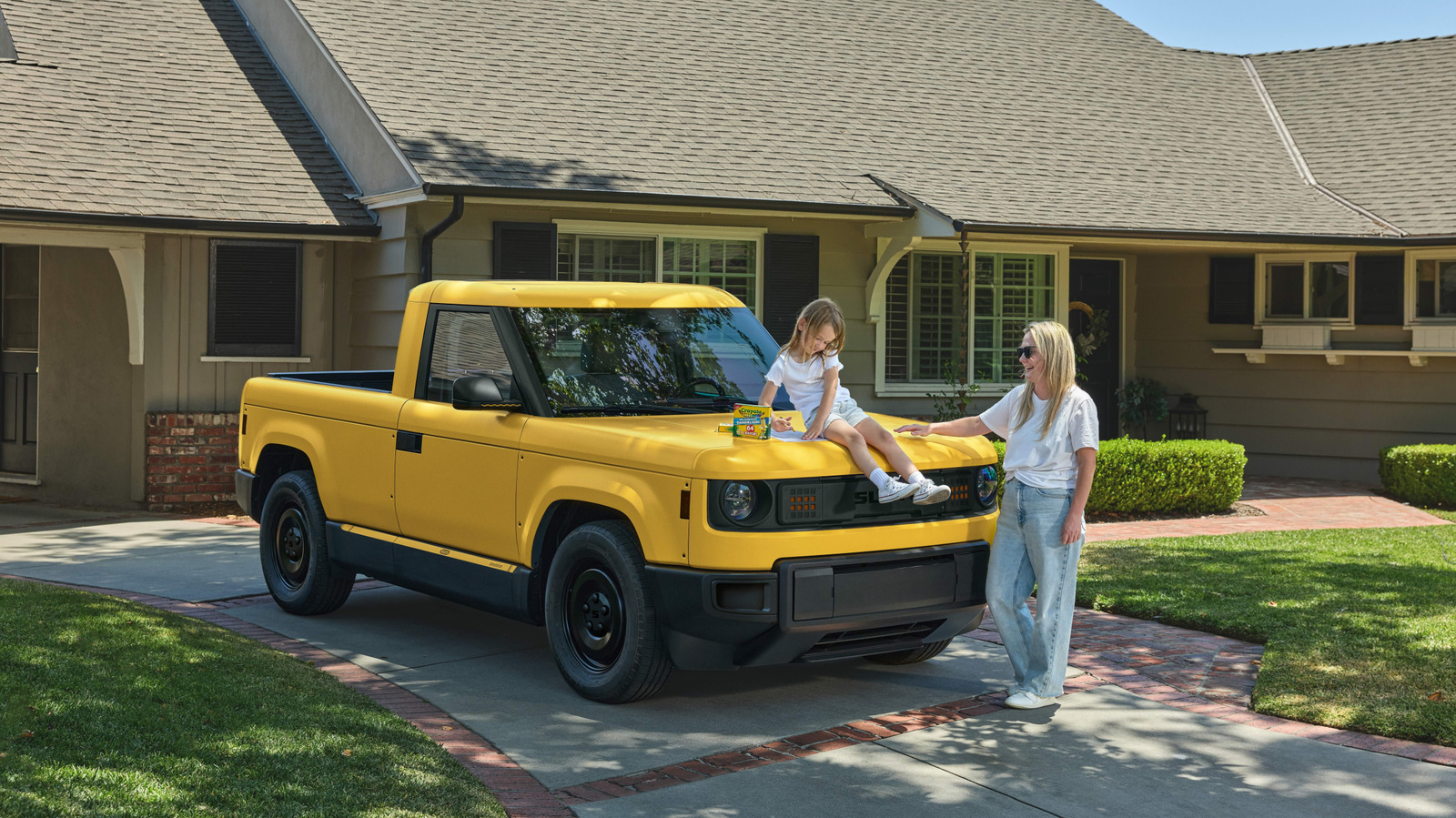
"We wanted to prove that a utility vehicle doesn’t have to be boring," a spokesperson for Slate noted during the launch. "By bringing in these specific, recognizable colors, we aren’t just selling a truck; we are selling the ability for our customers to project their own personality onto the road. The ‘Slatelet’ and the color-matched accessories are just our way of showing that even a tool can have a soul."
Industry analysts have noted that this move is a clever bit of marketing. By leaning into the "barebones" nature of their product, Slate creates a "platform effect." The truck is the hardware; the wraps are the software that makes it personal.
Implications for the EV Industry
The Slate-Crayola partnership signals a shifting tide in how entry-level EVs are marketed. As the market becomes increasingly crowded, companies are finding that specs alone—range, torque, and charging speed—are not enough to maintain consumer interest. The "emotional" side of car ownership, which has been largely ignored in the budget segment, is now becoming a battleground.
1. The Death of the "Grey Only" Era
This partnership suggests that even the most utilitarian electric pickups can benefit from aesthetic diversification. If a sub-$20,000 startup can offer a vibrant, factory-backed color program, it puts pressure on larger manufacturers to move away from the "white, black, and silver" monotony that currently dominates dealership lots.
2. The Rise of the Modular Marketplace
Slate is effectively creating an aftermarket ecosystem where third-party accessories and branding can flourish. By opening a "Marketplace," the company is setting a precedent for how future EVs might be sold: as a base product that the customer upgrades over time, rather than a final, unchangeable configuration purchased at a dealership.
3. Demographic Appeal
By utilizing the Crayola brand, Slate is tapping into a multi-generational sense of nostalgia. For millennials and Gen Z buyers who grew up with these specific crayon shades, the color options serve as an immediate bridge to childhood memories. This creates an emotional connection that traditional automotive advertising often struggles to achieve.
Conclusion: Driving the Future in Technicolor
The Slate EV is proving that it is possible to maintain a low price point without sacrificing the joy of ownership. As the automotive industry transitions to electric power, the definition of what a "car" can be is expanding. It is no longer just about moving from Point A to Point B; it is about how you arrive, and what you represent when you get there.
Whether one chooses the professional depth of Cerulean, the bold statement of Razzmatazz, or the earthy tones of Fern, the ability to customize an affordable vehicle is a win for the consumer. Slate has transformed the humble pickup from a grey, monochromatic workhorse into a vibrant, customizable tool for self-expression. For those waiting for their pre-order to arrive, the hardest part of the process may no longer be the wait for delivery—but deciding which color best represents their personal brand.
As we look toward the future of transportation, one thing is clear: the road ahead is likely to be much more colorful than it was in the era of the internal combustion engine. With this partnership, Slate isn’t just coloring outside the lines; they are rewriting the entire book on how we perceive the modern, affordable electric truck.