Hackaday Podcast Episode 378: Navigating Innovation Through Heat, Heritage, and Hardware
Pasadena, CA – July 17, 2026 – Amidst a sweltering heatwave, the indomitable spirit of the maker community shone brightly as Elliot Williams and Kristina Panos, hosts of the widely acclaimed Hackaday Podcast, delivered Episode 378. Battling the heat with ice lollies and freezer packs, the duo persevered to bring listeners a comprehensive dive into the latest in open hardware, community news, and fascinating technological advancements. From the highly anticipated return of Supercon to the bittersweet farewell of a venerable desktop application, this episode served as a testament to the dynamic and ever-evolving landscape of hacking and engineering.
Main Facts: A Glimpse into Episode 378’s Highlights
Episode 378 of the Hackaday Podcast, released on July 17, 2026, covered a diverse array of topics reflecting the vibrant pulse of the global maker community. Key announcements included the official call for proposals for the 2026 Hackaday Supercon in Pasadena, California, promising a grander venue and an expanded program. The ongoing "Frikkin’ Lasers Contest" was highlighted, reminding participants of the impending submission deadline. The podcast also delved into a unique historical anecdote, featuring a comment from Michael J. Van de Graaff, grandson of the famed inventor, expressing a generational perspective on the democratization of technology. On the broader tech front, the discontinuation of Google Earth’s desktop client marked a significant shift in how users access geospatial data. Community engagement remained a cornerstone, with a bustling "triple mailbag" and the popular "What’s That Sound" segment, which saw a listener correctly identify a classic piece of computing hardware. Finally, the episode showcased a "full slate of hacks," including both retro-inspired projects and cutting-edge innovations, reinforcing Hackaday’s commitment to celebrating ingenious engineering.
Chronology of Innovation and Community: Tracing the Episode’s Narrative
The narrative of Episode 378 unfolded through a series of announcements, community interactions, and deep dives into specific technological discussions, reflecting a blend of forward-looking initiatives and reflections on past innovations.
Hackaday Supercon 2026: A Beacon for the Maker Movement
The episode prominently featured the official announcement for the 2026 Hackaday Supercon, a flagship event for the global hardware hacking community. Scheduled to take place in Pasadena, California, the Supercon is renowned for bringing together engineers, designers, and enthusiasts to share knowledge, showcase projects, and foster collaboration. The hosts revealed that this year’s event promises an upgrade in venue, moving to a larger space complete with a courtyard, a significant departure from previous years’ more intimate, "alley-side" settings. This expansion signals the growing prominence and impact of the Supercon, allowing for a broader range of presentations, workshops, and networking opportunities.
The call for talk proposals, initiated on July 13, 2026, is a crucial component of the Supercon, inviting individuals to share their groundbreaking projects, technical insights, and innovative ideas. Past Supercons have featured talks ranging from advanced embedded systems and reverse engineering to creative art installations and sustainable technology solutions. The move to a larger venue suggests an anticipation of increased attendance and a desire to accommodate a wider variety of specialized tracks and interactive sessions. This annual gathering serves not only as a platform for sharing technical expertise but also as a vibrant community hub, inspiring countless individuals to push the boundaries of what’s possible with hardware.
The "Frikkin’ Lasers Contest": Igniting Creativity
Alongside the Supercon news, the hosts provided an update on the ongoing "Frikkin’ Lasers Contest," which commenced on May 28, 2026. This contest challenges participants to design and build projects incorporating laser technology in innovative and compelling ways. With a submission deadline rapidly approaching on Thursday, July 23rd, the segment served as a final call to action for procrastinating hackers. Hackaday contests are a cornerstone of the platform’s engagement strategy, stimulating creativity and practical application of engineering principles. The "Frikkin’ Lasers" theme encourages participants to explore diverse applications, from precision cutting and engraving to optical communication, lidar systems, and even artistic light displays, all while emphasizing safety and responsible use of laser technology. These contests often unearth ingenious solutions and provide a valuable platform for emerging talent within the hardware community.
A Historical Echo: The Van de Graaff Generator and DIY Culture
One of the episode’s most intriguing segments revolved around a comment received on an older Hackaday article (originally published June 24, 2024). Michael J. Van de Graaff, grandson of Robert J. Van de Graaff, the inventor of the iconic electrostatic generator, weighed in on the legacy of his family’s invention. His comment revealed a historical tension: his grandfather was reportedly "quite upset" when plans for a do-it-yourself (DIY) version of the Van de Graaff generator appeared in Scientific American.
This anecdote sparked a broader discussion about intellectual property, scientific dissemination, and the burgeoning DIY movement of the mid-20th century. The Van de Graaff generator, invented in 1929, was a revolutionary device for generating high voltages, crucial for early particle accelerators and fundamental physics research. Its original design was complex and costly. The appearance of simplified plans in a popular science magazine like Scientific American represented an early form of "open-sourcing" scientific technology, making it accessible to hobbyists and students. This historical tension between the inventor’s desire to control his creation and the public’s appetite for understanding and replication mirrors contemporary debates surrounding open-source hardware and software. It highlights the enduring philosophical divide between commercial protection and the spirit of democratic innovation that Hackaday champions.
Google Earth’s Evolutionary Path: Phasing Out the Desktop Client
Another significant piece of tech news discussed was the discontinuation of Google Earth’s dedicated desktop client. While the venerable application, which revolutionized global exploration and geospatial data visualization, will no longer be actively supported, users can still access its vast capabilities through web browsers and mobile applications.
Google Earth, launched in 2001 as Keyhole EarthViewer before being acquired by Google in 2004, provided an unprecedented level of access to satellite imagery and geographical data. The desktop client, with its robust features for advanced navigation, measurement, and data layering, became a staple for researchers, educators, and curious individuals alike. Its discontinuation reflects a broader industry trend towards cloud-based, platform-agnostic solutions. The shift prioritizes accessibility and ease of updates, ensuring a consistent user experience across various devices. While some power users may lament the loss of specific desktop functionalities, the move underscores Google’s commitment to streamlining its services and adapting to modern computing paradigms, where web and mobile platforms dominate user interaction.
Community Heartbeat: The Mailbag and "What’s That Sound"
The podcast’s deep connection with its audience was evident through the "triple mailbag" segment, signifying a high volume of listener feedback and engagement. These mailbag discussions often feature listener comments on previous episodes, project suggestions, technical questions, and general musings from the Hackaday community.
The popular "What’s That Sound" segment also returned, providing a lighter, interactive element to the show. Kristina Panos, despite her enthusiasm, made another failed attempt at identifying the mystery sound. However, listener Alexander successfully recognized it as "a CD-ROM drive a-spinnin’," a nostalgic nod to an essential piece of computing hardware from a bygone era. This segment not only entertains but also subtly educates, reminding listeners of the distinctive auditory signatures of various technologies. The hosts concluded this segment by inviting listeners to contribute ideas for a new prize for future "What’s That Sound" winners, further deepening community involvement and ownership of the podcast’s content.
A Full Slate of Hacks: Retro, Modern, and Inspirational
While the provided text does not list specific projects, the hosts promised "a full slate of hacks," noting that "a couple of which are pretty retro in retrospect." This alludes to Hackaday’s consistent dedication to showcasing diverse projects, ranging from those that breathe new life into vintage technology to those that explore cutting-edge concepts.
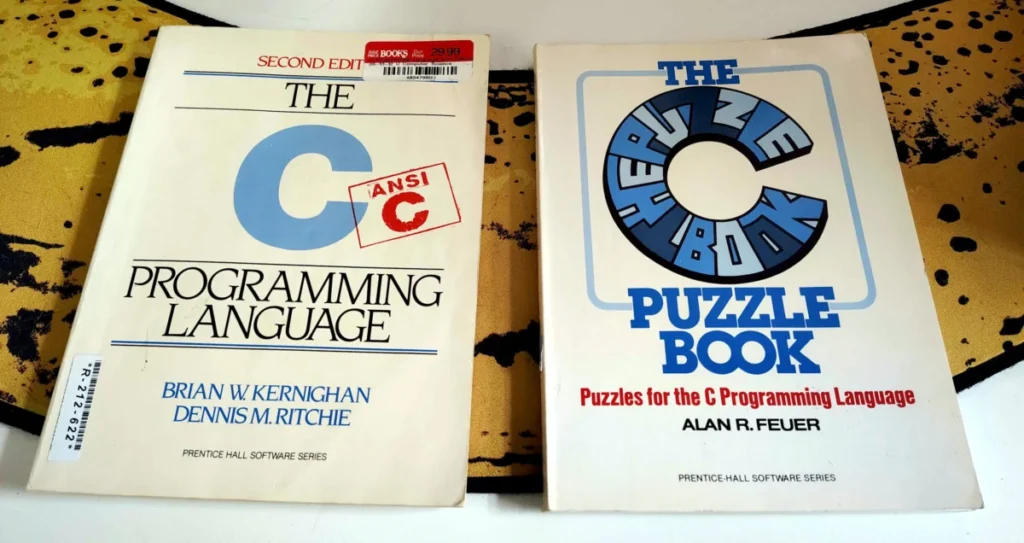
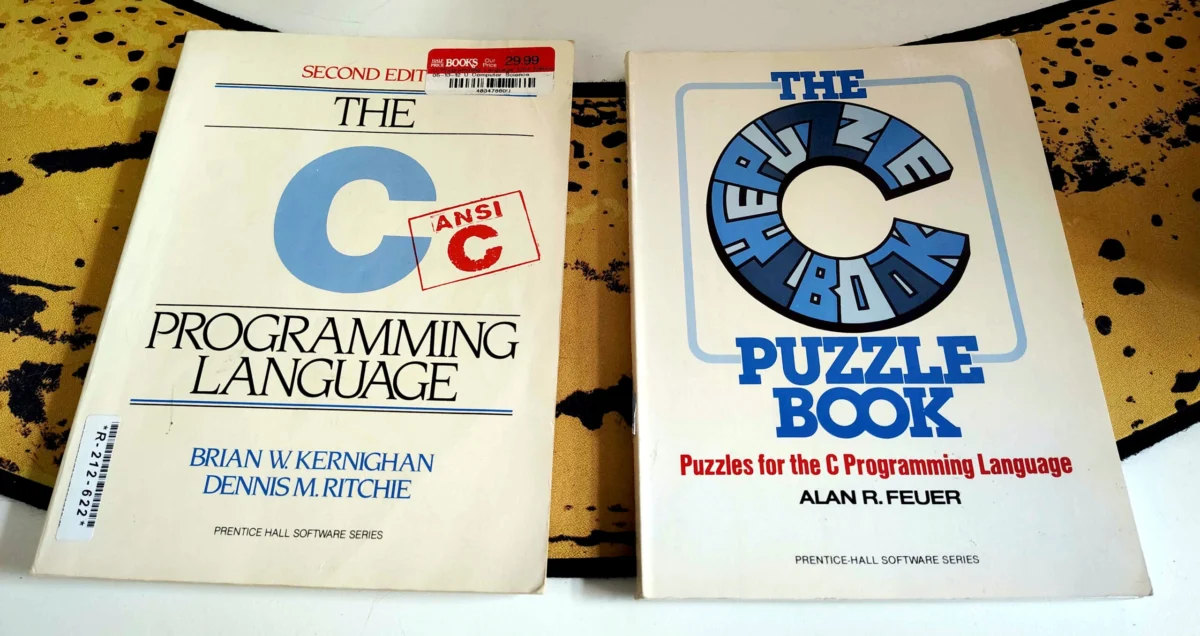
Given the episode title mentions "C coders, ceramic printers, and shadow archives," it is plausible that the hacks discussed included:
- Retro Computing / C Coders: Projects involving classic C programming, perhaps for embedded systems on older microcontrollers, or explorations into the efficiency and elegance of C in modern contexts. This might include optimizing legacy code, building custom compilers, or recreating vintage software experiences.
- Ceramic Printers: Advanced fabrication techniques, such as 3D printing with ceramic materials, represent a significant leap in manufacturing capabilities. Projects in this area could involve custom ceramic components for high-temperature applications, artistic endeavors, or novel material science experiments, pushing the boundaries of what is possible with additive manufacturing.
- Shadow Archives: This intriguing term could refer to projects focused on data preservation, alternative archival methods, or even secure, decentralized storage solutions. In an age of digital transience, "shadow archives" might involve unconventional long-term data storage mediums, methods to detect data tampering, or efforts to preserve digital heritage outside conventional institutions. These projects highlight the importance of digital longevity and the challenges of information resilience.
These hypothetical hacks, fitting the typical Hackaday ethos, underscore the breadth of innovation celebrated on the podcast, inspiring listeners to embark on their own technical journeys.
Supporting Data: Contextualizing the News and Trends
The announcements and discussions in Episode 378 are supported by broader trends and historical data within the tech and maker communities.

The growth of Hackaday Supercon, evidenced by the move to a larger venue, reflects the expanding global interest in open-source hardware and collaborative engineering. Attendance figures for similar events, such as Maker Faires and other open-source conferences, have consistently shown an upward trend over the past decade, indicating a robust and engaged community. The call for proposals attracts hundreds of submissions annually, with acceptance rates often competitive, ensuring a high standard of technical content.
Hackaday’s contests, like the "Frikkin’ Lasers Contest," typically draw hundreds of entries from around the world. These contests not only foster innovation but also generate a rich repository of project documentation, schematics, and code, which become valuable resources for the wider community. The impact of these contests can be measured by the number of derivative projects, new companies formed, or educational initiatives inspired by winning entries.
The story of the Van de Graaff generator touches upon the historical tension between proprietary innovation and public access to scientific knowledge. In the mid-20th century, Scientific American played a crucial role in democratizing science, often publishing plans for DIY scientific apparatus. This trend predates the modern open-source movement but shares its core philosophy of knowledge sharing. Today, platforms like Hackaday continue this legacy, providing detailed build logs and open designs for complex projects, sometimes challenging traditional intellectual property norms in the pursuit of collaborative advancement.
Google Earth’s transition away from its desktop client aligns with industry-wide shifts towards cloud-native applications. Data from market research firms consistently indicates a decline in desktop software installations in favor of web-based and mobile solutions, driven by factors such as device ubiquity, ease of updates, and reduced local storage requirements. Google itself has been a significant proponent of this shift, with many of its core services now primarily accessible via web browsers. While the desktop client offered unparalleled offline capabilities and processing power, the benefits of a lightweight, universally accessible web interface often outweigh the niche advantages of a dedicated application for most users.
The consistent "triple mailbag" and active participation in segments like "What’s That Sound" highlight the strong community engagement that Hackaday has cultivated. Data from podcast analytics often shows that shows with interactive segments and listener feedback loops tend to have higher listener retention and a more dedicated audience base, underscoring the value of these community-focused elements.
Official Responses and Perspectives
From an official standpoint, Hackaday’s consistent messaging through the podcast and its website emphasizes community empowerment and the advancement of open hardware. The Supercon announcement and the "Call for Proposals" represent Hackaday’s official invitation to participate in shaping the future of the maker movement. By providing a platform for sharing diverse projects and ideas, Hackaday officially endorses a philosophy of open collaboration and knowledge exchange.
The hosts, Elliot Williams and Kristina Panos, through their discussions, serve as the public face of Hackaday’s editorial stance. Their enthusiasm for the Supercon, their encouragement for contest participation, and their appreciation for listener feedback reinforce Hackaday’s mission. Their handling of the Van de Graaff anecdote, for instance, offered a balanced perspective, acknowledging the inventor’s sentiment while celebrating the historical trend towards making technology accessible.
Google’s official stance on the discontinuation of the Google Earth desktop client, while not directly quoted in the podcast, typically revolves around providing a unified and optimized user experience across platforms. This often involves sunsetting older, less-used applications to focus resources on developing and maintaining more popular or strategically aligned services. Their official communications would emphasize the continued availability and enhanced features of Google Earth on web and mobile.
Implications: The Ripple Effect of Innovation
The discussions in Episode 378 carry significant implications for the future of technology, education, and community building.
The Hackaday Supercon’s expansion signifies a maturing of the hacker and maker movement. A larger, more professional venue suggests increased legitimacy and appeal beyond niche hobbyists. This has implications for attracting more diverse talent, fostering greater industry partnerships, and potentially influencing mainstream technology development. It solidifies Supercon’s role as a critical nexus for innovation and a benchmark for emerging hardware trends.
The "Frikkin’ Lasers Contest" and similar initiatives have long-term implications for skill development and technological literacy. By providing concrete challenges and a platform for showcasing projects, Hackaday helps to cultivate a new generation of engineers and problem-solvers. The focus on practical application of technologies like lasers helps demystify complex concepts and promotes hands-on learning, which is crucial for STEM education.
The historical context of the Van de Graaff generator discussion raises enduring questions about intellectual property in an age of rapid information sharing. As technologies become more accessible and the lines between invention and replication blur, debates about patents, open-source licenses, and the ethics of sharing designs will continue to evolve. This segment serves as a reminder that the tension between control and dissemination is not new but rather a fundamental aspect of technological progress.
The discontinuation of Google Earth’s desktop client is emblematic of the ongoing shift towards cloud computing and mobile-first strategies. For users, this means increased accessibility from any device but also a greater reliance on internet connectivity and potentially fewer offline capabilities. For developers, it implies a continued focus on web technologies and responsive design. This trend will likely accelerate the development of more sophisticated browser-based tools and further integrate geospatial data into everyday applications.
Finally, the robust community engagement highlighted by the mailbag and interactive segments underscores the power of collective knowledge and peer support in the tech world. In an increasingly complex technological landscape, communities like Hackaday provide invaluable resources for learning, troubleshooting, and inspiration. The continued interaction between hosts and listeners ensures the podcast remains relevant and responsive to the needs and interests of its dedicated audience, fostering a sense of belonging and shared purpose that is vital for driving future innovation.
In conclusion, Episode 378 of the Hackaday Podcast, despite the hosts’ battle with the summer heat, delivered a rich tapestry of news, insights, and community highlights. It not only provided updates on key Hackaday initiatives but also offered a broader commentary on the historical trajectory and future implications of technology and the vibrant culture that surrounds its creation.