Mapping the Skeletal Blueprint: A New Frontier in Bone Regeneration and Disease Therapy
In a landmark achievement for musculoskeletal research, an international consortium of scientists has unveiled a high-resolution map of the cells and genes governing the human skeleton. Published in the journal Nature Genetics, the study, titled "Multiscale analysis and functional validation of the cellular and genetic determinants of skeletal disease," provides an unprecedented look into the dynamic biological processes that dictate how our bones form, degrade, and repair themselves.
By integrating single-cell RNA sequencing with large-scale genomic data from over half a million individuals, researchers have identified hundreds of previously unknown genes and, crucially, a surprising role for blood vessel cells in bone homeostasis. This discovery offers a glimmer of hope for the nearly 50% of the population over the age of 50 currently grappling with skeletal conditions, potentially shifting the medical paradigm from merely slowing bone loss to actively rebuilding lost tissue.
The Main Facts: Decoding the Living Skeleton
For decades, the medical community has viewed bone primarily as a structural scaffold—a rigid, static material. However, as Peter Croucher, PhD, of the Garvan Institute of Medical Research, explains, the reality is far more fluid.
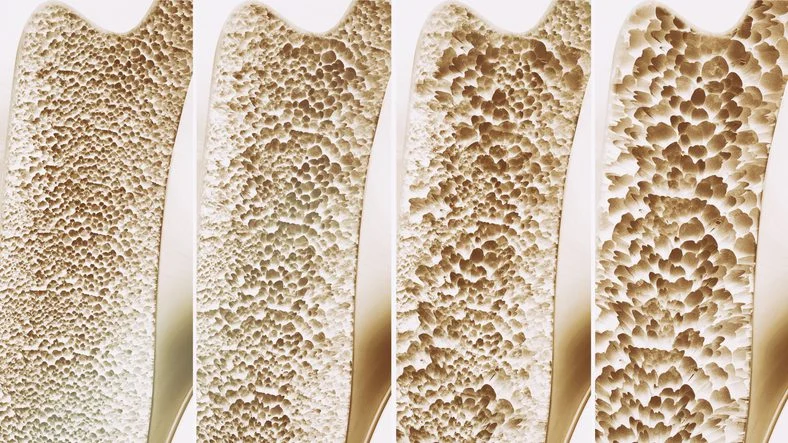
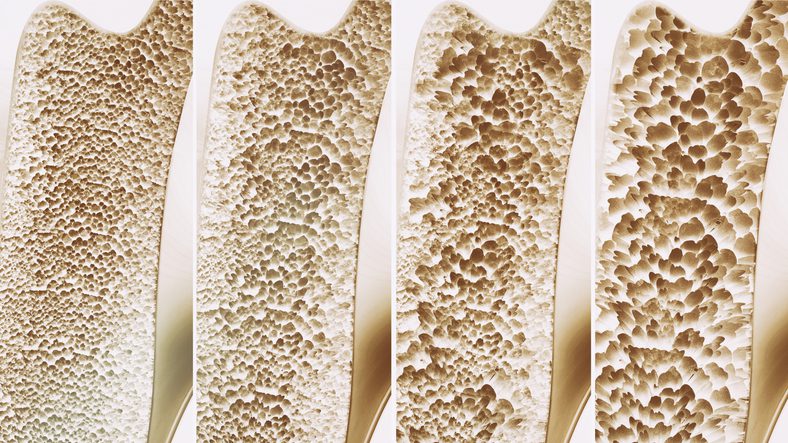
"Most people don’t realize that bones are constantly changing; the human body replaces its skeleton every 10 years or so," Croucher noted. This process, known as bone remodeling, involves a delicate equilibrium between osteoblasts (cells that build bone) and osteoclasts (cells that break down bone). When this balance is disrupted, the result is skeletal disease.
The study’s core findings include:
- A Cellular Map: Researchers identified 34 distinct cell populations within the bone and bone marrow interface, defining the specific genetic signatures of each.
- Genetic Discovery: More than 50% of the genes identified by the team as critical to bone health had never been documented in this context before.
- Vascular Integration: Perhaps most revolutionary is the identification of blood vessel cells as primary drivers of bone repair, a mechanism that was previously poorly understood.
Chronology of the Investigation: A Multi-Year Effort
The path to this discovery was a complex, multi-stage process that bridged the gap between basic molecular biology and population-level genetics.
Phase I: Molecular Mapping (2023–2024)
The research began at the molecular level, utilizing single-cell RNA sequencing. The team focused their attention on the interface between the hard cortical bone and the spongy bone marrow—the "nerve center" of bone activity. By analyzing which genes were switched on in specific cells within this region, they were able to build a granular, high-definition catalog of the bone’s biological components.
Phase II: Population Integration (2024–2025)
To ensure their laboratory findings were clinically relevant, the team turned to the UK Biobank, one of the world’s most extensive health databases. By cross-referencing their cell-specific genetic data with the bone density records of 500,000 participants, the researchers were able to correlate specific genetic variants with actual physical outcomes in the human population.
Phase III: Validation and Publication (2026)
Following rigorous statistical analysis, the team validated the functions of their discovered genes through functional studies. These findings culminated in the peer-reviewed publication in Nature Genetics in July 2026, marking a significant milestone in regenerative medicine.
Supporting Data: The Power of Scale
The strength of this research lies in its dual approach: the precision of "omics" technology and the power of big data.
The researchers did not simply look at bone health in isolation. By analyzing half a million individuals, they were able to move beyond anecdotal observations of bone disease and establish statistically significant causal links between gene expression and bone mineral density (BMD).
The identification of 34 distinct cell groups provided a "parts list" for the skeleton. When the team analyzed the genetic data, they found that these cells were not just passive bystanders. For instance, the previously underappreciated cells surrounding blood vessels were found to be essential in orchestrating the migration of bone-building cells to areas of fracture or degradation. This interaction between the circulatory system and the skeletal system provides a new target for drug development that traditional treatments—which largely focus on hormone-based inhibition of bone resorption—have missed.
Official Responses and Perspectives
Insights from the Researchers
Ryan Chai, PhD, who spearheaded much of the laboratory analysis at the Garvan Institute, expressed surprise at the scale of the findings. "To our surprise, more than half of the genes identified have never before been shown to play a role in maintaining bone health," Chai remarked. "This suggests that our understanding of the skeletal system was only scratching the surface."
John Kemp, PhD, of Mater Research, emphasized the clinical implications of the data integration. "These findings include cells known to regulate bone formation and bone loss, as well as blood vessel cells that, until now, have had underappreciated roles in bone health," Kemp stated. "By pinpointing exactly which cells drive skeletal disease, we are moving toward a more targeted, personalized approach to treatment."
The Call to Action
The research team has made the decision to release their data via an open-access platform. This decision is intended to accelerate global research efforts. By democratizing access to this map of the skeletal blueprint, they hope to catalyze a new wave of pharmaceutical innovation that could lead to the development of drugs that do more than just stabilize bone—they aim to regenerate it.
Implications: From Disease Management to Restoration
The implications of this study are profound, reaching far beyond common conditions like osteoporosis.
1. Reversing Damage, Not Just Halting Loss
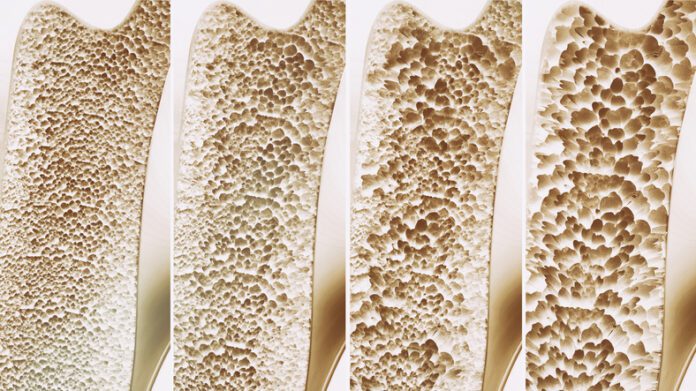
Current pharmacological standards, such as bisphosphonates, work primarily by slowing the activity of osteoclasts. While effective at preventing further decline, they do little to replace bone that has already been lost. The identification of new genetic targets involved in the formation of bone could lead to anabolic therapies—drugs that actively stimulate the body to build new, healthy bone matrix.
2. Tackling Rare Skeletal Disorders
For patients with rare conditions like osteogenesis imperfecta (brittle bone disease), the roadmap provided by this study is life-changing. By understanding the specific cellular malfunctions that lead to these diseases, scientists can begin designing gene therapies or targeted small-molecule drugs that correct the "faulty wiring" at the genetic level.
3. Cancer Metastasis and Bone Health
Perhaps the most intriguing implication is the connection to oncology. Bone is a frequent site for the metastasis of various cancers, including breast and prostate. Peter Croucher highlights that bone marrow serves as a "hiding place" for dormant cancer cells. By identifying the genes that govern the bone environment, researchers may be able to manipulate that environment to make it inhospitable to tumor cells, potentially preventing the spread of cancer or the reactivation of dormant cells.
4. A New Era of Precision Medicine
The integration of this study into clinical practice could eventually allow for "genetic screening" for bone health. Just as clinicians now use genetic profiles to guide cancer treatments, the future may see patients receiving bone health interventions tailored to their specific genetic predispositions for bone loss, allowing for preventative care long before the first fracture occurs.
Conclusion: The Road Ahead
The work conducted by the international team represents a triumph of modern biomedical research. By successfully mapping the cellular and genetic architecture of the skeleton, they have moved the field of bone biology into a new era of precision.
As the scientific community begins to explore the specific functions of the newly discovered genes, the focus will now shift to clinical trials and drug development. While the path from discovery to a pharmacy shelf is often long, the clarity provided by this study ensures that the next generation of bone treatments will be built on a foundation of deep, mechanistic understanding. For millions suffering from the degradation of their skeletal integrity, this map is not just a scientific output—it is a roadmap toward a future where "bone loss" is no longer an irreversible sentence.