Navigating the Future of Collaboration: Inside the ONLYOFFICE DocSpace 3.7 Release and Licensing Evolution
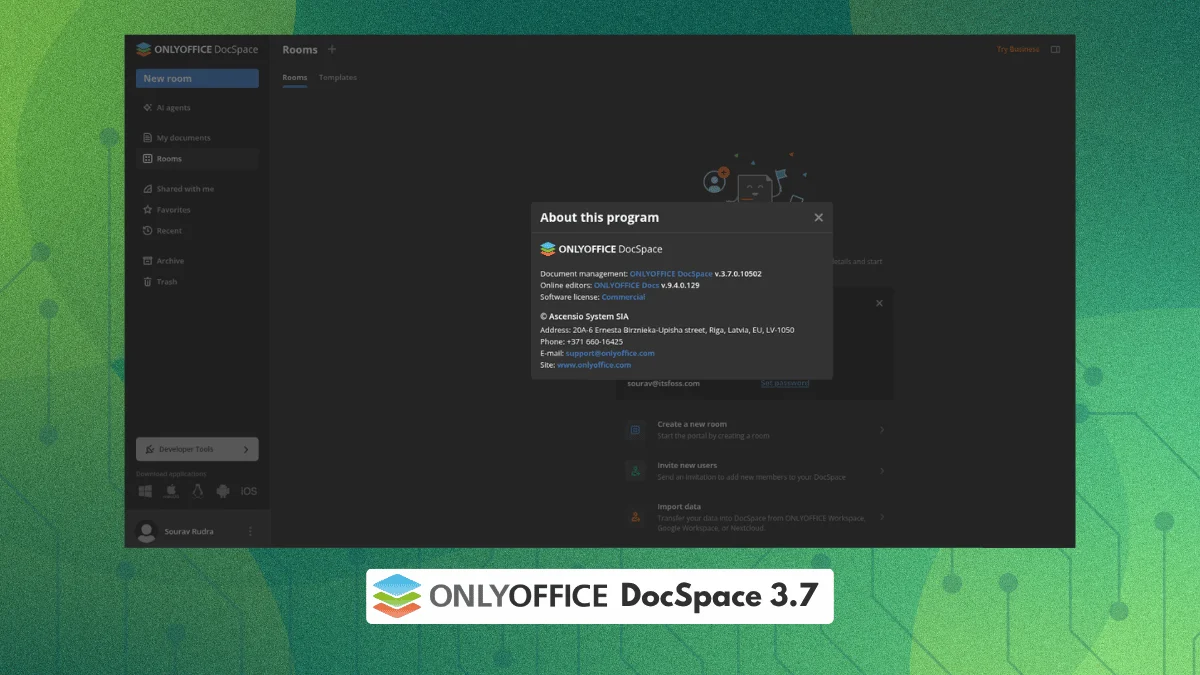
The landscape of enterprise collaboration software is currently undergoing a period of intense scrutiny and rapid innovation. As organizations shift away from the "black box" nature of proprietary giants like Microsoft 365 and Google Workspace, self-hostable alternatives have become a strategic necessity. At the forefront of this movement is ONLYOFFICE, which has recently unveiled DocSpace 3.7, a comprehensive update that marks a significant milestone in both feature capability and the company’s ongoing legal and philosophical defense of its intellectual property.
Main Facts: The Core of DocSpace 3.7
The release of DocSpace 3.7 is not merely a collection of minor patches; it is a structural evolution of the platform’s collaborative utility. At its heart, the update integrates the powerful editor enhancements found in the concurrent Docs 9.4 release while introducing sophisticated room management and workflow automation tools.
Key highlights of the 3.7 release include:
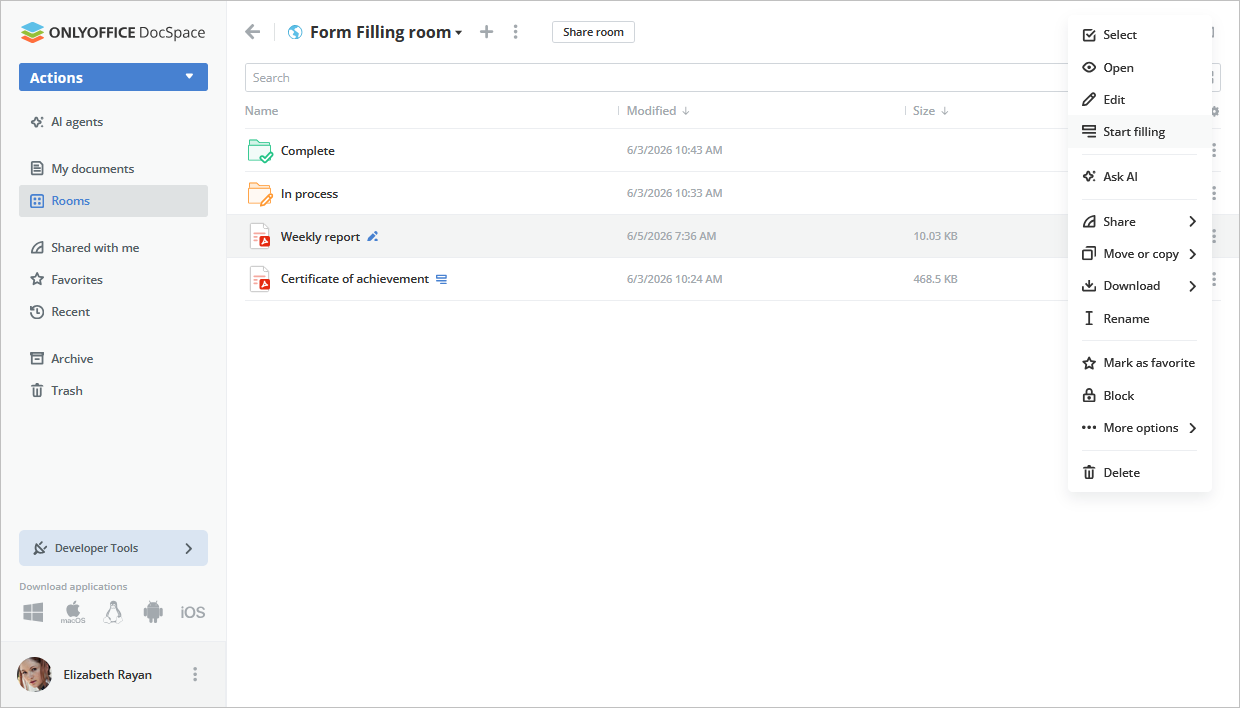
- Enhanced Form Filling: Users can now create, edit, and distribute PDF forms entirely within a room. The introduction of "Start filling" mode transforms a static document into a dynamic data-collection tool that automatically syncs responses to XLSX files or external databases.
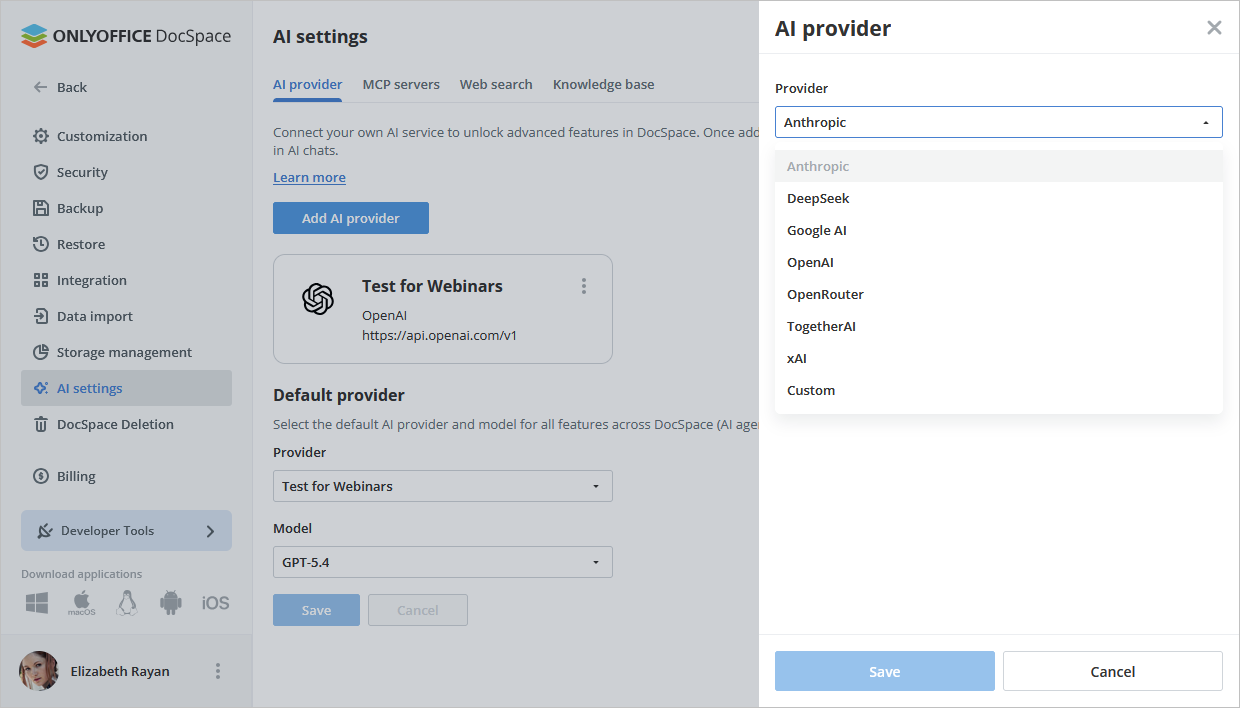
- Expanded AI Ecosystem: The AI-driven capabilities of DocSpace have been overhauled. With the addition of DeepSeek, xAI, and Google AI, the platform now supports seven major AI providers, alongside custom configurations.
- Administrative Granularity: New controls allow for stricter management of external links and guest access, essential for organizations operating under strict compliance frameworks.
- Licensing Tightening: Following a period of industry friction, the update formalizes stricter language regarding attribution, trademark usage, and copyright, reinforcing the boundaries of the AGPLv3 license as interpreted by ONLYOFFICE.
A Chronology of Conflict and Consolidation
To understand the weight of the 3.7 release, one must examine the timeline of the "Euro-Office" dispute, which has fundamentally reshaped ONLYOFFICE’s development trajectory.
The Catalyst: The Euro-Office Fork
The friction began when Nextcloud and IONOS announced a fork of the ONLYOFFICE suite, branded as "Euro-Office." Positioned as a "Made in Europe" solution, the fork was specifically marketed to organizations prioritizing data sovereignty and European operational control. The move was perceived by the original developers as a threat to their brand identity and licensing integrity.
The Response: Docs 9.4
ONLYOFFICE did not remain silent. Shortly after the announcement of the fork, the release of Docs 9.4 served as a strategic counter-maneuver. By tightening the licensing language, ONLYOFFICE sought to clarify the distinction between their official product and any downstream derivative works. This was a clear message to the market: while the software remains open-source under the AGPLv3, the brand, trademarks, and specific additional conditions of use remain under the strict control of the original developers.

The Present: DocSpace 3.7 as an Affirmation
With the release of DocSpace 3.7, the company has doubled down on this strategy. By bundling significant feature upgrades with further refined licensing terms, the firm is effectively signaling that it is the primary engine for the platform’s innovation, distancing its development roadmap from the fragmented ecosystem that the Euro-Office fork threatened to create.
Supporting Data: AI Integration and Workflow Efficiency
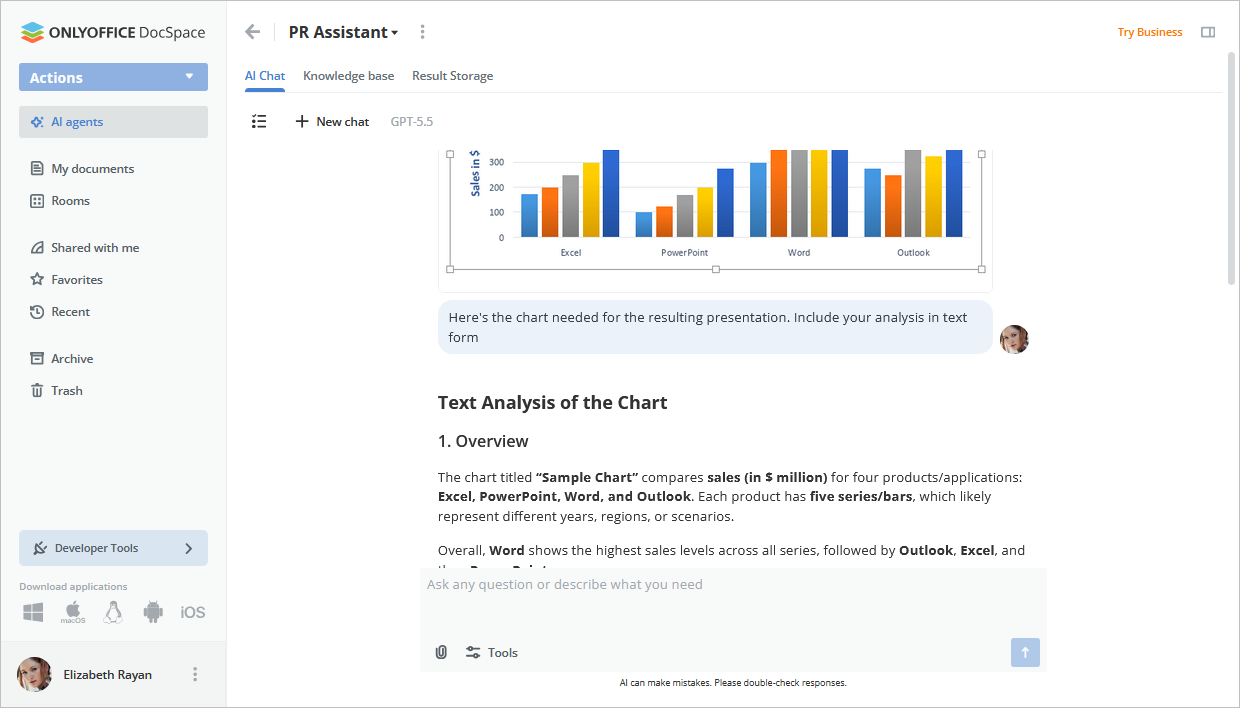
The most significant technical leap in version 3.7 is the integration of AI. In the current enterprise climate, the ability to generate documents, presentations, and forms from conversational prompts is no longer a luxury—it is a competitive requirement.
The Multi-Provider Strategy
By diversifying its AI provider roster to include seven major players—including DeepSeek, xAI, and Google AI—ONLYOFFICE is providing organizations with the flexibility to choose a model that aligns with their specific data privacy policies. Whether a company prefers the open-weights nature of certain models or the high-performance capabilities of commercial APIs, the platform facilitates these choices through a unified interface.
The "Start Filling" Workflow
The form-filling enhancements represent a shift in how collaborative data is managed. By allowing for the creation of forms directly within a room, ONLYOFFICE is stripping away the "export-edit-upload" cycle that typically plagues document-based workflows. The ability to route these responses to an external database signifies a maturation of the platform, moving from a mere document editor toward a lightweight, database-backed application platform.
Official Responses and Philosophical Stances
The ongoing tension between the developers of ONLYOFFICE and the proponents of forks like Euro-Office highlights a broader philosophical debate within the open-source community: the balance between the "freedom" of the code and the "sovereignty" of the brand.
From the perspective of the ONLYOFFICE team, the licensing updates are a defensive measure to protect the sustainability of their business model. By ensuring that users and redistributors are clearly aware of the attribution requirements, they aim to preserve the value of their trademark. They argue that if a product is branded differently, it should not ride the coattails of the original project’s reputation, especially when the original project continues to provide the heavy lifting of R&D.
Conversely, proponents of initiatives like Euro-Office argue that the "Made in Europe" label is a necessary response to the demand for local data sovereignty. They believe that if the source code is AGPLv3, users have a right to fork, modify, and redistribute as they see fit, provided the license is respected.
Implications for the Enterprise
For CTOs and IT administrators, the release of DocSpace 3.7 carries several critical implications:
1. Data Sovereignty and Compliance
The ability to self-host DocSpace 3.7 remains its most compelling feature. As regulatory environments like GDPR in Europe and similar frameworks worldwide become more stringent, the capacity to control the entire stack—from the document storage to the AI processing layer—is invaluable. Organizations that were worried about the stability of the platform amidst the recent licensing disputes now have a clear signal that the project is alive, thriving, and evolving.
2. The Cost of Customization
With the inclusion of custom provider settings and external database routing, the "cost" of adopting ONLYOFFICE has shifted from simple maintenance to a more strategic integration role. Organizations can now tailor the software to their specific infrastructure, effectively turning a standard document platform into a proprietary business tool.
3. Future-Proofing the Tech Stack
The decision to include a "kill switch" for AI services is particularly noteworthy. Many enterprises have strict policies regarding the use of LLMs. By providing a granular toggle to disable AI across the entire workspace while retaining chat history, ONLYOFFICE demonstrates an understanding of the risk-averse nature of enterprise IT departments.
Conclusion: A Platform at a Crossroads
ONLYOFFICE DocSpace 3.7 is a definitive statement of intent. It is a product that refuses to be sidelined by licensing controversies or market fragmentation. By aggressively pursuing feature parity with the industry’s biggest players while maintaining the flexibility of a self-hostable, open-source core, ONLYOFFICE is carving out a unique niche.
The journey from a simple document editor to a full-blown collaborative platform has been marked by both technical triumphs and legal hurdles. However, with version 3.7, the project appears to have found its footing. For organizations looking for an alternative that respects data sovereignty without sacrificing modern conveniences like generative AI and streamlined form management, DocSpace 3.7 stands as a robust, enterprise-grade contender.
As the industry watches to see how the "Euro-Office" initiative matures and how the broader open-source ecosystem navigates the complexities of AI-integrated software, one thing remains clear: ONLYOFFICE has successfully set the terms for its own future. Whether through its enhanced administrative controls or its expanded AI horizons, the platform is ready for the next phase of enterprise demand. Organizations that prioritize control, privacy, and modularity would do well to evaluate this release as they plan their digital infrastructure for the years ahead.