Next-Generation T-Cell Therapies: Circio and Tcelltech Forge Strategic Alliance to Revolutionize In Vivo Gene Delivery
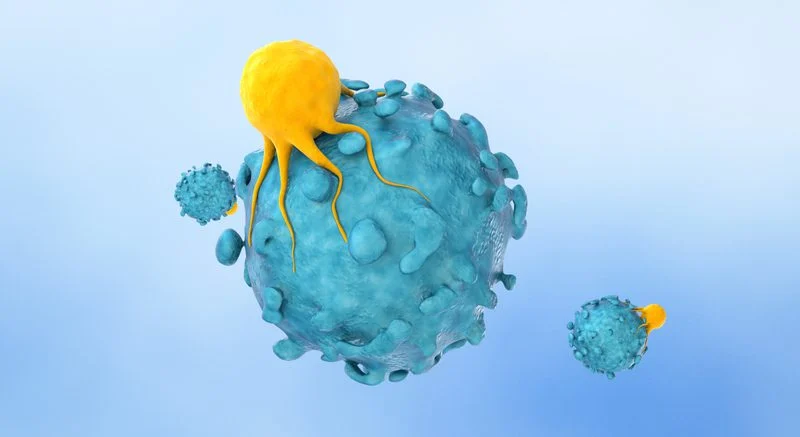
In a move poised to reshape the landscape of immuno-oncology, Norway-based biotech firm Circio and German precision engineering company Tcelltech have announced a strategic partnership aimed at overcoming the most stubborn bottlenecks in T-cell therapy. The collaboration will integrate Circio’s proprietary circVec circular RNA (circRNA) expression technology with Tcelltech’s nanoSMAR vector platform, a non-integrating, double-stranded DNA system.
By combining these two cutting-edge technologies, the companies aim to develop a new generation of in vivo engineered T-cell therapies that are safer, more scalable, and significantly more sophisticated than current industry standards.
Main Facts: The Convergence of Non-Viral Engineering
The core of the partnership lies in the synergy between two specific technological pillars. Current CAR-T cell therapies—while transformative—are largely tethered to ex vivo (outside the body) manufacturing processes. These processes are notoriously complex, time-consuming, and expensive. Furthermore, the industry’s current shift toward in vivo (inside the body) delivery is largely dependent on viral vectors, which carry inherent safety risks, including the potential for insertional mutagenesis and limited cargo capacity.
The Technological Synergy:
- Circio’s circVec Technology: This platform is designed to produce circular RNA within the cell. Unlike linear mRNA, circRNA is naturally more stable and resistant to degradation, allowing for prolonged protein expression—a critical factor for effective anti-tumor responses.
- Tcelltech’s nanoSMAR Platform: This is a non-viral, episomal DNA vector. Because it is non-integrating, it avoids the risks associated with altering the host genome. Most importantly, it boasts an exceptionally large "cargo capacity," allowing researchers to insert multiple payload genes or complex regulatory elements that would exceed the physical limits of traditional viral delivery systems.
By marrying these, the companies intend to create a robust, non-viral delivery system that can reprogram T-cells directly within the patient’s body, effectively turning the patient’s own immune system into a drug-manufacturing factory.
Chronology: A Staged Roadmap for Innovation
The collaboration is structured as a multi-phase research program designed to de-risk the integration of these two platforms while gathering robust preclinical data.
Phase 1: Proof-of-Concept and Kinetic Analysis
The initial phase focuses on head-to-head comparisons of the combined technology versus traditional delivery methods. Researchers will evaluate the strength and durability of gene expression in primary human T-cells. The primary metrics for success here are the longevity of the expression profile and the ability of the vectors to maintain high expression levels without compromising cell viability.
Phase 2: Functional Validation
Following the initial kinetic assessment, the partnership will move into a functional testing phase. The team will engineer CD19-directed CAR-T cells using the circVec/nanoSMAR combination. These cells will be subjected to rigorous in vitro tumor-killing assays to determine if the combined technology can effectively recognize and eradicate cancer cells with the same—or greater—potency than current gold-standard therapies.
Future Horizons: Clinical Translation
While the current agreement covers the research and development phase, both parties have signaled that this is a precursor to broader clinical development. The roadmap aims to establish a scalable manufacturing process that could eventually lower the barrier to entry for hospitals, moving T-cell therapy from specialized academic centers into general clinical practice.
Supporting Data: Why the Industry is Shifting In Vivo
The impetus for this collaboration is rooted in the significant limitations of current CAR-T cell production.
The Ex Vivo Bottleneck
Current T-cell therapies require patients to undergo leukapheresis, where T-cells are harvested, shipped to a centralized facility, genetically modified, expanded, and then re-infused into the patient. This cycle often takes weeks, during which the patient’s condition may deteriorate.
The Viral Vector Challenge
Viral vectors—such as lentivirus or adeno-associated virus (AAV)—have been the workhorses of gene therapy. However, they are difficult to manufacture at scale, expensive to produce under Good Manufacturing Practice (GMP) conditions, and limited in the size of the genetic "payload" they can carry. The nanoSMAR platform’s ability to bypass these limitations suggests that the next generation of therapies could include "multi-payload" designs—for instance, a CAR construct that also expresses cytokines or checkpoint inhibitors, effectively creating a "smarter" T-cell that can survive longer in the hostile tumor microenvironment.
Official Responses: Insights from Leadership
Richard Harbottle, PhD, Head of Vector Technology and Manufacturing at Tcelltech
Dr. Harbottle, a key architect of the nanoSMAR platform, emphasizes the safety and capacity advantages of the new alliance.
"The combination of Tcelltech’s non-viral, episomal nanoSMAR DNA vector platform with Circio’s circVec expression technology holds great promise for the development of in vivo gene delivery systems that are non-disruptive to target cells, maintain high expression levels, and enable straightforward, cost-effective manufacturing," Harbottle stated.
He further noted the design freedom offered by the large cargo capacity: "Furthermore, the exceptionally large cargo capacity of nanoSMAR vectors—beyond what is achievable with viral approaches—enables the design of complex and sophisticated constructs incorporating multiple payload genes and regulatory elements."
Victor Levitsky, PhD, CSO of Circio
Dr. Levitsky views the partnership as a validation of the company’s broader platform-agnostic strategy.
"In vivo T-cell therapy is one of the most exciting frontiers for our circVec technology and is a rapidly advancing approach that could make these therapies more scalable and accessible," Levitsky remarked. "Tcelltech’s universal nanoSMAR platform is a promising and differentiated delivery technology for T-cells, which we expect will act synergistically with circVec-enhanced payload expression."
Levitsky added that this collaboration is a tactical move within Circio’s broader business development plan: "This collaboration fits into Circio’s broad business development strategy of testing circVec across multiple modalities and delivery systems to identify the optimal technology combination and identify the most promising therapeutic avenues."
Implications: The Future of Immuno-Oncology
The implications of a successful integration of circVec and nanoSMAR are profound. If the collaboration succeeds, it could effectively "democratize" T-cell therapy.
1. Enhanced Therapeutic Potency
By enabling the expression of multiple therapeutic genes within a single T-cell, researchers can move beyond simple tumor-binding receptors. Future therapies could theoretically combine tumor recognition with the ability to resist immune suppression and secrete localized "booster" signals, potentially making "cold" tumors (those that do not respond to immunotherapy) "hot."
2. Economic Scalability
The cost of current CAR-T therapies, often exceeding $400,000 per dose, is a major barrier to widespread adoption. A non-viral, in vivo approach eliminates the need for expensive cleanroom cell processing, potentially reducing costs by an order of magnitude. This would represent a fundamental shift in how the healthcare system pays for and delivers high-end biotechnology.
3. Safety and Precision
The non-integrating nature of the nanoSMAR vector mitigates the risk of insertional mutagenesis, a safety concern that has historically plagued retroviral gene therapies. By keeping the genetic payload episomal (existing as a separate circular unit within the nucleus) and using circRNA to control the expression, the control over the "dose" and "timing" of the therapy becomes much more granular.
Conclusion
As the biotechnology sector pivots toward more agile, less invasive, and more affordable therapeutic models, the collaboration between Circio and Tcelltech represents a significant milestone. While the journey from laboratory bench to patient bedside is fraught with regulatory and clinical challenges, the integration of circVec and nanoSMAR addresses the fundamental engineering hurdles that have kept T-cell therapies confined to the current ex vivo paradigm.
The industry will be watching the proof-of-concept phase closely. Should these two platforms prove compatible in the human physiological context, the door may swing open to a new era of "off-the-shelf" gene delivery systems that could transform the standard of care for oncology patients worldwide.