Precision Oncology’s New Frontier: The “Click-to-Assemble” Strategy Overcoming Drug Resistance
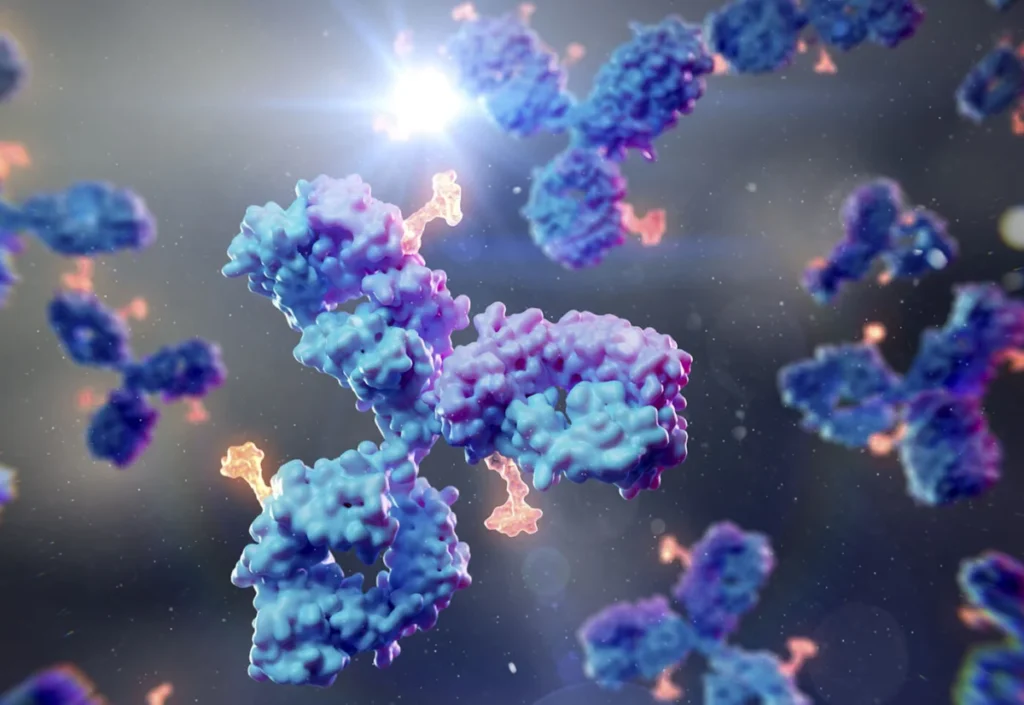
The landscape of cancer therapy has been fundamentally transformed by the advent of antibody-drug conjugates (ADCs)—potent, "guided-missile" pharmaceuticals designed to deliver toxic payloads directly to tumor cells. By tethering a cytotoxic agent to an antibody that recognizes specific antigens on the surface of malignant cells, clinicians have achieved unprecedented success in treating various cancers. However, the Achilles’ heel of this technology has remained consistent: tumor evolution. As cancers diversify and mutate, they often shed their molecular targets or express them at levels too low to trigger a therapeutic response, leading to inevitable drug resistance.
In a landmark study published in the journal Nature, researchers at the Washington University (WashU) School of Medicine in St. Louis have introduced a groundbreaking solution. Their study, "Modular in vivo antibody–ADC click to reverse drug resistance in tumors," unveils a modular “click-to-assemble” strategy that allows for the creation of dual-targeting therapeutics directly within the patient’s body. This approach effectively supercharges existing ADCs, allowing them to hit multiple targets simultaneously and restoring efficacy in tumors previously classified as untreatable.
The Problem of Molecular Heterogeneity
To understand the significance of the WashU team’s work, one must first appreciate the limitations of current ADCs. A conventional ADC is a "monospecific" agent; it is engineered to bind to a single type of protein (antigen) on the surface of a cancer cell. If a tumor cell population is heterogeneous—meaning different cells express different markers—or if the expression of a specific marker (such as HER2) is low or "ultralow," the ADC cannot gain a sufficient foothold to internalize its cytotoxic cargo.
This biological "cloak of invisibility" allows cancer cells to escape treatment. As the most vulnerable cells are eliminated, the remaining population—often those with low antigen expression—thrives, leading to tumor recurrence and resistance. The WashU team’s research addresses this bottleneck by proposing that the solution is not necessarily to develop more potent drugs, but to change how those drugs are delivered and clustered at the site of the disease.
The Chronology of an Innovation: From Concept to "Click"
The development of this strategy represents the culmination of years of chemical biology research aimed at improving bioorthogonal chemistry—reactions that can occur inside a living system without interfering with native biological processes.
- Early Conceptualization: The researchers identified that the limiting factor in ADC efficacy was the density of receptors on the tumor cell surface. They theorized that if they could increase the valency of the ADC—effectively making it "stickier" or more complex—they could enhance tumor uptake.
- Engineering the Chemistry: The team turned to the trans-cyclooctene (TCO) and tetrazine ligation reaction. This "click" chemistry is renowned for its speed and specificity, occurring rapidly even in the dilute, complex environment of the bloodstream.
- The Sequential Dosing Model: By modifying one antibody (such as EGFR-targeting panitumumab) with TCO and a second ADC (such as HER2-targeting trastuzumab-deruxtecan, or T-DXd) with a tetrazine moiety, the researchers created a two-part system.
- The In-Vivo Assembly: When injected into murine models, the two components circulate independently, minimizing off-target toxicity. Once they reach the tumor microenvironment, the TCO and tetrazine "click" together. This conjugation creates a higher-order complex that not only binds to two different antigens but also internalizes into the tumor cell with significantly higher efficiency than either drug could achieve alone.
Supporting Data: Breaking Resistance Barriers
The quantitative results of the WashU study are striking. In preclinical models involving pancreatic, gastric, and breast cancer—all notoriously difficult to treat due to their heterogeneity—the "click" strategy demonstrated a clear survival advantage.
The study highlighted several key metrics:
- Enhanced Accumulation: In mice bearing tumors with mismatched HER2 and EGFR expression, the "clicked" ADCs achieved accumulation levels up to 3.2-fold higher than standard, non-clicked ADCs.
- Overcoming "Ultralow" Targets: Perhaps most significantly, the platform proved effective in tumors where HER2 expression was categorized as "low" or "ultralow." Standard HER2-directed therapies typically fail in these scenarios, yet the dual-targeting complex was able to bridge the gap, successfully delivering the cytotoxic payload.
- Tumor Progression Inhibition: In all tested cancer models, the approach was shown to significantly slow or entirely halt tumor growth. By targeting two pathways simultaneously, the researchers essentially "locked" the cancer cell into a cycle of destruction, preventing the common adaptive resistance pathways that usually emerge during chemotherapy.
Official Responses and Expert Perspective
Dr. Patrícia M. Ribeiro Pereira, the senior author of the study and an assistant professor of radiology at WashU Medicine’s Mallinckrodt Institute of Radiology, emphasized that the true power of this invention lies in its modularity and scalability.
"We’ve shown that when two cancer-targeting antibodies bind together inside the body, they accumulate at the tumor more effectively and improve treatment response," Dr. Ribeiro Pereira stated. "There is a lot of excitement here because we have shown that it isn’t necessary to create a whole new drug platform for each therapeutic target. We can repurpose antibodies that already exist to improve treatments."
The implications for the pharmaceutical industry are vast. Currently, the development of a new ADC is a multi-year, multi-billion-dollar endeavor. The "click-to-assemble" platform, by contrast, acts as a "plug-and-play" system. If a clinician identifies that a patient’s tumor has a specific profile of EGFR and HER2, they could theoretically utilize existing, approved antibodies and "click" them in vivo to create a bespoke therapeutic regimen.
The Path Toward Clinical Translation
While the results in mice are encouraging, the transition from the laboratory to the clinic requires careful, systematic optimization. The research team is currently focusing on several critical areas:
- Pharmacokinetics and Safety: Ensuring that the "click" reaction remains localized to the tumor site and does not lead to systemic aggregation or unexpected side effects is the primary goal for upcoming trials.
- Broadening the Therapeutic Net: The team is eager to expand the platform to target cancers that are physically sequestered from the rest of the body. One major focus is the blood-brain barrier (BBB). Dr. Ribeiro Pereira noted, "We’re trying to optimize this tool to help antibodies reach tumors that are normally very difficult to treat, such as brain tumors."
- Customization for Heterogeneity: Future research will explore whether the platform can be customized for patients whose tumors express a unique mix of antigens, potentially allowing for a "personalized" cocktail of antibodies tailored to the genetic makeup of the individual’s cancer.
Implications for the Future of Oncology
The "antibody-ADC click" strategy marks a shift away from the "one-drug-one-target" dogma that has dominated oncology for decades. By embracing the fluidity of chemistry to solve the rigidity of tumor biology, the WashU team has provided a roadmap for a new generation of precision medicine.
If this strategy holds up in human clinical trials, it could fundamentally alter the economics and logistics of cancer care. Instead of requiring a massive pipeline of novel, singular drugs, the industry could rely on a library of pre-validated, modular components that can be assembled to match the specific, evolving nature of a patient’s tumor.
The researchers conclude that their strategy provides a "modular and translatable approach" to one of the most stubborn challenges in modern medicine. As we move toward an era where cancer is managed as a chronic, evolving disease, the ability to adapt therapies in real-time—right inside the patient—may be the key to turning terminal diagnoses into manageable, long-term conditions. The "click" may well be the sound of the next great evolution in cancer treatment.