Precision, Persistence, and Philanthropy: Summer Games Done Quick Returns to Minneapolis
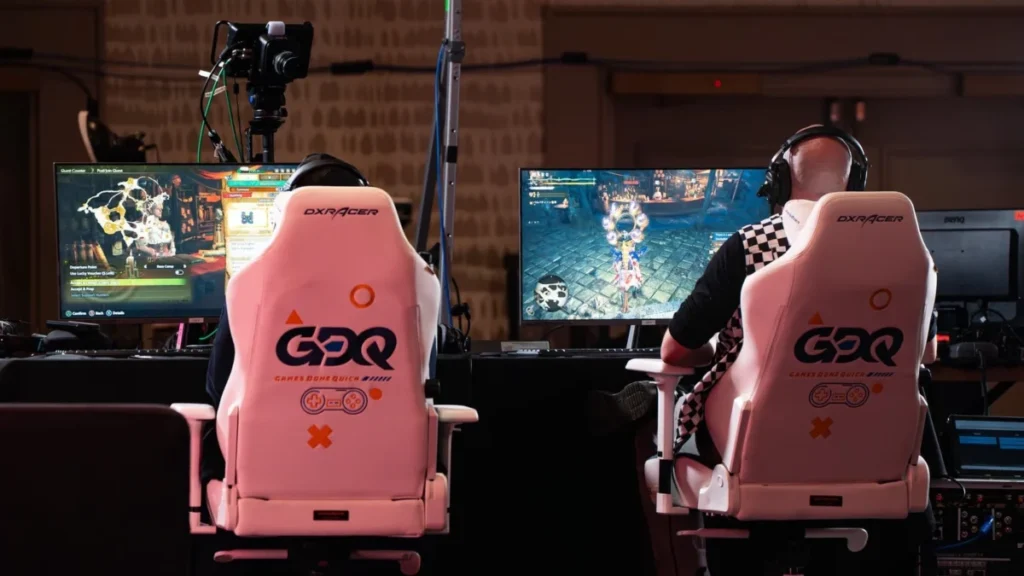
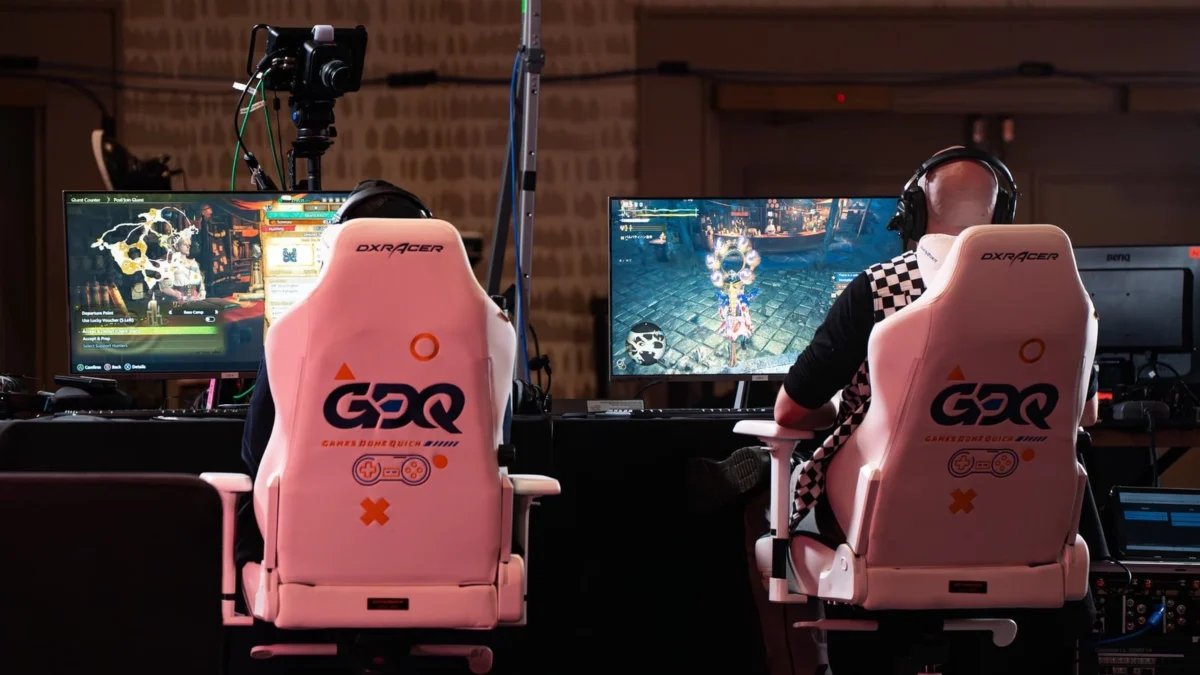
The world’s most anticipated spectacle of digital athleticism is set to return this Sunday, July 5, as the gaming community converges on Minneapolis for the latest iteration of Summer Games Done Quick (SGDQ). For one intensive, round-the-clock week, elite speedrunners will push the boundaries of human reaction time and game-engine mastery, all in the service of a global humanitarian mission. As the community gathers once again, the event promises to be more than just a showcase of broken world records—it stands as a testament to the power of collective charity and the enduring cultural impact of speedrunning.
Main Facts: The Marathon Begins
SGDQ 2025 kicks off with a highly anticipated pre-show at 12:30 PM ET, followed immediately by the official start of the marathon at 1:00 PM ET. The opening act is set to be a highlight for retro-gaming enthusiasts: a 102% completion run of Donkey Kong Country 2: Diddy’s Kong-Quest.
Viewers worldwide can tune into the action live via the Games Done Quick Twitch channel, which serves as the central hub for the event’s community interaction and live donations. For those whose schedules don’t align with the 24/7 broadcast, the organizers have committed to uploading high-quality Video-on-Demand (VOD) archives to their official YouTube channel, ensuring that no frame-perfect trick or unexpected glitch goes undocumented.
Chronology: A Week of High-Stakes Gaming
The schedule for SGDQ is famously dense, spanning a variety of genres from 8-bit platformers to cutting-edge modern releases. This year’s lineup is particularly notable for its inclusion of contemporary titles making their GDQ debut.
The Debutante Class
The speedrunning scene is inherently fluid, constantly adapting to new releases. This year, the event will feature first-time runs of several high-profile titles, including the kinetic Don’t Stop, Girlypop!, the chaotic Super Meat Boy 3D, the long-awaited Pragmata, and the intense action of Resident Evil: Requiem. Also hitting the stage are the rhythm-driven Unbeatable, the noir-inspired shooter Mouse: PI for Hire, and the stylish, high-speed Saros. These debuts represent the "new blood" of the community, where runners must navigate unoptimized games and discover "sequence breaks" in real-time.
Curated Highlights
Beyond the new releases, the schedule features unique creative showcases that highlight the ingenuity of the modding community. One of the most anticipated segments is the Gordon & Daxter run. This modded version of the PlayStation classic Jak & Daxter grafts the physics, weaponry, and movement mechanics of Half-Life onto the colorful world of the precursor legacy.
Additionally, the event will venture into physical-digital hybrids with a dedicated pinball showcase featuring Total Nuclear Annihilation. As is tradition, the marathon will culminate in high-intensity competitive races, with the Super Mario Maker 2 race serving as a perennial fan favorite, promising a high-stakes clash of creativity and speed.
Supporting Data: The Impact of Giving
At the heart of the SGDQ experience is its long-standing partnership with Médecins Sans Frontières (Doctors Without Borders). The organization provides essential medical care in over 70 countries, often in regions affected by conflict, epidemics, or natural disasters.
The trajectory of fundraising at GDQ events has been nothing short of astronomical. Last year’s Summer Games Done Quick set a high bar, raising over $2.4 million in a single week. This figure is not merely a number; it represents thousands of individual donations from viewers who participate in "incentives"—bidding on character names, choosing specific game categories, or triggering bonus challenges. The ability of a niche hobbyist community to mobilize such significant capital for international aid has made GDQ a gold standard for digital philanthropy.
Official Responses and Community Governance
The Games Done Quick organization has issued statements emphasizing the health and safety of both participants and the local community in Minneapolis. As an event that requires intense mental focus and physical dexterity, the organizers have implemented rigorous scheduling to ensure that runners are well-rested before their designated blocks.
"The goal is always to balance the competitive spirit of speedrunning with the collaborative spirit of charity," noted a spokesperson for the event. "We are seeing a record number of applicants this year, both for the marathon runs and for the in-person attendance, which speaks to the health of the community. We are particularly proud of the diversity in the game list this year, as it reflects the breadth of the gaming industry."
Industry developers have also begun to embrace the event. Many studios now actively design their games with "speedrun-friendly" features, such as skip-cutscene toggles or in-game timers, acknowledging that a feature at GDQ can significantly boost a title’s longevity and sales.
Implications: The Future of Speedrunning
As SGDQ enters its latest iteration, the implications for the future of the medium are clear. Speedrunning has graduated from a basement-dwelling subculture to a professionalized field of digital entertainment.
Professionalization and Growth
The infrastructure supporting SGDQ—including high-end broadcasting equipment, professional commentary teams, and complex logistics—mirrors the growth seen in traditional esports. However, GDQ retains a unique identity by prioritizing non-profit support over commercial prize pools. This distinction is crucial; it ensures the community remains centered on the games rather than the potential for financial gain.
Technological Advancement
The inclusion of modded runs like Gordon & Daxter highlights a shift in how games are consumed. We are entering an era where the original developer’s intent is only the starting point. Speedrunners are now effectively "co-authors" of the gaming experience, stripping games down to their underlying code to find the fastest possible route. This level of technical scrutiny often uncovers bugs that developers themselves didn’t know existed, providing a unique form of QA (Quality Assurance) that is invaluable to the industry.
A Beacon of Positive Gaming Culture
In an era where online gaming discourse can often turn toxic, GDQ remains a rare sanctuary of positivity. The "hype" generated by the community—the collective cheering for a successful "frame-perfect trick" or the communal empathy during a failed attempt—serves as a model for how digital spaces can be utilized for good.
As the countdown to Sunday begins, the excitement in Minneapolis and across the globe is palpable. Whether it is the nostalgia of Donkey Kong Country 2 or the technical curiosity surrounding Pragmata, the week promises to deliver on its promise of "games done quick." For the runners, it is the culmination of months of practice. For the viewers, it is a chance to witness history being made. And for the beneficiaries at Doctors Without Borders, it is a vital injection of support that will save lives across the globe.
The marathon is more than just a week of games; it is an intersection of human potential, technological curiosity, and global solidarity. As the first runner takes the stage this Sunday, the world will be watching, waiting to see what new limits will be shattered in the name of a better world.