Precision Virome Engineering: A New Frontier in Treating Crohn’s Disease
Introduction: The Microbiome Dilemma
Inflammatory bowel diseases (IBDs), specifically Crohn’s disease (CD), have long confounded medical professionals. Characterized by chronic, relapsing inflammation of the gastrointestinal tract, these conditions affect millions worldwide, significantly diminishing quality of life. For decades, the therapeutic standard has relied on broad-spectrum immunosuppressants and corticosteroids—powerful tools that, while effective at taming systemic inflammation, often come at the cost of significant side effects and a failure to address the root causes of the disease.
A groundbreaking study led by researchers at McMaster University, published in Science Translational Medicine, may have finally identified the "smoking gun" behind the persistent inflammation of Crohn’s disease. By utilizing bacteriophages—viruses that naturally prey on specific bacteria—scientists have developed a precision-medicine approach to neutralize the virulence of adherent-invasive Escherichia coli (AIEC) without the collateral damage associated with traditional antibiotics.
The Mechanism: "Knocking Out the Teeth" of Bacteria
The core of the issue in many Crohn’s patients is the presence of AIEC, a strain of E. coli uniquely adapted to adhere to and invade the intestinal lining. Unlike commensal bacteria that coexist peacefully within the gut, AIEC acts as a persistent irritant, triggering a continuous immune response.
"AIEC is distinct from other IBD-associated taxa because of its ability to adhere, invade, and survive in intestinal epithelial cells," explains senior author Elena F. Verdu, PhD, professor in the Department of Medicine and director of the Farncombe Family Digestive Health Research Institute.
The McMaster team’s innovation lies in their approach to these bacteria. Rather than attempting to eradicate them entirely—which would require harsh antibiotics that often destroy the beneficial microbiome in the process—the researchers used a bacteriophage named HER259 to "disarm" the bacteria.
"Phages work like a lock-and-key system; each phage targets only certain bacteria," says co-author Zeinab Hosseinidoust, PhD, associate professor in the Department of Chemical Engineering and the School of Biomedical Engineering. "The bacteria were still there, but they lost the traits that drive inflammation. We like to think of it as knocking out a few teeth. The bacteria can’t do as much damage anymore."
Specifically, the phage HER259 infects the AIEC and switches off a genetic region known as fimS. This region is responsible for expressing FimH, a "grappling hook" protein that allows the bacteria to anchor themselves to the intestinal wall. By forcing the bacteria into a less virulent state, the phage effectively calms the gut environment.
Chronology of Discovery: From Lab to Living Model
The journey to this discovery involved a rigorous, multi-stage scientific process:
- Isolation and Screening: Researchers began by isolating the NRG857c strain of E. coli from human Crohn’s disease patients. They then screened a vast library of bacteriophages to identify which could successfully infect and alter the behavior of this specific strain.
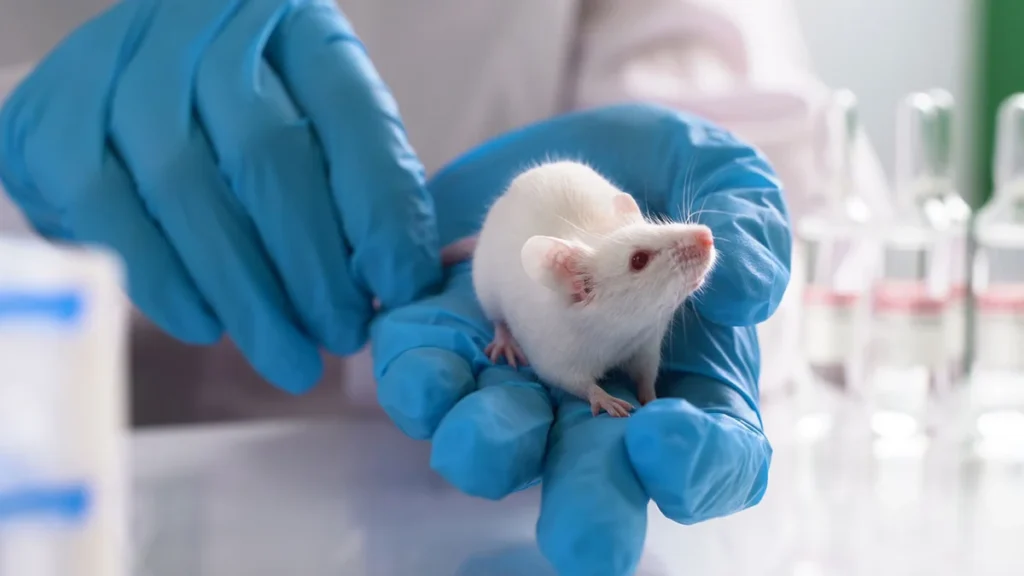
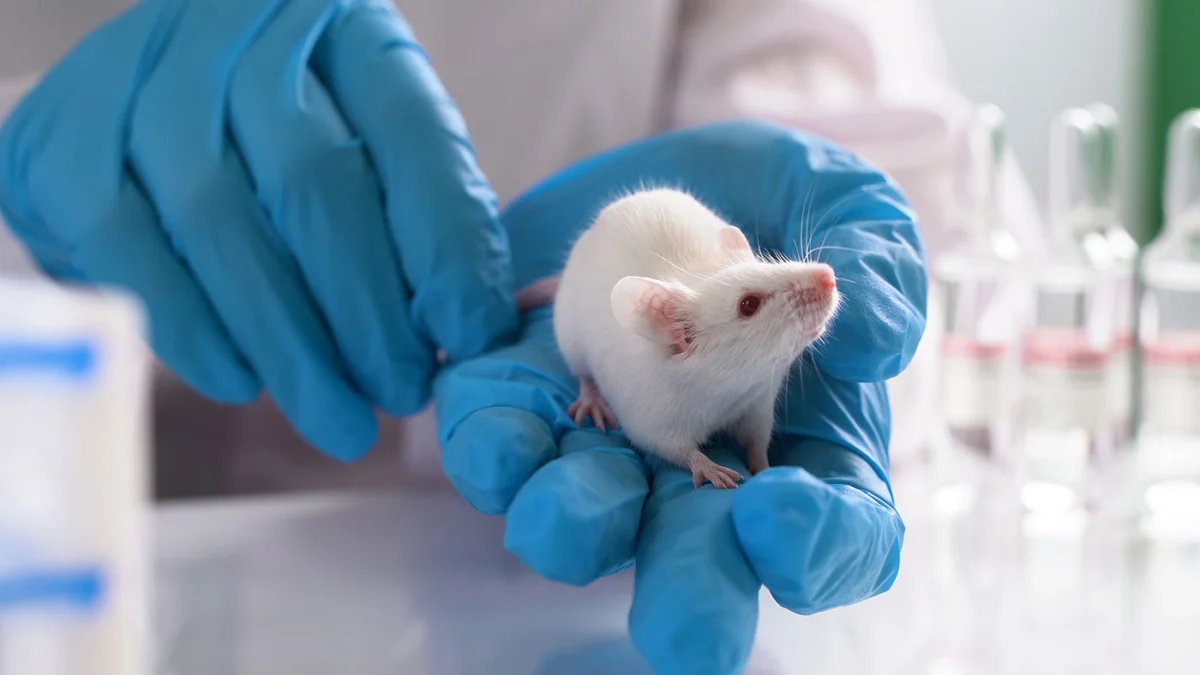
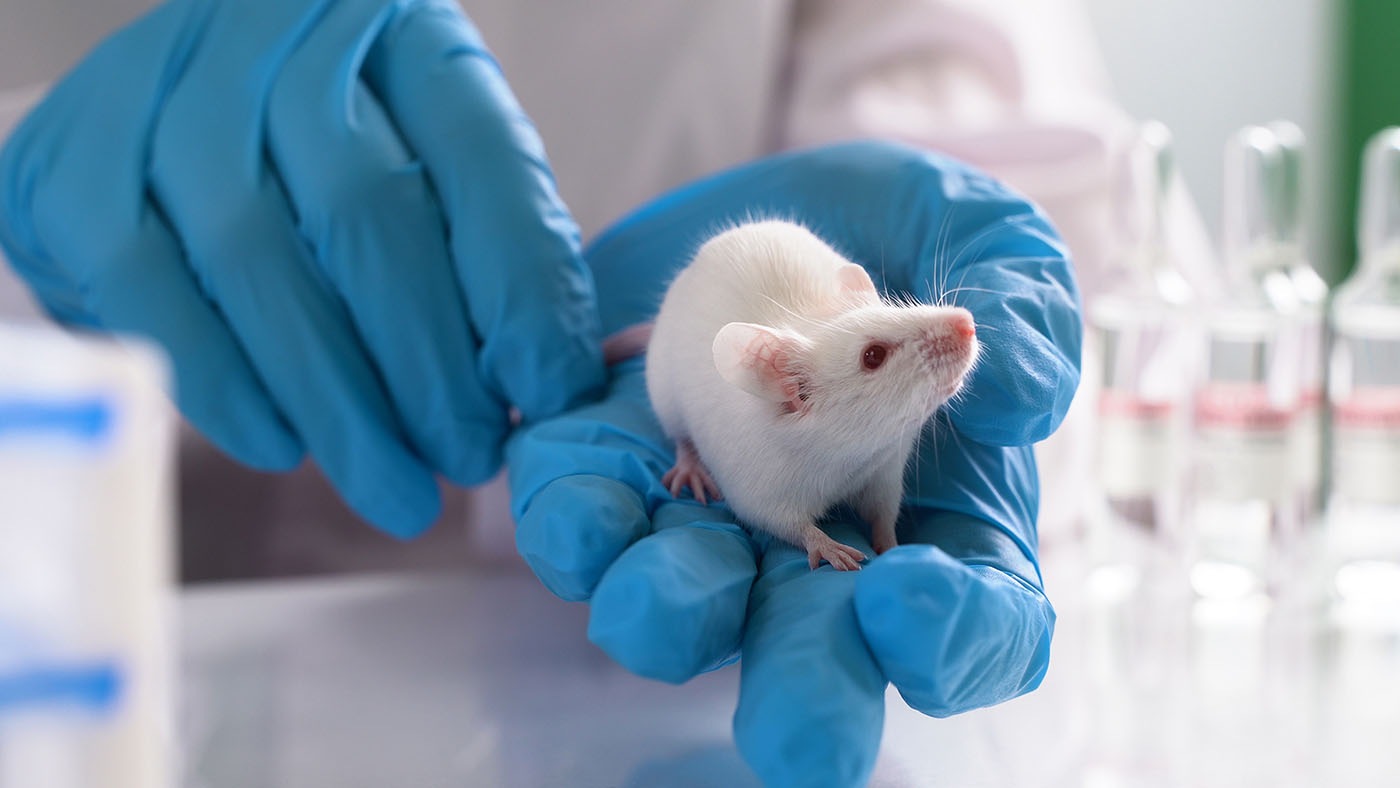
- Gnotobiotic Modeling: The team utilized gnotobiotic mouse models—mice with a defined, sterile gut microbiome—to ensure that any observed changes in inflammation were directly attributable to the interaction between the phages and the targeted bacteria.
- The Intervention: The researchers introduced the HER259 phage to the colonized mice. They observed a significant reduction in gut inflammation, confirming that the phage successfully inhibited the bacteria’s ability to adhere to the gut lining.
- Reversion Testing: In a critical validation step, the researchers withdrew the phage treatment. As predicted, the fimS promoter reverted to its active state, the bacteria regained their "grappling hooks," and the mice experienced a reactivation of colitis. This confirmed that the phage was not just killing the bacteria, but actively regulating its virulent phenotype.
- Combination Therapy: Finally, the team tested the phage in conjunction with budesonide, a common corticosteroid. The results were striking: the addition of the phage allowed for a lower-than-standard dose of the drug to achieve the same therapeutic benefits as a high dose, suggesting a synergistic effect.
Supporting Data: Why Precision Matters
The data presented by the McMaster team is compelling. While traditional antibiotics are non-specific, often "nuking" the entire gut ecosystem, the phage-based intervention maintains the delicate balance of the microbiome.
- Clinical Relevance: The team noted that changes in the gut microbiota composition often precede the clinical onset of Crohn’s disease by up to five years. By targeting the microbial drivers early, there is potential for preventative or early-stage intervention.
- Synergy with Corticosteroids: This study marks the first reported instance of a positive collaboration between a phage and a non-antibiotic drug. By enhancing the effectiveness of budesonide, researchers believe they can reduce the long-term dependency on high-dose steroids, thereby mitigating the risk of systemic side effects like bone density loss and metabolic disruptions.
- Genetic Control: The study confirmed that the fimS promoter inversion is the key to the bacteria’s virulence. By measuring this specific bacterial function in patient stool samples, clinicians may eventually be able to identify which individuals are the best candidates for phage therapy.
Official Perspectives and Implications
The scientific community has closely followed the progress of phage therapy, particularly as antibiotic resistance becomes a global crisis. The McMaster study, titled "Phage intervention improves colitis and response to corticosteroids by attenuating virulence of Crohn’s-associated bacteria," provides a roadmap for the future of personalized IBD treatment.
"By reducing bacterial virulence mechanisms without substantially disrupting microbial balance, phage-based treatments align with personalized microbial therapeutics in IBD," the authors noted in their report.
A New Paradigm in Personalized Medicine
The implications of this study extend far beyond Crohn’s disease. If a specific "harmful bacterial function" can be identified in a patient, a tailored phage cocktail could be prescribed to "switch off" that function.
"This is what personalized medicine should look like: matching the right biological tool to the right patient," says Dr. Hosseinidoust.
However, the team remains cautious and pragmatic. The current findings, while promising, are based on animal models. The next logical step involves expanding the research to include a broader collection of bacterial strains isolated from a diverse range of IBD patients. Furthermore, the development of "phage cocktails"—mixtures of different phages that can target multiple strains of AIEC—will be necessary to ensure the treatment is effective across a wider patient population.
Challenges and Future Directions
Despite the excitement, the path to clinical application is paved with regulatory and biological hurdles.
1. Variability of the Microbiome:
The human gut is far more complex than the gnotobiotic models used in the study. Factors such as diet, medication history, and genetics all influence how a patient’s microbiome will react to the introduction of exogenous phages.
2. Delivery Systems:
Ensuring that the phages reach the target site in the distal gut in sufficient concentrations remains a technical challenge. Researchers are currently investigating encapsulated delivery systems that can withstand the acidic environment of the stomach to ensure the "active ingredient" reaches the colon intact.
3. Regulatory Pathways:
Because phages are living biological entities that evolve, they do not fit neatly into the traditional pharmaceutical regulatory framework designed for static chemical molecules. The FDA and other global regulatory bodies are still establishing the criteria for safety and efficacy trials for phage-based products.
4. Clinical Trials:
The McMaster team points out that there are already active clinical trials (such as NCT04737876 and NCT03808103) investigating phage cocktails for IBD. These trials are currently in the evaluation phase, looking at the safety and potential for "recolonization" or long-term suppression of inflammatory taxa.
Conclusion: A Turning Point
The research from McMaster University represents a significant shift in how we view the gut microbiome. We are moving away from the era of "scorched earth" treatments that aim to kill everything in sight, toward an era of precise, surgical intervention. By viewing bacteria not as static enemies to be eliminated, but as complex biological actors whose behaviors can be modulated, scientists are opening doors to therapies that are safer, more effective, and profoundly personalized.
As the team prepares for their next phase of research—evaluating broader bacterial collections and refining their phage combinations—the prospect of a world where Crohn’s disease can be managed through gentle, targeted, and sustainable microbial "tuning" looks increasingly like a tangible reality. The "lock-and-key" approach of bacteriophages may well prove to be the master key to unlocking long-term remission for millions.