Reloading the Genre: A Deep Dive into Halfbrick Studios’ Latest Dungeon Crawler, Guncrypt
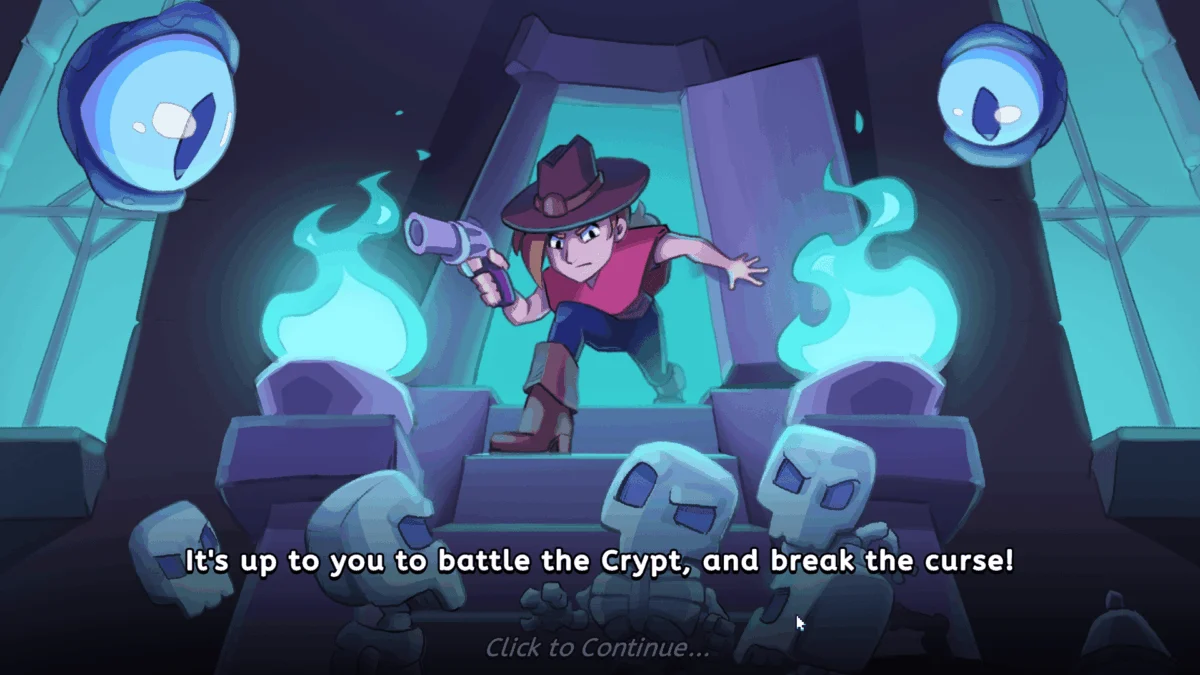
The landscape of the rogue-like dungeon crawler is a crowded one, often defined by the familiar pursuit of legendary loot, stat-padding gear, and ever-increasing character levels. However, Halfbrick Studios—the legendary team behind mobile staples like Fruit Ninja, Jetpack Joyride, and Dan the Man—is looking to disrupt this formula with their latest project: Guncrypt.
Moving away from the traditional "grind for gear" loop, Guncrypt introduces a cerebral, rhythmic approach to combat. In this world, survival isn’t determined by the rarity of your sword or the defense stats of your armor, but by the strategic sequence of your ammunition. It is a game of ballistic puzzle-solving, where the player is invited to master the art of the loadout, turning every encounter into a complex dance of preparation and execution.
The Core Concept: Ballistics as a Puzzle
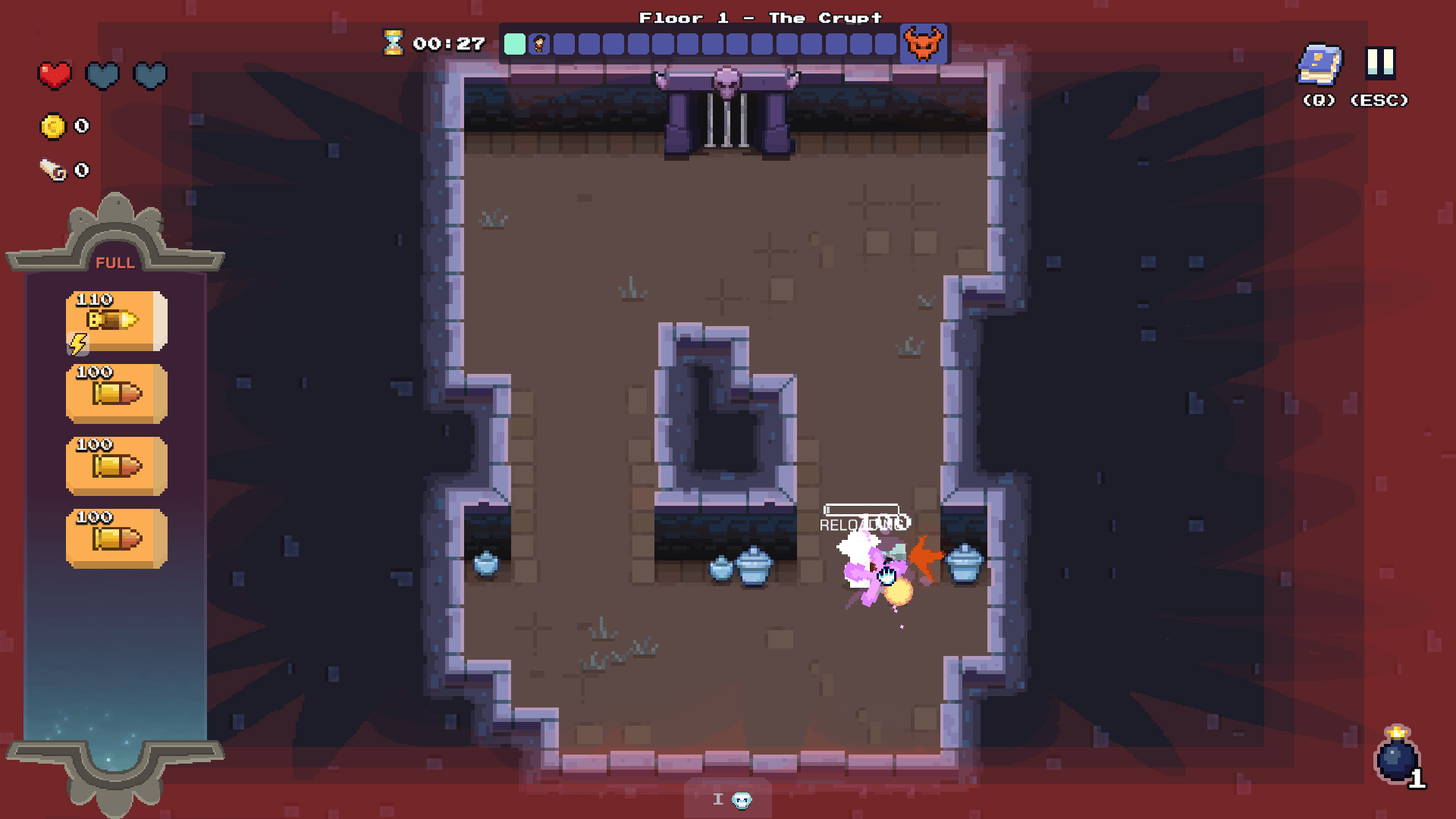
At the heart of Guncrypt lies a deceptively simple premise: you do not find better guns; you find better ways to organize the bullets you have. The game features a robust system involving three primary weapons, over 60 distinct bullet types, and 80 unique relic types.
The gameplay loop revolves around "sequencing." For example, loading a Corrosive Shot immediately followed by a Heavy Shot yields a drastically different output than the inverse. This mechanic forces players to think ahead. Are you prioritizing armor penetration, elemental damage, or crowd control? Do you fuse two disparate bullet types to create a hybrid effect, or do you maintain a consistent stream of fire?

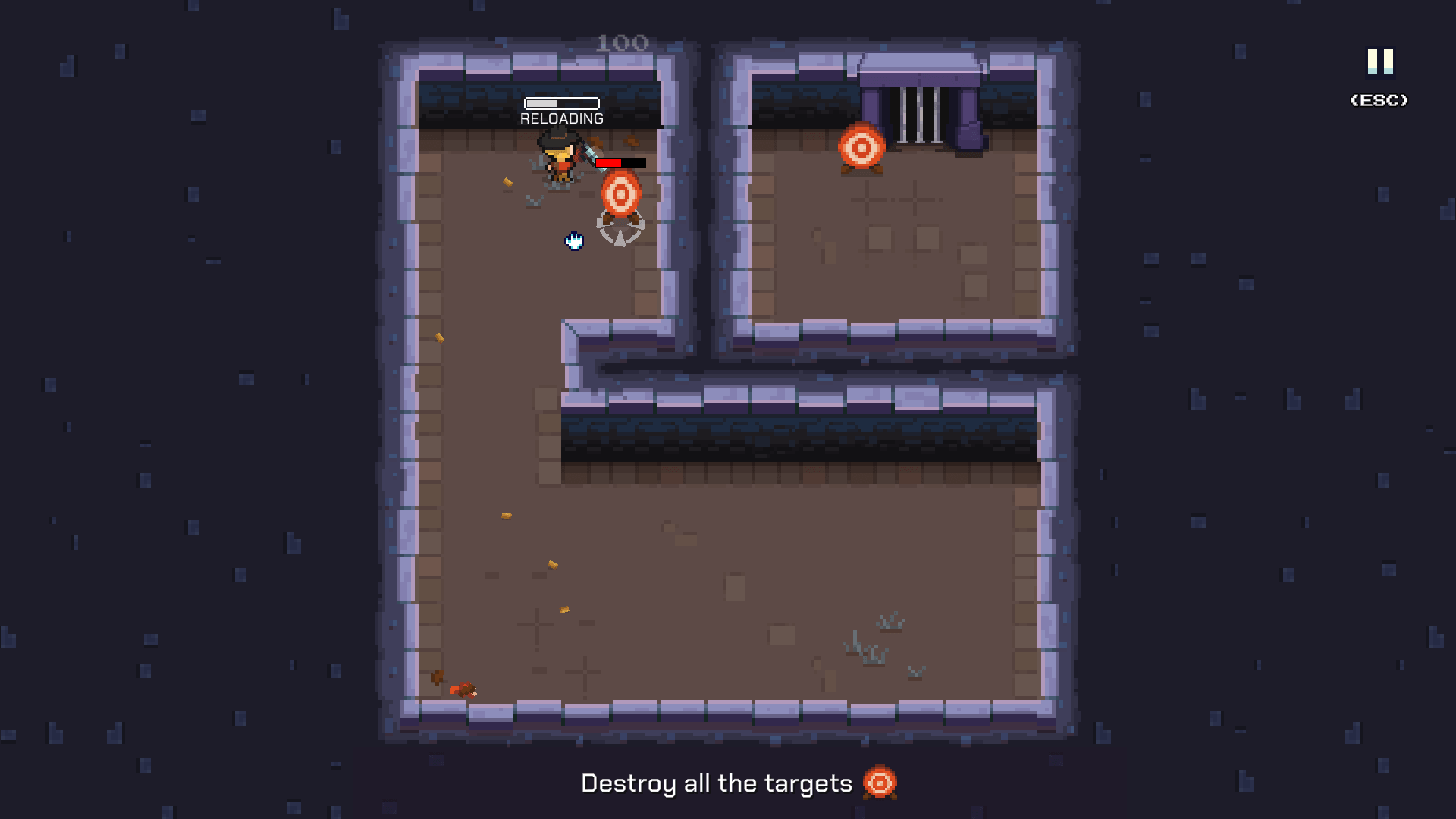
Between rooms, players are granted the freedom to rearrange their magazine entirely. This tactical layer transforms the genre from a reflex-heavy test of endurance into a strategic puzzle where the environment, enemy types, and your own ammunition sequence must harmonize.
Chronology of Development and Public Reception
The journey of Guncrypt began as an experimental endeavor within Halfbrick, aiming to marry the chaotic intensity of a bullet-hell game with the deliberate pace of a deck-builder. Since its announcement, the project has garnered significant attention from the indie gaming community, particularly for its unique visual aesthetic and promise of deep, systemic gameplay.
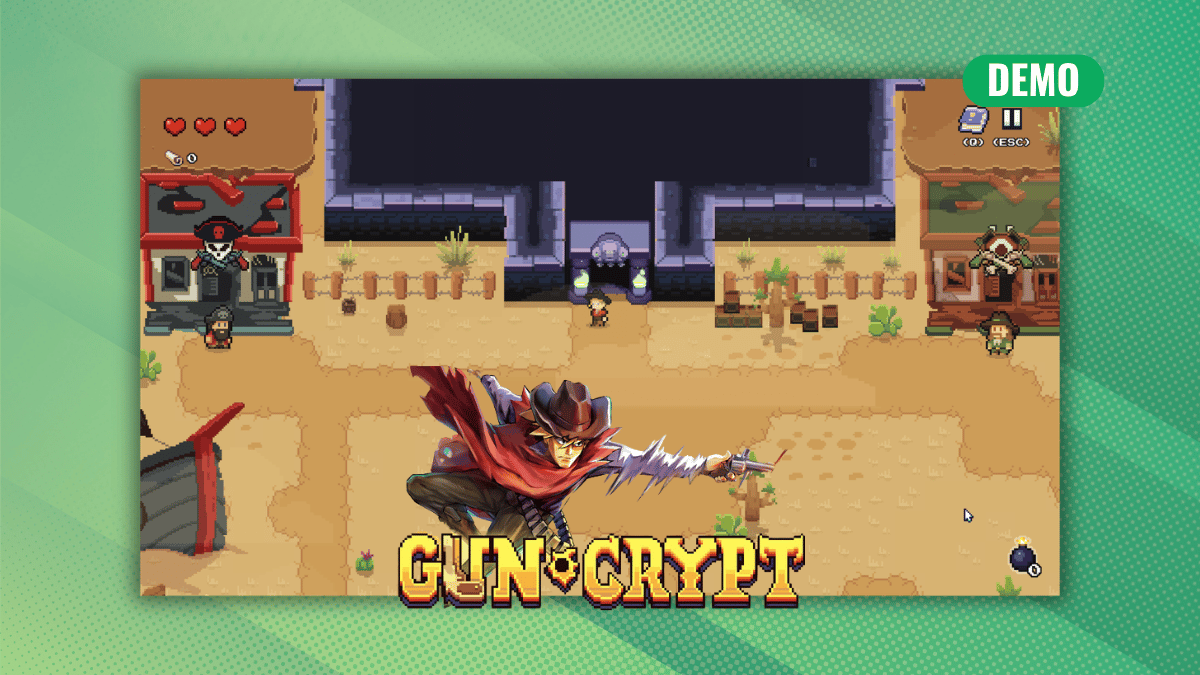
Recent playtests and the release of a public demo have solidified the game’s reputation. Players have noted the departure from Halfbrick’s mobile-first roots, suggesting a pivot toward more hardcore, PC-centric mechanics. The transition from the studio’s casual origins to a complex, procedurally generated dungeon crawler marks a significant evolution in their development philosophy. As of mid-2026, the game is in the final stages of balancing, with the team actively soliciting feedback from the community to refine the difficulty curves across its four procedurally generated floors.
Technical Performance and Linux Compatibility
For the PC gaming community, the accessibility of a new title is paramount. Initial reports indicate that Guncrypt is exceptionally well-optimized. Testing on platforms like Nobara Linux has demonstrated that the game performs seamlessly through Valve’s Proton layer, requiring no additional configuration or tweaking.
This is a testament to the modern state of gaming on Linux, where Steam Play has effectively bridged the gap for non-native titles. Furthermore, in an official communication to the press, Halfbrick Studios confirmed that they are committed to a native Linux port. While the current demo runs perfectly via compatibility layers, the promise of a native build—slated for post-launch—highlights the studio’s commitment to the broader desktop ecosystem.
Narrative and World-Building: The Curse of Guncrypt
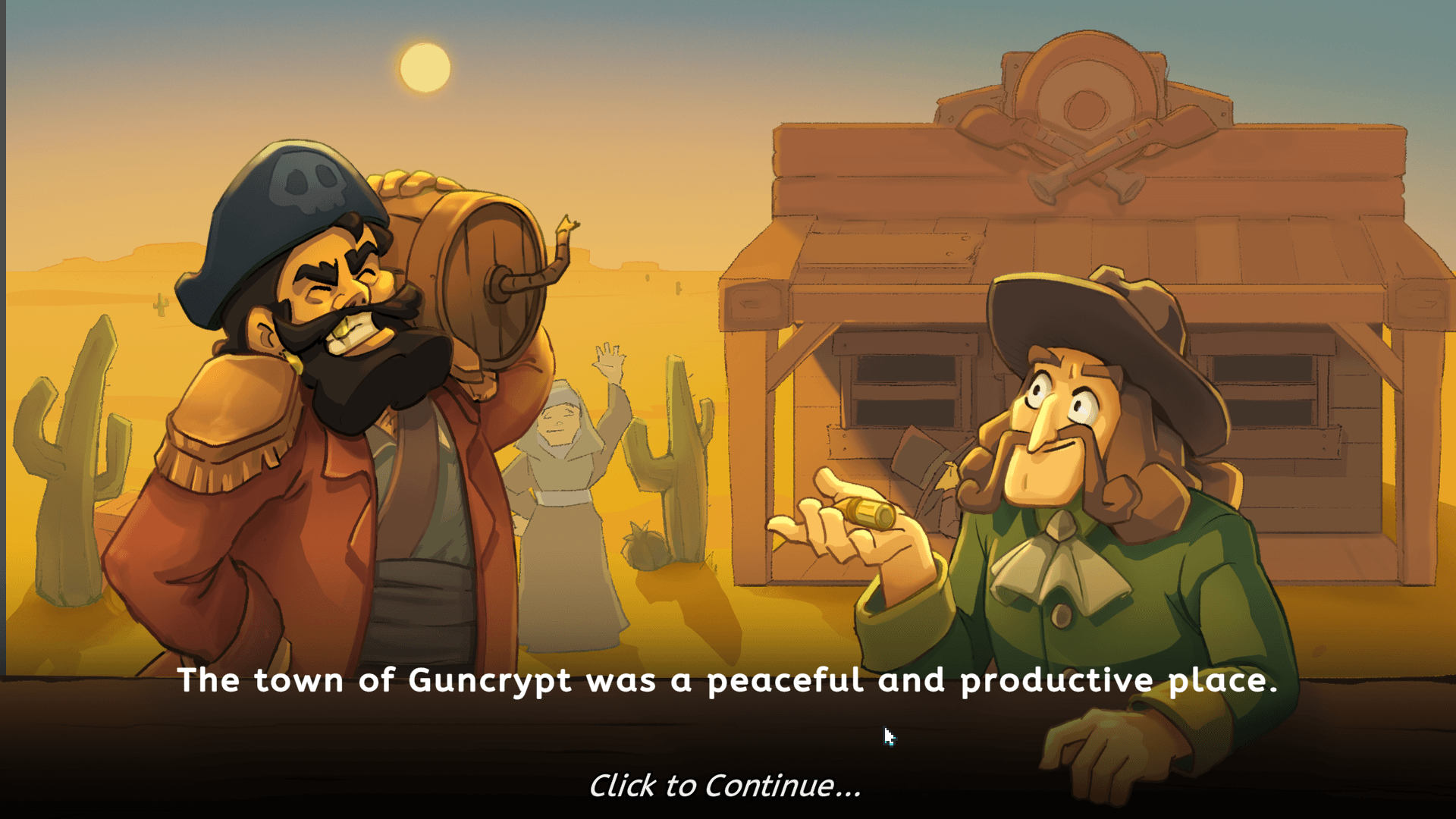
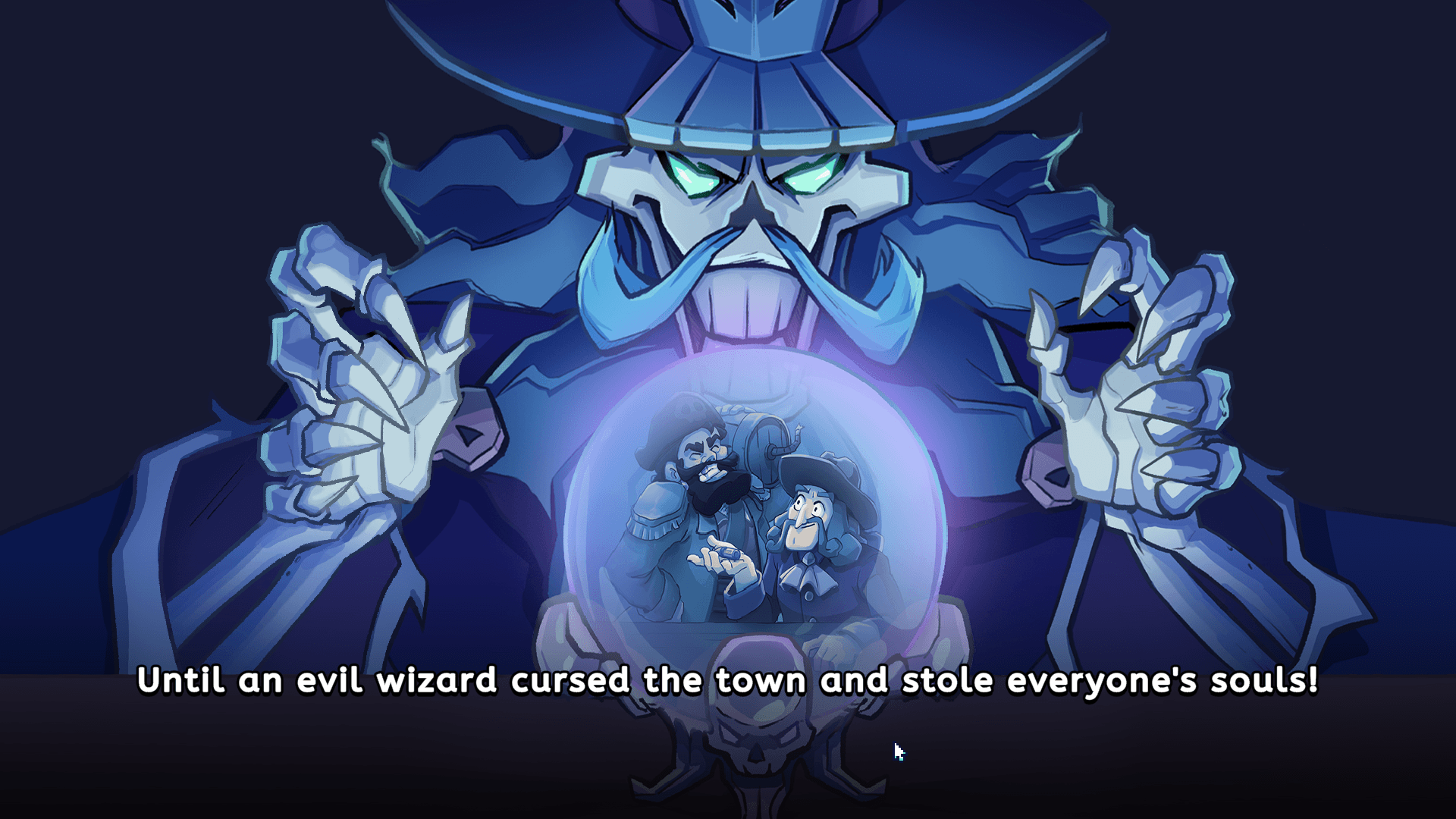
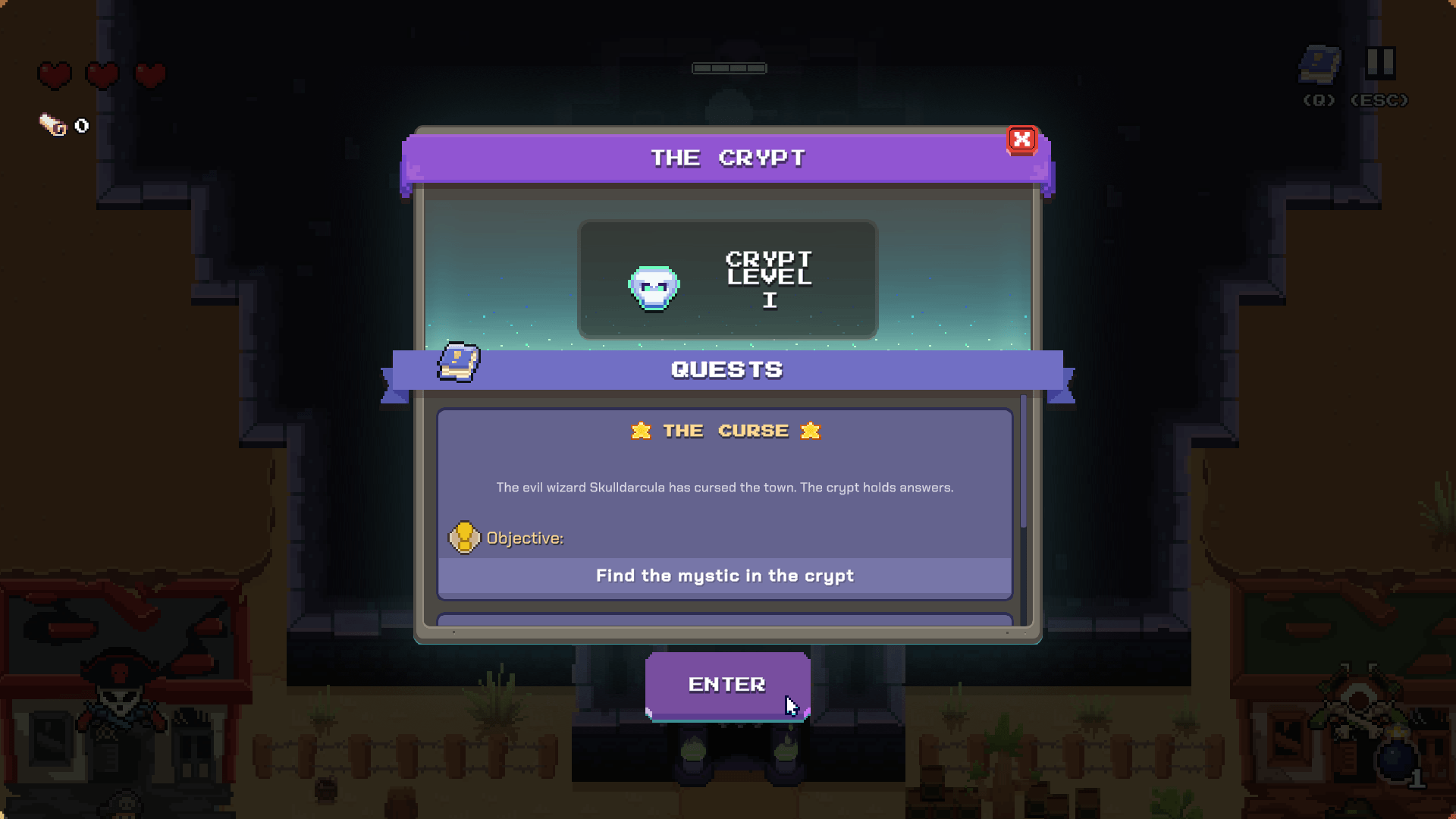
The game’s narrative serves as the stage for its intense combat encounters. The town of Guncrypt, once a prosperous and peaceful settlement, has been plunged into despair by an antagonistic wizard. The curse has not only stolen the souls of the citizenry but has left the remaining inhabitants in a state of political and social paralysis, bickering among themselves while their world crumbles.
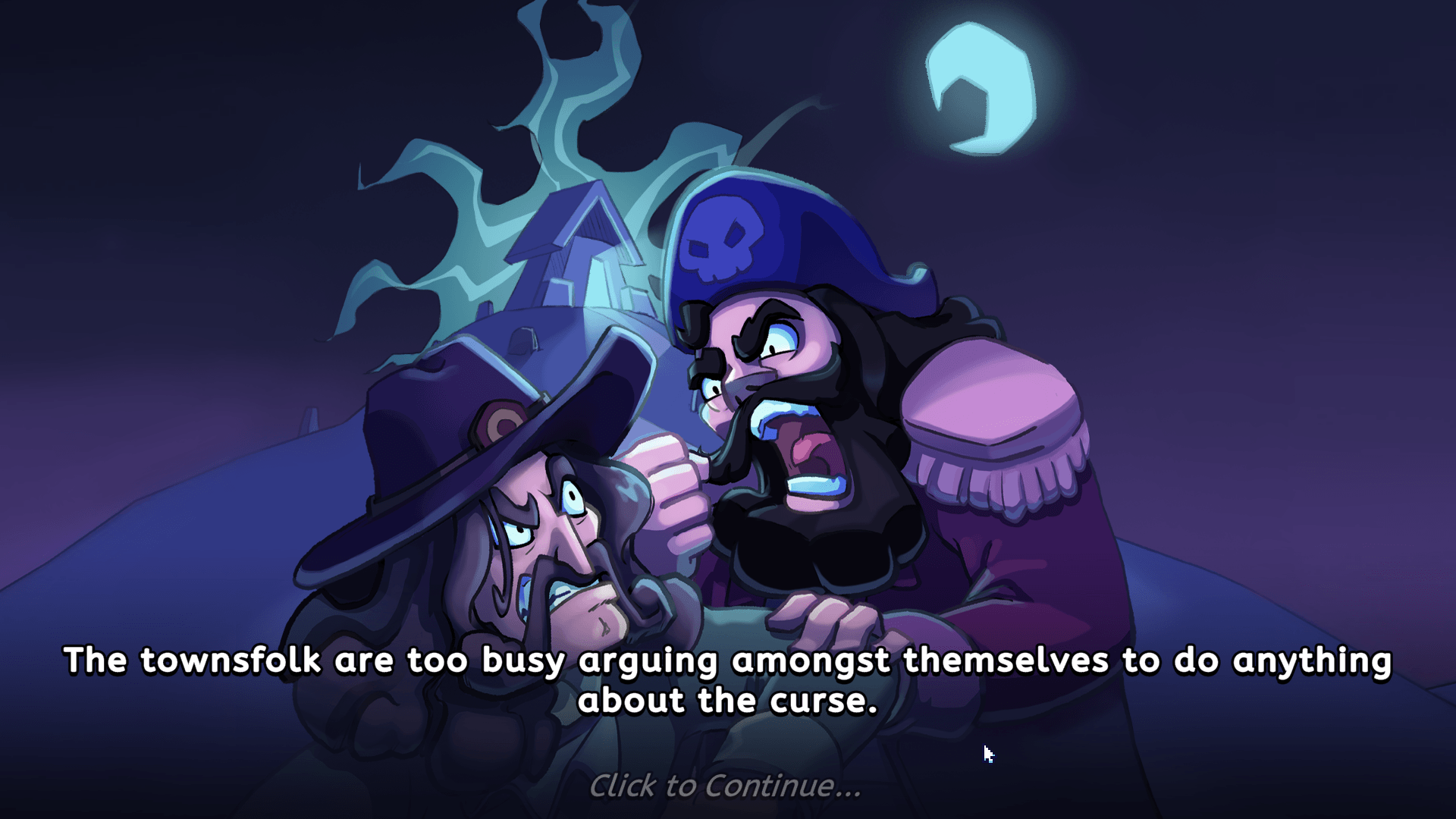
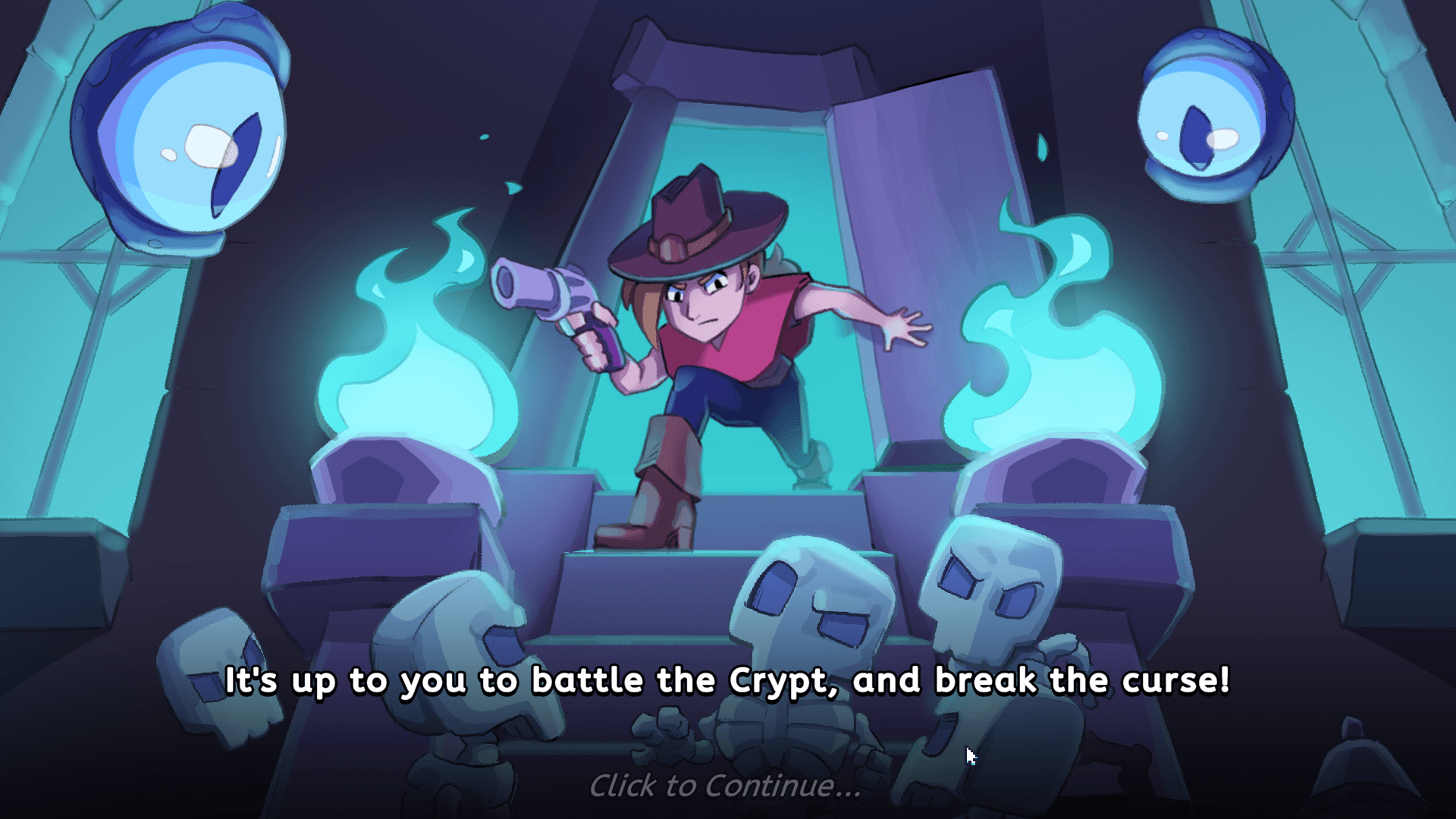
This cynical, slightly tongue-in-cheek premise provides the player with a clear objective: delve into the crypts, defeat the hazards and bosses lurking within, and unravel the mystery of the wizard’s curse. The procedural nature of the floors ensures that no two runs are identical, with each level introducing new environmental hazards and enemy configurations that demand different bullet combinations to overcome.
The Role of Tarot Cards and Curse Tiers
To add depth to the rogue-like progression, Guncrypt utilizes a system of Tarot cards. These serve as passive bonuses that players can acquire between runs, allowing for a degree of "build crafting" that persists across attempts. Whether you are seeking increased reload speed, enhanced elemental synergy, or better resource management, the Tarot cards provide the necessary customization to overcome the game’s higher difficulty tiers.
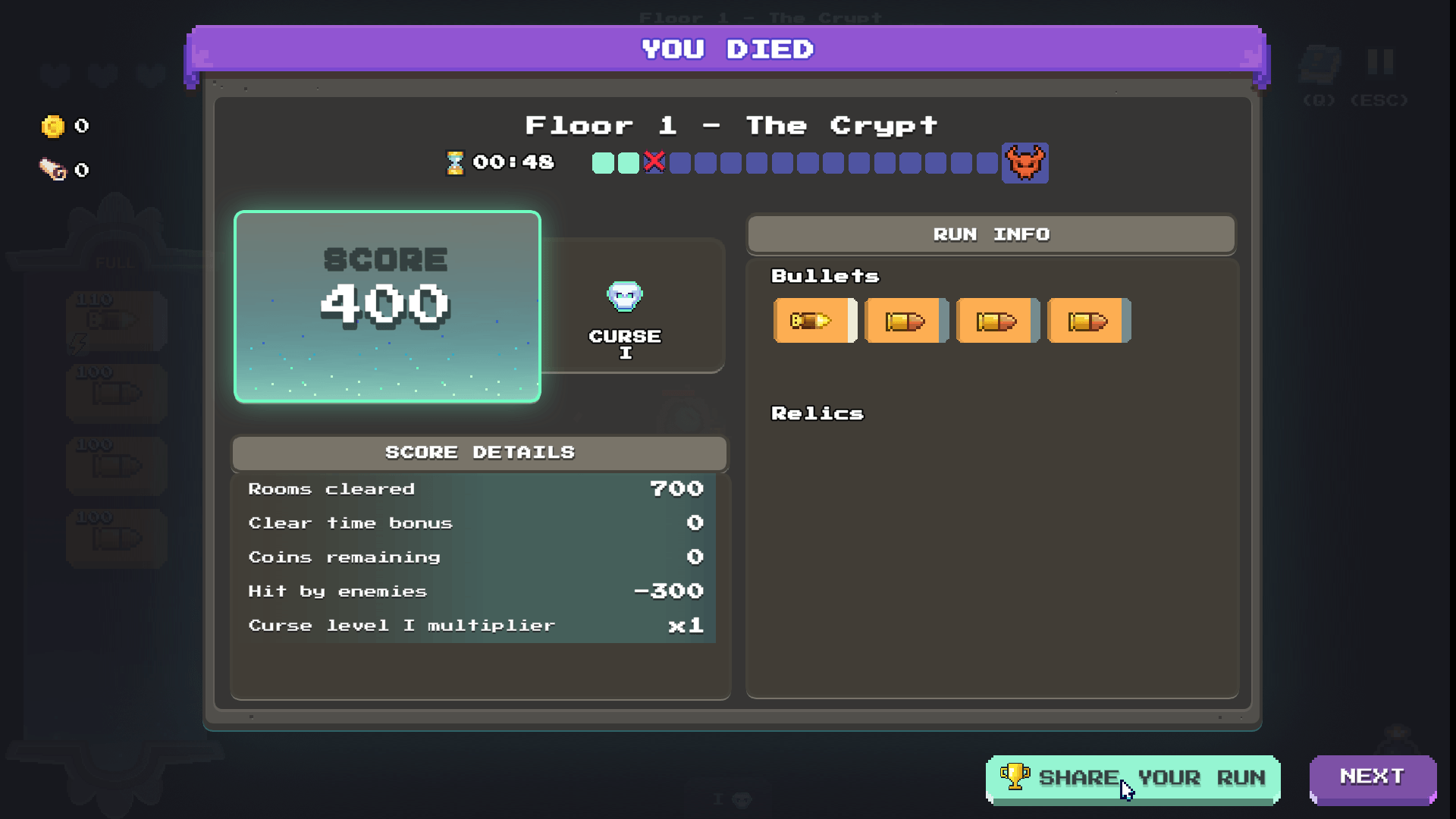
For the masochists, the "Curse Level" system introduces five distinct tiers of challenge. Once a run begins to feel manageable, players can choose to escalate the difficulty, increasing both the rewards and the lethality of the enemies. This ensures that the game remains engaging for both newcomers to the genre and veteran players looking for a true test of their tactical foresight.
Implications for the Rogue-like Genre
Guncrypt arrives at a time when the rogue-like genre is beginning to feel somewhat saturated with similar "action-heavy" titles. By shifting the focus toward the "loading phase" of combat, Halfbrick is attempting to reclaim the tactical roots of the genre.
The implications for developers are clear: innovation in the rogue-like space doesn’t necessarily require a larger map or more complex graphics. Instead, it requires a tighter, more inventive interaction between existing mechanics. By treating the ammunition not as a resource, but as a component of a larger machine, Halfbrick has created a "mechanical loop" that is both easy to learn and incredibly difficult to master.
Official Responses and Future Outlook
As of mid-2026, Halfbrick Studios has maintained a measured approach regarding the official release date and pricing. Their focus remains squarely on the user experience and ensuring the "feel" of the bullet-loading mechanics is perfect.
"We wanted to make something that rewarded the player for thinking, not just clicking," a representative from the studio hinted in a recent update. "The response to the demo has been overwhelming, and it has given us the data we need to finalize the balance for the full release."
The community has been particularly vocal about the game’s control scheme. Moving away from standard WASD movement to a click-and-drag interface has been a point of debate, with many players noting that while it presents a learning curve, it ultimately feels more natural for a game that relies so heavily on precise aiming and inventory management.
Conclusion: A New Standard for Tactical Shooters?
Guncrypt stands out as an intriguing experiment in game design. It takes the frantic energy of a shooter and forces it to coexist with the slow, deliberate pace of a puzzle game. For fans of Halfbrick Studios, it represents a bold step into more complex territory. For fans of the rogue-like genre, it offers a fresh, much-needed perspective on combat mechanics.
With a native Linux version on the horizon and a robust demo already available for those eager to jump into the fray, Guncrypt is undoubtedly one of the most anticipated titles for the remainder of the year. Whether you are a fan of Fruit Ninja looking for a change of pace, or a hardcore dungeon crawler enthusiast looking for the next mechanical challenge, Guncrypt is a game that demands your attention—and your precise, calculated aim.
As we await an official launch date, the current demo provides a compelling slice of the final product. It is a reminder that in the world of game development, the best way to innovate is often to look at the smallest detail—in this case, the single bullet—and ask what else it can do.