Samsung’s Flex Titanium Era: Redefining Durability and the "Crease-Free" Future of Foldables

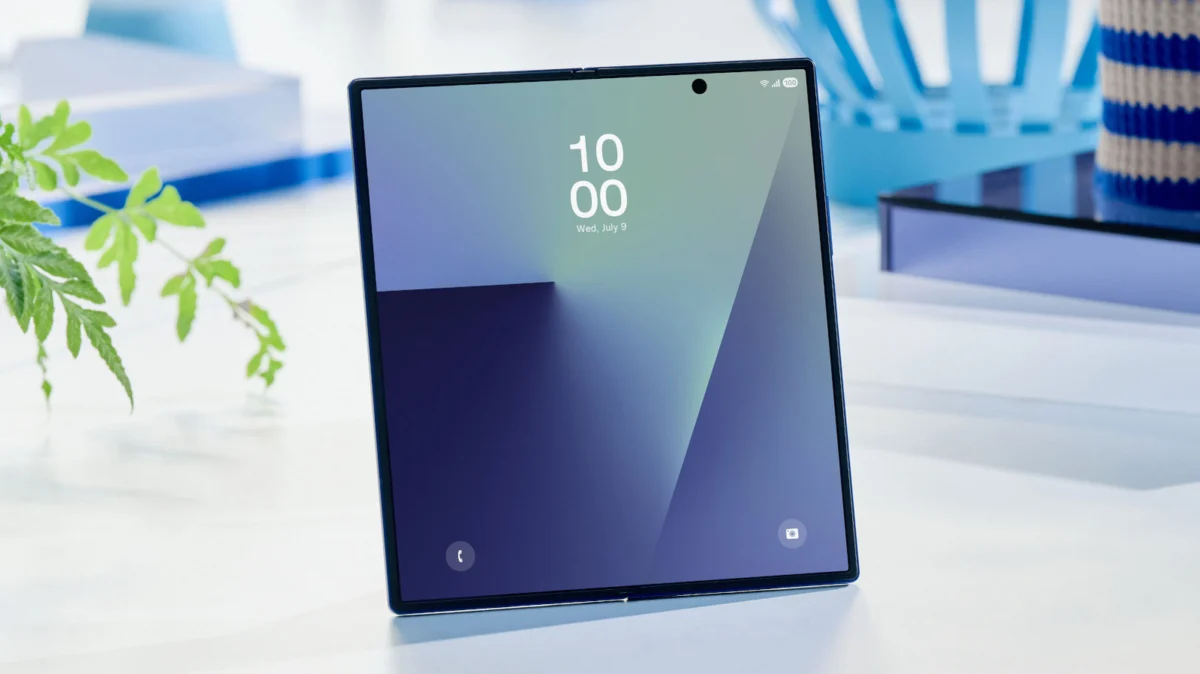
As the global smartphone market reaches a plateau of incremental upgrades, Samsung is betting its future on a radical evolution of its flagship hardware. With the upcoming Galaxy Unpacked event scheduled for July 22, the tech giant has officially pulled back the curtain on its "Flex Titanium" display technology. This announcement marks a critical juncture in the maturation of foldable devices, promising to address the two most persistent consumer complaints: structural fragility and the unsightly center crease.
By integrating aerospace-grade material science with advanced manufacturing processes, Samsung aims to move beyond the experimental phase of foldables and into a new era of mainstream durability.
Main Facts: The Anatomy of Flex Titanium
The core of Samsung’s latest innovation lies in a dual-component architecture designed to reinforce the delicate OLED panel without sacrificing the kinetic freedom required for a folding form factor. According to Samsung Display, this new configuration is the culmination of "seven generations of foldable innovation."
The Titanium Alloy Film
The primary innovation is a specialized titanium alloy film positioned directly beneath the OLED panel. This layer serves as the structural backbone of the screen. By utilizing titanium, Samsung has achieved a 20-fold increase in mechanical stiffness compared to previous iterations. This provides a more robust shield against accidental impacts and daily wear, effectively preventing the screen from "denting" when subjected to pressure from keys, fingernails, or drops.
The Micro-Patterned Titanium Plate
Underneath the alloy film sits a secondary titanium plate. Unlike previous support structures, this plate utilizes advanced "hole processing technology." By introducing micro-patterned holes into the folding axis, Samsung has achieved a delicate balance: the plate provides a rigid, flat surface when the device is fully extended, yet maintains the necessary pliability to fold repeatedly without suffering from metal fatigue. Crucially, this design eliminates the "air gaps" between the module and its adhesive, which historically served as a point of failure for display longevity.
Chronology: From Experimental Prototypes to Mass Production
The journey to Flex Titanium was not an overnight success but a methodical progression of engineering milestones.
- The Early Years (2019–2021): The original Galaxy Fold and Flip models were proof-of-concept devices. They introduced the world to flexible OLED, but suffered from visible creases and concerns regarding the long-term integrity of the hinge and screen surface.
- The Refinement Phase (2022–2024): Samsung shifted its focus to the "waterdrop" hinge mechanism, which allowed devices to close more tightly, reducing the stress on the screen. However, the crease remained a tactile and visual distraction for many power users.
- CES 2026: The Paradigm Shift: At the Consumer Electronics Show earlier this year, Samsung Display demonstrated a "seamless" foldable prototype. This demo was a watershed moment, contrasting a legacy foldable against a new, smooth-screen prototype. The difference was stark: the older model’s crease appeared deep and disruptive, while the new technology rendered the fold almost entirely invisible.
- July 2026: The Imminent Launch: The unveiling of Flex Titanium technology precedes the July 22 Unpacked event by mere days. Leaks, including high-definition videos of the purported Galaxy Z Fold 8 Ultra, have already begun to circulate, reinforcing the company’s claims of a "crease-free" visual experience.
Supporting Data: Why Stiffness Matters
In the world of flexible displays, "stiffness" is often misunderstood. Consumers might assume that a stiffer screen is less flexible, but in engineering terms, mechanical stiffness is essential for preventing the screen from deforming under pressure.
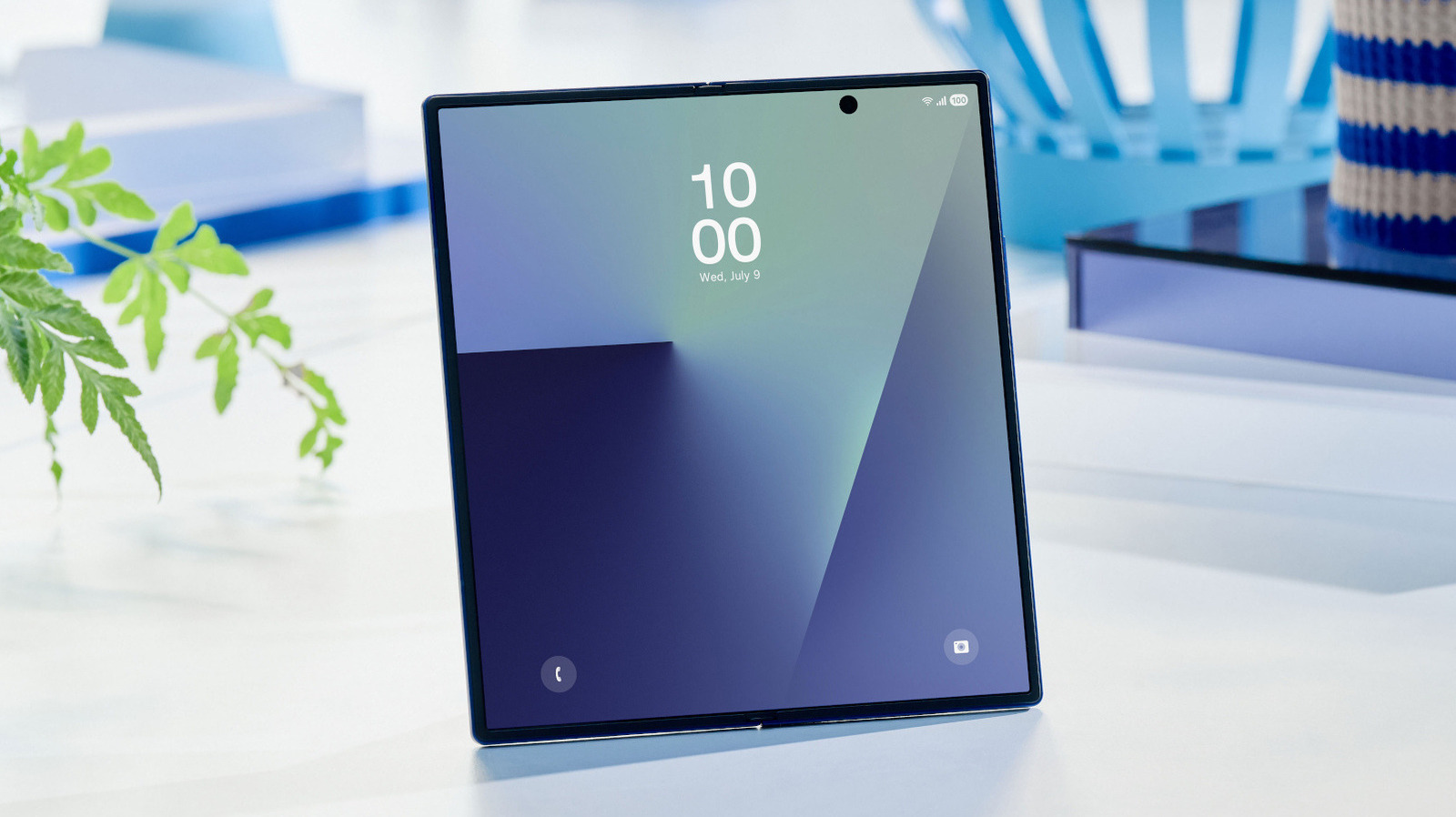
Samsung’s shift to titanium alloy is a calculated response to the material physics of OLED panels. Flexible OLEDs are composed of multiple layers of plastic and conductive polymers. These layers are susceptible to "permanent set"—the tendency of a material to stay deformed once bent or pressed. By layering a 20x stiffer titanium substrate behind the display, Samsung is effectively forcing the OLED layers to return to a perfectly flat state every time the device is opened.
Furthermore, the elimination of air gaps through hole-processing technology is a major win for thermal management and screen longevity. Air gaps often trap moisture and dust; by sealing the structure, Samsung is likely to see a significant reduction in long-term failure rates related to screen bubbling or pixel degradation.
Official Responses: Engineering the "Impossible"
Kyung-Jin Yoo, Executive Vice President for Samsung Display, emphasized the precision required to achieve this breakthrough. "By creating a structure that is both rigid and flexible, we have managed to solve the fundamental conflict of foldable engineering," Yoo stated in a recent press release.
The strategy is clear: Samsung is positioning itself as the only manufacturer capable of delivering "premium" durability. While competitors have entered the foldable market with cheaper alternatives, Samsung is leaning into its R&D budget to maintain a technological lead. The "Flex Titanium" branding is not merely marketing; it is a signal to the market that the era of "fragile" foldables is coming to an end.
Industry analysts have noted that this move is a direct response to rising competition from Chinese manufacturers. By elevating the standard of the "crease," Samsung is forcing competitors to invest heavily in their own display manufacturing, effectively raising the barrier to entry for the foldable smartphone market.
Implications: What This Means for the Consumer
The implications of these advancements are profound for the smartphone ecosystem.
The End of the "Crease Anxiety"
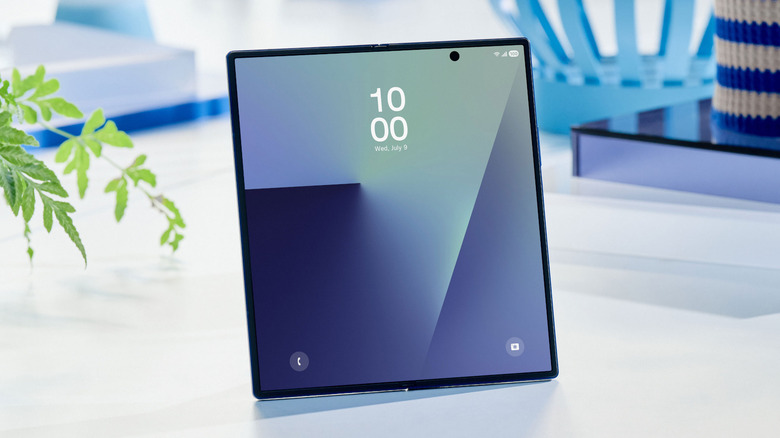
For many, the physical crease in the center of a foldable screen has been a psychological deterrent to purchase. It serves as a constant reminder that the device is, in essence, a "compromised" form factor. If the Galaxy Z Fold 8 and Flip 8 deliver on the promise of an invisible crease, it will remove one of the final remaining barriers to mass-market adoption.
Durability as a Selling Point
The move toward titanium isn’t just about the screen; it mirrors the recent industry trend—seen in devices like the iPhone 15 Pro and the Galaxy S24 Ultra—of utilizing premium metals to build consumer trust. By marketing the display as "harder to damage," Samsung is positioning its foldables as daily drivers that can withstand the rigors of a hectic lifestyle, rather than delicate tech toys meant for enthusiasts.
The Future of Form Factors
If Samsung successfully implements Flex Titanium across its entire lineup, we may see this technology trickle down to other form factors. We could eventually see rollable displays, larger multi-folding screens, or even automotive dashboard displays that utilize this same hole-processed titanium plate technology.
Market Impact
The July 22 Unpacked event will serve as the litmus test for these claims. If the devices on stage demonstrate the same "seamless" experience seen in the CES prototypes, Samsung will likely cement its position as the undisputed leader in foldable technology for the remainder of the decade. Conversely, if the creases are still noticeable, the company will face increased scrutiny from tech reviewers and investors alike.
Conclusion: A New Standard
Samsung’s introduction of Flex Titanium technology represents a significant leap forward in mobile engineering. By prioritizing structural integrity and visual smoothness, the company is addressing the core criticisms that have plagued the foldable category since its inception.
As we approach the July 22 Unpacked event, the narrative is clear: Samsung is no longer just trying to make phones that fold. They are trying to make foldables that feel indistinguishable from the rigid, premium flagships users have relied on for years. Whether or not they have fully succeeded will be determined by the hands of users and the scrutiny of experts, but one thing is certain—the foldable display has never been more durable, and the future of the screen has never looked quite this flat.