The Apple Spring Offensive: A Deep Dive into the 2027 Hardware Roadmap
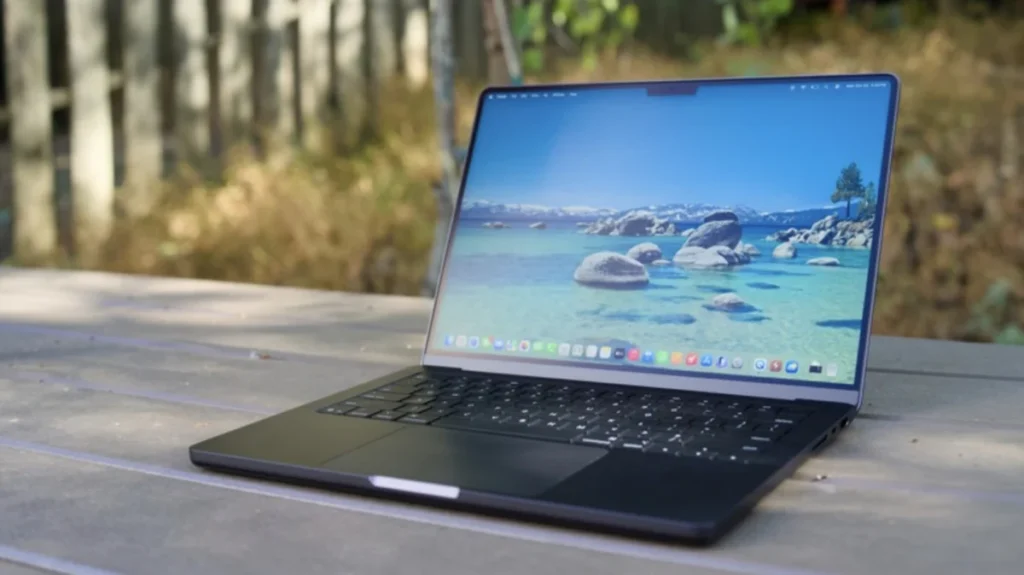
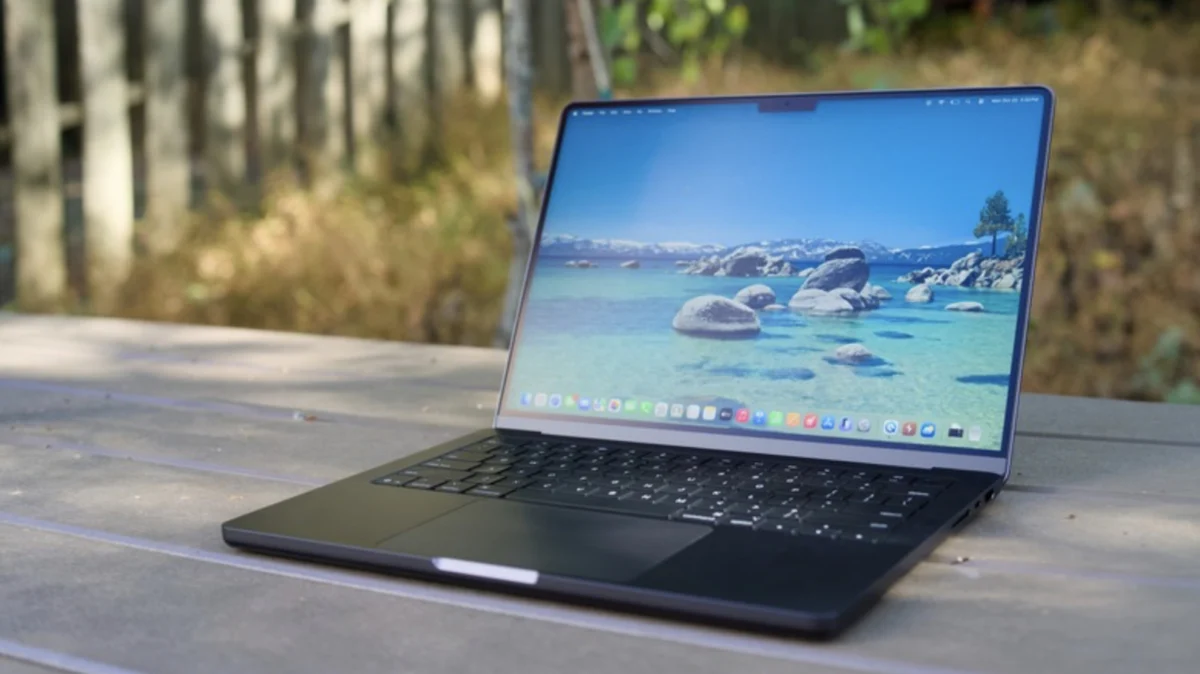
As the tech industry settles into the rhythm of the post-AI-integration era, Apple appears to be orchestrating a massive hardware refresh for the first half of 2027. If recent reports from industry insiders hold true, the company is preparing to lean heavily into its "Spring Offensive"—a strategy that increasingly positions the first two quarters of the year as a critical window for consumer hardware innovation.
From a radical redesign of the entry-level MacBook Pro to the long-rumored arrival of the touchscreen interface, Apple’s roadmap for the next 12 months is as ambitious as it is transformative.
The Core Developments: A Visual and Technical Overhaul
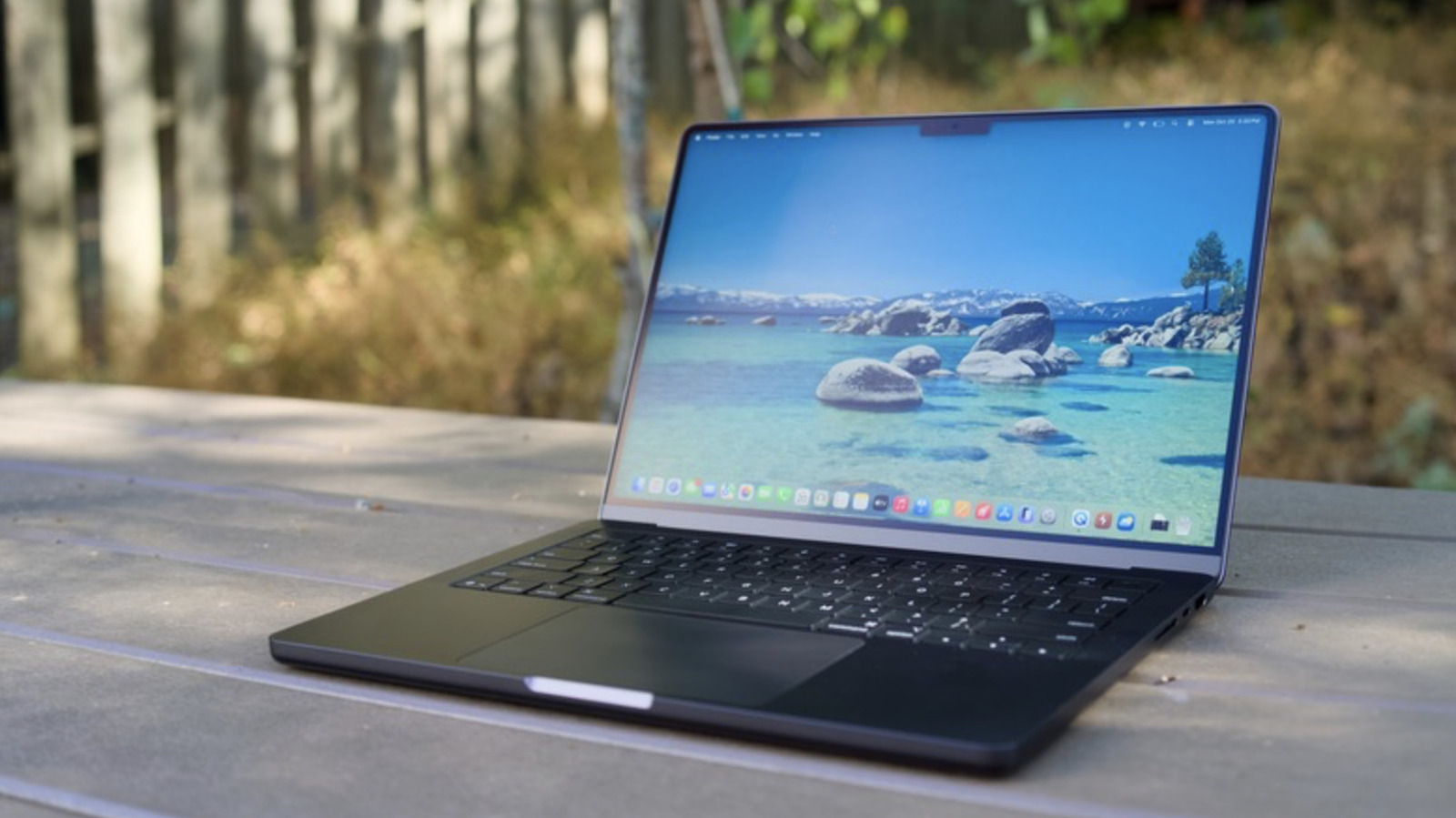
According to the latest intelligence reported by Mark Gurman, Apple is planning a comprehensive design overhaul for its entry-level 14-inch MacBook Pro, slated for release in the first half of 2027. This isn’t merely a spec-bump; it represents a strategic alignment of the entry-level tier with the design language of Apple’s premium Pro and Max-series machines.
The Entry-Level MacBook Pro Redesign
For years, the "base" MacBook Pro has occupied a unique, albeit sometimes confusing, position in Apple’s lineup. By adopting the aesthetic and chassis design of the high-end machines—which are expected to debut in the fall of 2026—Apple is signaling a move toward a more unified hardware identity. This shift is likely to include thinner bezels, refined chassis materials, and potentially the integration of a display technology that mirrors the more expensive models, closing the gap between the budget-conscious professional and the power user.
The Touchscreen Frontier
Perhaps the most significant development is the confirmation that Apple is moving forward with its plans for a touchscreen MacBook. Long dismissed by late founder Steve Jobs as an ergonomic "non-starter," the project has gained momentum under the M6 silicon generation. This shift marks a fundamental change in Apple’s philosophy regarding user interaction. By bridging the gap between iPadOS and macOS, Apple is clearly positioning its laptops as a hybrid destination for both creative workflows and intuitive, touch-based navigation.
Chronology: The Road to 2027
To understand why this spring is shaping up to be a historic period for Apple, we must examine the company’s shift in release scheduling.
- Spring 2026: Apple signaled a shift in strategy by launching the "MacBook Neo," the iPhone 17e, and updated iPads in a single, condensed week of announcements. This served as a proof-of-concept for a "spring event" model that could rival the traditional fall iPhone launch.
- Late 2026: The expected debut of the M6-powered premium MacBook Pro and "Ultra" variants, setting the visual design standard for the next two years.
- Q1-Q2 2027: The anticipated release window for the entry-level MacBook Pro overhaul, new iPad Pro models, and the iPhone 18 series.
- Future Outlook: The potential transition to M7 silicon, bypassing the traditional "Pro" and "Max" naming conventions, suggesting a radical departure in chip architecture naming or capability.
Supporting Data: Why the Hardware Pivot Matters
The decision to refresh the entry-level MacBook Pro is driven by data regarding consumer behavior. Market analysis shows that the "entry-level" segment of the professional market is the most saturated, yet users are increasingly holding onto their devices for longer periods (4–6 years). By introducing a significant visual refresh, Apple is attempting to shorten the replacement cycle by offering a product that looks and feels distinct from the hardware released in 2023 or 2024.
Furthermore, the focus on the 11-inch and 13-inch iPad Pro remains a cornerstone of the company’s tablet strategy. By keeping these sizes, Apple is maintaining the "Pro" workflow ecosystem—keyboards, cases, and software optimizations—while focusing internal development on performance metrics like battery efficiency and neural processing capabilities.
Official Responses and Industry Context
Apple, true to its corporate culture, has maintained a policy of silence regarding unannounced products. No official press releases or statements have been issued regarding the 2027 lineup. However, analysts point to the company’s recent patent filings and supply chain logistics as clear indicators of these trajectories.
The shift toward M7 silicon—a jump that would effectively skip the "M6 Pro/Max" branding—suggests a leap in manufacturing capability. Industry observers believe that Apple’s reliance on TSMC’s next-generation nodes is allowing them to iterate faster than the traditional 18-month cycle. If Apple successfully pivots to M7 by next spring, it would represent the most aggressive silicon rollout in the company’s history.
Strategic Implications: What This Means for the Market
1. The Death of the "Budget" Stigma
By bringing premium design elements to the entry-level MacBook Pro, Apple is effectively erasing the "budget" stigma. Consumers will no longer feel they are sacrificing design or build quality for a lower price point. This commoditization of high-end design is a direct threat to Windows-based OEMs, who have long relied on the "premium look" as a differentiator for their mid-range laptops.
2. The Convergence of macOS and iPadOS
The introduction of a touchscreen MacBook is the final piece of a decade-long puzzle. Apple is betting that the user of 2027 wants a seamless transition between a laptop environment and a tablet interface. This convergence will force software developers to reconsider how they build applications for the Apple ecosystem, likely accelerating the development of universal apps that work flawlessly across touch and trackpad inputs.
3. Supply Chain Dominance
By coordinating these releases for the spring, Apple is exerting unprecedented pressure on its supply chain. Managing a simultaneous rollout of new iPhones, iPads, and MacBooks requires a level of coordination that most competitors cannot match. It serves as a deterrent to rivals, effectively "clearing the room" of other major tech announcements during the first half of the year.
Looking Ahead: The iPhone 18 and the "Air" Evolution
Beyond the Mac and iPad, the smartphone front remains equally dynamic. The "iPhone Air" project, which seeks to provide a thinner, more streamlined, and perhaps more affordable entry point into the high-end iPhone experience, is expected to receive its first major update next spring.
When combined with the base model of the iPhone 18, it is clear that Apple is no longer content to treat the spring as a "minor" update season. Instead, they are building a two-pronged attack:
- The Fall: Focused on the "Pro" and "Max" flagship hardware, catering to early adopters and power users.
- The Spring: Focused on the "Mainstream" and "Professional Entry" hardware, capturing the massive volume of users who are due for an upgrade.
Conclusion
The first half of 2027 promises to be a watershed moment for Apple. Whether it is the bold transition to touchscreen computing on the Mac, the aesthetic alignment of the MacBook Pro, or the aggressive leap to M7 silicon, Apple is signaling that it is not resting on its laurels.
For consumers, this means that the decision to purchase a device in late 2026 will be fraught with the "wait for spring" dilemma. For the tech industry, it confirms that Apple’s engineering velocity is increasing, not slowing down. As we look toward the spring of 2027, the message is clear: Apple’s ecosystem is about to get a lot more integrated, a lot more capable, and, if the rumors prove true, a lot more touch-friendly.