The Arc of Healing: Decoding the Past, Present, and Future of Sickle Cell Disease


For over a century, sickle cell disease (SCD) has occupied a paradoxical space in medicine: it is simultaneously the most well-understood genetic disorder and one of the most historically neglected. Since its formal clinical description in 1910, the disease—caused by a recessive point mutation in the beta-globin gene—has defined the lives of millions, characterized by agonizing pain crises, organ damage, and systemic healthcare inequities.
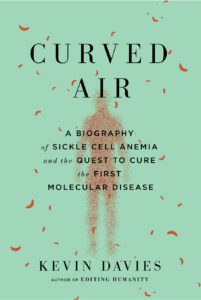
However, the landscape of hematology shifted irrevocably in December 2023 with the FDA approval of Casgevy and Lyfgenia. These CRISPR-based and gene-addition therapies represent a watershed moment in human history. To mark Sickle Cell Awareness Month, GEN sat down with Dr. Kevin Davies, author of the newly published Curved Air (Harvard University Press), to explore the scientific odyssey, the human cost, and the arduous road to a potential cure.
A Legacy of Discovery: The Chronology of a Molecular Milestone
The story of sickle cell disease is not merely one of molecular biology; it is a tapestry of historical injustice, scientific triumph, and the persistence of the human spirit.
1904–1910: The Initial Recognition
The clinical record of SCD begins in 1904 with Walter Clement Noel, a dental student from Grenada living in Chicago. Noel’s suffering led him to Dr. James Herrick, whose 1910 publication in the Archives of Internal Medicine provided the first formal description of the "sickle-shaped" red blood cells.
1949: The Birth of Molecular Medicine
In 1949, Nobel laureate Linus Pauling revolutionized the field by identifying SCD as the "first molecular disease." Pauling’s work demonstrated that the disease was caused by a specific alteration in the hemoglobin molecule, a discovery that fundamentally altered our understanding of genetics.
2019–2023: The CRISPR Revolution
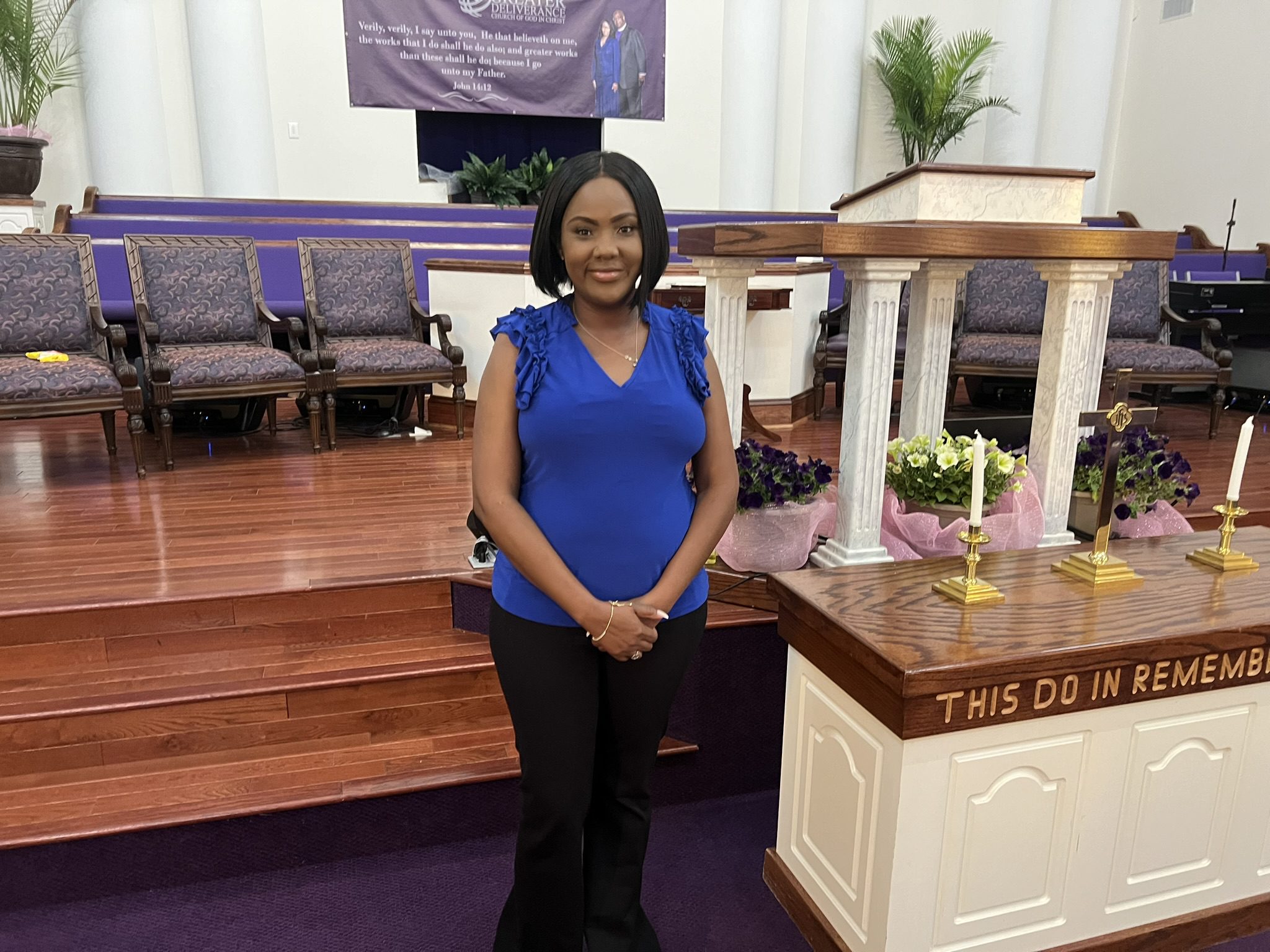
The narrative accelerated in July 2019, when Victoria Gray became the first patient to undergo CRISPR cell therapy for SCD. Her journey, documented extensively by NPR and later by Dr. Davies, transformed the disease from an "untreatable" condition into a target for high-precision DNA surgery. This culminated in the 2023 regulatory approvals of the first gene-editing treatments.
The Human Element: Beyond the Bench
While the science of gene editing is undeniably revolutionary, Dr. Davies emphasizes that the "warriors"—the patients living with the disease—are the true heart of the narrative. In Curved Air, Davies chronicles the lives of individuals like Victoria Gray, LaRae, and the late Brittany Hightower.
"I found it ironic that CRISPR—this incredible 21st-century, Nobel Prize-winning technology—should find its first clinical success treating patients with a disease that has been underfunded and forgotten by large sections of the medical community," Davies observes.
The book does not shy away from the darker realities of the SCD experience. Davies highlights the harrowing account of Brittany Hightower, a Texas-based advocate who, despite being in the throes of a life-threatening pain crisis, faced systemic bias and was ultimately ejected from a hospital. Her death remains a stark reminder that while medical technology advances, the "human software"—the empathy and education of healthcare systems—remains tragically flawed.
The Science of the "Workaround": How Casgevy Functions
One of the most compelling aspects of the recent breakthroughs is that they do not always "fix" the mutation directly. Instead, they employ a brilliant evolutionary workaround.
The Role of BCL11A
The breakthrough therapies rely on the discovery that a transcription factor known as BCL11A serves as a "switch" for fetal hemoglobin (HbF). In healthy adults, the body stops producing fetal hemoglobin shortly after birth, switching to adult hemoglobin. In SCD patients, the adult hemoglobin is defective.
By using CRISPR to "turn off" the BCL11A gene, scientists have enabled the body to resume the production of fetal hemoglobin. This fetal hemoglobin effectively compensates for the defective adult hemoglobin, preventing the red blood cells from sickling. The researchers behind this work, Drs. Swee-Lay Thein and Stuart Orkin, were recently honored with the 2026 Breakthrough Prize, a recognition Dr. Davies describes as long overdue.
Historical Context: From Catoctin Furnace to Grenada
The reach of SCD extends deep into the history of the American experience. Dr. Davies’ research took him to the Catoctin Furnace in Maryland, where forensic DNA analysis revealed that three enslaved children buried in the early 1800s carried the SCD mutation. This evidence provides a grim, tangible link between the Middle Passage and the modern prevalence of the disease in the African American population.
Furthermore, Davies’ pilgrimage to the grave of Walter Clement Noel in Sauteurs, Grenada, serves as a bridge between the clinical origins of the disease and the real life of the man who first brought it to scientific light. "His identity was uncovered decades after the 1910 paper," Davies notes. "I felt compelled to follow in the footsteps of the historians who restored his name to the medical record."
Implications: The High Cost of Hope
The arrival of therapies like Casgevy and Lyfgenia brings with it the difficult reality of pricing. With costs ranging from $2.2 million to over $3 million, these treatments are among the most expensive in medical history.
Economic and Ethical Considerations
Dr. Davies posits that the "sticker shock" must be contextualized. "Two to three million dollars in a one-time therapy is still good value compared to the cost of treating patients for recurring pain crises and organ failure over decades," he argues. However, this logic only holds for patients with robust insurance coverage in high-income nations.
The broader challenge remains: how do we deliver these therapies to the millions of patients in Africa, India, and beyond, where the burden of disease is highest?
"The dream is to develop a much less complex in vivo gene therapy," says Davies. "I am optimistic that eventually, scientists will develop a small-molecule drug that can mimic the effects of these complex gene therapies. That would be the true equalizer."
The Future of Care: "I Can Take the Hammer Away, But I Can’t Fix the Wall"
As we celebrate these scientific advancements, experts urge a balanced perspective. Dr. Haydar Frangoul, who treated Victoria Gray, offers a sobering metaphor: "I can take the hammer away, but I can’t fix the wall."
This refers to the fact that patients who have already suffered years of vascular and organ damage before receiving treatment may not see a full reversal of symptoms. The focus of the next decade must shift toward earlier intervention—newborn screening and access to therapy before the "wall" of the body is damaged.

Looking Ahead
Curved Air is more than a book about a disease; it is a call to action. It serves as a reminder that science is most powerful when it is paired with advocacy and an uncompromising look at the societal failures that allow diseases to be "forgotten."
As the medical community moves toward the next generation of in vivo therapies, the goal must be universal accessibility. The progress made in the last five years is extraordinary, but as Davies concludes, the real victory will be when these life-saving technologies are no longer the exception for the few, but the standard of care for the many.
Through the lens of Curved Air, we see that the arc of medical history is indeed long, but with the fusion of innovation and persistent advocacy, it is finally bending toward a cure.