The Cellular "Garbage" Crisis: How Unchecked Immune Cells Drive the Aging Process
Aging has long been viewed as an inevitable, slow-motion decay of the body—a passive erosion of function across organs. However, groundbreaking research from Stanford Medicine is challenging this paradigm. Scientists have discovered that aging is not merely a passive descent into senescence, but rather a failure of a critical biological "cleanup crew." By identifying a specific signaling pathway that prevents immune cells from disposing of cellular debris, researchers have opened a new, promising frontier in the quest to extend human health span.
The Core Mechanism: When Housekeeping Fails
At the heart of the body’s maintenance system are tissue-resident macrophages (TRMs). These long-lived immune cells inhabit nearly every organ, from the brain and heart to the liver and kidneys, acting as the body’s primary "garbage collectors." Their most vital task is efferocytosis—the process of identifying, engulfing, and digesting dead or dying cells.
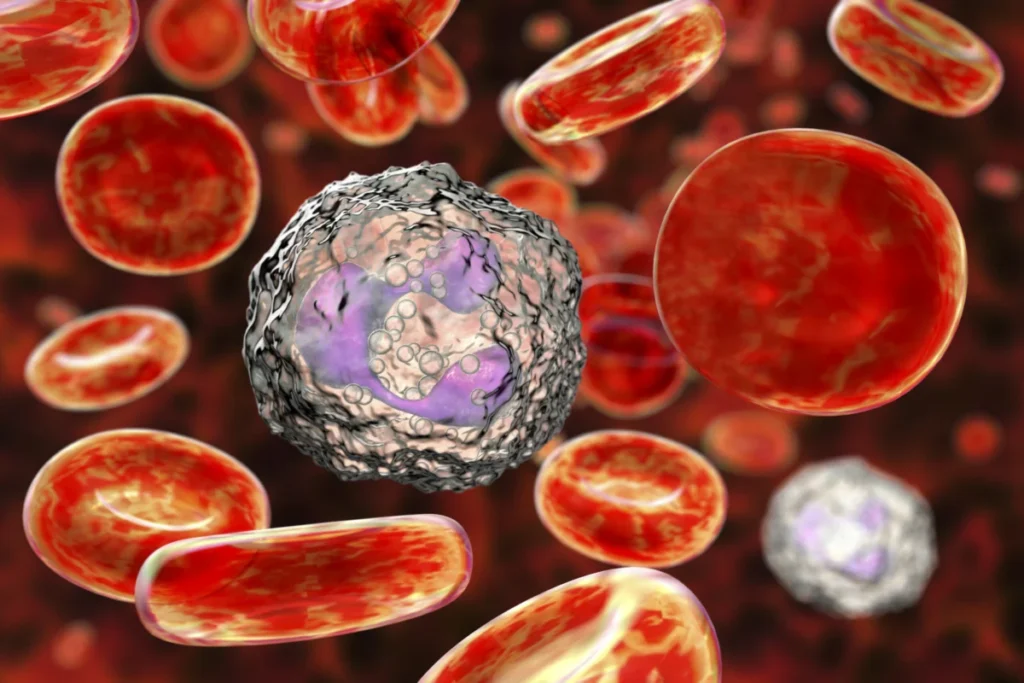
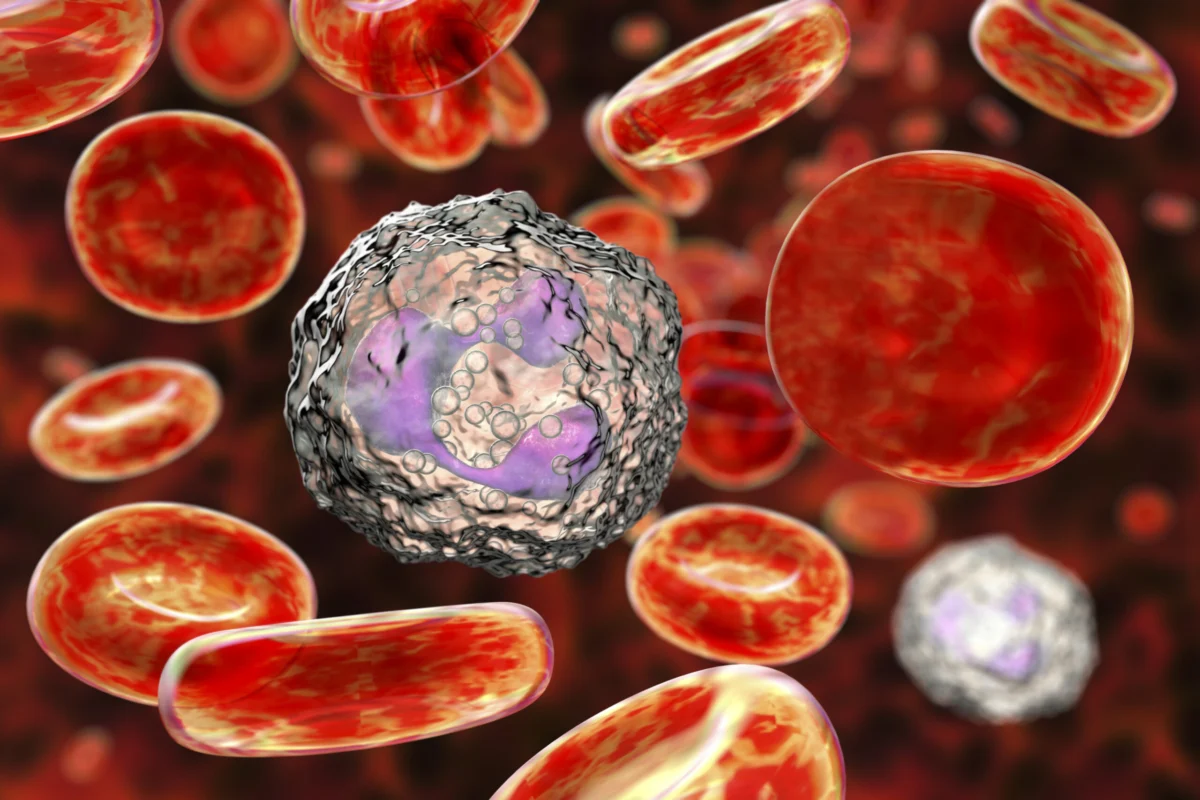
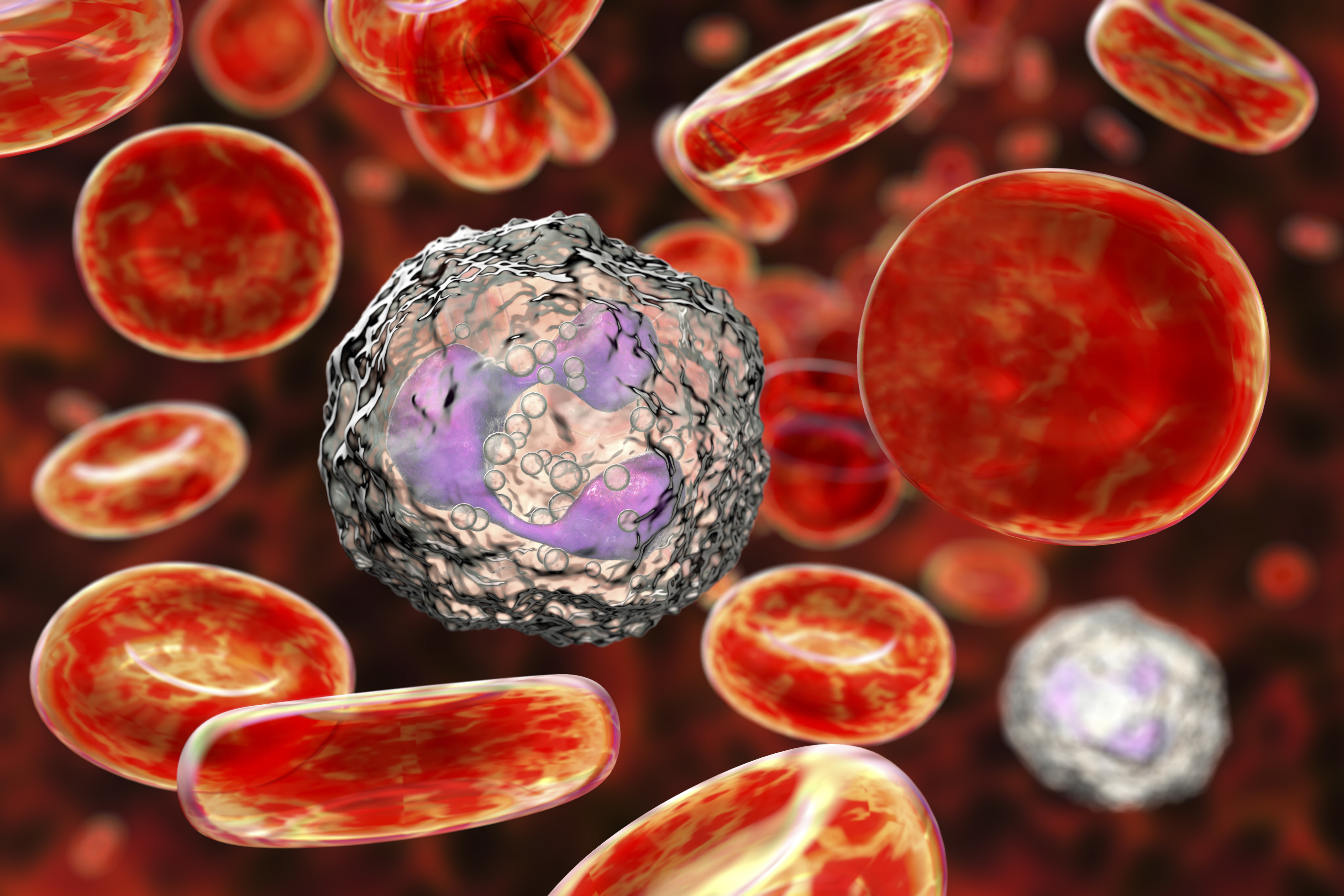
The primary targets for these macrophages are neutrophils. As the body’s first responders to infection, neutrophils are produced in the bone marrow by the billions every day. However, they are inherently short-lived, with a lifespan of only 12 to 24 hours. Under healthy conditions, TRMs efficiently clear these neutrophils before they can cause harm.
The new study, published in the journal Science, reveals that as we age, this cleanup process breaks down. Neutrophils that are not cleared quickly transition into a "senescent" or zombie-like state. Once senescent, these neutrophils release harmful enzymes and inflammatory compounds that damage surrounding tissues. This triggers a cycle of chronic, low-grade inflammation—a phenomenon now widely recognized as a primary driver of age-related systemic decline.
Chronology of Discovery: From Observation to Intervention
The path to this discovery began with a shift in how Stanford researchers viewed the immune system’s role in senescence.
- Initial Observations: Previous studies by the research team established that TRMs undergo a metabolic decline as they age. They become less efficient at their jobs, accumulating oxidative and metabolic damage over years or decades.
- The Prostaglandin Link: The team focused on Prostaglandin E2 (PGE2), a hormone known for its role in inflammation and pain. They discovered that as organisms age, PGE2 levels rise.
- Identifying the Culprit: TRMs express a specific receptor called EP2. The researchers found that PGE2 binds to the EP2 receptor, effectively "braking" the macrophage’s ability to clean up senescent neutrophils.
- The Genetic Breakthrough: To test this, the team bioengineered mice to lack the EP2 receptor specifically in their tissue-resident macrophages. They observed that these mice were able to maintain youthful levels of neutrophil clearance well into old age.
- Pharmacological Validation: The team later treated aged mice with an experimental EP2-inhibitor drug. Within two months, the drug successfully restored the macrophages’ ability to clear senescent cells, reversing markers of systemic aging.
Supporting Data: A Systemic Rejuvenation
The physiological impact of blocking the EP2 receptor was profound. In the study, mice with inhibited EP2 signaling did not just live longer; they lived better.
Compared to control groups of the same age, the treated mice exhibited:
- Metabolic Youthfulness: The mice were leaner, showing significantly less visceral fat accumulation and greater muscle mass, effectively resisting the sarcopenia (muscle wasting) typically associated with aging.
- Cognitive Preservation: The treated mice demonstrated superior memory and navigation skills in maze tests, performing at levels comparable to much younger animals.
- Cardiac and Organ Health: The "rejuvenated" mice showed reduced inflammation in the heart, liver, kidneys, and colon, maintaining functional performance that mirrored their younger counterparts.
- Blood Chemistry: Analysis of 71 key proteins in the blood revealed that 59 of them remained at "youthful" levels in the EP2-deficient mice. This indicates that by fixing the macrophage-neutrophil interaction, the researchers were able to stabilize the body’s overall systemic chemistry.
Official Perspectives and Expert Insight
Lead researcher Katrin Andreasson, MD, the Edward F. and Irene Thiel Pimley Professor in Neurology and Neurological Sciences at Stanford, frames this discovery as a fundamental shift in gerontology.
"We’ve shown that when tissue-resident macrophages don’t have EP2 on their surfaces anymore, or when that receptor is plugged up by a drug, this decline doesn’t happen," Dr. Andreasson stated. "We’ve been trying to figure out why we age. Now we know at least one big reason for it."
The research team, which included first author Jessy Tan, PhD, emphasizes that the study reframes aging as a failure of active cellular clearance. In their paper, they noted: "This work identifies EP2 signaling in TRMs as a central regulator of organ-wide aging through its control of senescent neutrophil clearance."
The team also validated these findings by looking at human tissue data. Analyzing a large database of human liver samples, they observed the same patterns: age-related neutrophil accumulation, increased neutrophil senescence, a decline in TRM function, and heightened EP2 activity in older and diseased livers. While these human findings are currently correlative, they provide a strong roadmap for clinical translation.
Implications for Future Medicine
The implications of this research are vast, offering a potential pharmaceutical "fountain of youth" that focuses on health span rather than just lifespan.
The Challenge of Selective Inhibition
While non-steroidal anti-inflammatory drugs (NSAIDs) like aspirin already target PGE2 production, they are non-selective. They block all prostaglandin pathways, many of which are essential for normal bodily functions. The Stanford team is clear that the goal is not to eliminate PGE2—which has vital roles in the body—but to specifically inhibit the EP2 receptor on macrophages. This level of precision is the "holy grail" for future drug development.
A New Class of Geroprotectors
The study suggests that we may be on the cusp of a new class of drugs: "geroprotectors." These are compounds designed to maintain the functionality of our immune "janitors." If a drug can be developed that selectively incapacitates EP2 without disrupting other upstream events, it could prevent a wide range of age-related disorders, including Alzheimer’s, heart disease, and metabolic syndrome.
Rethinking Chronic Inflammation
"Inflammaging"—the chronic, low-grade inflammation that accompanies aging—is currently treated with broad-spectrum anti-inflammatories that often carry significant side effects. By targeting the specific mechanism that prevents macrophages from doing their jobs, medicine could treat the root cause of systemic inflammation rather than merely masking the symptoms.
Conclusion: The Road Ahead
The Stanford Medicine study effectively changes the narrative of aging from a story of inevitable, unstoppable wear and tear to one of biological mismanagement. If aging is partially a consequence of our immune system losing its ability to take out the trash, then the solution is to help that immune system regain its efficiency.
While the jump from mouse models to human clinical trials is a significant hurdle, the identification of the EP2-efferocytosis axis provides a concrete, targetable pathway. Future studies will be tasked with developing a safe, selective EP2 antagonist and testing its efficacy in humans. If successful, this research could usher in an era where we no longer simply wait for the body to fail, but actively support the cellular processes that keep us young, fit, and cognitively sharp well into our later years.
The "garbage" of aging may have finally met its match.