The Evolving Art of 3D Printing: Untangling Myths, Validating Hacks, and Mastering Adhesion
In the dynamic world of additive manufacturing, where innovation constantly reshapes possibilities, the pursuit of a flawless print remains a core quest for enthusiasts and professionals alike. Amidst a sea of evolving technologies and materials, a persistent undercurrent of community-driven experimentation yields a treasure trove of "hacks" – clever tricks designed to overcome common challenges. However, as the landscape shifts, so too does the efficacy of these homegrown solutions. Recently, Angus of the renowned Maker’s Muse channel embarked on a scientific journey to put some of these enduring 3D printing myths and methods to the test, yielding a critical validation for one stubborn problem and a definitive dismissal for another.
His findings offer crucial insights for the modern maker, particularly regarding the notoriously tricky adhesion of flexible filaments and the historical context of bed preparation. The standout revelation? Isopropyl alcohol (IPA) emerges as a surprisingly effective rescue agent for freeing recalcitrant TPU (Thermoplastic Polyurethane) prints that have fused themselves too intimately with textured build platforms. Conversely, a once-touted solution—using sugar as a bed adhesive—is unequivocally relegated to the annals of obsolete techniques, proving to be more detrimental than helpful on contemporary printing surfaces. This rigorous evaluation by Maker’s Muse not only provides actionable advice but also underscores the necessity of continuous critical assessment in a rapidly advancing field.
The Elusive Release: Tackling Stubborn TPU with Isopropyl Alcohol
The Peril of Perfect Adhesion: When Flexibility Becomes a Foe
Flexible filaments, particularly TPU, are celebrated for their unique properties: elasticity, durability, and shock absorption. These characteristics make them ideal for a wide array of applications, from phone cases and drone parts to gaskets and custom tool grips. However, the very attributes that make TPU so desirable—its inherent "grippiness" and tendency to conform—often translate into a significant headache during the post-printing phase: removal from the build plate.
Unlike rigid filaments such as PLA or PETG, which often release with a satisfying pop once the bed cools, TPU possesses an uncanny ability to bond aggressively with certain build surfaces, especially the popular textured PEI (Ultem) sheets. This over-adhesion can transform the simple act of print removal into a frustrating and potentially destructive ordeal. Attempts to peel a stubbornly stuck TPU print often result in tearing the model, leaving behind unsightly bits of plastic embedded in the textured surface, or even damaging the build plate itself. The consequence is not just a ruined print but also wasted time, material, and the potential need for costly bed replacement. This persistent problem has driven many makers to seek unconventional solutions, often relying on trial and error within the community.
Angus’s Experiment: A Scientific Approach to Community Wisdom
Recognizing this widespread frustration, Angus from Maker’s Muse, known for his methodical and often humorous approach to testing 3D printing phenomena, decided to put a circulating community tip to the test: using isopropyl alcohol to aid in releasing stuck flexible prints. This advice, often whispered in forum threads, had lacked robust, public validation.
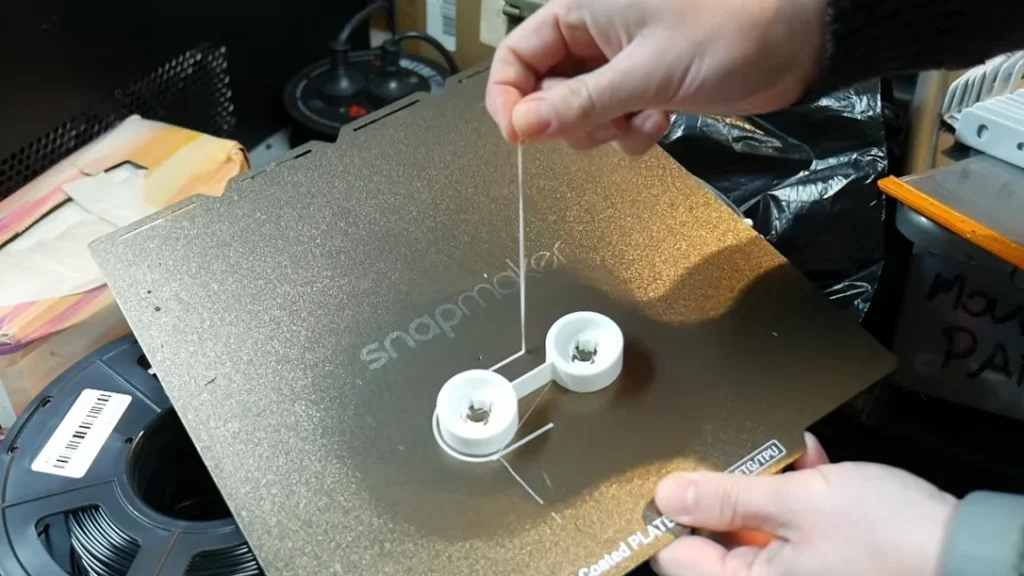
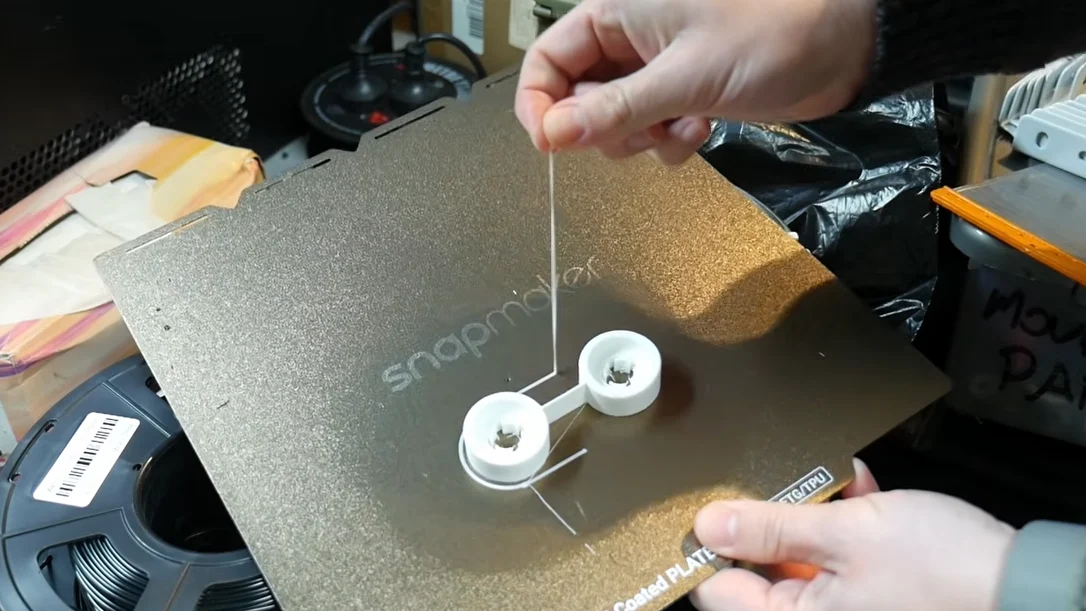
Angus’s experiment involved intentionally allowing a TPU print to bond excessively to a textured PEI build plate, simulating the worst-case scenario. After the print had cooled and firmly adhered, he carefully applied isopropyl alcohol to the edges, allowing it to wick underneath the print. The results, as demonstrated in his video, were strikingly positive. While the print didn’t miraculously "fall off" on its own, the IPA visibly weakened the bond, allowing for a much easier and cleaner removal. Crucially, the print remained intact, and the build plate was spared any damage. This successful demonstration provides compelling evidence that IPA can serve as a valuable rescue tool when flexible filaments decide to become permanent fixtures on the print bed.
The Science Behind the Solvent: Understanding the Release Mechanism
The effectiveness of isopropyl alcohol in releasing stuck TPU prints is rooted in its chemical properties and physical action. IPA is a common solvent, widely used for cleaning and degreasing. When applied to the interface between the TPU print and the PEI build plate, several mechanisms likely contribute to its success:
- Weakening of Adhesion: The alcohol may act as a mild solvent on the surface layers of either the TPU or the PEI, or both, temporarily disrupting the molecular bonds that create the strong adhesion. While TPU is generally resistant to many solvents, the specific surface interaction with PEI might be susceptible to IPA’s influence.
- Wicking Action: The low surface tension of IPA allows it to penetrate and spread into very small gaps. By applying it around the perimeter of the print, the alcohol wicks underneath the edges, creating a thin layer that physically separates the print from the build plate. This liquid layer acts as a lubricant and a wedge, reducing the direct contact area and making mechanical separation easier.
- Temperature Differential (Minor): While not its primary mechanism, the evaporation of IPA can cause a slight localized cooling effect. In some cases, a rapid temperature change can stress the bond between the print and the bed, further aiding release, though this is likely a minor contributor compared to its solvent and wicking properties.
This mechanism is reminiscent of how IPA is often used to remove hot glue from various surfaces. Hot glue, like flexible filaments, forms a strong physical bond. Applying IPA allows it to penetrate and dissolve the outermost layers of the glue, significantly weakening its grip and facilitating its removal without damaging the underlying surface. The key, in both scenarios, is ensuring the alcohol can effectively wick into the critical interface.
Best Practices and Preventive Measures: Avoiding the Weld
While IPA offers a reliable rescue for stuck TPU, prevention remains the best strategy. The primary reason flexible filaments adhere too well is often a lack of an appropriate interface layer. Manufacturers and experienced makers commonly recommend a thin application of a release agent or a specific adhesive to create a controlled bond that is strong enough for printing but weak enough for easy removal.
- Glue Stick: A thin, even layer of standard PVA-based glue stick (like Elmer’s or similar brands) is a widely accepted solution for TPU on PEI. It provides just enough separation to prevent welding while still ensuring adequate adhesion during printing. The glue layer can be easily dissolved with water after removal, leaving both print and bed clean.
- Specialized Release Agents: Some companies offer specific liquid or spray-on release agents designed for flexible filaments, creating a temporary barrier that prevents over-adhesion.
- Temperature Management: Experimenting with slightly lower bed temperatures for TPU can sometimes reduce excessive adhesion, though this must be balanced with ensuring the print doesn’t warp during the initial layers.
- Z-Offset Calibration: A perfectly calibrated Z-offset is crucial. If the nozzle is too close to the bed, it can effectively "squish" the first layer into the surface, increasing the bonding area and making removal harder.
Should a print still become stubbornly stuck despite these precautions, Angus’s validated IPA trick provides a crucial last resort. Apply IPA carefully around the base of the print, allowing it time to wick underneath. Patience is key; aggressive prying immediately after application may still damage the print. This method can save countless hours of frustration and safeguard valuable build plates, proving that some community wisdom, when scientifically tested, truly holds water.
A Sweet Farewell: The Demise of Sugar as a Bed Adhesive
A Historical Footnote: Sugar in Early 3D Printing
The early days of consumer 3D printing were, in many ways, a "wild west" of experimentation. Printers were often open-source, components were rudimentary, and solutions to common problems were largely community-driven and unconventional. One of the most persistent challenges was bed adhesion, particularly for PLA (Polylactic Acid), which had a tendency to warp and lift off the print surface.
In this era, standard build plates were often bare glass, Kapton tape, or blue painter’s tape. Each had its limitations: bare glass offered poor adhesion without significant preparation, Kapton tape was difficult to apply and often lost adhesion over time, and painter’s tape, while better, was not always consistent. It was during this period of limited options and intense tinkering that unconventional "hacks" emerged. Among them was the intriguing idea of using a sugar solution as a bed adhesive. The theory was that a thin layer of sugar, once dried, would provide a slightly tacky surface for PLA to adhere to, much like other improvised solutions such as hairspray or diluted PVA glue. This approach reflected the ingenuity and resourcefulness of early makers who were determined to make their nascent technology work, often with household items.
The Evolution of Build Plate Technology: Solving Yesterday’s Problems
The narrative of sugar adhesive is inextricably linked to the rapid evolution of 3D printing technology, particularly the build plate. What began as an experimental workaround for specific limitations has been rendered obsolete by advancements in material science and engineering.
- Early Stages (2010-2015): Bare glass, Kapton tape, and blue painter’s tape were dominant. Adhesion issues, especially with warping for PLA and ABS, were rampant. Hacks like sugar, hairspray, and ABS slurry (ABS dissolved in acetone) were common.
- The Rise of PEI (2015-Present): Polyetherimide (PEI) emerged as a game-changer. Its excellent thermal stability, chemical resistance, and natural adhesion properties for a wide range of filaments, particularly PLA and PETG, made it the gold standard. PEI sheets, often applied to glass or aluminum, drastically reduced warping and adhesion failures.
- Magnetic Flexible Build Plates (2018-Present): The introduction of magnetic flexible build plates, often with PEI coatings (both smooth and textured), revolutionized print removal. These plates, which can be easily detached and flexed, allow prints to pop off with minimal effort, eliminating the need for scrapers and reducing the risk of damaging prints or the bed. The textured PEI surface, in particular, offers excellent first-layer adhesion for many common filaments while providing a distinctive finish to the print’s base.
Modern PEI-coated build plates have largely "solved" the problem of PLA adhesion. With proper bed leveling and temperature settings, PLA adheres beautifully to these surfaces and releases easily once cooled. This significant technological leap has rendered many of the old, improvised adhesion tricks unnecessary.
Why Old Tricks Don’t Always Apply (and Can Cause a Mess):
Angus’s re-evaluation of sugar as a bed adhesive on a modern textured PEI plate vividly illustrates why context matters in 3D printing hacks. What might have offered a marginal benefit on bare glass years ago now proves to be a counterproductive mess.
When Angus applied a sugar solution to his modern PEI bed, the result was predictable:
- Poor Adhesion: The sugar did not enhance adhesion; if anything, it likely created an uneven, non-ideal surface that could negatively impact the first layer. Modern PEI is designed for direct filament contact, and an intervening layer of sugar disrupts this optimized interface.
- Unnecessary Mess: Sugar, by its nature, is sticky. It leaves behind a residue that is difficult to clean thoroughly without dissolving it, which then requires drying. This adds an entirely new, unnecessary step to the post-print process. The residue can also build up, affecting subsequent prints and potentially clogging nozzle orifices if transferred.
- Risk of Damage: While unlikely to damage PEI directly, any foreign substance that doesn’t facilitate proper adhesion can lead to failed prints that require aggressive removal, potentially damaging the bed or print head.
The principle here is clear: solutions are context-dependent. A "hack" that addressed a specific limitation of older technology is not only irrelevant but often detrimental when applied to current, more advanced systems. The desire to experiment is commendable, but critical thinking and an understanding of how technology has evolved are essential to avoid wasting time, material, and effort. The sugar adhesive, while a fascinating relic of 3D printing’s past, has no place in the modern maker’s toolkit.
The Broader Landscape of 3D Printing Hacks: Innovation and Obsolescence
The Spirit of Experimentation: Fueling a Community of Problem-Solvers
The culture of "hacks" in 3D printing is a testament to the DIY spirit that has always defined the community. From its open-source roots, 3D printing has fostered a unique environment where users are not just consumers but active participants in the technology’s development. Faced with limitations, bugs, or simply the desire for better results, makers often turn to experimentation.
Online forums, social media groups, and platforms like YouTube and Instructables are vibrant hubs where these tips, tricks, and hacks are shared, discussed, and refined. This collective intelligence, driven by countless hours of individual trial and error, has led to breakthroughs that sometimes even precede official solutions from manufacturers. The "hack" mentality is about pushing boundaries, optimizing processes, and democratizing knowledge, turning individual frustrations into shared solutions. It embodies a scientific approach in a hobbyist setting, where hypothesis, experiment, observation, and conclusion are practiced daily by thousands.
Common Adhesion Strategies (Past and Present): A Diverse Toolkit
Beyond sugar, the quest for perfect bed adhesion has given rise to a diverse array of strategies, each with its own advantages and specific applications:
- Hairspray: Often an early favorite, particularly for ABS and PETG on glass, hairspray creates a fine, sticky layer. Its effectiveness varies by brand, with some formulations providing better hold and release than others. While still used, modern PEI beds often outperform it.
- ABS Slurry/Juice: A potent solution created by dissolving ABS filament scraps in acetone, this creates a strong adhesive layer for printing ABS, particularly on glass. It’s highly effective but requires careful handling due to acetone’s flammability and fumes.
- PVA Glue Stick (Purple): A universal favorite, glue stick is easy to apply, non-toxic, and water-soluble. It works well for PLA, PETG, and often TPU, providing a reliable interface on various surfaces, including glass and PEI. The "purple" variety makes application visibility easier.
- Blue Painter’s Tape: An early staple, especially for PLA on non-heated beds. The slightly textured surface provided good mechanical grip. However, it’s consumable, prone to tearing, and can leave residue.
- Magigoo/3DLAC: These are specialized, commercially available adhesive solutions formulated specifically for 3D printing. They offer excellent adhesion for a wide range of filaments and often facilitate easy release once the bed cools. They represent the professional evolution of the "glue stick" concept.
Each of these methods has carved out its niche, demonstrating that no single solution fits all scenarios. The choice often depends on the filament type, build plate material, desired adhesion strength, and ease of cleanup.
Beyond Adhesion: Other Print Optimization Hacks
The spirit of hacking extends far beyond bed adhesion, permeating every aspect of 3D printing:
- Temperature Towers & Retraction Tests: These calibration prints help users find optimal temperature and retraction settings for new filaments, crucial for print quality and avoiding stringing.
- Custom Firmware: Advanced users often flash custom firmware (like Marlin or Klipper) to unlock additional features, improve motion control, and fine-tune printer performance beyond factory settings.
- Cooling Solutions: Modifying print cooling fans or ducts to optimize airflow around the nozzle is a common hack to improve overhangs and reduce heat creep.
- Enclosure Modifications: Building enclosures (often with IKEA furniture hacks) for printers helps maintain stable temperatures for materials like ABS, preventing warping and cracking.
- Filament Drying Solutions: Creating DIY filament dryers (e.g., using food dehydrators) helps manage moisture absorption in hygroscopic filaments, improving print quality.
This continuous cycle of discovery, sharing, and refinement is what keeps the 3D printing community vibrant and the technology moving forward. It’s a testament to the collaborative nature of innovation, where every user can potentially contribute to the collective knowledge base.
Implications for the Modern Maker: Navigating the Evolving Toolkit
The Importance of Critical Evaluation: Trust, but Verify
Angus’s work at Maker’s Muse serves as a powerful reminder for the modern maker: not all advice is created equal, and not all "hacks" remain relevant. In an age of information overload, the ability to critically evaluate claims is paramount. Makers should:
- Question the Source: Is the advice coming from an experienced, reputable source known for rigorous testing, or is it an unsubstantiated anecdote?
- Understand the Context: What printer, filament, and build plate was the hack originally developed for? Does that context match your setup?
- Consider the Science: Does the proposed solution have a plausible scientific or mechanical explanation, or does it sound too good to be true?
- Test Safely: If experimenting with a new hack, start with small, low-risk prints and observe the results carefully before committing to larger projects.
This critical approach ensures that makers leverage truly effective solutions while avoiding pitfalls that could waste time, material, or even damage their equipment.
Time vs. Experimentation: Balancing Efficiency and Discovery
For many, 3D printing is a hobby, and the joy of experimentation is part of the appeal. For others, it’s a tool for work or rapid prototyping, where efficiency and reliability are key. The modern maker must strike a balance between these two poles:
- Rely on Proven Methods for Critical Prints: For projects where success is paramount, stick to established best practices and validated solutions (like using glue stick for TPU or relying on PEI for PLA).
- Allocate Time for Experimentation: If you have the bandwidth, dedicate specific sessions to testing new filaments, calibration prints, or novel hacks. This is how personal knowledge grows and how the community ultimately advances.
The cost of a failed print—in terms of filament, electricity, and time—can be significant. Therefore, understanding when to apply a well-known solution versus when to embark on a new experimental journey is a crucial skill.
The Future of 3D Printing Solutions: An Ongoing Dialogue
The insights from Maker’s Muse highlight that 3D printing is a continuously evolving field. New materials, printer designs, and software features are constantly emerging, bringing with them both new capabilities and new challenges. The dialogue between users, researchers, and manufacturers is vital:
- User Feedback Drives Innovation: The problems and solutions discovered by the community often inform future product development.
- Manufacturers Refine Solutions: Companies are constantly improving build plate materials, adhesive coatings, and printer firmware to address common user pain points.
- Emerging Materials: As exotic filaments (e.g., composites, high-temperature polymers) become more accessible, new adhesion strategies and printing hacks will undoubtedly arise.
The journey of 3D printing is one of perpetual learning and adaptation. Angus’s work, by methodically separating the wheat from the chaff of community wisdom, equips makers with a sharper toolkit and a clearer understanding of how to navigate this exciting and ever-changing landscape. It reinforces the idea that while some old tricks fade into history, the spirit of innovation and the pursuit of the perfect print will always remain at the heart of the 3D printing community.